
Art has a unique power to communicate complex emotions and ideas, often transcending language and culture.
Throughout history, countless masterpieces have emerged, each telling a story that resonates deeply with viewers.
From the vibrant strokes of Van Gogh to the haunting imagery of Frida Kahlo, these works invite us to explore the human experience through the lens of creativity.
In this article, readers will discover ten famous artworks that carry profound meanings. Each piece not only showcases the artist’s skill but also offers insight into societal issues, personal struggles, and cultural narratives.
By delving into the significance behind these iconic creations, one can appreciate the depth and richness that art brings to our understanding of the world.
1. The Last Supper – Leonardo da Vinci
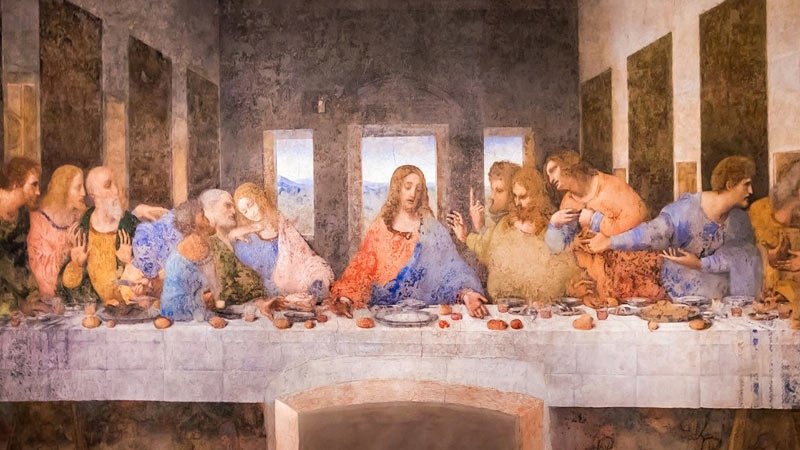
Leonardo da Vinci’s The Last Supper, painted in 1498, depicts the moment Jesus reveals one apostle’s betrayal.
The artwork focuses on the emotional reactions of the disciples, showcasing their diverse postures and expressions.
Located in the Santa Maria delle Grazie monastery in Milan, the fresco is renowned for its innovative use of color, light, and anatomy.
Many theories surround its symbolism, including the intriguing V shape formed between Jesus and the figure beside him, speculated by some to be Mary Magdalene.
2. The Starry Night – Vincent van Gogh
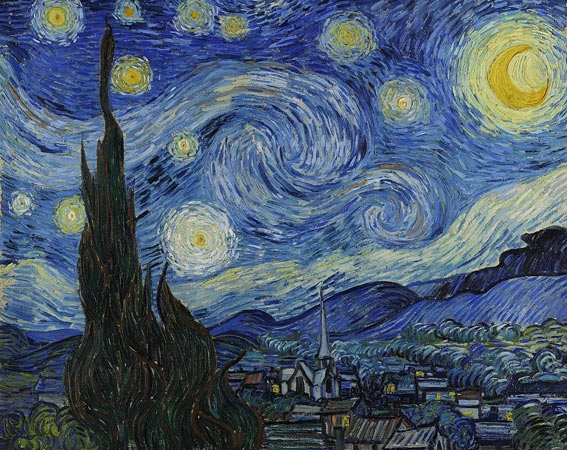
Vincent van Gogh created The Starry Night in 1889 during his stay at an asylum in Saint-Rémy-de-Provence. The painting illustrates a dreamy night sky filled with swirling stars and a tranquil village.
Van Gogh’s use of bold colors and dynamic brushstrokes expresses his emotional turmoil, reflecting his inner struggles.
It’s believed that the celestial elements symbolize hope and the desire for peace amidst chaos, inviting viewers to explore their own interpretations of the night sky.
3. Guernica – Pablo Picasso

Guernica, created in 1937, symbolizes the horrors of war through its intense imagery and stark monochromatic palette.
The painting depicts the devastation inflicted on civilians during the bombing of the Basque town of Guernica.
Picasso’s fragmented figures a tormented horse, a grieving mother, and a fallen warrior intensify the sense of chaos and despair.
This iconic work not only serves as a powerful protest against violence but also has established Picasso as a global symbol of resistance and peace.
4. The Persistence of Memory – Salvador Dali
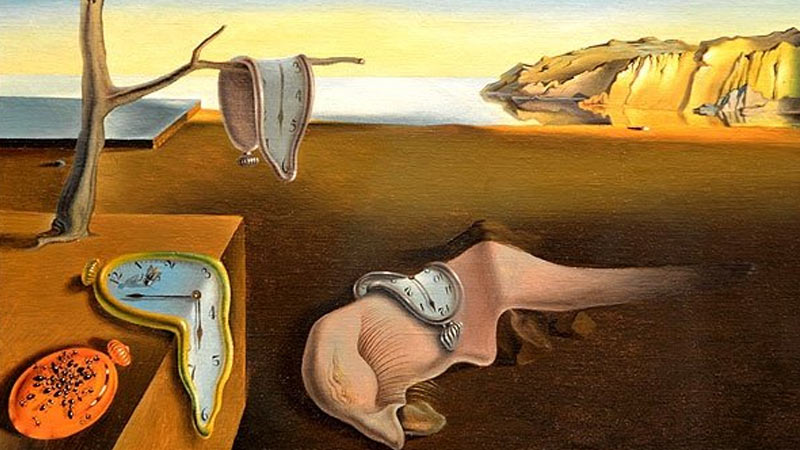
The Persistence of Memory, painted in 1931, explores the concept of time and its relativity. Dali’s melting clocks, draped over a surreal landscape, challenge the rigid perception of time.
The haunting imagery reflects the fragility of human existence and the often distorted nature of reality.
By juxtaposing dreamlike elements with realistic details, Dali invites viewers to question their understanding of time and memory, making this piece a pivotal exploration of surrealism’s impact on art.
5. The Scream – Edvard Munch
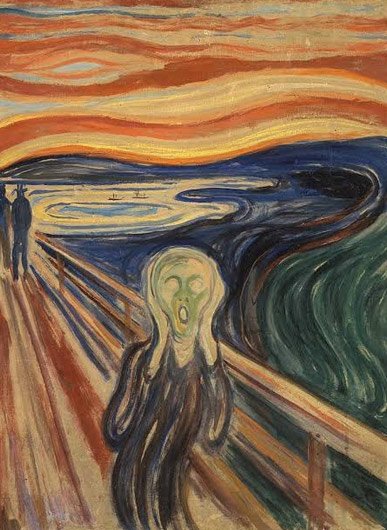
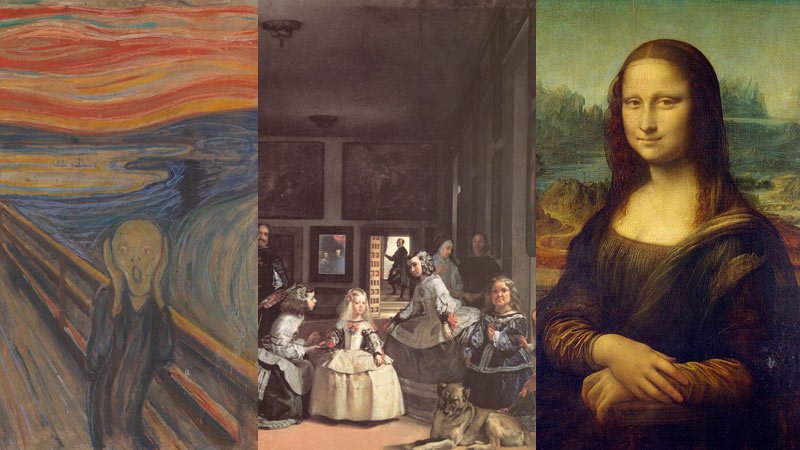
The Scream, painted by Edvard Munch in 1893, is a powerful expression of anxiety and existential despair.
This iconic work features a figure with a distorted face, clutching its cheeks in horror against a tumultuous sky. Munch created multiple versions, with two paintings housed in Norway’s National Museum and Munch Museum.
The artwork’s intense emotions resonate universally, making it a symbol of modern human angst and emotional distress.
6. The Kiss – Gustav Klimt
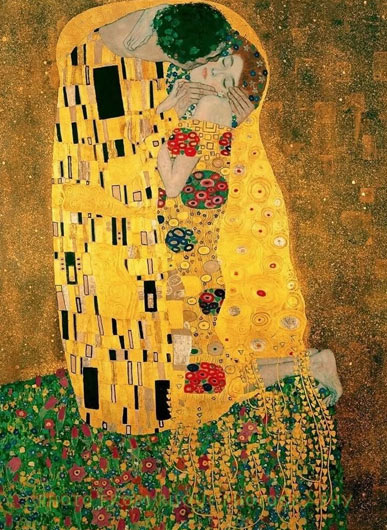
Klimt’s The Kiss, created between 1907 and 1908, captures the essence of love through a captivating composition.
The painting features a couple enveloped in ornate robes, symbolizing their intimacy amid a golden aura. Klimt’s use of Byzantine artistic influences highlights the richness of love, while the contrasting colors evoke emotional depth.
This masterpiece, housed in the Upper Belvedere museum in Vienna, invites viewers to contemplate the significance of connection and the beauty of human affection.
7. The Birth of Venus – Sandro Botticelli

Sandro Botticelli’s The Birth of Venus, created in 1485, captures the Roman goddess of love arriving on the shores of Cyprus.
It symbolizes beauty and sensuality, showcasing Venus emerging from sea foam on a seashell. The painting employs vibrant colors and detailed textures, inviting viewers to reflect on themes of creation and rebirth.
Botticelli’s meticulous attention to Venus’s form highlights a celebration of femininity during the Italian Renaissance, making it a pivotal work in the evolution of Western art.
8. The Garden of Earthly Delights – Hieronymus Bosch

The Garden of Earthly Delights, painted by Hieronymus Bosch between 1500 and 1510, is a monumental triptych that captivates with its surreal imagery.
It explores themes of paradise, earthly pleasures, and the consequences of indulgence. The left panel depicts creation, the central panel showcases a vibrant, chaotic garden filled with figures and fantastical creatures, while the right panel represents hell.
This work invites viewers to reflect on the nature of sin and the human condition in an utterly unique way.
9. Las Meninas – Diego Velázquez

Las Meninas, painted in 1656, portrays young Infanta Margarita surrounded by her entourage, merging reality with illusion.
Velázquez himself appears in the artwork, brush in hand, blurring the lines between artist and subject. Viewers see the royal couple in the mirror, enhancing the sense of depth.
This intricate composition invites reflections on perception, power, and the role of the artist, establishing it as a monumental piece in art history, currently displayed at Museo del Prado in Madrid.
10. The Mona Lisa – Leonardo da Vinci
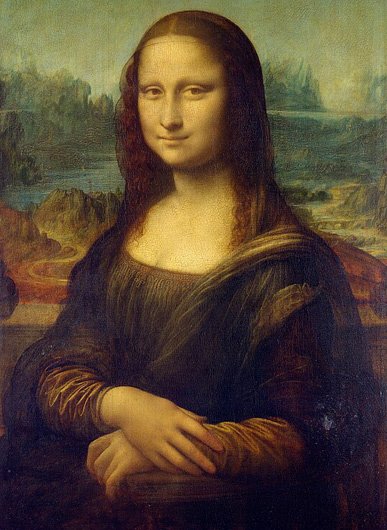
The Mona Lisa, painted by Leonardo da Vinci around 1503, embodies the ideal woman of the Renaissance. The painting’s allure stems from its subject’s enigmatic smile and mesmerizing gaze, which seem to follow viewers.
Da Vinci’s mastery of sfumato creates a soft transition between light and shadow, enhancing the realism.
Currently housed in the Louvre, the artwork is officially priceless, having only its $3 billion insurance value. Its profound impact continues to inspire discussions and interpretations worldwide.
11. The Creation of Adam – Michelangelo
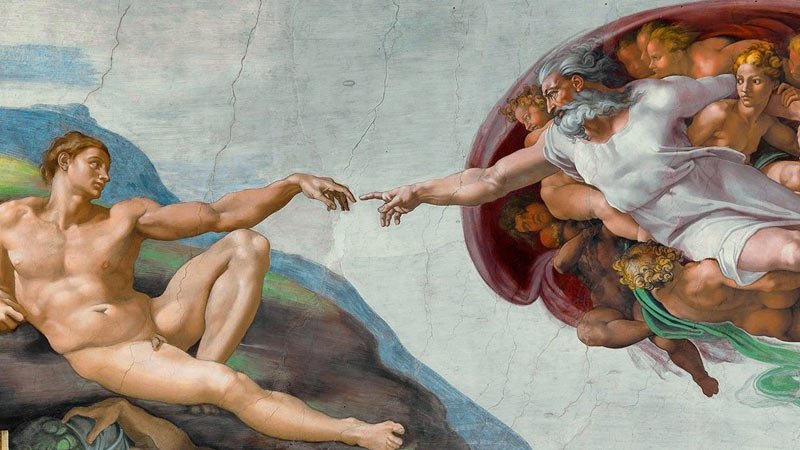
Michelangelo’s The Creation of Adam, painted in 1512, is a cornerstone of Renaissance art. It depicts God reaching out to Adam, symbolizing the spark of life.
The nearly touching fingers convey a sense of urgency and connection that resonates universally.
This fresco illustrates ideal human forms and is one of the earliest portrayals of God in art. Housed in the Sistine Chapel, it remains a powerful representation of humanity’s divine origins.
12. American Gothic – Grant Wood

American Gothic, created in 1930 by Grant Wood, represents rural American life. The painting features a stern farmer and his daughter standing in front of a Gothic-style farmhouse.
Wood’s use of sharp lines and vivid colors emphasizes their serious expressions, reflecting the challenges of the Great Depression.
This iconic artwork captures traditional American values, inviting viewers to contemplate resilience, hard work, and the complexity of rural existence. Its lasting influence makes it a defining piece of 20th-century art.
13. Christina’s World – Andrew Wyeth
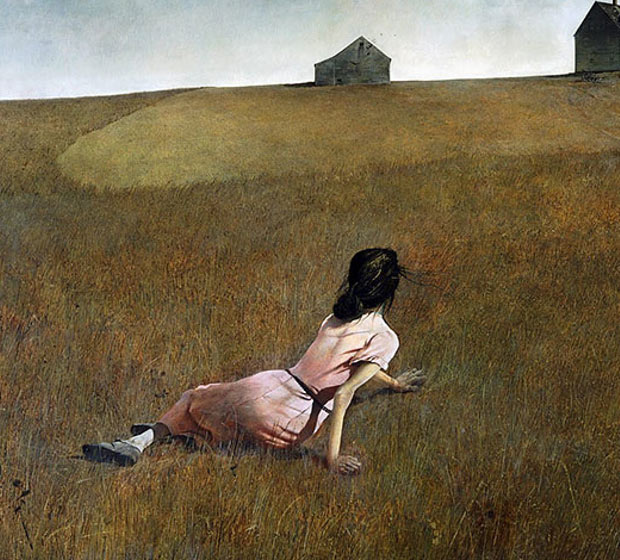
Andrew Wyeth’s Christina’s World, painted in 1948, captures the poignant struggle of a woman named Christina Olson, who suffered from muscular dystrophy.
The artwork depicts Christina lying in a field, gazing toward her family’s farmhouse. Wyeth’s use of subdued colors and intricate details emphasizes her isolation and determination.
The vast landscape surrounding her enhances the depth of longing, inviting viewers to explore themes of perseverance and the human spirit in the face of adversity. This masterpiece remains an iconic representation of American art.


