
Rome, a city steeped in history and culture, boasts some of the world’s most iconic statues. From ancient masterpieces to modern works of art, these sculptures tell stories of power, faith, and artistry.
Each statue stands as a testament to the city’s rich heritage, attracting millions of visitors eager to explore its artistic treasures.
As one strolls through the cobblestone streets, they’ll encounter breathtaking figures that have inspired generations.
Whether it’s the grandeur of a towering statue or the intricate details of a smaller piece, each one offers a glimpse into Rome’s past.
Discovering these ten famous statues not only enriches the experience of visiting the Eternal City but also deepens the appreciation for the artistry that defines it.
1. Pietà – Michelangelo

Michelangelo’s Pietà stands in St. Peter’s Basilica, showcasing his extraordinary talent. This marble masterpiece, completed in 1499, depicts the Virgin Mary cradling the dead body of Jesus. It measures about 5.8 feet tall, emphasizing both grace and sorrow.
Visitors often admire its intricate details, from Mary’s serene expression to the realistic folds of fabric.
The statue reflects themes of compassion and sacrifice, making it one of the most revered sculptures in art history. Michelangelo’s skill in conveying emotion continues to draw millions to this iconic work.
2. The Capitoline Wolf
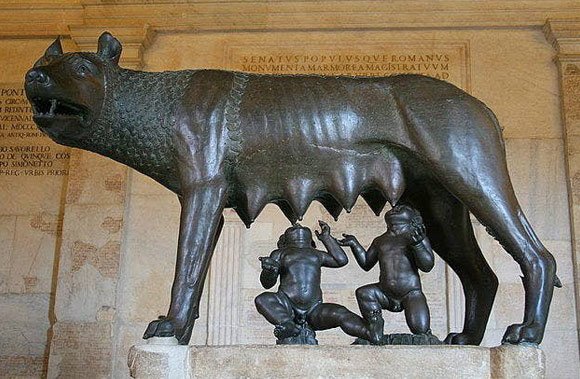
The Capitoline Wolf is a bronze statue symbolizing Rome’s founding. Measuring about 75 cm (29.5 inches) in height, it depicts a she-wolf nursing the legendary twins Romulus and Remus.
This iconic piece dates back to the 5th century BC, showcasing Etruscan artistry. It’s displayed in the Capitoline Museums, captivating visitors with its powerful imagery.
The statue represents not just the city’s origins, but also themes of strength and resilience, making it a must-see for anyone exploring Rome’s historical landscape.
3. Belvedere Torso

The Belvedere Torso is a remarkable ancient sculpture, believed to date back to the 1st century BC. Measuring approximately 4 feet high, it represents the idealized male form, showcasing exquisite muscular detail.
Situated in the Vatican Museums, the torso is attributed to the Hellenistic period, exhibiting a powerful presence despite its partial condition.
Artists like Michelangelo drew inspiration from this piece, highlighting its influence on Renaissance art. The Belvedere Torso isn’t just a fragment; it’s a testament to the enduring legacy of classical sculpture in Western art.
4. Moses – Michelangelo

Moses, crafted by Michelangelo between 1513 and 1515, resides in the Church of San Pietro in Vincoli. Standing at an impressive 8 feet tall, this marble statue depicts the biblical figure with striking realism.
Michelangelo captures Moses with a fierce gaze and rippling muscles, embodying authority and introspection.
The statue famously features two horns on Moses’ head, stemming from a translation error in the Hebrew Bible, symbolizing his divine radiance.
This masterpiece highlights Michelangelo’s mastery of sculpture, making it a vital part of Rome’s artistic heritage.
5. Augustus of Prima Porta
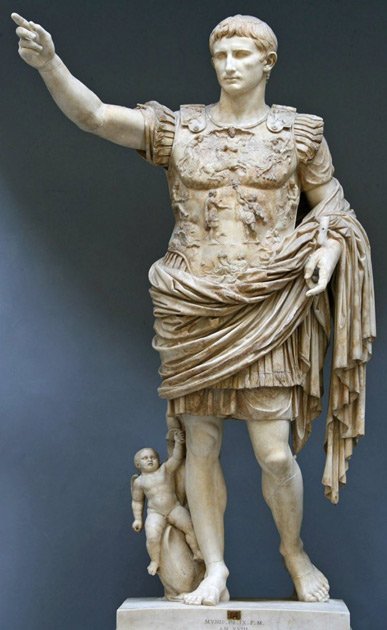
Augustus of Prima Porta is a stunning 6.8-foot tall marble statue representing Emperor Augustus, an iconic figure in Roman history.
Completed around 20 BC, this statue depicts Augustus in military attire, highlighting his role as a leader. It features a raised right arm, which signifies authority and oration, while his left hand rests on a breastplate adorned with allegorical figures.
The statue stands as a powerful symbol of Roman propaganda, illustrating Augustus’ accomplishments and divine lineage.
Located in the Vatican Museums, Augustus of Prima Porta captivates visitors with its engaging details, including intricate carvings on the breastplate and the idealized portrayal of the emperor.
This piece embodies the grandeur of imperial Rome and continues to attract art enthusiasts from around the world.
6. The Statue of Saint Peter, Saint Peter’s Basilica
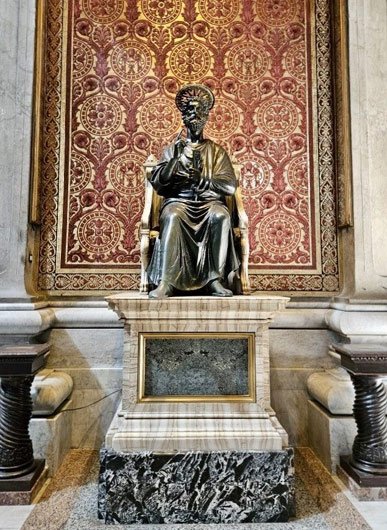
The Statue of Saint Peter, located in Saint Peter’s Basilica, stands at about 13 feet tall. Crafted by sculptor Arnolfo di Cambio in the 13th century, it depicts Saint Peter seated on a throne, symbolizing his role as the first pope.
Pilgrims often touch the statue’s foot, which has worn smooth over time, as an act of reverence. The statue’s intricate details and serene expression highlight the spiritual significance of Saint Peter in Christianity, attracting countless visitors seeking inspiration in this sacred space.
7. Habakkuk and the Angel – Bernini

Habakkuk and the Angel is a captivating statue created by Gian Lorenzo Bernini between 1656 and 1665.
This sculpture, which stands approximately 6.5 feet tall, portrays the biblical prophet Habakkuk in conversation with an angel.
Bernini masterfully captures the moment with intricate details, showcasing Habakkuk’s expressive face and the angel’s ethereal wings.
Located in the Church of Santa Maria sopra Minerva, this piece exemplifies Baroque artistry, blending emotion and movement, making it a significant highlight in Rome’s artistic landscape.
8. Fontana dei 4 Fiumi

Fontana dei 4 Fiumi, or Fountain of the Four Rivers, stands in Piazza Navona and showcases Baroque artistry at its finest. Designed by Gian Lorenzo Bernini, it was unveiled in 1651.
The fountain features four river gods, each representing a major river from different continents: the Ganges for Asia, the Rio de la Plata for the Americas, the Nile for Africa, and the Danube for Europe.
Each statue embodies unique characteristics that reflect their respective regions. The central obelisk rises 16.5 meters, adding to the fountain’s grandeur and making it a focal point for visitors.
9. Daniel and the Lion – Bernini

Bernini’s Daniel and the Lion, created between 1655 and 1660, captures the dramatic moment when Daniel is thrown into a den of lions.
The statue measures approximately 7.5 feet tall, showcasing Daniel’s calm demeanor amidst the ferocious lions.
Bernini’s exceptional talent is evident in the intricately detailed faces of the lions, emphasizing their power and ferocity.
Located in the Church of Santa Maria sopra Minerva, this work exemplifies the Baroque style, blending emotion with dynamic movement, making it a striking piece in Rome’s rich artistic tapestry.
10. Dying Gaul

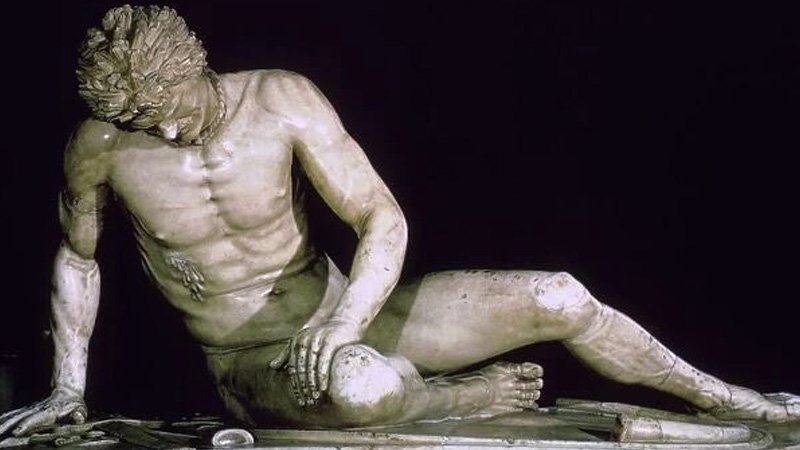
The Dying Gaul is a poignant ancient statue that represents a wounded Gallic warrior. Measuring about 3.4 feet tall, this marble masterpiece dates back to the 3rd century BC and exemplifies Hellenistic artistry.
The statue showcases the warrior’s physical torment, with a defeated but dignified expression, capturing the essence of tragedy.
Displayed in the Capitoline Museums, the Dying Gaul profoundly reflects themes of bravery and sacrifice, making it a significant work that continues to resonate with visitors exploring Rome’s rich historical narrative.


