The Netherlands holds a remarkable place in the art world, known for its rich history of painting that spans centuries.
From the intricate details of the Dutch Golden Age to the bold strokes of modernism, Dutch artists have consistently pushed the boundaries of creativity.
This small country has produced masterpieces that not only defined national identity but also influenced global art movements.
In this exploration of the ten most famous Dutch paintings, readers will encounter iconic works that showcase the unique styles and techniques of celebrated artists.
Each painting tells a story, reflecting the cultural and historical context of its time. Whether it’s the captivating light in Vermeer’s works or the dramatic contrasts in Rembrandt’s portraits, these masterpieces continue to resonate with audiences today.
Join in as we delve into the artistry and significance of these renowned pieces that have shaped the landscape of art history.
1. The Starry Night – Vincent van Gogh
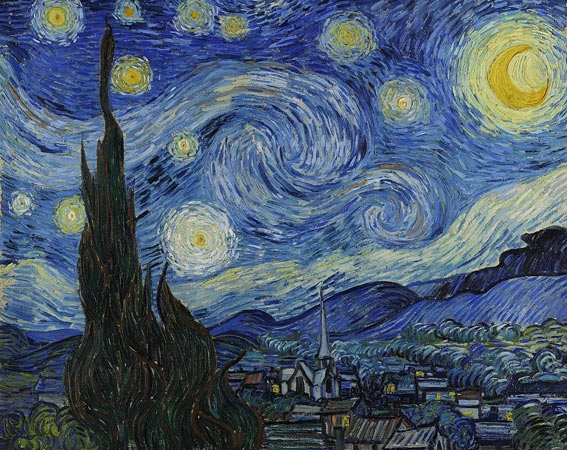
The Starry Night, painted in June 1889, is Vincent van Gogh’s most celebrated work. He created this iconic piece while staying at a mental hospital in Saint-Rémy-de-Provence, France.
The painting features a swirling night sky, illuminated by vibrant stars and a crescent moon, above a tranquil village. Van Gogh’s expressive brushstrokes convey his emotional turmoil and fascination with the night.
This masterpiece not only embodies the artist’s unique style but also reflects his internal struggles. Today, The Starry Night stands as one of the most reproduced paintings globally, celebrated for its beauty and emotional depth.
2. The Storm on the Sea of Galilee – Rembrandt van Rijn
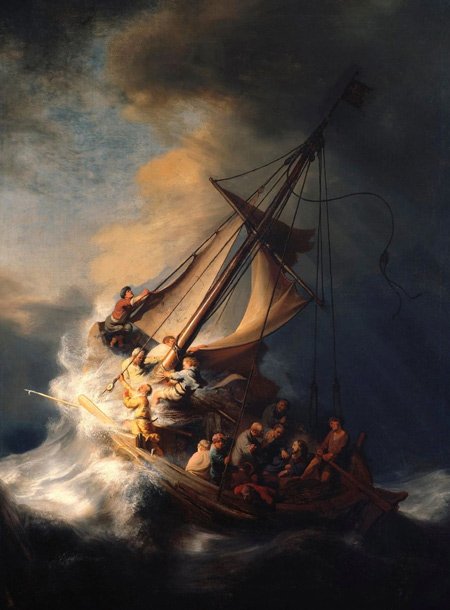
The Storm on the Sea of Galilee, painted in 1633, showcases Rembrandt’s extraordinary skill in portraying dramatic moments.
This seascape captures Jesus calming the storm, emphasizing the chaos among his disciples. The artwork, notable for its vertical composition, draws the viewer into a moment of intense emotion and turmoil.
Rembrandt’s masterful use of light highlights Christ’s calm amidst the chaos, a profound reflection of faith.
Tragically, the painting was stolen from the Isabella Stewart Gardner Museum in 1990 and remains missing, adding a layer of mystique to its legacy.
3. Girl with a Pearl Earring – Johannes Vermeer
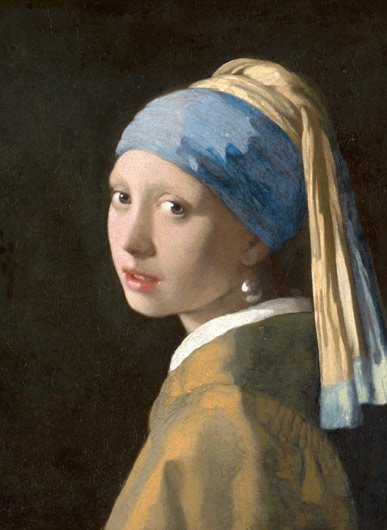
Johannes Vermeer’s Girl with a Pearl Earring, created around 1665, stands as one of the most famous paintings globally, often referred to as the “Mona Lisa of the North.”
This captivating piece illustrates a young girl in a turban, with her luminescent pearl earring catching the viewer’s eye.
Vermeer’s masterful technique uses just two strokes of white paint to craft the pearl, showcasing his skill in luminosity and detail.
The painting’s haunting gaze and intimate portrayal have sparked intrigue, leading to theories about the girl’s identity, ranging from a maid to one of Vermeer’s daughters.
4. The Laughing Cavalier – Frans Hals

Frans Hals painted The Laughing Cavalier circa 1624, showcasing a lively character with an enigmatic smile.
Depicted with a lavish costume and an intricately detailed collar, the sitter’s spirited expression reflects the confidence of the Dutch Golden Age.
Originally exhibited in 1872, this work, later dubbed by an exuberant curator, isn’t truly representative of an English Cavalier, but rather an unknown Dutchman, possibly a militia member, captivating audiences with its vibrant colors and dynamic brushwork, characteristic of Hals’ exceptional talent.
5. Netherlandish Proverbs – Pieter Bruegel the Elder

Pieter Bruegel the Elder’s Netherlandish Proverbs is a vibrant tapestry of over 100 Dutch and Flemish proverbs, intricately woven into a chaotic village scene.
Painted in the late 1550s, it showcases Bruegel’s mastery of storytelling through imagery, where each character embodies a saying.
The painting’s original title, The Blue Cloak or The Foolishness of the World, reflects its overarching theme of human folly.
Bruegel’s trademark blank faces capture ignorance, enhancing the work’s satirical nature. This masterpiece not only entertains but also offers a glimpse into the societal values of the time, making it an enduring symbol of Dutch art.
6. View of Haarlem with Bleaching Fields – Jacob van Ruisdael

Jacob van Ruisdael’s View of Haarlem with Bleaching Fields, painted around 1670, captures the essence of rural Dutch landscape.
It features a vast sky filled with dramatic cloud formations, reflecting Ruisdael’s mastery of atmospheric perspective.
The painting highlights the bleaching fields dotted with textiles, illustrating the region’s textile industry and economic activity. Haarlem’s iconic church, the Grote Kerk, stands prominently, serving as a cultural anchor.
This work not only showcases Ruisdael’s technical prowess but also offers a glimpse into the harmonious relationship between nature and industry in 17th-century Holland.
7. Self-portrait by Judith Leyster – Judith Leyster
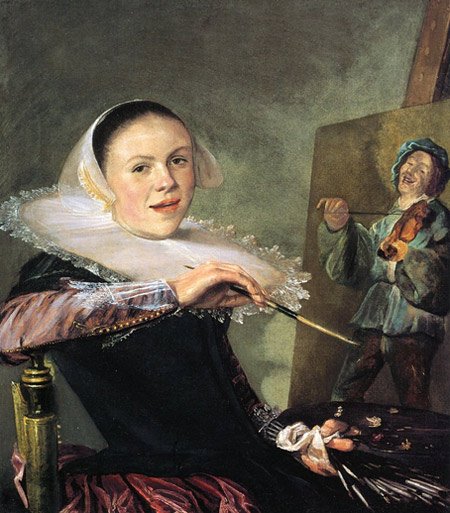
Judith Leyster’s Self-portrait, painted circa 1650, showcases her mastery and confidence as a female artist in a male-dominated world.
This vibrant work captures Leyster at easel, effortlessly blending her artistic talents with a sense of relaxed self-awareness. The lively use of color and light reflects her innovative approach, which treats subjects in a relaxed manner.
This piece stands as one of the few self-portraits by a female artist of its time, solidifying her legacy and influence in the Dutch Baroque movement. Leyster’s unique style and perspective continue to inspire art enthusiasts today.
8. River Landscape with Riders – Aelbert Cuyp
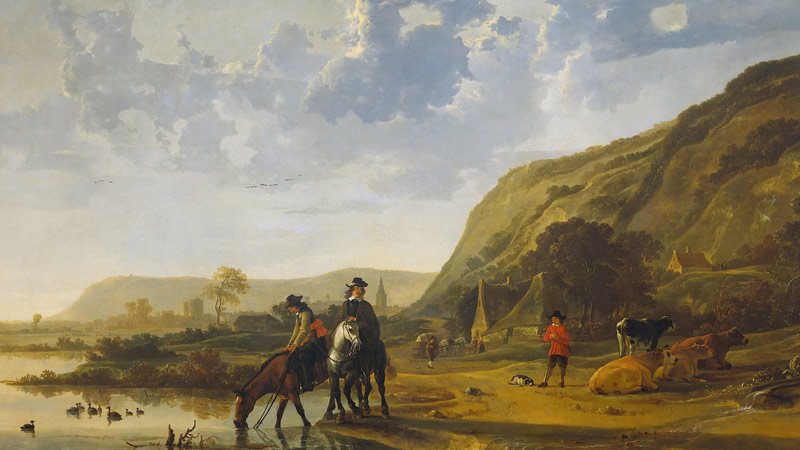
Aelbert Cuyp’s River Landscape with Riders showcases a serene pastoral scene painted around 1650. Cuyp masterfully captures the broad, sun-drenched river bordered by lush greenery.
The tranquil setting features two riders pausing alongside a shepherd and his sheep, creating a harmonious blend of human and nature.
The airy clouds painted in the background enhance the sense of peace, making this work a perfect example of Dutch landscape painting.
Cuyp’s technique emphasizes light and atmosphere, reflecting the beauty of the Dutch countryside during the Golden Age.
9. The Potato Eaters – Vincent van Gogh

Vincent van Gogh’s The Potato Eaters, painted in 1885, reflects the harsh realities of peasant life. This early work showcases a family gathered around a table, sharing a meager meal of potatoes in dim light.
Van Gogh emphasizes earthy tones and rough textures to convey their struggles, highlighting the dignity of labor. The expressions of the figures capture a sense of resilience despite adversity.
The painting is noted for its raw emotion, marking a significant exploration of social themes that would dominate Van Gogh’s later works.
10. The Happy Family – Jan Steen

The Happy Family, painted by Jan Steen around 1668, depicts a lively domestic scene bursting with humor and warmth.
The artwork features a crowded interior where family members engage in various activities, showcasing Steen’s masterful narrative style.
Children play, while adults enjoy a drink, reflecting the joyous chaos of family life. This piece symbolizes Steen’s belief that harmony exists even amidst disorder, making it a quintessential representation of Dutch genre painting.
The vibrant colors and intricate details invite viewers to immerse themselves in the spirited atmosphere of 17th-century Dutch households.