
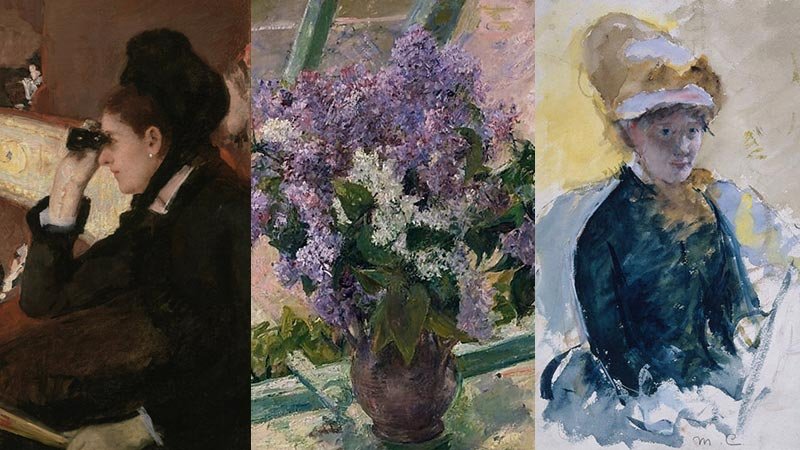
Mary Cassatt stands out as a pioneering figure in the Impressionist movement, uniquely blending her American roots with a bold artistic vision.
Renowned for her intimate depictions of women and children, Cassatt’s works capture the essence of everyday life in the late 19th century.
Her innovative use of color and composition, influenced by Japanese prints, pushed the boundaries of traditional painting, making her a significant contributor to the art world.
Among her masterpieces, ten paintings shine brightly, showcasing her extraordinary talent and emotional depth.
From the tender moments of motherhood to serene domestic scenes, these iconic artworks reveal Cassatt’s ability to convey profound narratives through her brushstrokes.
As we explore the ten most famous paintings by Mary Cassatt, we uncover the beauty and significance of her contributions to Impressionism and the lasting impact she has left on the art community.
1. The Child’s Bath
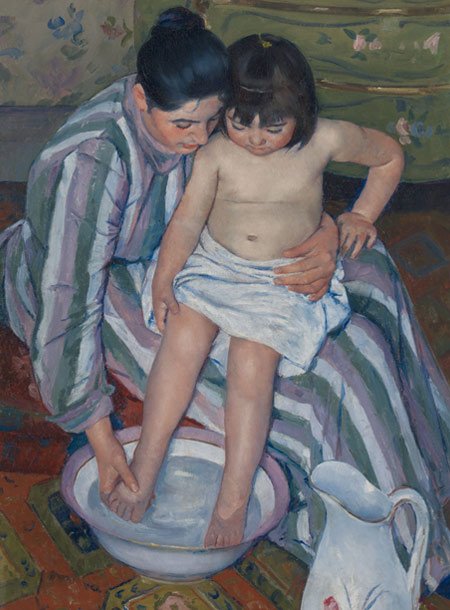
The Child’s Bath, painted in 1893, exemplifies Mary Cassatt’s focus on motherhood through intimate scenes. The artwork features a mother gently bathing her child, capturing a tender moment in everyday life.
Inspired by Japanese art, Cassatt used flattened planes and vibrant patterns to enhance the emotional depth.
This painting represents her skill in merging color and composition, making it a standout piece in her portfolio and a classic in Impressionist art.
2. Little Girl in a Blue Armchair

“Little Girl in a Blue Armchair,” painted in 1878, showcases Mary Cassatt’s exceptional talent. This artwork features a young girl lounging in a large blue armchair, conveying the naturalism of childhood.
Cassatt’s use of vibrant colors and dynamic brushstrokes creates a sense of depth. The interplay of light and shadow breathes life into the scene, while the composition cleverly centers the child, drawing viewers’ attention to her relaxed pose.
This painting reflects Cassatt’s mastery in merging Impressionist techniques with intimate subjects.
3. The Cup of Tea

The Cup of Tea, painted in 1883, captures a moment of afternoon leisure. The painting features a young woman, likely modeled after Cassatt’s sister Lydia, elegantly seated with a delicate china cup and saucer.
Cassatt’s use of light highlights the woman’s flouncy pink dress and bonnet, emphasizing her fashion. This work explores domestic life, showcasing the social rituals of women in the 19th century, while Cassatt’s soft brushstrokes enhance the intimate atmosphere.
4. Young Mother Sewing
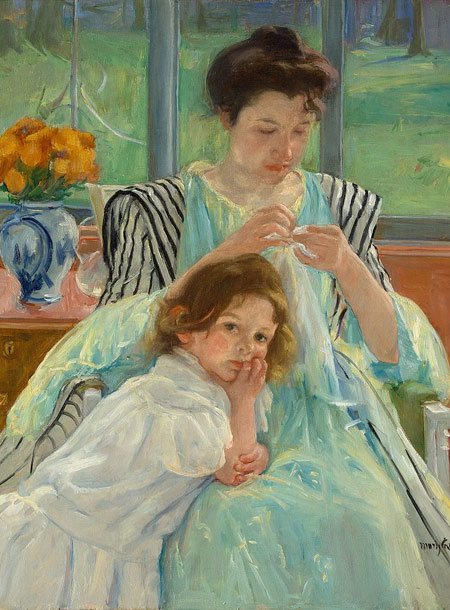
“Young Mother Sewing,” painted in 1900, depicts a serene moment between a mother and her child. The painting shows a young child resting on her lap, gazing into the distance, while the mother stitches quietly.
Cassatt’s use of light streaming through the window accentuates the intimate setting. The artist employed two models to bring this tender scene to life, showcasing her remarkable ability to capture the essence of motherhood with heartfelt emotion.
5. The Boating Party
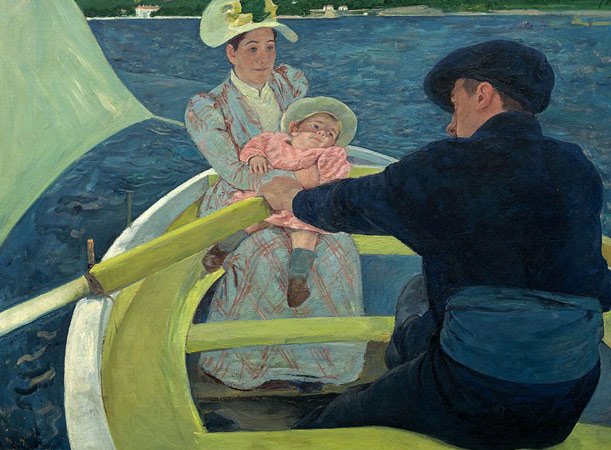
“The Boating Party,” created between 1893 and 1894, exemplifies Mary Cassatt’s Impressionist mastery. It features a woman and child enjoying a summer day on a boat, with a distant coastline enhancing the vibrant yellow hues.
Cassatt employs an overhead perspective, reminiscent of Japanese woodcuts, focusing on relationships within the scene.
The painting’s dynamic brushwork and interplay of light further highlight her innovative approach, making it a quintessential piece in the study of motherhood and familial bonds.
6. In the Loge

“In the Loge,” painted in 1878, is a striking representation of a poised woman at the theater, likely modeled after Cassatt’s sister Lydia.
Cassatt captures the lively atmosphere of the Comédie-Française, highlighting the elegance of 19th-century Parisian social life.
This oil on canvas, measuring 32 x 26 inches, showcases her mastery of light and color. Critics lauded this piece as a significant moment in Cassatt’s career, marking her as a vital figure in the Impressionist movement.
7. Girl Arranging Her Hair

Cassatt’s “Girl Arranging Her Hair,” painted in 1886, showcases a half-dressed woman before a mirror. She thoughtfully gazes down while capturing a moment of personal grooming.
Cassatt employs drypoint lines and aquatint techniques to emphasize the figure’s delicate features and patterns.
The vibrant colors reflect her influence from Japanese art, merging line and form to create a serene and intimate scene, further solidifying her place in Impressionist history.
8. Child in a Straw Hat
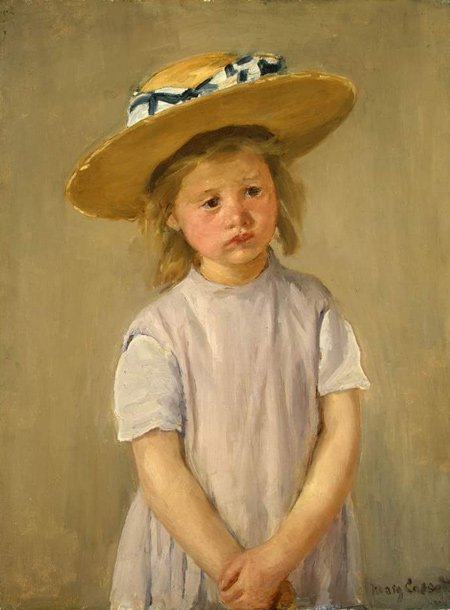
Cassatt’s “Child in a Straw Hat,” painted in 1892, showcases a young girl wearing a charming straw hat adorned with flowers.
This delightful piece captures the innocence of childhood, illustrating Cassatt’s skill in portraying intimate moments. The girl’s thoughtful expression invites viewers to connect with her inner world.
Cassatt’s vibrant palette and soft brushwork enhance the scene’s warmth, reflecting her unique ability to encapsulate everyday joys through her Impressionist lens.
9. Lilacs in a Window
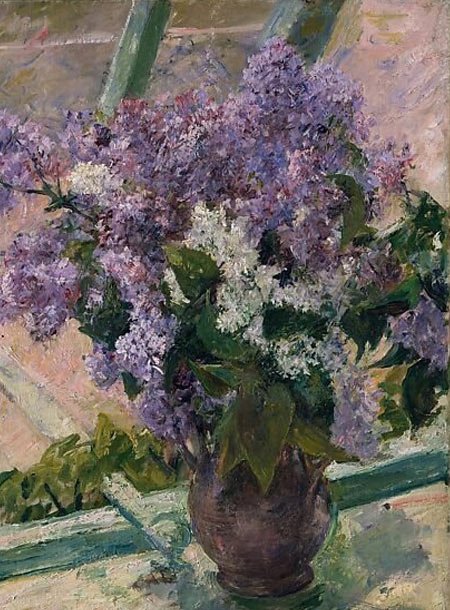
“Lilacs in a Window,” painted in 1880, showcases Cassatt’s masterful arrangement of color and light. The vibrant purple flowers spill out of a vase, creating a stunning focal point against the delicate background.
Cassatt’s loose brushstrokes invite a sense of movement, capturing the essence of the floral arrangement.
This work exemplifies her skill in blending everyday subjects with Impressionist techniques, emphasizing both the beauty of domestic life and the emotional connection to nature.
10. Self-Portrait
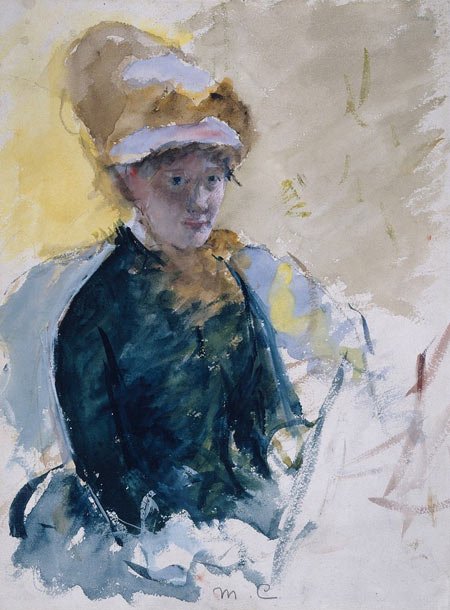
Self-Portrait, created around 1880, features Cassatt’s confident gaze and distinct style. Cassatt paints herself wearing a black dress, positioned against a dark background, drawing focus to her face.
This artwork exemplifies her mastery of color and light, capturing her inner spirit and ambition as a female artist in a male-dominated world.
The striking brushwork and emotional depth make this piece significant, honoring her journey within the Impressionist movement.


