

Parks have long served as a source of inspiration for artists, capturing the beauty and tranquility of nature in their works.
From the lush landscapes of Europe to the serene settings of America, these green spaces offer a canvas that resonates with both emotion and history.
It’s no wonder that some of the world’s most renowned painters have chosen to immortalize these scenes, creating masterpieces that invite viewers into their vibrant worlds.
In this exploration of the 10 most famous park paintings, readers will discover how these artists, like Georges Seurat and Camille Pissarro, brought their unique perspectives to life.
Each painting not only showcases the stunning scenery of its location but also reflects the artists’ deep connection to nature.
Join in on this artistic journey through time and space, celebrating the parks that continue to inspire creativity and admiration.
1. A Sunday Afternoon on the Island of La Grande Jatte – Georges Seurat
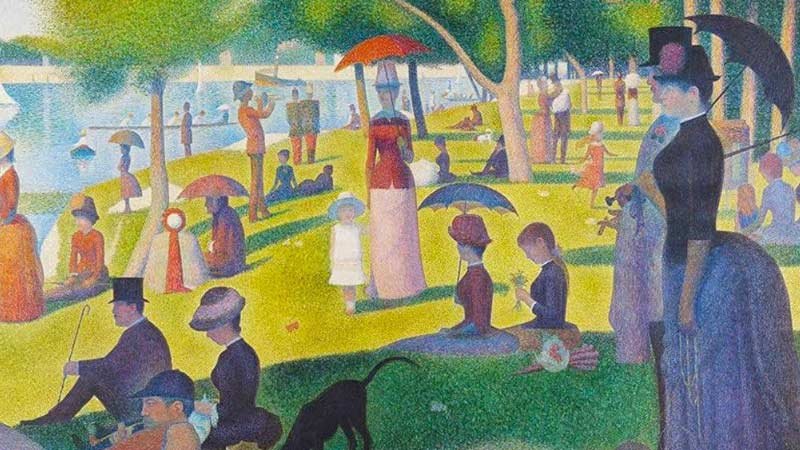
Georges Seurat created A Sunday Afternoon on the Island of La Grande Jatte between 1884 and 1886. This iconic painting exemplifies his innovative pointillist technique, using small dots of color to form a detailed image.
The artwork captures Parisians leisurely enjoying a sunny day at La Grande Jatte, highlighting the social dynamics of late 19th-century France.
Seurat’s meticulous application of color and light provides depth and vibrancy, drawing viewers into the scene. Today, this masterpiece is housed at the Art Institute of Chicago, where it continues to inspire admirers of art and culture alike.
2. Park Monceau, Paris – Claude Monet

Monet painted “Park Monceau” in 1876, shortly after the park opened to the public. He captured the essence of this picturesque location with vibrant colors and soft brush strokes.
The painting depicts the park’s serene paths lined with lush greenery, presenting a tranquil escape from the bustling city of Paris.
Monet’s unique perspective in this work highlights the park’s enchanting atmosphere, inviting viewers to immerse themselves in its beauty.
Park Monceau remains a testament to Monet’s love for nature and his innovative approach to landscape painting, emblematic of the Impressionist movement.
3. Hyde Park – Camille Pissarro

Pissarro’s “Hyde Park,” completed in 1890, vividly captures London’s iconic green space during autumn. He masterfully depicts the park’s vibrant foliage and the interplay of light filtering through the trees.
Pissarro’s brushwork conveys a sense of movement and life, drawing viewers into the scene. His choice of subject reflects his deep appreciation for nature, showcasing the serene beauty of Hyde Park.
Pissarro’s artwork not only represents a specific moment in time but also emphasizes the tranquil escape these urban parks provide, making it a timeless masterpiece in art history.
4. In St Cloud Park – Pierre-Auguste Renoir

Renoir painted “In St Cloud Park” in 1866, showcasing a serene view of what would later become the Parc de Saint-Cloud near Paris.
He emphasized the lush greenery and the tranquility of the setting, capturing the essence of mid-19th century French life.
The artwork features soft brush strokes and vibrant colors that bring the park to life, inviting viewers to experience its beauty.
Renoir’s affinity for nature shines through, illustrating the park as a peaceful retreat for Parisians. This painting remains a significant example of the Impressionist movement’s celebration of everyday landscapes.
5. Hyde Park, London – Camille Pissarro

Pissarro’s “Hyde Park,” completed in 1890, showcases London’s iconic green space in vibrant autumn hues. Pissarro captures the park’s lively atmosphere, emphasizing the brilliant foliage and dynamic interplay of light through the trees.
He effectively communicates a sense of movement, drawing viewers into the tranquil scene. His choice of Hyde Park reflects his deep appreciation for nature, presenting it as a peaceful retreat amid the urban hustle.
This masterpiece remains an enduring testament to the beauty and inspiration parks provide to artists and art lovers alike.
6. Avenue in the Park – Vincent van Gogh

Vincent van Gogh’s “Avenue in the Park,” completed in 1888, captures the vibrant essence of nature found in the parks around Arles, France.
This artwork showcases vivid greens and yellows, emphasizing the dynamic interplay of light and shadow. Van Gogh skillfully portrays a winding path, inviting viewers to stroll through the scene.
His use of bold brush strokes and unique color palettes reflects his emotional connection to the landscape, elevating the park’s serene beauty.
This piece stands as a testament to van Gogh’s mastery and his deep appreciation for the natural world.
7. The Park – Gustav Klimt

Klimt’s “The Park,” completed in 1910, captures the essence of nature with its unique composition. Klimt emphasizes towering trees, creating an immersive green canopy that invites viewers into the serene environment.
The deep green hues and bright yellow accents highlight his skill in portraying natural beauty. Klimt’s focus on the interplay of light and shadow enhances the park’s enchanting atmosphere, showcasing a masterful blend of landscape and abstraction.
This painting reflects his affection for outdoor scenes, offering a captivating glimpse into his artistic vision of tranquility in nature.
8. Spring in Central Park – Childe Hassam

Hassam’s “Spring in Central Park,” completed in 1898, beautifully captures the essence of a bustling New York park during the vibrant spring season.
It centers on a mother and her two daughters, symbolizing familial connection amidst nature’s beauty. The artist employs soft brush strokes and a lively palette, portraying the park’s blooming flowers and lush greenery.
Hassam’s skillful use of light creates a sense of movement, drawing viewers into the tranquil yet dynamic atmosphere of Central Park. His work stands as a testament to the allure of urban green spaces and the joy they bring to life.
9. A City Park – William Merritt Chase

William Merritt Chase’s “A City Park,” painted in 1887, showcases a woman elegantly seated on a park bench amidst a backdrop of nature’s splendor.
Chase’s masterful use of color and light contrast captures the serene beauty of the park, inviting viewers into the tranquil scene. The painting reflects the charm of urban parks, emphasizing their role as retreats from city life.
His impressionistic style resonates with emotion, highlighting how parks serve as idyllic settings for relaxation and contemplation. This work exemplifies Chase’s deep appreciation for the interplay between people and nature.
10. In Central Park New York – Maurice Prendergast

Maurice Prendergast’s “In Central Park New York,” painted in 1901, vividly captures the lively atmosphere of one of the world’s most famous parks.
Prendergast employs watercolor and monotype techniques, differentiating his style from contemporaries.
He depicts park visitors engaged in leisure activities, showcasing a vibrant tapestry of people walking, sitting, and enjoying the scenery.
The artwork reflects the bustling charm of Central Park, emphasizing the social dynamics of urban life. Through his unique medium, Prendergast invites viewers to experience the park’s beauty and the joy it brings to its visitors.


