The Victorian era, spanning from 1837 to 1901, was a time of remarkable artistic evolution in the United Kingdom. This period witnessed the rise of iconic artists like John Everett Millais and Dante Gabriel Rossetti, whose works continue to influence art today.
With a focus on realism and emotional depth, Victorian paintings often depicted portraits, historical scenes, and religious themes, capturing the spirit of their time.
Among the myriad of stunning artworks, some stand out as timeless masterpieces. These ten famous Victorian paintings showcase the skill and creativity of their creators, offering a glimpse into a world filled with beauty and complexity.
From meticulous details to bold narratives, each piece tells a story that resonates with viewers across generations. Dive into this exploration of the most celebrated Victorian paintings and discover the artistry that shaped an era.
1. Ophelia – John Everett Millais
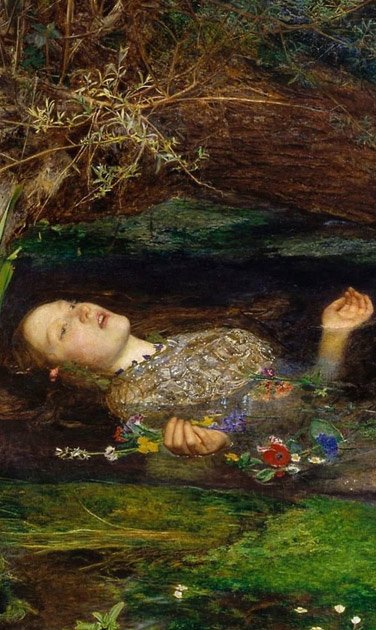
“Ophelia,” painted by John Everett Millais between 1851 and 1852, depicts the tragic drowning of Shakespeare’s character from “Hamlet.”
Millais intricately captures the scene’s emotional depth, showcasing Ophelia surrounded by delicate flowers, each symbolizing various themes such as love and innocence.
The artist worked outdoors by the Hogsmill River to achieve remarkable detail in the flora, while Ophelia’s figure was painted in his London studio.
This masterpiece is celebrated for its beauty and profound impact on later artists, establishing its significance in Victorian art history.
2. The Scapegoat – William Holman Hunt
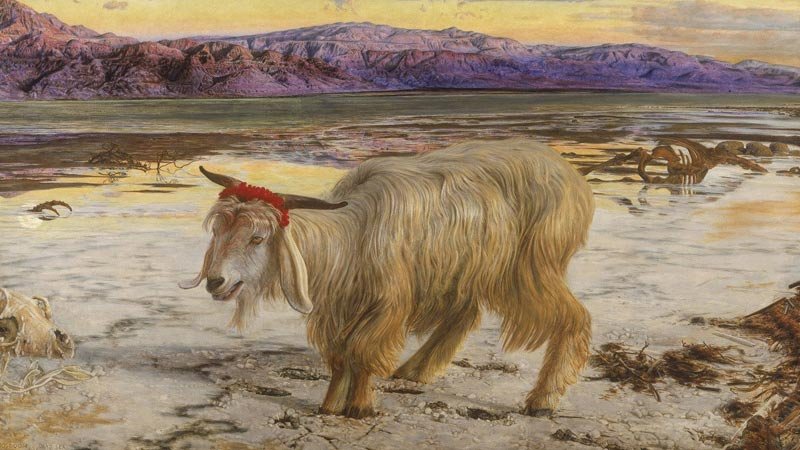
William Holman Hunt painted “The Scapegoat” between 1854 and 1856. The artwork portrays a goat with red cloth wrapped around its horns, symbolizing human sin, set against a dramatic backdrop of mountains and water.
Hunt began this piece in the Holy Land before completing it in his London studio. Two versions exist: a smaller, vibrant piece at Manchester Art Gallery featuring a dark-haired goat and a larger, muted rendition at Lady Lever Art Gallery with a light-haired goat.
Each version serves as a powerful reflection of Hunt’s artistic journey and the deeper themes of atonement expressed in the painting.
3. Flaming June – Frederic Leighton
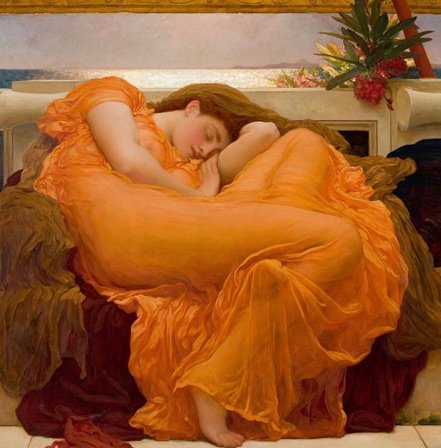
Frederic Leighton’s “Flaming June,” painted in 1895, stands as a pinnacle of Victorian art. It showcases an elegantly draped woman, embodying tranquility and beauty against a vivid background.
The 47-by-47-inch masterpiece excels with its use of color and dynamic composition. Leighton draws inspiration from Greco-Roman representations of sleeping nymphs.
Rediscovered in the 1960s after vanishing for decades, it now resides proudly in the Museo de Arte de Ponce, Puerto Rico, cementing its status as an iconic Victorian masterpiece.
4. Lady Agnew of Lochnaw – John Singer Sargent
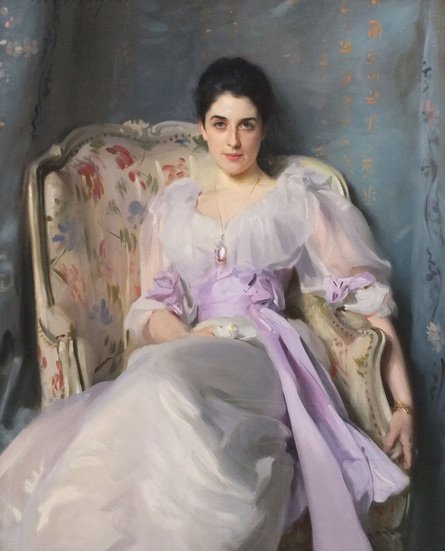
Lady Agnew of Lochnaw, painted in 1892 by John Singer Sargent, exemplifies the boldness of Victorian portraiture.
It features Gertrude Vernon, who exudes confidence through her direct gaze, a departure from typical styles of the time. Sargent’s sweeping brushstrokes and soft color palette give the painting a fluid aesthetic.
Lady Agnew’s relaxed posture, dressed in a white gown with a lavender sash, enhances the intimate ambiance.
The blue Chinese silk backdrop adds depth, solidifying Sargent’s reputation as a leading artist in late 19th-century England.
5. The Roses of Heliogabalus – Lawrence Alma-Tadema
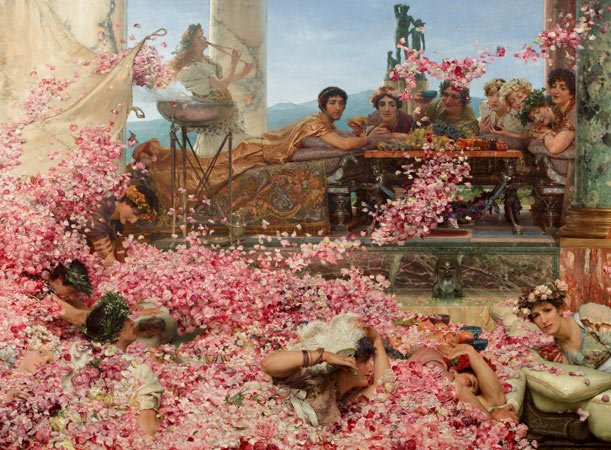
Alma-Tadema’s The Roses of Heliogabalus, painted in 1888, vividly captures the opulence of a Roman feast. It depicts Emperor Elagabalus hosting a lavish dinner, with guests showered in cascades of pink rose petals.
The emperor, adorned in a golden silk garment and a tiara, observes the scene from an elevated stage. This artwork exemplifies Alma-Tadema’s attention to detail, with meticulous textures and lifelike colors enhancing the splendid atmosphere of decadence.
The painting immerses viewers in a moment of extravagant indulgence, reflecting both artistic brilliance and historical narrative.
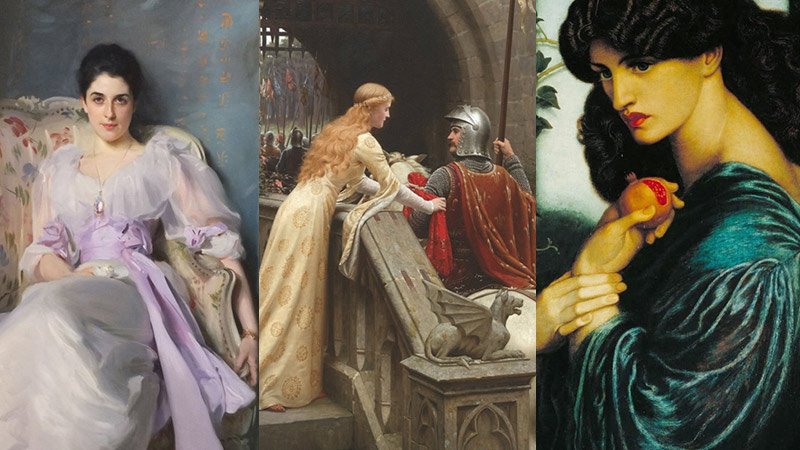
6. God Speed – Edmund Leighton

Edmund Leighton’s God Speed, painted in 1900, portrays a noble knight departing for battle, leaving behind his beloved.
The artwork emphasizes themes of chivalry and sacrifice, showcasing the knight in intricately detailed armor with a heartfelt glance back at his sweetheart.
Leighton’s careful brushwork highlights both the emotion of the moment and the lush landscape surrounding them.
This piece stands out among his numerous chivalric paintings, resonating with viewers for its romantic depiction of love and duty while solidifying Leighton’s legacy in Victorian art.
7. Christ in the House of His Parents – John Everett Millais
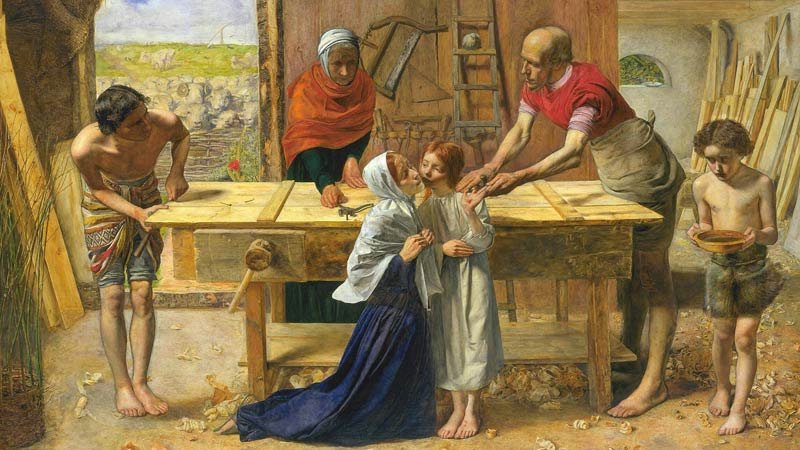
Millais painted “Christ in the House of His Parents” from 1849 to 1850, capturing the Holy Family in a carpenter’s workshop.
The portrayal of a young Christ, revealing a wound to Saint Joseph, challenges traditional depictions of biblical figures.
Critics initially reacted with horror, disapproving of the realistic portrayal of common people in humble surroundings.
This artwork notably sparked fame for the Pre-Raphaelite Brotherhood, emphasizing realism and emotionally charged details, which became fundamental to Victorian art’s development. Millais’s careful attention to composition and detail set this piece apart in the art world.
8. The Lady of Shalott – John William Waterhouse
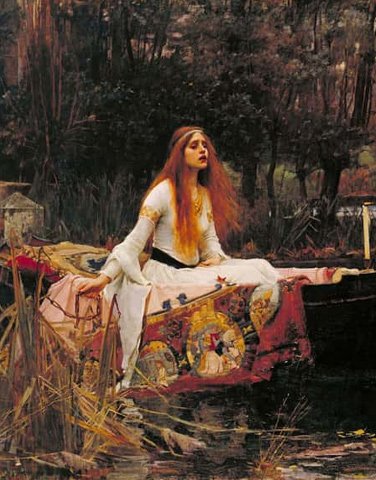
Depicting the climax of Alfred Lord Tennyson’s 1832 poem, “The Lady of Shalott,” this 1888 painting illustrates a tragic tale rooted in Arthurian legend.
Waterhouse portrays the Lady, cursed to view the outside world solely through a mirror, longing for Sir Lancelot. Upon seeing him, she defies her curse and gazes out the window, leading to her demise.
This artwork exemplifies Waterhouse’s mastery of color and detail, echoing the Pre-Raphaelite style and leaving a lasting impact on Victorian art.
9. Proserpine – Dante Gabriel Rossetti

Dante Gabriel Rossetti painted “Proserpine” in 1874, showcasing his signature Pre-Raphaelite style. This piece features Proserpina, the daughter of Ceres, who spends half the year in the Underworld due to eating pomegranate seeds.
Rossetti created eight versions, with the final one crafted just before his death in 1882. He depicts Proserpina’s beauty with delicate features and rich raven hair, while conveying a deep emotional connection to her plight.
The lush colors and intricate details enhance the painting’s allure, making it a celebrated icon of Victorian art.
10. The Hireling Shepherd – William Holman Hunt
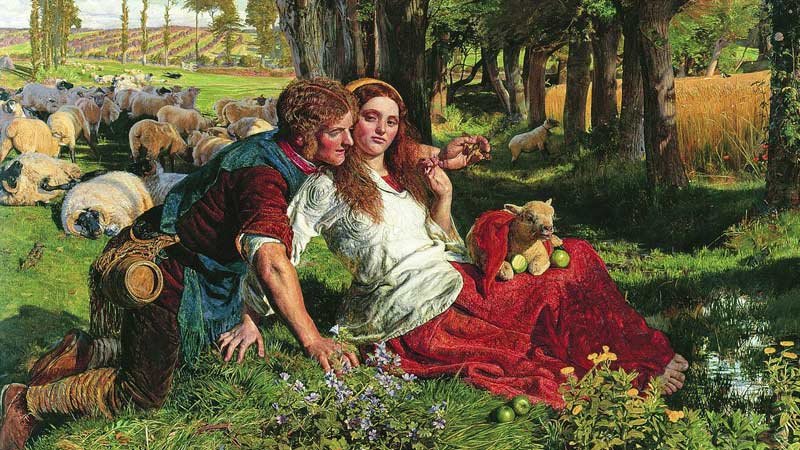
William Holman Hunt’s “The Hireling Shepherd,” painted in 1851, captures a poignant moment between two figures in a pastoral setting.
It depicts a shepherd who neglects his duties, entranced by a young woman, symbolizing the loss of responsibility.
The detailed landscape enhances the narrative, showcasing Hunt’s signature attention to realism. Critics have praised the painting for its vivid colors and emotional depth, making it a notable example of Victorian art.
Featured in various exhibitions, this piece continues to resonate with audiences, illustrating Hunt’s exploration of human relationships and morality.