Along the Seine, the Musée d’Orsay stands as a beacon of Impressionist art, showcasing a rich collection that captivates visitors from around the world.
Housed in a stunning former railway station, this museum is a treasure trove of masterpieces that reflect the vibrancy of 19th-century Parisian life.
With works from renowned artists like Monet, Caillebotte, and Van Gogh, it’s a must-visit for art enthusiasts.
Whether it’s the play of light on wet cobblestones or the intimate moments of daily life, these artworks offer a glimpse into an extraordinary era of creativity and innovation.
1. Bal du Moulin de la Galette – Pierre-Auguste Renoir

Bal du Moulin de la Galette captures a lively Parisian dance scene, showcasing Renoir’s mastery of light and movement.
Painted in 1876, this masterpiece presents friends enjoying an afternoon at the Moulin de la Galette, a popular dance hall in Montmartre.
Vibrant colors and dynamic brushstrokes convey the exuberance of the moment, while the play of sunlight filtering through trees adds warmth to the atmosphere.
Renoir’s ability to portray joyful interactions among the subjects highlights the carefree spirit of 19th-century Paris, making this painting a quintessential example of Impressionist art at the Musée d’Orsay.
2. Olympia – Edouard Manet
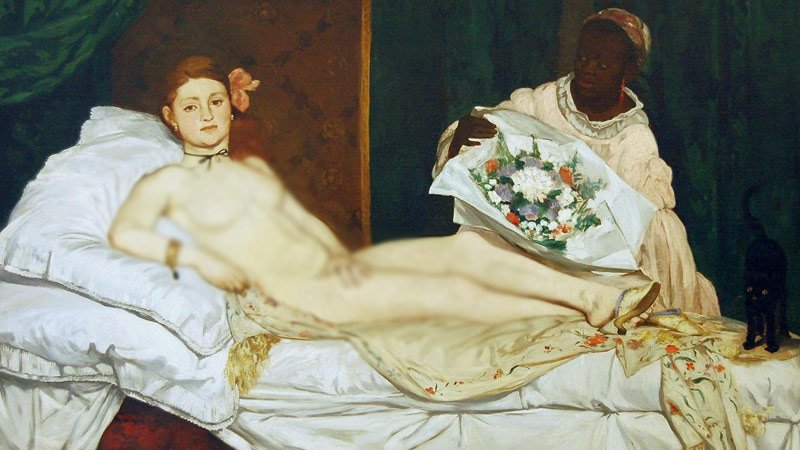
Edouard Manet’s “Olympia,” painted in 1863, shocked viewers with its bold depiction of a nude woman confronting the audience directly.
Unlike traditional nudes, Olympia reflects a real woman—a confident prostitute unapologetic in her nudity. Her gaze challenges societal norms of femininity and beauty, igniting debates about female representation in art.
The work’s loose brushstrokes and unconventional composition reflect Manet’s break from classical aesthetics, signaling the transition between Realism and Impressionism.
Olympia remains a cornerstone of modern art, representing both artistic innovation and social commentary.
3. Self-Portrait (1889) – Vincent van Gogh
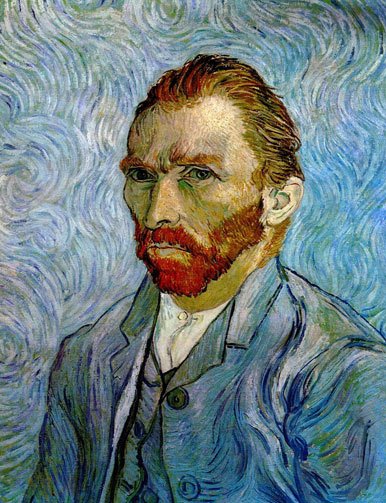
Self-Portrait, created in 1889, showcases Vincent van Gogh’s emotional depth and artistic evolution.
Painted during his stay at the Saint-Paul-de-Mausole asylum in Saint-Rémy-de-Provence, this piece reflects his tumultuous mental state.
The portrait features striking colors and bold brushstrokes, revealing van Gogh’s unique style and personality. His intense gaze and the swirling background convey a sense of introspection and vulnerability.
This self-portrait stands as a testament to his introspective journey, capturing the essence of a legendary artist grappling with his inner demons.
4. London, Houses of Parliament – Claude Monet
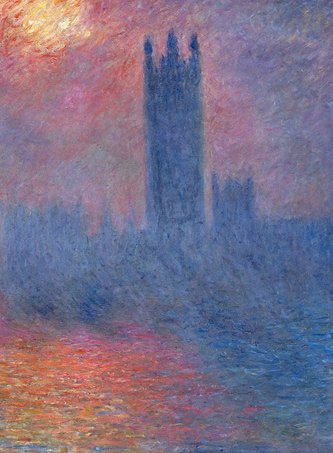
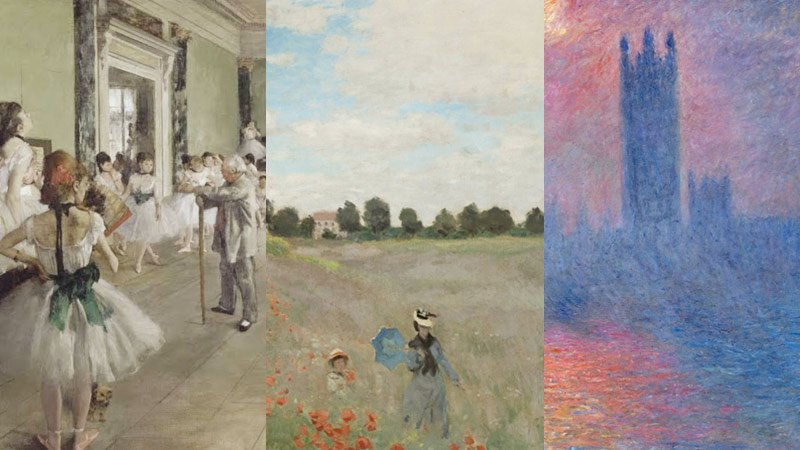
Monet’s “London, Houses of Parliament” exemplifies his Impressionist technique, showcasing his fascination with light and atmosphere.
Painted during visits to London, it captures the iconic structure shrouded in a hazy ambiance. Monet employs a palette of understated reds and oranges, contrasting them against darker blues to evoke the fleeting nature of sunlight piercing through mist.
The composition highlights both the grandeur of the Parliament buildings and the ephemeral beauty of the moment, revealing Monet’s profound ability to depict the world beyond the limits of photography.
5. The Cardplayers – Paul Cézanne
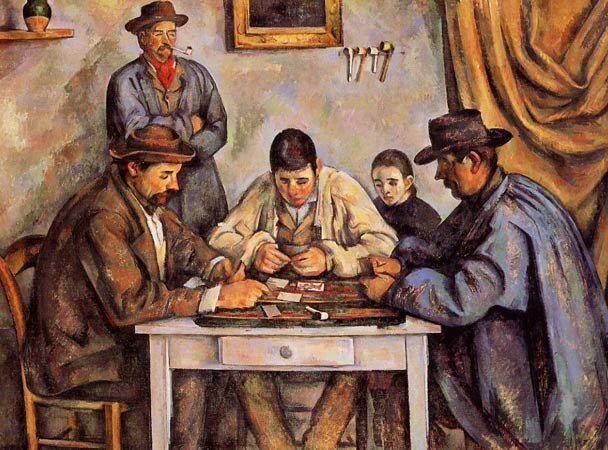
Cézanne’s “The Cardplayers,” painted in the early 1890s, stands as a cornerstone of Post-Impressionism.
This artwork depicts peasants engaged in a quiet game of cards, showcasing their solemn expressions and leisurely interactions.
Cézanne uses broad brushstrokes and a warm color palette, primarily earthy tones like oranges and browns, to convey the harmony of provincial life.
The central bottle on the table serves as a focal point, accentuating the tension between the players, while the symmetrical composition reflects Cézanne’s mastery in balancing form and emotion, making it a must-see in the Musée d’Orsay.
6. Le Déjeuner Sur l’Herbe – Edouard Manet
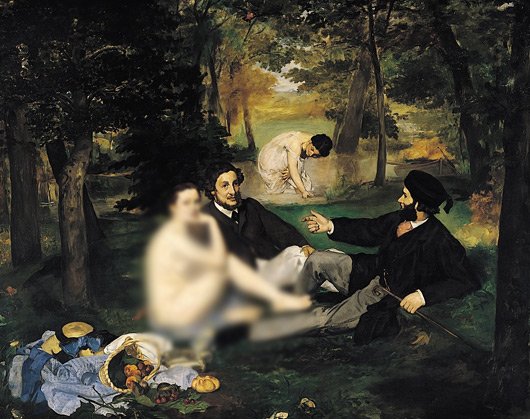
Manet’s “Le Déjeuner Sur l’Herbe,” painted in 1863, remains a revolutionary piece in art history. The bold composition features a naked woman seated next to two fully dressed men, challenging traditional depictions of the female form.
The model’s direct gaze invites viewers to confront societal norms regarding nudity and modern life. Critics initially deemed it obscene due to its loose brushwork and unconventional perspective, marking a significant departure from academic art.
This work symbolizes Manet’s pivotal role in the transition from Realism to Impressionism, establishing a new artistic vocabulary.
7. Starry Night Over the Rhône – Vincent van Gogh
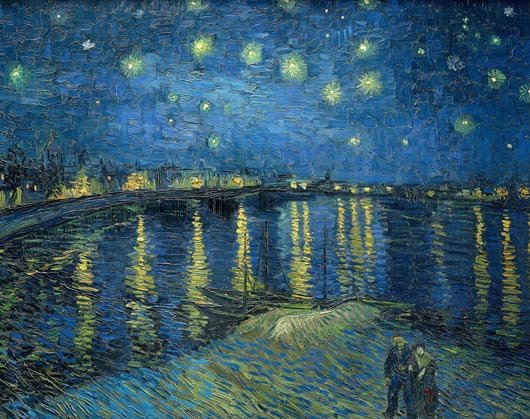
Vincent van Gogh painted “Starry Night Over the Rhône” in 1888 during his time in Arles, capturing the shimmering night sky over the Rhône River.
The artwork features vibrant blues and striking yellows as stars twinkle against the darkened backdrop. Van Gogh’s brushwork evokes movement, emphasizing the contrast between the calm water and the lively celestial scene.
The painting’s composition harmonizes the city’s lights with the starry sky, showcasing van Gogh’s fascination with night effects. This masterpiece illustrates his emotional connection to nature, making it a highlight at the Musée d’Orsay.
8. The Gleaners – Jean-François Millet
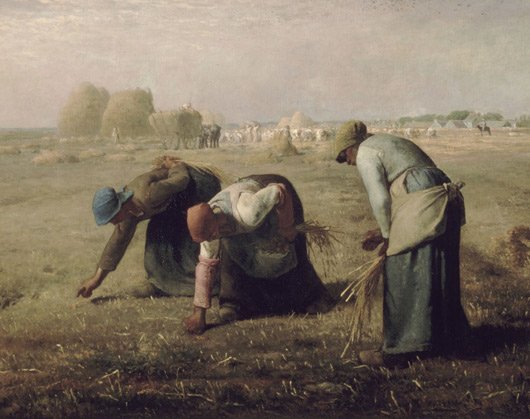
Millet’s “The Gleaners,” painted in 1857, showcases three peasant women collecting leftover grains after the harvest.
The figures appear strong yet humble, conveying the dignity of labor. Millet uses earthy tones and soft brushstrokes to depict their toil against a vast field, emphasizing their connection to the land.
This artwork challenges perceptions of poverty, celebrating resilience and community. The composition invites viewers to appreciate the beauty in simplicity, making it a significant representation of 19th-century realism at the Musée d’Orsay.
9. The Ballet Class – Edgar Degas
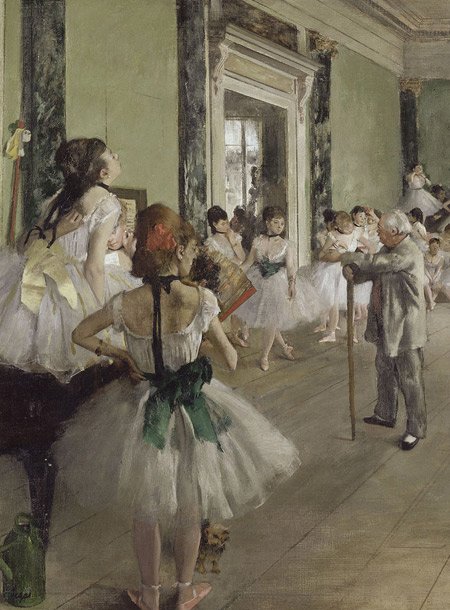
“The Ballet Class,” painted in 1874 by Edgar Degas, beautifully captures the grace and discipline of ballet training. The artwork features dancers in various poses, showcasing their soft tutus and delicate movements.
Degas employs subtle colors and masterful brushwork to convey the atmosphere of the Paris Opera. The composition focuses on a central figure, demonstrating the elegance of ballet alongside the attentive teacher.
This piece exemplifies Degas’s fascination with movement and light, making it a must-see at the Musée d’Orsay for art lovers and ballet enthusiasts alike.
10. Coquelicots – Claude Monet
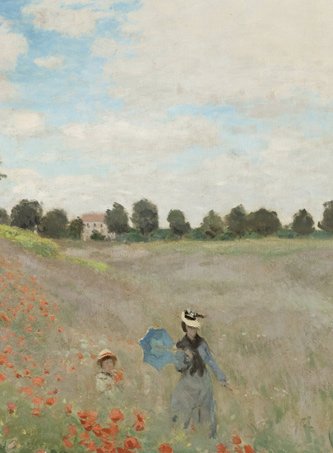
Monet’s “Coquelicots,” painted in 1873, captures a vibrant field of poppies swaying gently in the breeze. The artwork showcases his trademark light handling, with dazzling reds contrasting against lush greens.
Monet’s loose brushwork invites viewers into a serene summer landscape, evoking feelings of tranquility and joy. The painting also features a distant figure strolling through the flowers, adding a sense of scale and intimacy.
As a hallmark of Impressionism, “Coquelicots” exemplifies Monet’s ability to celebrate the beauty of nature in its simplest form, making it a must-see at the Musée d’Orsay.