
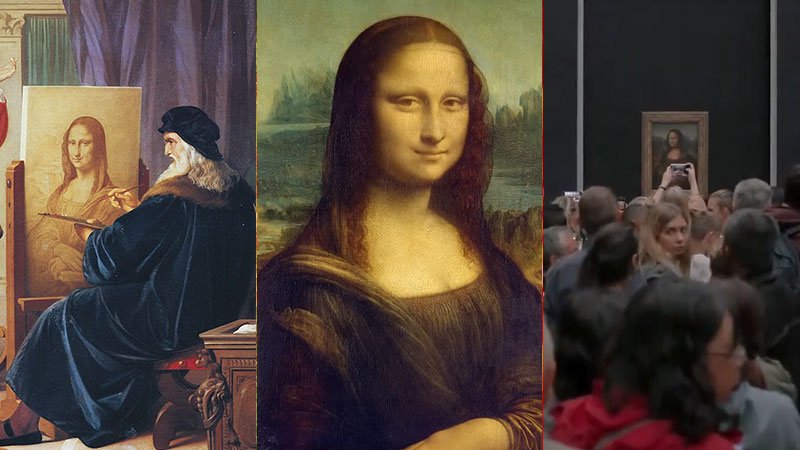
The Mona Lisa, painted by Leonardo da Vinci, stands as a timeless symbol of art and mystery. This iconic portrait, created in the early 16th century, captures the imagination of millions with its enigmatic smile and captivating gaze.
Beyond its aesthetic allure, the painting holds a treasure trove of fascinating facts that reveal its intriguing history and cultural significance.
From its unexpected dimensions to its infamous theft, the story of the Mona Lisa is as layered as da Vinci’s masterful brushwork.
Art enthusiasts and casual observers alike continue to be drawn to this masterpiece, sparking debates and inspiring countless reproductions.
Join in as we explore 15 captivating facts about the Mona Lisa that highlight why this painting remains a subject of fascination and admiration across the globe.
1. The painting is also known as La Gioconda
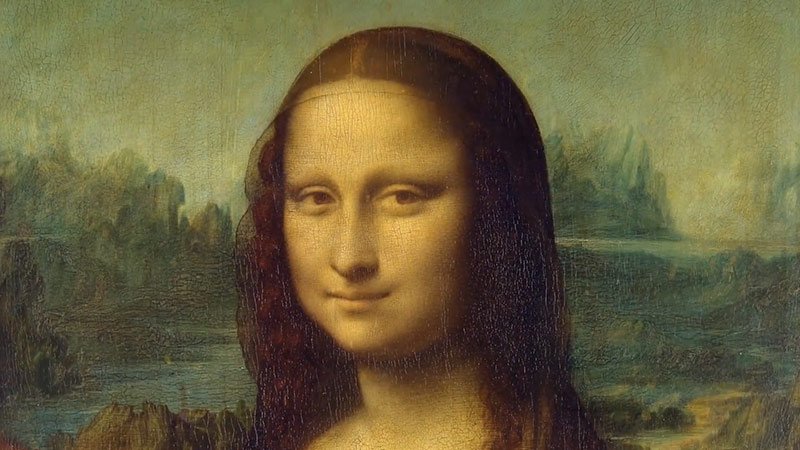
The Mona Lisa’s real name, La Gioconda, translates to “the jovial woman” in Italian. This title celebrates the subject’s expression, often interpreted as a subtle smile.
La Gioconda refers to Lisa Gherardini, the wife of Florentine merchant Francesco del Giocondo, linking the painting’s alternative name to its subject’s identity.
2. Leonardo da Vinci paintd the Mona Lisa between 1503 and 1506
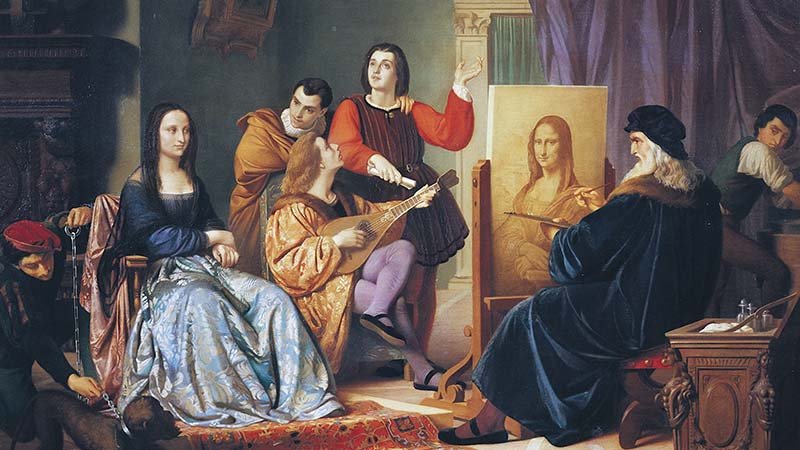
Leonardo da Vinci started painting the Mona Lisa around 1503, completing it by 1506. He meticulously employed techniques like sfumato, blending colors to create lifelike depth.
Da Vinci’s process was slower than usual, as he often revisited and refined his work. This lengthy creation period allowed him to capture intricate expressions and stunning detail, solidifying the painting’s status as a masterpiece.
3. The painting is believed to have been commissioned by Francesco del Giocondo
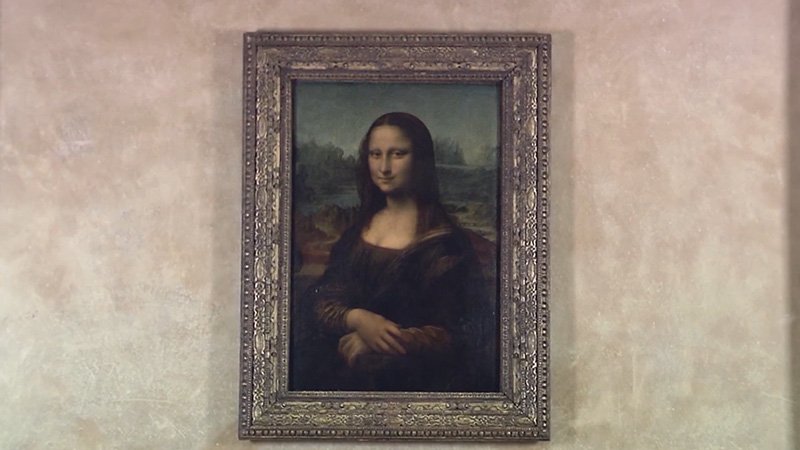
Francesco del Giocondo, a wealthy silk merchant, is thought to have commissioned the Mona Lisa. This order came around 1503 as a celebration for the birth of his second son, a common practice among affluent families during the Renaissance.
Although Francesco commissioned the work, Leonardo never delivered it to him, choosing instead to hold onto it until his passing in 1519.
4. The Mona Lisa is painted on a poplar wood panel
The Mona Lisa is crafted on a poplar wood panel, a choice that reflects the artist’s innovative approach. Poplar wood was favored in the Renaissance due to its smooth surface, ideal for detailed work.
This material contributes to the painting’s durability, allowing it to withstand centuries of admiration and scrutiny. The selection of poplar enhances the artwork’s subtle beauty and rich texture.
5. The painting is relatively small
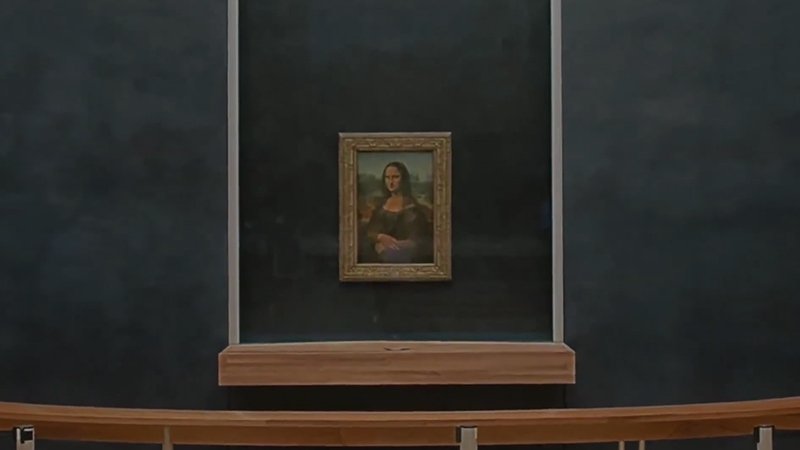
The Mona Lisa measures just 30 inches by 21 inches, which is smaller than many expect from such a renowned work.
Its compact size makes it easy to overlook among larger pieces in the Louvre. Despite its modest dimensions, the painting’s intricate details and captivating expression reveal da Vinci’s masterful technique, proving that great artistry doesn’t require grand scale.
6. The Mona Lisa is known for her enigmatic smile
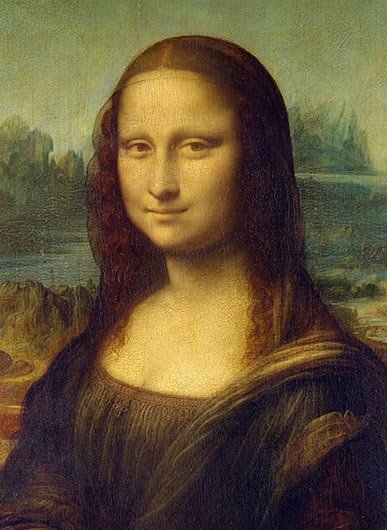
The Mona Lisa’s smile has captivated viewers for centuries. The subtle expression appears to change depending on the viewer’s angle, creating an aura of mystery.
Leonardo da Vinci expertly employed the sfumato technique, blending colors to produce depth and softness.
This mastery of light and shadow enhances her smile, prompting endless interpretations and theories about its true meaning.
7. The painting was stolen from the Louvre in 1911
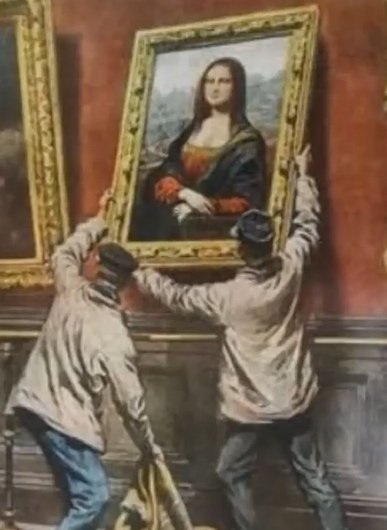
The Mona Lisa was stolen in August 1911 by Vincenzo Peruggia, an Italian handyman. He believed the painting should return to Italy and took it unnoticed from the Louvre.
After hiding it for two years, he was caught trying to sell it in Florence. This sensational theft transformed the artwork into a global icon, drawing massive public attention and intrigue.
8. The Mona Lisa was once owned by King Francis I of France
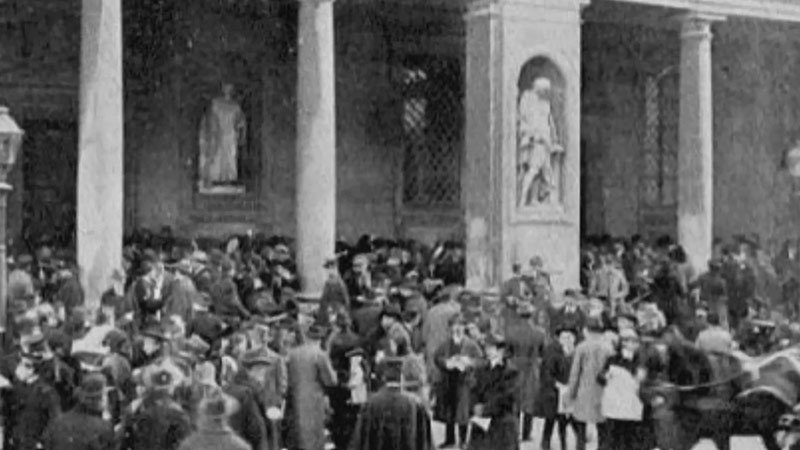
King Francis I of France acquired the Mona Lisa from Leonardo da Vinci shortly after the artist’s death in 1519. He displayed the painting in the Palace of Fontainebleau, showcasing its beauty in a lavish bathroom adorned with art.
Later, Louis XIV moved it to the Palace of Versailles, where it remained until the French Revolution. The painting’s royal lineage reflects its significance in French history.
9. The painting has been damaged several times over the years
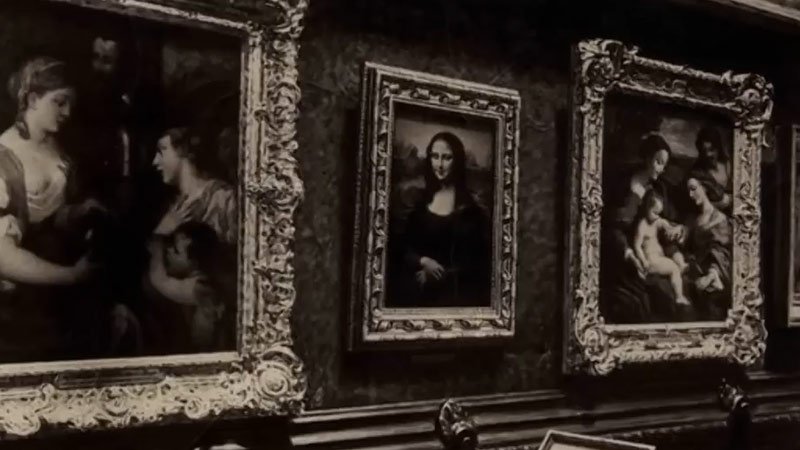
The Mona Lisa has faced numerous attacks throughout its history. In 1956, a man threw acid at the painting, and later that same year, another person hurled a rock, both resulting in minor damage.
In 1974, a woman sprayed red paint on it during an exhibition in Tokyo. Also, in 2009, a Russian woman threw a teacup at the artwork, demonstrating its vulnerability despite security measures.
10. The Mona Lisa has been exhibited in several countries
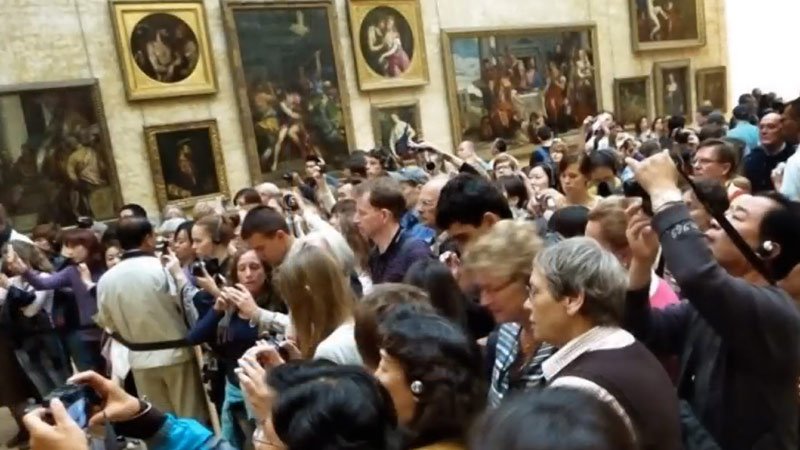
The Mona Lisa has traveled beyond France to captivate audiences worldwide. It was famously exhibited in the United States at the Metropolitan Museum of Art in 1963 and again at the National Gallery of Art in 2018.
It also visited Japan in 1974, where it attracted massive crowds. Such exhibitions highlight the painting’s global appeal and significance in the art world.
11. It is valued at an estimated $800 million
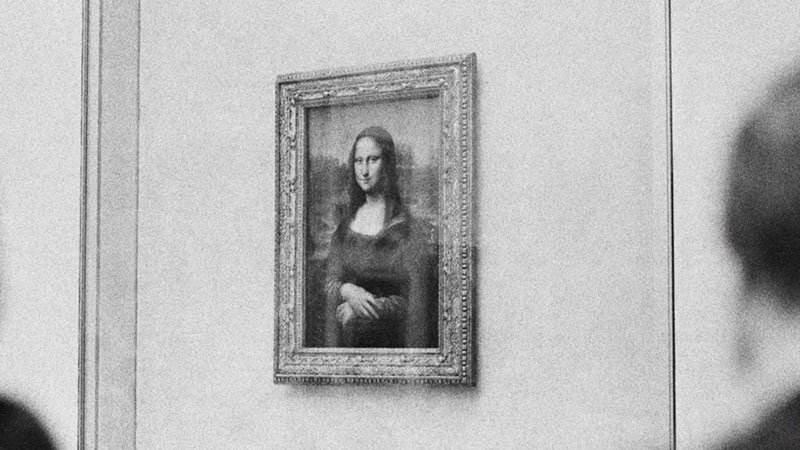
It holds an astonishing insurance value estimated at $800 to $900 million, making it one of the most valuable paintings in history.
Originally assessed at $100 million in 1962, its worth has significantly increased due to inflation and the painting’s cultural significance.
It’s considered priceless, as the French government has no intention of ever selling it, emphasizing its irreplaceable status in the art world.
12. The Mona Lisa is part of the permanent collection at the Louvre in Paris
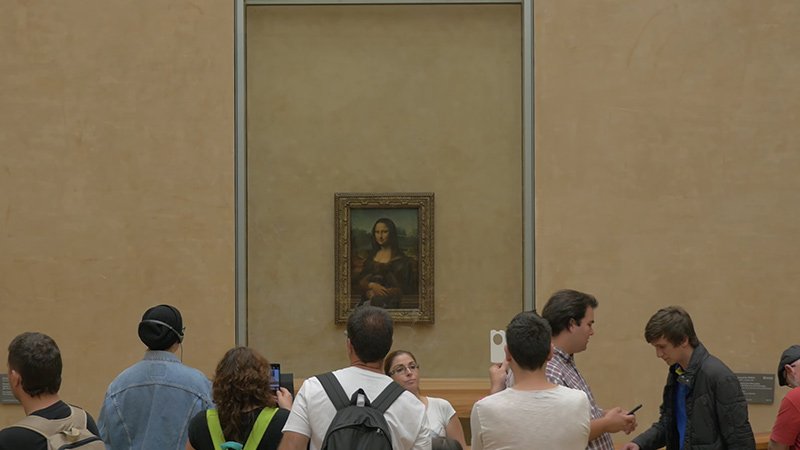
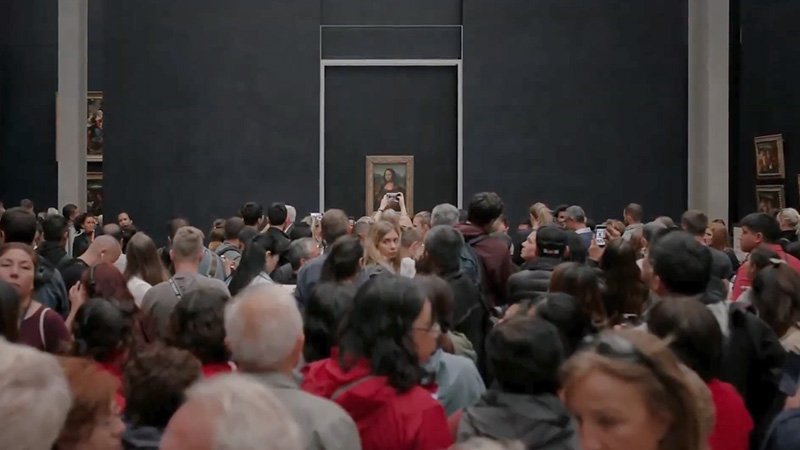
The Mona Lisa has been housed at the Louvre since 1804, adding to the museum’s prestige. Millions flock to the Louvre each year, eager to catch a glimpse of this iconic piece.
The painting is displayed in a climate-controlled glass case for protection, ensuring its preservation. Visitors marvel at its beauty and intricacy, further solidifying its status as a must-see attraction in the art world.
13. The Mona Lisa has been the subject of countless imitations and parodies
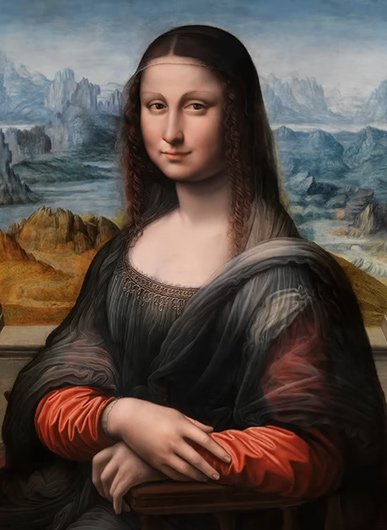
The Mona Lisa’s iconic status has inspired countless imitations and parodies across various media. Artists, musicians, and filmmakers have all drawn from its enchanting imagery, creating everything from humorous reinterpretations to serious tributes.
Its familiar smile has appeared in everything from popular cartoons to high fashion, proving its lasting influence on culture and art that resonates well beyond the gallery walls.
14. The painting has inspired numerous works of literature, music, and film
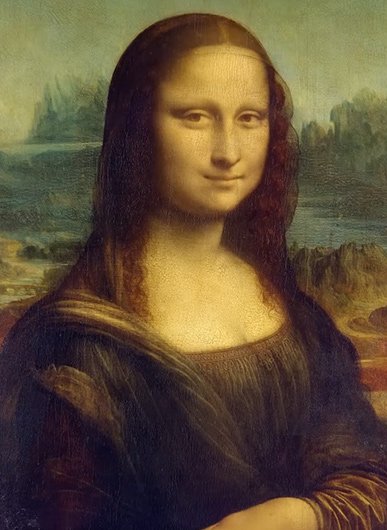
The Mona Lisa has fueled creativity across various artistic domains. Writers have penned novels and poems exploring its secrets, while musicians have composed songs inspired by its enigmatic allure.
Filmmakers often include the painting as a symbol of mystery and timeless beauty. Its iconic imagery continues to transcend genres, leaving a profound impact on culture and the arts worldwide.
15. The Mona Lisa has been analyzed extensively by art historians and scientists

It’s undergone numerous scientific examinations, including infrared reflectography and ultraviolet light analysis.
These techniques reveal underdrawings and layers of paint, showcasing Leonardo’s meticulous process. Researchers have also studied the painting’s condition, uncovering the effects of aging and environmental factors.
Findings from these analyses continue to provide insights into da Vinci’s techniques and the artwork’s historical context, enriching its legacy.


