

Helen Chadwick’s art defies conventional boundaries, blending sculpture, photography, and installation in a way that challenges perceptions of the body and gender.
Emerging in the 1980s, she became one of the first women nominated for the Turner Prize, marking a significant moment in contemporary British art.
Her work is a fascinating exploration of dualities—seductive yet repulsive, organic yet manmade—inviting viewers to reconsider their assumptions.
Chadwick’s innovative use of visceral materials, from chocolate to rotting vegetables, transforms the mundane into the extraordinary.
Each installation serves as a commentary on societal norms and the complexities of identity, creating a dialogue that resonates with audiences.
Through her unique craftsmanship and thought-provoking themes, Chadwick established herself as a pioneering figure whose influence continues to inspire and provoke discussion in the art world today.
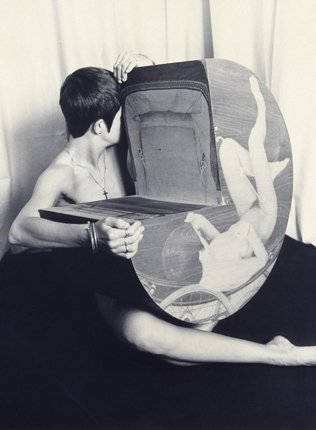
1. Ego Geometria Sum: The Labours III (1986)
Source: tate.org.uk
Helen Chadwick’s “Ego Geometria Sum: The Labours III” showcases bold explorations of the female form.
This piece combines vivid photography and sculptural elements to create a striking commentary on identity and perception. The artist integrates materials like flesh and fabric, evoking a visceral response from viewers.
In the installation, Chadwick challenges societal standards of beauty and femininity. The juxtaposition of the materials reflects the complexities of gender roles.
Each component invites a deeper understanding of the intricacies in human relationships and identity. This work remains a significant reflection of Chadwick’s innovative approach to contemporary art.
2. Carcass (1986)

Source: arushagallery.com
“Carcass” stands over two meters tall and consists of densely packed rotting food scraps. This striking installation emerged from Helen Chadwick’s vision to transform neglected waste into captivating art.
Neighbors contributed their food scraps from Beck Road in East London, creating a unique communal effort.
The artwork challenges the viewer’s perceptions of beauty and disgust by presenting rubbish inside a gallery.
During its installation as part of “Of Mutability” at the Institute for Contemporary Art, it highlighted themes of death and regeneration.
Chadwick’s work resonated deeply, reflecting the hidden significance found in overlooked elements of everyday life.
3. Loop my Loop (1991)

“Loop my Loop” stands as one of Helen Chadwick’s most provocative installations. Featuring intricate loops of plants and sinewy forms, it explores themes of femininity, nature, and the human experience.
Chadwick uses layers of transparent material to create a dialogue between the installed art and the surrounding environment, inviting viewers to immerse themselves in her vision.
Viewers often find themselves captivated by the tension between beauty and decay present in this piece. The incorporation of organic and synthetic materials creates a striking juxtaposition that challenges traditional aesthetics.
With this artwork, Chadwick encourages reflection on corporeality and cultural constructs, reinforcing her status as a trailblazing artist in contemporary art.
4. Piss Flowers (1991-92)

Piss Flowers consists of twelve exquisite sculptures resembling flowers, resting on a vibrant green carpet mimicking grass.
Each flower shape emerged from a unique method where the negative space left in snow by warm urine was cast into bronze.
This innovative process began during a residency at the Banff Arts Centre in Canada in February 1991.
Daily, Helen Chadwick and her partner David Notarius created mounds of snow, urinating into metal molds placed atop.
The artist’s urine heated the snow, allowing plaster to fill the impressions left behind. Subsequently, these casts were transformed into bronze sculptures, each mounted on pedestals resembling hyacinth bulbs.
The work ingeniously inverts traditional symbolism, with the central phallic shapes formed by Chadwick’s actions, while Notarius’s contributions create softer textures surrounding each flower.
The artistry of Piss Flowers represents a romantic metaphor for bodily union, challenging conventional gender roles and highlighting elements of both masculinity and femininity within all individuals.
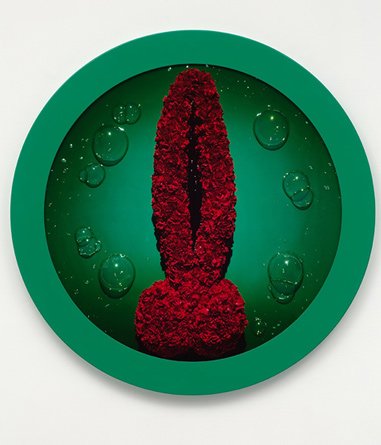
5. Wreath to Pleasure No 12 (1992-93)
Source: artbasel.com
“Wreath to Pleasure No 12” stands out as a vital part of Helen Chadwick’s oeuvre. This intricate installation employs organic materials, including flowers, food, and even bodily fluids, creating an evocative commentary on desire and femininity.
Chadwick arranged these items into a circular form, symbolizing the cyclical nature of life and pleasure.
Through the use of diverse textures and colors, the artwork invites viewers to explore complex emotions surrounding intimacy.
This piece masterfully blends beauty and decay, pushing boundaries while challenging traditional representations of women in art.
Ultimately, “Wreath to Pleasure No 12” encapsulates Chadwick’s innovative spirit and her dedication to examining the multifaceted aspects of human experience.
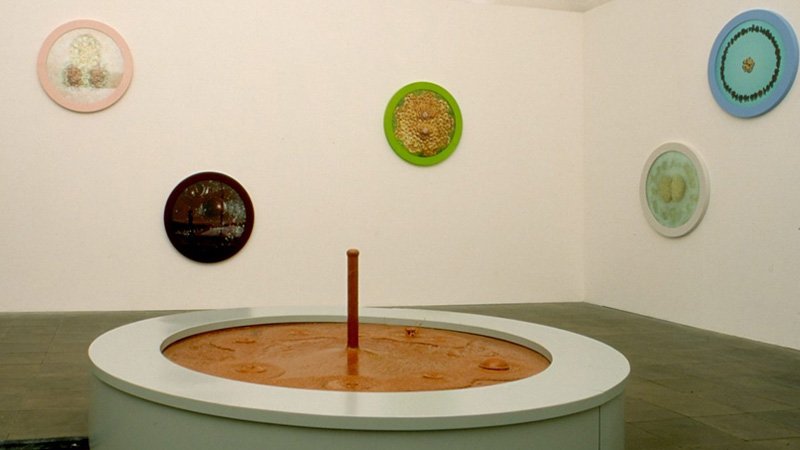
6. Cacao (1994)
Source: serpentinegalleries.org
“Cacao” stands out as one of Helen Chadwick’s most evocative installations, made primarily from cocoa and sugar.
This piece offers a sensuous exploration of desire and indulgence, capturing the viewer’s attention with its rich textures and aromas.
The installation combines both natural and synthetic elements, inviting reflection on the juxtaposition of pleasure and decay.
The work’s organic materials challenge traditional art forms, creating a dialogue about the physicality of the body and experience.
Also, the interactive aspect of “Cacao” engages viewers, as its enticing elements invite tactile interaction while provoking deeper conversations about consumerism and sensuality.
By blending art with everyday experiences, Chadwick encourages an appreciation for the complexities of human desire.


