
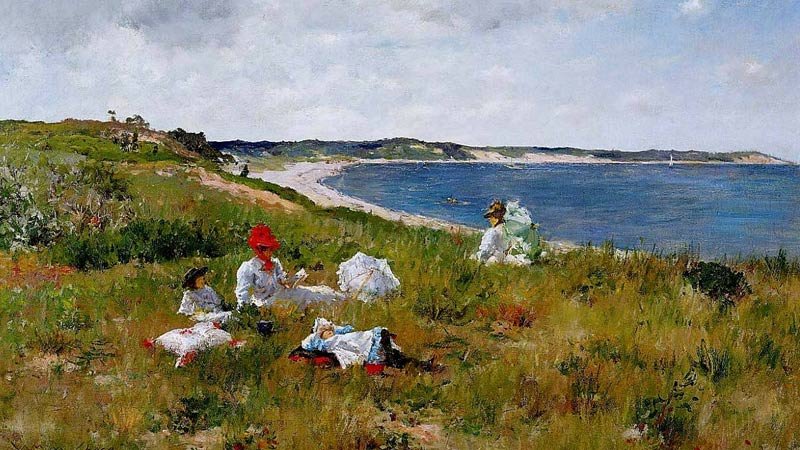
William Merritt Chase stands as a pivotal figure in American art, renowned for his innovative techniques and diverse subjects.
From his sympathetic portrayals of women to vibrant landscapes and playful scenes of children, Chase’s work captures the essence of life in the late 19th century.
His mastery in both oil and pastel not only showcases his artistic skill but also reflects the evolving Impressionist movement in America.
As the first comprehensive examination of Chase’s art in over three decades unfolds, viewers can explore 80 of his finest pieces drawn from esteemed collections across the country.
This retrospective sheds new light on Chase’s significant contributions, positioning him among the leading American Impressionists of his time.
Through this exploration, art enthusiasts and newcomers alike will gain a deeper appreciation for Chase’s enduring legacy and the vital role he played in shaping the landscape of American art.
1. The Tenth Street Studio
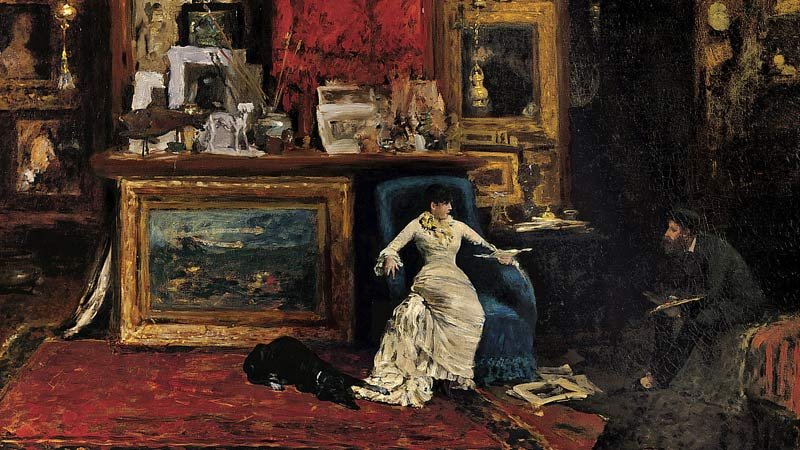
William Merritt Chase’s Tenth Street Studio played a pivotal role in his artistic journey. Located at 51 West 10th Street in New York City, this studio was renowned for its strong north light and luxurious decor.
The space became a model for artists’ studios during that era. Chase occupied this impressive studio from 1878 to 1895, showcasing a vast collection of antique and exotic objects that reflected his artistic vision.
Chase designed the studio with inspiration from European masters like Peter Paul Rubens, elevating the ambiance to attract clients.
Many artists frequented the Tenth Street Studio, drawn in by its unique atmosphere and lavish decoration.
This creative hub not only enhanced Chase’s reputation but also contributed significantly to the landscape of American art.
2. Portrait of Dora Wheeler
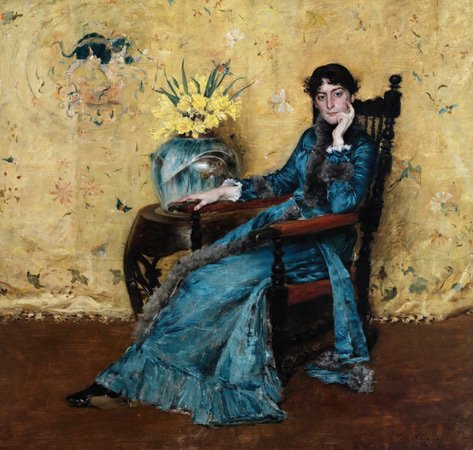
William Merritt Chase’s Portrait of Dora Wheeler, created between 1882 and 1883, is a notable example of his mastery.
This portrait features Dora Wheeler, Chase’s first student and one of the early female artists to gain prominence. Viewers often find her pensive expression striking, as it captures a moment of meditation and depth.
The bold color palette used by Chase sparked mixed reactions when the painting was first exhibited, showcasing both his technical skill and avant-garde approach.
Artwork from this period reflects Chase’s admiration for both the Old Masters and his contemporaries, such as James McNeill Whistler.
The painting’s placement in several major exhibitions, including its own dedicated wall at venues, emphasizes its significance in American art.
Chase’s depiction of Wheeler stands out not only for its aesthetic quality but also for its representation of women’s evolving roles in the art world during the late 19th century.
3. The Young Orphan
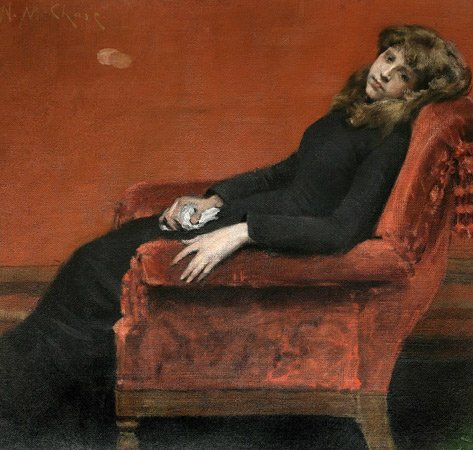
“The Young Orphan” stands out as one of William Merritt Chase’s most poignant works. Painted in 1889, the artwork captures a young girl’s melancholic expression, offering a glimpse into her challenging existence.
Chase’s use of light enhances her delicate features, emphasizing the emotional depth he skillfully portrays.
This piece underwent significant recognition, showcasing Chase’s ability to create empathy through art. Viewers often discuss the rich colors and textures, which reflect his mastery of Impressionist techniques.
“The Young Orphan” remains an enduring testament to his talent and impact on American art, inviting reflections on childhood and vulnerability.
4. James McNeill Whistler
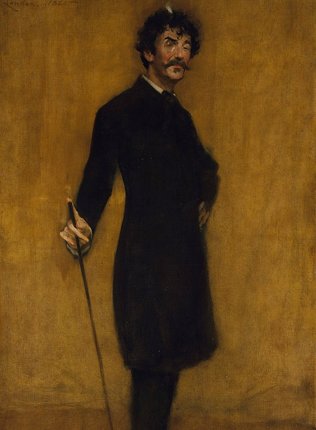
Chase became acquainted with Whistler while studying in Munich, where he first admired Whistler’s famous portrait, Arrangement in Grey and Black No. 1.
The painting, exhibited in 1881 at the Pennsylvania Academy of the Fine Arts, significantly influenced Chase’s artistic development.
When Chase met Whistler in London in 1885, they quickly formed a connection, agreeing to paint each other’s portraits.
The dynamic between them changed as Whistler’s demanding nature began to wear on Chase, who remarked on the discomfort of long painting sessions.
Chase’s portrayal of Whistler captures the artist’s slim figure and formal attire, showcasing Whistler’s theatrical persona.
While Chase admired Whistler’s work and influence, the latter considered Chase’s painting a “monstrous lampoon,” leading to a complicated friendship.
5. A Comfortable Corner
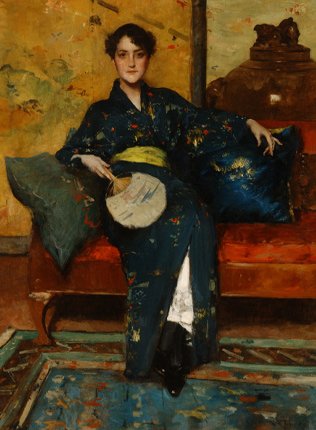
Chase’s painting, “A Comfortable Corner,” exemplifies his keen eye for composition and subtle warmth.
This work highlights a serene setting, featuring an inviting interior that captures the essence of domestic life in the late 19th century. Rich colors and textures draw viewers into the space, creating a sense of intimacy.
The arrangement of light plays a crucial role in this piece, illuminating the room while casting soft shadows.
Chase expertly employs natural light to enhance depth and mood, showcasing his Impressionist mastery. His focus on everyday moments elevates the subject matter, inviting contemplation about ordinary experiences.
Comments from art critics celebrate Chase’s ability to transform the mundane into the extraordinary through his unique perspective.
This artwork stands as a testament to his skill in portraying comfort and familiarity, offering a window into a moment of tranquility in a bustling world.
6. Lilliputian Boat-Lake – Central Park
Source: artrenewal.org
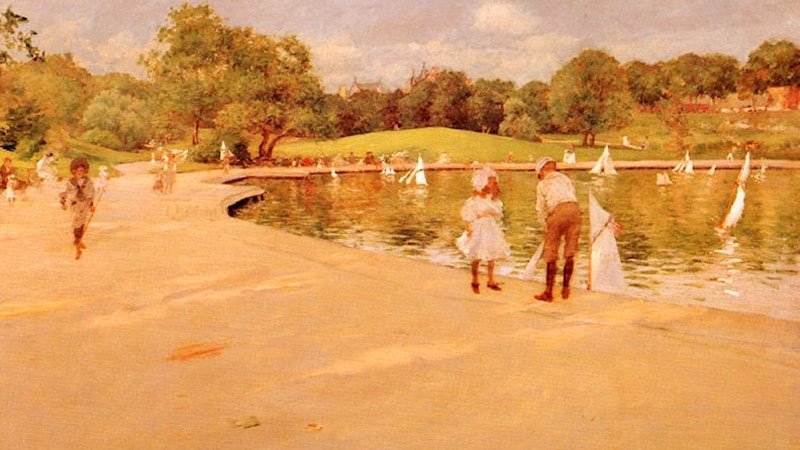
“Lilliputian Boat-Lake” captures the spirit of leisure and beauty in Central Park. Painted by William Merritt Chase in 1893, this vibrant piece showcases a serene scene of couples sailing tiny boats on the water.
Chase’s skillful brushwork brings the lake to life, highlighting reflections and movement with Impressionist vigor.
The lush greenery surrounding the lake adds depth to the composition, creating a harmonious blend of nature and manmade enjoyment.
Art enthusiasts appreciate how Chase encapsulates the essence of a peaceful day in New York City. The color palette is rich yet balanced, inviting viewers to experience a moment of joy and tranquility amidst the urban landscape.
Chase’s attention to detail and light play showcases his mastery, further solidifying his role in American art history.
7. Shinnecock: Studio Interior
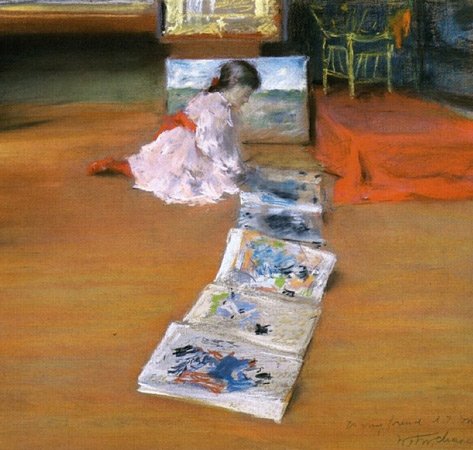
Studio Interior showcases Chase’s mastery in combining artistic elements with his studio’s unique ambiance. The composition reflects his workspace at Shinnecock Hills, illustrating the vibrant environment that fueled his creativity.
Rich textures and warm colors add depth, inviting viewers to connect with the artist’s experience.
Chase often included personal artifacts, enhancing the narrative within the painting. Objects like bric-a-brac and Renaissance-style pieces enrich the visual storytelling.
The arrangement of light expertly illuminates the space, capturing the essence of his artistic process.
Emphasizing comfort and intimacy, this work invites reflection on the artist’s life, ultimately deepening appreciation for his contributions to American Impressionism.
8. Idle Hours
“Idle Hours,” painted in 1894, captures a serene moment of leisure, showcasing two women enjoying a tranquil day outdoors.
Light filters through the trees, enveloping the figures in a soft glow, which highlights Chase’s skill in using natural light. Chase’s composition exudes a relaxed atmosphere, inviting viewers to experience the joy of respite.
The brushwork emphasizes movement and texture, drawing attention to the fabric of the women’s clothing and the surrounding landscape.
Critics appreciate how Chase skillfully blends impressionist techniques with a vivid color palette, enhancing the emotional resonance of the scene.
This painting remains a beloved example of Chase’s exploration of domesticity and the fleeting moments of everyday life.
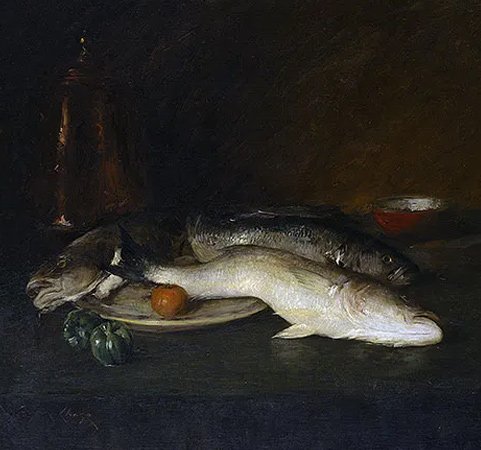
9. Still Life: Fish
Source: topofart.com
Chase’s “Still Life: Fish” stands out for its vibrant depiction of nature’s beauty. This painting showcases a variety of fish, skillfully arranged to highlight their textures and colors.
Attention to detail reveals Chase’s ability to capture light, giving the fish a lifelike appearance. Critics admire how he balances composition, making the piece both dynamic and harmonious.
Colors play a significant role in this work. The warm tones of the fish contrast beautifully with cool background hues.
Art enthusiasts appreciate the mood created by this combination, as it evokes the tranquility of a still life scene.
Chase’s mastery in portraying natural elements reinforces his status as a leading figure in American Impressionism.


