

Art has a unique power to transcend time and culture, leaving an indelible mark on humanity. From the intricate brushstrokes of da Vinci to the bold colors of Van Gogh, certain masterpieces have become iconic symbols of their eras.
These works not only showcase the incredible skill of their creators but also capture significant cultural and historical moments that resonate even today.
In this exploration of the 23 most famous works of art, readers will journey through centuries of creativity, discovering pieces that have inspired millions.
Each artwork tells a story, offering a glimpse into the minds of genius artists and the movements that shaped our world.
Whether it’s the haunting beauty of The Girl with a Pearl Earring or the dynamic energy of The Great Wave off Kanagawa, these masterpieces invite us to appreciate the rich tapestry of art history.
1. The Mona Lisa – Leonardo da Vinci
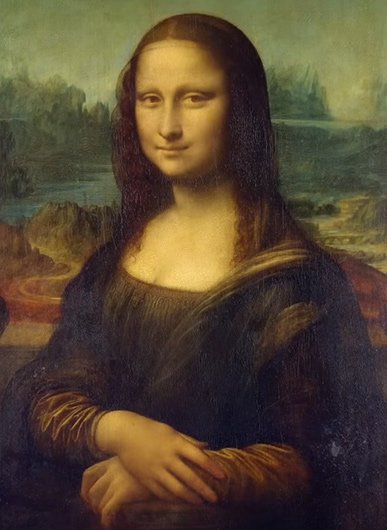
The Mona Lisa, painted by Leonardo da Vinci in the early 1500s, remains the most famous artwork globally. It features a portrait of Lisa Gherardini, exuding mystery with her enigmatic smile.
Da Vinci employed innovative techniques such as sfumato, creating soft transitions between colors. The painting, stolen in 1911, skyrocketed its fame and solidified its status in popular culture.
Housed in the Louvre, it draws millions of visitors annually, symbolizing the ideal Renaissance woman and the brilliance of da Vinci’s mastery.
2. The Starry Night – Vincent van Gogh
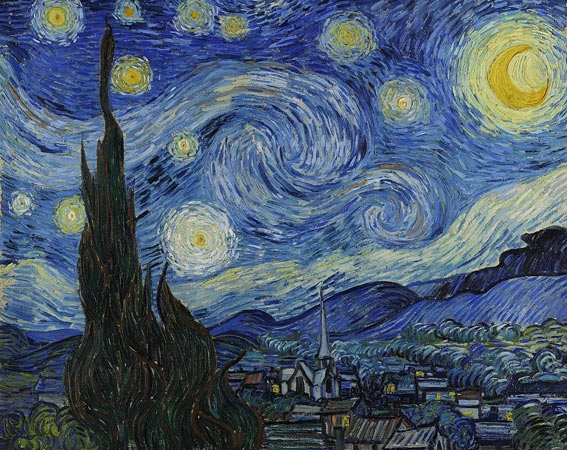
Vincent van Gogh painted The Starry Night in 1889, depicting the view from his asylum room in Saint-Rémy just before dawn.
This masterpiece showcases swirling blues and yellows, symbolizing his turbulent emotions and profound awe for nature.
Currently housed in the Museum of Modern Art in New York City, it’s celebrated as his magnum opus. The painting sold for an astonishing $117 million at auction in 2022, affirming its status as a treasure in art history.
3. Girl with a Pearl Earring – Johannes Vermeer
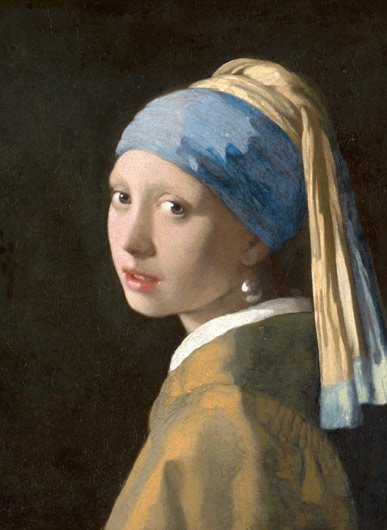
Vermeer painted the iconic Girl with a Pearl Earring around 1665. This masterpiece features a girl adorned in a blue and yellow turban, highlighting the captivating pearl earring that defines the artwork.
Vermeer’s exceptional use of light and color enhances the girl’s delicate expression, making it one of the most celebrated pieces of the Dutch Golden Age.
Housed in Mauritshuis, The Hague, it’s often referred to as the “Mona Lisa of the North,” drawing visitors eager to experience its mystery.
4. David – Michelangelo

Michelangelo’s David, sculpted between 1501 and 1504, stands as a testament to Renaissance artistry. This 17-foot marble statue represents the biblical hero David at the moment before his confrontation with Goliath.
Captured in stunning detail, David’s expression exudes determination and strength, showcasing Michelangelo’s mastery of human anatomy.
Currently displayed at the Galleria dell’Accademia in Florence, this iconic piece exemplifies idealized beauty and has influenced countless artists and movements throughout history.
5. The Kiss – Gustav Klimt
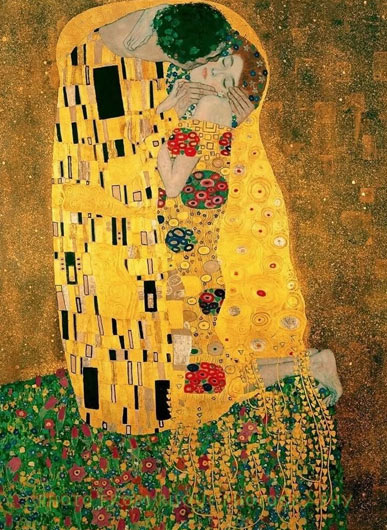
Klimt created The Kiss between 1907 and 1908, showcasing a passionate couple enveloped in elaborate robes. The artwork combines oil, gold leaf, silver, and platinum, illustrating Klimt’s unique style during his Golden Phase.
Located in the Belvedere Palace, Vienna, the piece reflects Byzantine influences, evident in its shimmering gold background.
Klimt’s bold portrayal of intimacy sparked initial controversy, yet it has since become an iconic symbol of beauty and innovation in early 20th-century art.
6. The Birth of Venus – Sandro Botticelli

The Birth of Venus, painted by Sandro Botticelli between 1484 and 1486, depicts the mythological emergence of Venus, the Goddess of Love, from a giant scallop shell.
This Early Renaissance masterpiece draws inspiration from classical Greek culture and is famed for its controversial portrayal of nudity.
Destined for Lorenzo de Medici, the painting reflects human beauty and divine love, while elements like Zephyrus and the Graces enhance its mythological narrative.
Housed in the Uffizi Gallery in Florence, it’s a testament to Botticelli’s artistic brilliance and enduring influence.
7. Sistine Chapel ceiling – Michelangelo

Michelangelo painted the Sistine Chapel ceiling from 1508 to 1512, creating a masterpiece of High Renaissance art.
Comprising nine central panels, it features iconic scenes like the Creation of Man and the Banishment from the Garden of Eden.
Michelangelo intricately depicted biblical narratives, showcasing his extraordinary skill and deep understanding of human anatomy.
This remarkable work continues to draw millions of visitors to the Vatican, reflecting the enduring impact of Michelangelo’s vision and artistry.
8. The Last Supper – Leonardo da Vinci

Leonardo da Vinci painted The Last Supper between 1495 and 1498. This iconic mural, measuring 180 by 350 inches, depicts Jesus’ final meal with his apostles.
Da Vinci captured the moment just after Jesus revealed that one disciple would betray him, infusing the scene with tension and emotion.
Located in the Convent of Santa Maria delle Grazie in Milan, this masterpiece has undergone five restorations over its existence, reflecting its historical significance and artistic innovation.
9. Las Meninas – Diego Velázquez

Las Meninas, painted by Diego Velázquez in 1656, illustrates an intricate scene within the royal court of Spain.
It features a five-year-old Infanta Margarita at the center, surrounded by her attendants, while Velázquez himself is depicted painting the scene.
This complex composition invites viewers to ponder reality and illusion, as reflections in a mirror reveal the King and Queen.
As a hallmark of the Baroque period, it combines portraiture and narrative, securing its status as one of the most enigmatic masterpieces in art history.
10. Venus de Milo – Alexandros of Antioch

Venus de Milo, sculpted by Alexandros of Antioch in the late 2nd century BCE, exemplifies Hellenistic art’s beauty and elegance.
It’s renowned for its missing arms, which add to its allure and mystery. This captivating marble statue represents Venus, the goddess of love, with a graceful stance and exquisite detail.
Currently housed in the Louvre Museum, Venus de Milo attracts millions of visitors annually, symbolizing timeless artistry and cultural heritage.
11. Guernica – Pablo Picasso

Guernica, painted by Pablo Picasso in 1937, stands as an iconic anti-war masterpiece. The artwork is a powerful reaction to the bombing of the Basque town during the Spanish Civil War.
It’s characterized by its stark black, white, and gray tones, illustrating the chaos and suffering of civilians. Currently housed in the Museo Reina Sofía in Madrid, Guernica symbolizes the tragedies of conflict and remains a poignant reminder of humanity’s struggles against violence.
12. The Creation of Adam – Michelangelo
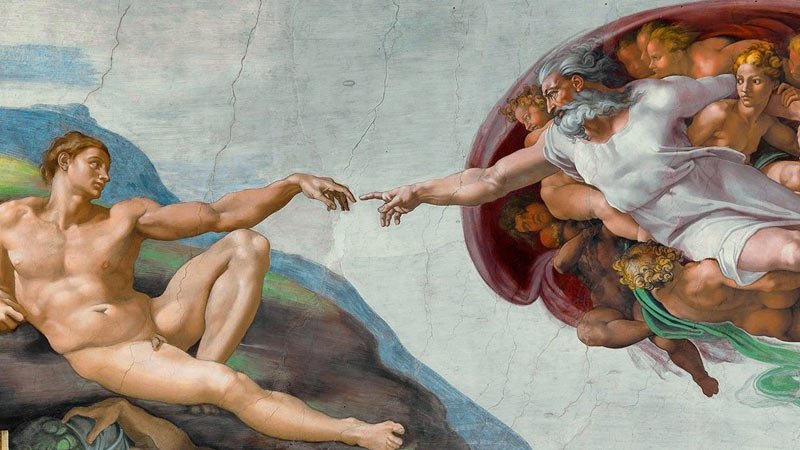
Michelangelo’s The Creation of Adam, painted between 1508 and 1512, captures the divine moment God breathes life into Adam, the first man.
This iconic fresco, located on the Sistine Chapel ceiling, showcases idealized human forms and bold contrasts. It features God reaching toward Adam, whose arm extends in a compelling gesture.
This masterpiece reflects Renaissance ideals of beauty and humanity, influencing countless artists and becoming one of the most replicated religious images globally.
13. The Thinker – Auguste Rodin
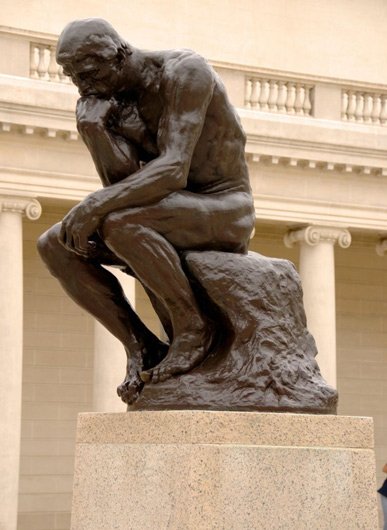
Rodin’s The Thinker, created in 1904, symbolizes deep contemplation and introspection. Originally conceived as part of a larger work, The Gates of Hell, it’s now an icon of philosophical thought.
Crafted from bronze, the sculpture stands at about 28 inches tall, showcasing Rodin’s mastery in capturing human emotion.
Currently displayed at various locations worldwide, it invites viewers to reflect on the nature of existence and creativity. Its powerful presence has made it a timeless symbol of artistry and intellect.
14. Impression, Sunrise – Claude Monet
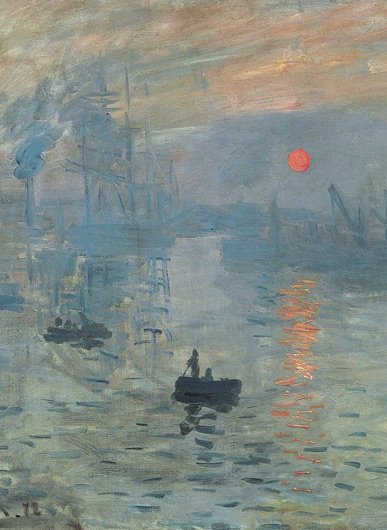
Impression, Sunrise, painted by Claude Monet in 1872, captures the port of Le Havre at dawn. Monet’s innovative use of light reflects his mastery of color and atmosphere.
This oil painting features a vivid orange sun emerging over hazy blue waters, with two boats silhouetted against the scene. The artwork, now housed at Musée Marmottan Monet, is considered the catalyst for the Impressionist movement, demonstrating Monet’s unique approach to outdoor painting and the fleeting effects of natural light.
15. A Sunday Afternoon on the Island of La Grande Jatte – Georges Seurat
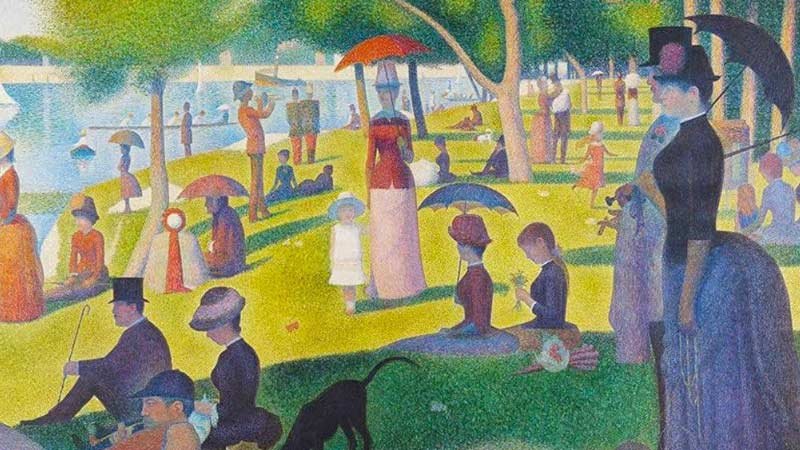
Georges Seurat created A Sunday Afternoon on the Island of La Grande Jatte in 1884. This iconic painting depicts numerous Parisians relaxing along the Seine River on a sunny day.
Seurat utilized the pointillist technique, applying small dots of color to craft vibrant scenes. The expansive canvas measures 6 feet by 10 feet, allowing for detailed figures and lively interactions.
Today, it’s housed at the Art Institute of Chicago, celebrated as a hallmark of the Neo-Impressionism movement.
16. David – Donatello

Donatello’s David, sculpted between 1440 and 1460, stands as the first freestanding nude male sculpture since antiquity.
Celebrated for its naturalism, this bronze statue depicts David triumphantly holding Goliath’s severed head. It’s characterized by its youthful beauty and intricate detailing, showcasing the Renaissance’s embrace of classical themes.
Currently housed in the Museo Nazionale del Bargello in Florence, David reflects Donatello’s innovative approach and mastery of human emotion, influencing artists for generations.
17. The Night Watch – Rembrandt van Rijn
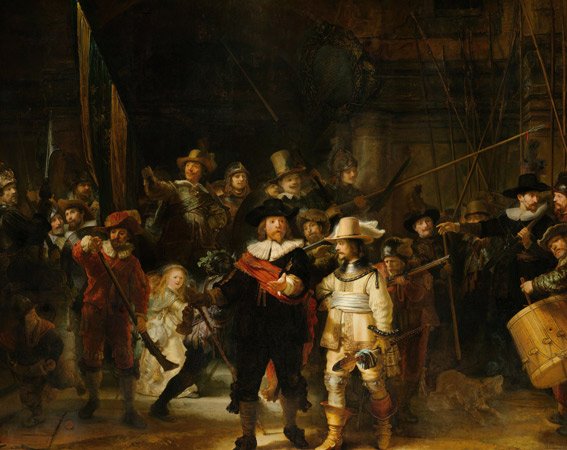
The Night Watch, painted by Rembrandt in 1642, is one of the most celebrated masterpieces of the Dutch Golden Age.
This large oil on canvas, measuring 12 feet by 14 feet, portrays Captain Frans Banning Cocq and his lieutenant, Willem van Ruytenburch, leading a militia group.
Rembrandt’s dramatic use of light and shadow draws attention to central figures, creating a sense of movement and action, despite the painting’s misleading night scene appearance. Housed in the Rijksmuseum, this iconic work continues to captivate audiences worldwide.
18. The Pietà – Michelangelo

Michelangelo’s The Pietà, sculpted between 1498 and 1499, captures Mary cradling the lifeless body of Jesus. Located in St. Peter’s Basilica, this marble masterpiece showcases Michelangelo’s mastery of form and emotion.
The sculpture’s intricate details, from the drapery to facial expressions, evoke profound sorrow and tenderness. Standing at 5 feet 8 inches tall, it remains a hallmark of Renaissance art, symbolizing compassion and sacrifice.
Its iconic status has made it one of the most visited artworks in the world, inspiring countless interpretations and emotions throughout history.
19. Whistler’s Mother – James Abbott McNeill Whistler
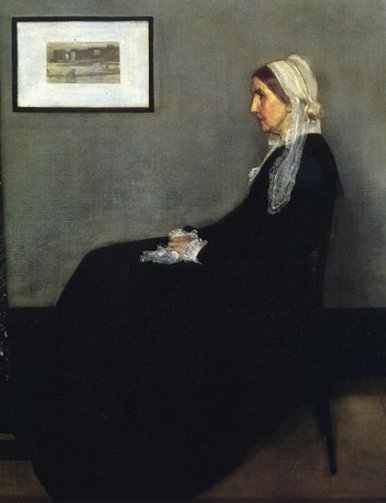
Whistler’s Mother, painted in 1871, is an iconic portrait that features Anna McNeill Whistler, the artist’s mother. The painting reflects themes of motherhood and domesticity, showcasing Whistler’s mastery of composition and color.
Housed in the Musée d’Orsay in Paris, the artwork emphasizes the simple elegance of the subject through its muted palette and striking profile. Its composition has influenced countless artists, solidifying Whistler’s reputation in the art world.
20. Liberty Leading the People – Eugène Delacroix

Eugène Delacroix painted Liberty Leading the People in 1830, capturing the spirit of the July Revolution in France.
The artwork features a bare-breasted personification of Liberty, brandishing the French Tricolor. Delacroix’s innovative use of color and dynamic brushwork evoke intense emotions and symbolize the struggle for freedom.
Housed in the Louvre, this masterpiece has influenced various artists and movements, becoming an icon of revolutionary zeal and artistic expression. Its powerful imagery continues to inspire discussions around liberty and individualism.
21. The Garden of Earthly Delights – Hieronymus Bosch

Bosch painted The Garden of Earthly Delights between 1500 and 1510, creating a monumental triptych that explores themes of creation, human futility, and damnation.
The left panel depicts Adam and Eve’s union, while the central panel showcases humanity indulging in sin. The right panel starkly contrasts this with visions of Hell.
This phantasmagoric work features intricate symbolism, enticing viewers to reflect on passion’s fleeting nature and the consequences of desire. Currently housed in Museo del Prado, it captivates art enthusiasts with its rich detail and depth.
22. Arnolfini Portrait – Jan van Eyck
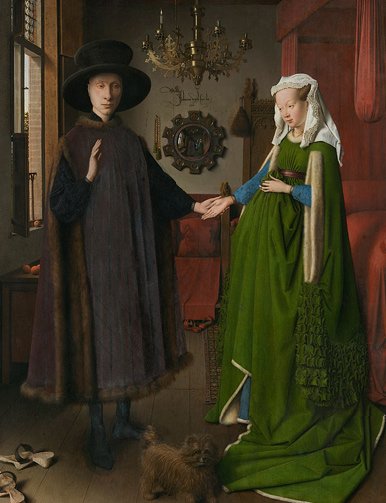
Arnolfini Portrait, painted in 1434, captures Italian merchant Giovanni di Nicolao Arnolfini and his wife in their Bruges home.
The oil on oak panel, measuring 82.2 cm × 60 cm, is renowned for its intricate detail and innovative use of perspective. Notably, a convex mirror reflects the couple and two additional figures, enhancing spatial depth.
Rich symbolism throughout the composition, such as the dog’s representation of fidelity and the lantern alluding to divine presence, invites endless interpretations of marriage and fidelity.
23. The Persistence of Memory – Salvador Dalí
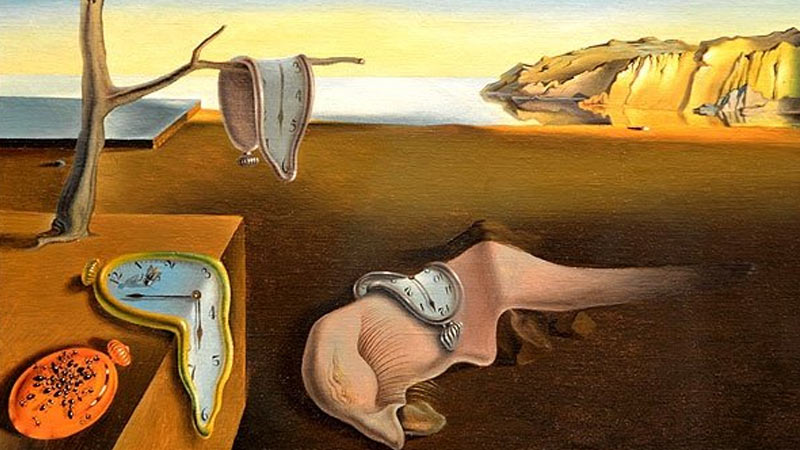
Salvador Dalí painted The Persistence of Memory in 1931, showcasing his surrealistic genius. This iconic artwork features a desolate landscape adorned with melting clocks, symbolizing the fluidity of time and reality.
Influenced by Albert Einstein’s Theory of Relativity, Dalí created a dreamlike atmosphere that invites viewers to explore their subconscious.
Housed in the Museum of Modern Art, it remains a pivotal piece in surrealism, emphasizing how the mind shapes perception.


