Vincent van Gogh’s landscapes are a stunning fusion of emotion and nature, capturing the essence of his turbulent spirit.
Known for his bold colors and dynamic brushstrokes, he transformed ordinary scenes into extraordinary visual narratives.
Each painting serves as a window into his world, reflecting both the beauty of the natural landscape and his inner struggles.
From the swirling skies of The Starry Night to the fields of Wheatfield with Crows, Van Gogh’s works resonate with viewers on a profound level.
This article explores 15 of his most famous landscapes, revealing the stories behind each masterpiece and their significance in the art world.
Join the journey through Van Gogh’s captivating landscapes that continue to inspire and evoke emotion in audiences around the globe.
1. The Starry Night (1889)

The Starry Night showcases a swirling night sky illuminated by bright stars and a crescent moon over a tranquil town.
Created during his stay at the Saint-Paul-de-Mausole asylum, Van Gogh’s emotional intensity shines through the bold blues and dynamic brushwork.
This oil on canvas painting measures 29.5 by 37 inches and epitomizes the artist’s unique ability to convey deep emotion through landscape.
2. Wheatfield with Crows (1890)
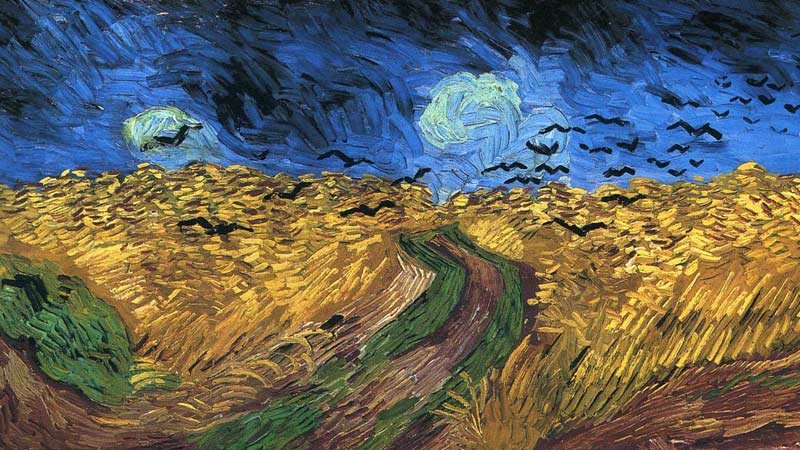
Wheatfield with Crows, painted in 1890, is often regarded as Van Gogh’s final work. This oil on canvas measures 31.5 by 25.5 inches and depicts a vast wheat field under a turbulent sky filled with ominous crows.
The dark swirling brushstrokes create an intense atmosphere, reflecting Van Gogh’s emotional turmoil and struggles with mental health.
Displayed at the Van Gogh Museum in Amsterdam, this masterpiece invites viewers to explore the depths of the artist’s psyche.
3. The Olive Trees (1889)

The Olive Trees, painted in 1889, showcases Van Gogh’s love for nature and his palette. This oil on canvas, measuring 28.7 by 36.3 inches, reflects a peaceful yet dynamic scene filled with twisting branches and rich green hues.
Created during his stay at the asylum, it highlights his emotional connection to the Mediterranean landscape.
The painting is currently housed at the Musée d’Orsay in Paris, symbolizing Van Gogh’s enduring legacy.
4. Wheat Field with a Reaper (1889)
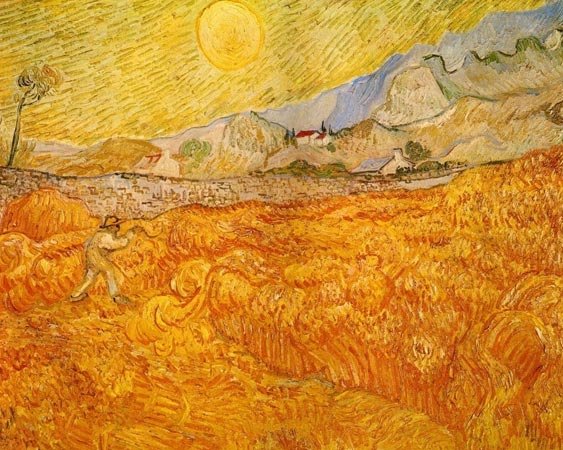
Wheat Field with a Reaper, painted in 1889, depicts a lone figure harvesting wheat under a brilliant sun. This oil on canvas measures 25.2 by 32.3 inches and radiates warmth.
Van Gogh’s expressive brushwork captures the vibrancy of the landscape, reflecting both the labor of the reaper and the beauty of rural life. Currently, it’s part of the collection at the Van Gogh Museum in Amsterdam.
5. The Mulberry Tree (1889)
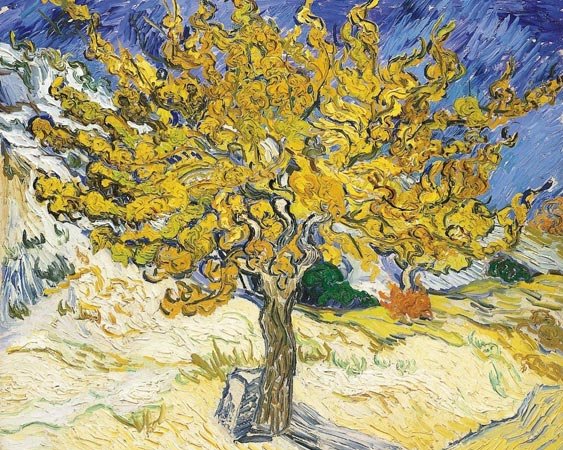
The Mulberry Tree, painted in 1889, captures Van Gogh’s fascination with nature. This oil on canvas, measuring 25.5 by 32.4 inches, depicts a twisted mulberry tree against a blue sky.
The dynamic brushstrokes reflect Van Gogh’s emotional energy as he celebrates the beauty of everyday life. It’s currently displayed at the Van Gogh Museum in Amsterdam, symbolizing his deep connection to the natural world.
6. Cypresses (1889)
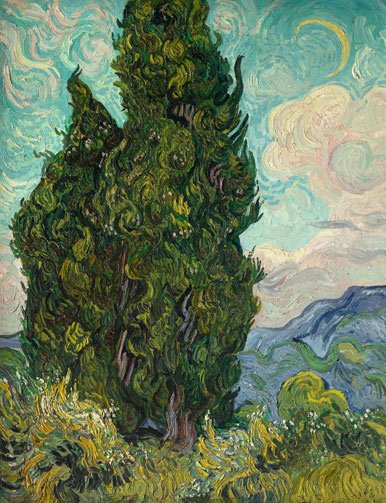
Cypresses (1889) features tall, dark trees set against a backdrop, showcasing Van Gogh’s signature swirling brushwork.
The oil on canvas, measuring 28.3 by 36.2 inches, reflects his fascination with cypress trees, which symbolize both beauty and death in his art.
This painting, housed at the National Gallery in Prague, exemplifies his emotional connection to the landscapes he loved.
7. The Red Vineyard (1888)
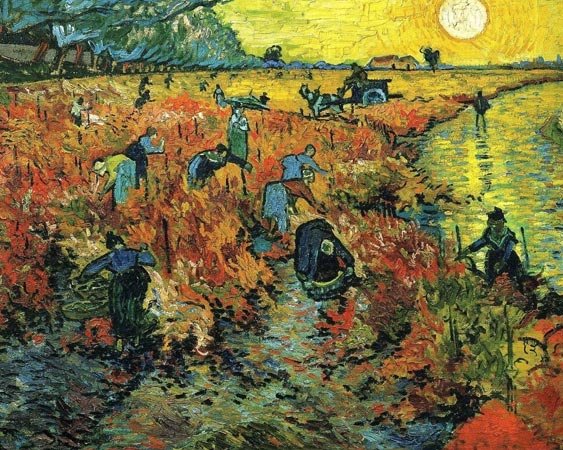
The Red Vineyard is a stunning painting created by Van Gogh during his time in Arles. It captures the rich hues of a vineyard in autumn, showcasing brilliant reds and greens under a blue sky.
Measuring 29 by 36 inches, this oil on canvas exemplifies Van Gogh’s masterful use of color and light. Currently, it resides at the Pushkin Museum of Fine Arts in Moscow, inviting viewers to experience the artist’s passionate connection to nature.
8. Wheat Field under Thunderclouds (1890)
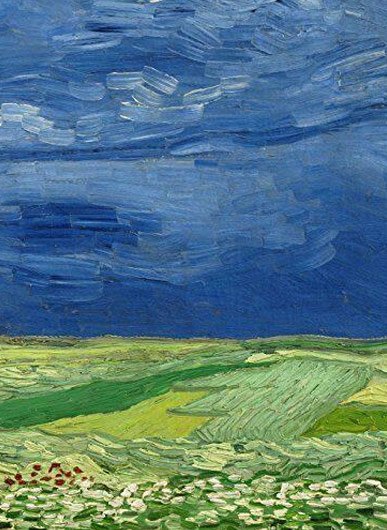
Wheat Field under Thunderclouds is a striking representation of Van Gogh’s connection to nature. This oil on canvas, measuring 32.3 by 25.4 inches, depicts an expansive wheat field under ominous, swirling clouds.
The painting’s dramatic use of color and dynamic brushstrokes convey a sense of impending storm, reflecting Van Gogh’s emotional depth and turbulent state of mind.
Displayed at the Van Gogh Museum in Amsterdam, this artwork invites contemplation of nature’s power and fragility.
9. The Garden of the Asylum at Saint-Rémy (1889)

The Garden of the Asylum at Saint-Rémy highlights Van Gogh’s emotional response to his surroundings.
This oil on canvas, measuring 24.8 by 32.3 inches, showcases a vivid garden scene filled with flowers and lush greenery.
Created during his time at the asylum, it symbolizes his search for solace amidst turmoil. Currently housed at Kunstmuseum Basel, this piece reflects his deep appreciation for nature.
10. Houses at Auvers (1890)
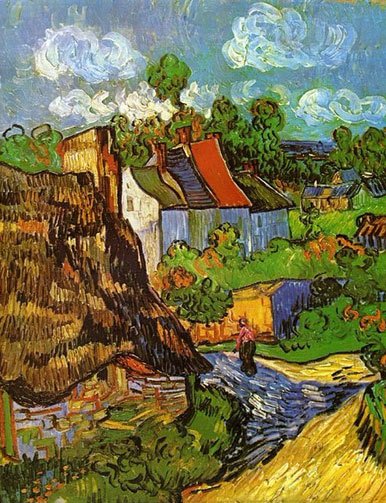
Houses at Auvers is a poignant painting that encapsulates Van Gogh’s emotional landscape during his final days.
This oil on canvas, measuring 25.2 by 32.3 inches, depicts a series of homes nestled under a muted sky.
Van Gogh’s use of soft colors and expressive brushwork conveys a sense of solitude and reflection, inviting viewers into the artist’s complex psyche.
This masterpiece is currently exhibited at the Toledo Museum of Art, showcasing the profound beauty found in simple dwellings.
11. Almond Blossoms (1890)

Almond Blossoms, painted in 1890, captures the essence of renewal with its white flowers against a clear blue sky.
Measuring 25.4 by 32.3 inches, this masterpiece symbolizes new beginnings, created to celebrate the birth of Van Gogh’s nephew.
Displayed at the Van Gogh Museum in Amsterdam, it showcases his dynamic brushwork and emotional connection to nature during a pivotal time in his life.
12. The Harvest (1888)
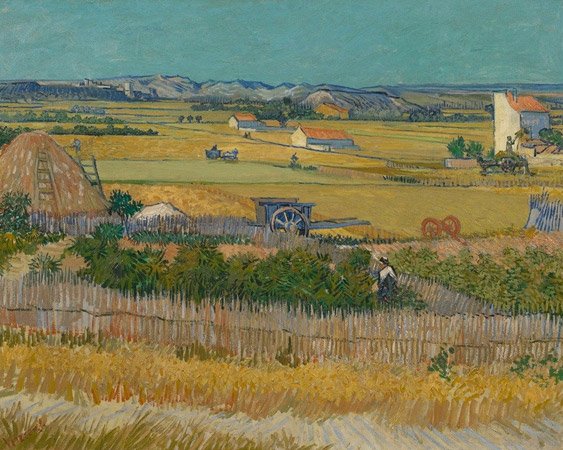
The Harvest, painted in 1888, captures Van Gogh’s fascination with rural life. This oil on canvas measures 28.9 by 36.4 inches, depicting a sun-drenched landscape with wheat swaying under a radiant sky.
Van Gogh’s expressive brushwork conveys warmth and vitality, emphasizing the connection between labor and nature.
Housed at the Van Gogh Museum in Amsterdam, it reflects a harmonious blend of human effort and the beauty of the countryside.
13. Sunset at Montmajour (1888)
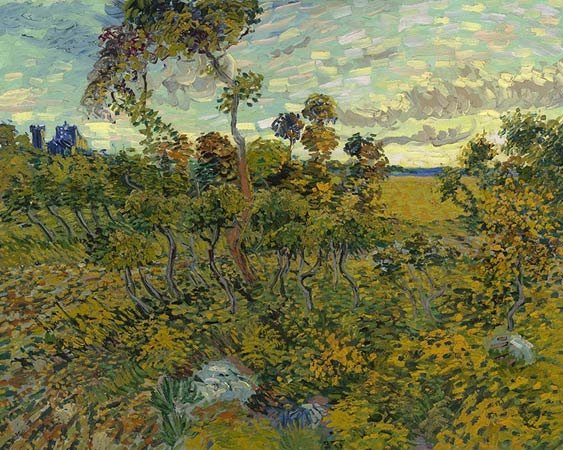
Sunset at Montmajour, painted in 1888, features a landscape illuminated by a striking sunset. This oil on canvas, measuring 36.3 by 29.1 inches, captures Van Gogh’s mastery of color and light as the sky transforms into hues of orange and pink.
Currently housed at the Van Gogh Museum in Amsterdam, this piece encapsulates his emotional connection to the natural world, inviting viewers to feel the warmth of the moment.
14. Road with Cypress and Star (1890)
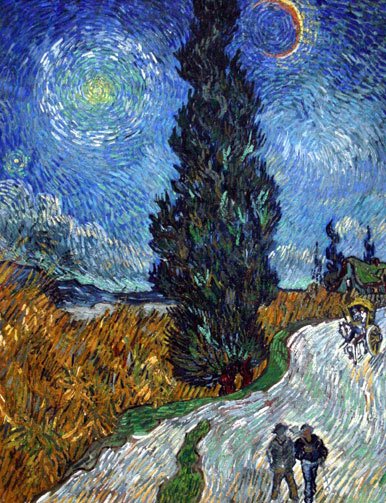
Road with Cypress and Star is a powerful painting created by Vincent van Gogh in 1890. This oil on canvas, measuring 27.9 by 36.3 inches, features a winding road lined with towering cypress trees that draw the viewer’s gaze skyward.
Van Gogh’s use of contrasting colors evokes a sense of emotional depth, inviting contemplation of nature’s beauty and the cosmos.
Currently, it resides at the Kröller-Müller Museum in Otterlo, Netherlands, highlighting Van Gogh’s spiritual journey.
15. Landscape at Twilight (1890)

Landscape at Twilight, created in 1890, showcases Van Gogh’s unique ability to capture the interplay of light and shadow.
This oil on canvas measures 28.7 by 36.3 inches and depicts a serene rural scene, emphasizing the tranquility of dusk.
The rich, swirling colors reflect the artist’s emotional state while highlighting the beauty of the evening landscape.
Currently housed at the Van Gogh Museum in Amsterdam, this masterpiece invites viewers to experience the peacefulness of twilight.