Italy stands as a beacon of artistic brilliance, boasting a legacy that has shaped the world of art for centuries. The Renaissance, a period of extraordinary creativity, birthed masterpieces that continue to captivate audiences.
From the enchanting strokes of Leonardo da Vinci to the dramatic flair of Caravaggio, Italy is home to a treasure trove of paintings that tell stories of passion, faith, and human emotion.
Exploring Italy’s art scene reveals not just the iconic works housed in renowned museums but also the hidden gems nestled in churches and galleries across the country.
This article delves into 13 famous paintings that embody the rich tapestry of Italian art, inviting art lovers and curious travelers alike to appreciate the beauty and history behind each masterpiece.
Prepare to embark on a visual journey through Italy’s artistic heritage, where every brushstroke holds a piece of its soul.
1. The Last Supper – Leonardo da Vinci

The Last Supper, painted by Leonardo da Vinci between 1495 and 1498, stands as a monumental masterpiece of the Renaissance.
It captures the final meal Jesus shared with his twelve apostles, showcasing innovative perspective and emotional intensity.
This iconic fresco, located in the Convent of Santa Maria delle Grazie in Milan, uses oil on canvas, defying traditional fresco techniques.
Millions visit annually to experience its profound artistry and intricate details, solidifying its status as a cultural treasure.
2. The Birth of Venus – Sandro Botticelli

Sandro Botticelli’s “The Birth of Venus” was created in the mid-15th century and remains a quintessential example of Renaissance art.
The painting depicts the goddess Venus emerging from the sea on a shell, attended by mythological figures.
Known for its graceful lines and idealized beauty, this masterpiece is housed in the Uffizi Gallery in Florence, drawing art enthusiasts worldwide to admire its intricate details and profound symbolism.
3. Sistine Chapel Ceiling – Michelangelo

Michelangelo painted the Sistine Chapel ceiling between 1508 and 1512, creating one of the Renaissance’s most iconic masterpieces.
This vast fresco covers over 12,000 square feet and features over 300 figures, including the renowned “Creation of Adam.”
Michelangelo’s intricate use of color, dynamic poses, and monumental scale transformed the chapel into a visual narrative of biblical creation and human experience, making it a must-see for art lovers visiting Vatican City.
4. Venus with a Satyr and Two Cupids – Annibale Carracci
“Venus with a Satyr and Two Cupids,” painted by Annibale Carracci between 1588 and 1590, showcases the influence of the Venetian school.
The composition features Venus, the goddess of love, surrounded by delightful cupids and a satyr, exuding both sensuality and grace.
Housed in the Uffizi Gallery in Florence, the painting highlights Carracci’s mastery of color and texture, evident in the details of Venus’s skin and flowing hair, capturing viewers’ admiration for centuries.
5. El Beso (The Kiss) – Francesco Hayez

Francesco Hayez created “El Beso” in 1859, capturing an intimate moment between two lovers. He emphasizes realism with intricate details, such as their entwined hands and the woman’s flowing blue dress.
Hayez’s work reflects the spirit of Italian Unification, as it resonates with the passion of the Risorgimento.
Multiple versions exist, including a watercolor displayed in Milan’s Pinacoteca Ambrosiana, showcasing his dedication to the subject’s emotional depth.
6. Portrait of a Man in Red Chalk – Leonardo da Vinci
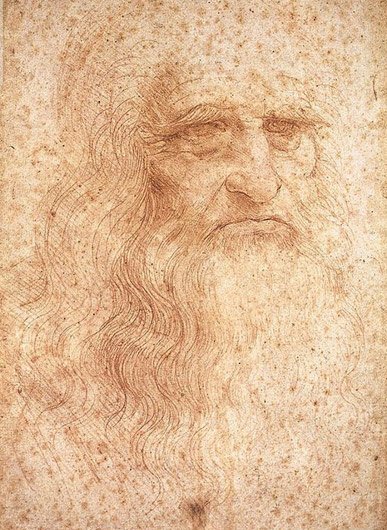
Leonardo da Vinci’s “Portrait of a Man in Red Chalk” represents a significant artistic achievement in the realm of portraiture.
This drawing, created around the late 15th century, features a male subject rendered with striking realism and detail.
The use of red chalk brings warmth to the skin tones and highlights the intricate textures of the subject’s clothing.
While the identity of the man remains uncertain, the artwork showcases da Vinci’s masterful understanding of human anatomy and expression, solidifying its place among his most notable works.
7. The Fourth Estate – Giuseppe Pellizza da Volpedo

Pellizza da Volpedo created “The Fourth Estate” between 1898 and 1901. It symbolizes the working class’s strength, featuring a group of laborers confidently marching forward.
The painting reflects Italy’s industrialization and social struggles, making it a powerful icon of Italian socialism in the early 20th century.
This masterpiece is housed in Milan’s Galleria d’Arte Moderna and continues to resonate with movements for worker’s rights.
8. Madonna of the Rose – Giulio Romano and Raphael
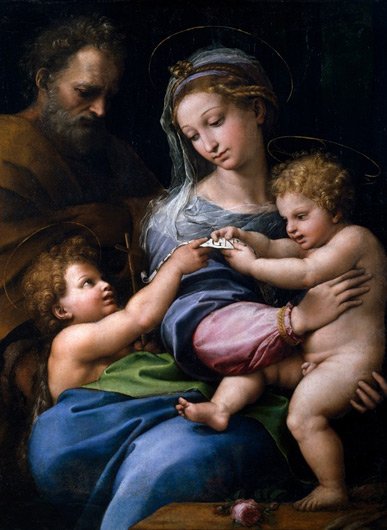
“Madonna of the Rose,” painted by Giulio Romano under the guidance of Raphael, is a stunning representation of the Virgin Mary holding the Child Jesus.
This early 16th-century work embodies the serene grace and emotional connection characteristic of the Renaissance.
The use of rich colors and delicate details captures the tenderness between mother and child, making it a celebrated masterpiece at the Palazzo Ducale in Mantua.
9. Transfiguration – Raphael
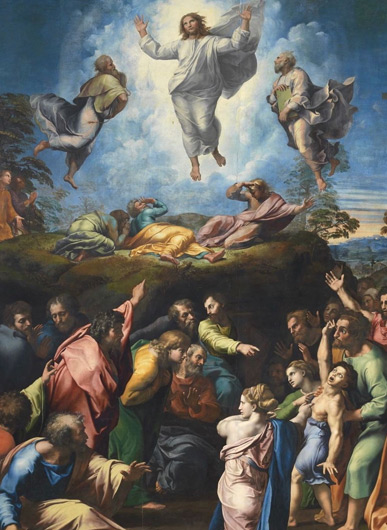
“Transfiguration,” painted by Raphael in 1520, exemplifies the emotional depth of the High Renaissance. This altarpiece depicts the moment of Christ’s transfiguration, showcasing contrasts through warm and cool tones.
Its dynamic composition highlights the drama of the biblical scene, with expressive figures surrounding Christ.
Housed in the Vatican Museums, this masterpiece remains a testament to Raphael’s innovative approach and mastery of narrative storytelling in art.
10. The Entombment of Christ – Caravaggio
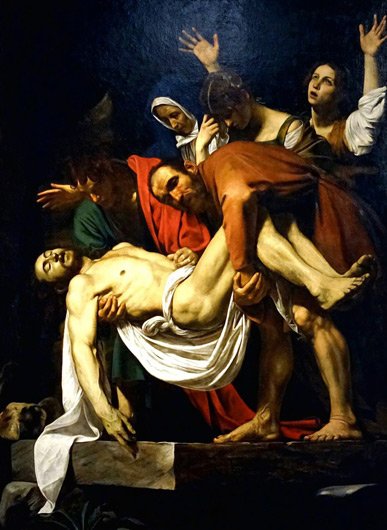
Caravaggio painted “The Entombment of Christ” between 1603 and 1604, creating a profoundly moving altarpiece for Santa Maria in Vallicella.
It depicts Christ’s body being lowered onto the anointing stone, surrounded by mournful figures like the Virgin Mary and Mary Magdalene.
This piece reflects Caravaggio’s revolutionary approach, emphasizing human emotion and realism. The original artwork resides in the Vatican’s Pinacoteca, while a copy remains within the chapel, continuing to inspire admiration.
11. Primavera – Sandro Botticelli

“Primavera,” painted by Sandro Botticelli around 1480, represents a groundbreaking shift toward mythological themes during the Renaissance.
It showcases Venus, the goddess of love, at the center, flanked by mythological figures like Mercury and the Three Graces.
This masterpiece reflects the celebration of spring and fertility, adorned colors and intricate details.
Housed in the Uffizi Gallery, “Primavera” captivates viewers, offering a glimpse into Botticelli’s exquisite style and the Florentine Renaissance’s spirit.
12. Pietà – Titian

Pietà, Titian’s unfinished masterpiece, showcases his profound skill and emotional depth. Completed posthumously by Palma Giovane, this poignant work was intended for Titian’s tomb.
It features a moving depiction of Christ’s body cradled by the Virgin Mary, highlighting themes of sorrow and redemption.
Currently housed in the Gallerie dell’Accademia in Venice, this artwork captivates viewers with its dramatic intensity colors.
13. Portrait of Innocent X – Diego Velázquez

Diego Velázquez created the “Portrait of Innocent X” in 1650, capturing the essence of the intellectual and astute pope.
This oil on canvas painting showcases the pope’s vivid red and gold vestments against a stark background.
It resides in the Galleria Doria Pamphilj in Rome, acclaimed as one of the greatest portraits ever made. The artwork’s realism and emotional depth continue to resonate with viewers today.