London’s art scene has captivated artists and art lovers for centuries. The city’s rich history and dynamic culture have inspired countless masterpieces, making it a treasure trove for anyone seeking to explore the world of art.
From the iconic works of legendary painters to contemporary pieces that reflect modern life, London boasts an impressive array of paintings that tell the story of its evolution.
In this article, we’ll dive into ten famous paintings that not only showcase the talent of their creators but also capture the essence of London itself.
Each artwork offers a unique glimpse into the city’s past and present, highlighting its diverse influences and artistic heritage.
Whether you’re a seasoned art enthusiast or a curious traveler, these masterpieces are sure to enrich your understanding of London’s artistic legacy.
1. The Fighting Temeraire – J. M. W. Turner
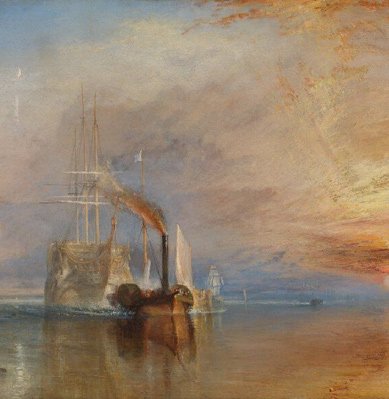
The Fighting Temeraire, painted by J. M. W. Turner, showcases the iconic battleship being towed for scrapping after its glory in the Battle of Trafalgar in 1805.
Turner masterfully captures the interplay of sea, sky, and light, with a fiery sun illuminating the scene. This poignant depiction symbolizes Britain’s decline as a maritime power.
Displayed at the National Gallery, it’s a testament to Turner’s skill and lasting impact on landscape painting.
2. Arnolfini Portrait – Jan van Eyck
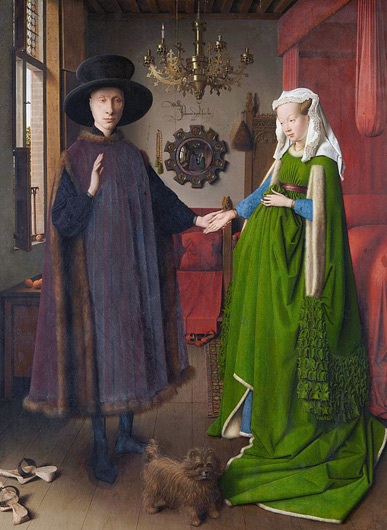
Jan van Eyck’s Arnolfini Portrait is a masterful oil painting that captures the intimate moment of a merchant and his wife in 15th-century Bruges.
This full-length portrait stands out for its exquisite detail and complex symbolism, from the rich textures of their garments to the intricate mirror reflecting the scene.
Displayed at the National Gallery, it serves as an essential example of early Northern Renaissance artistry, showcasing van Eyck’s innovative use of light and shadow.
3. Bacchus and Ariadne – Titian

“Bacchus and Ariadne,” painted by Titian in 1522-1523, showcases the mythological moment when Bacchus finds Ariadne on the island of Naxos.
Titian’s colors and dynamic compositions bring the scene to life, emphasizing the joy of Bacchus and the surprise of Ariadne.
This masterpiece, housed in the National Gallery, captures the essence of love and celebration, exemplifying the artist’s mastery of color and emotion, making it a must-see for art lovers visiting London.
4. Vase with Fifteen Sunflowers – Vincent van Gogh
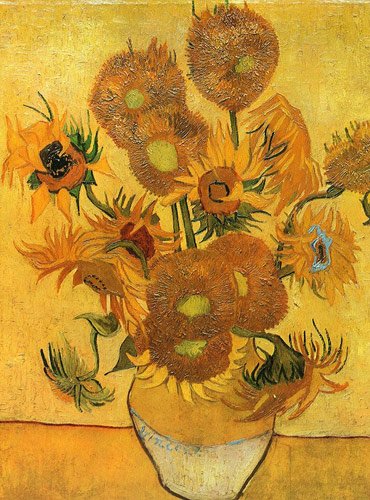
Vincent van Gogh’s “Vase with Fifteen Sunflowers,” painted in 1888, embodies hues of yellow, reflecting various stages of the sunflowers’ life.
It was designed to impress his friend Paul Gauguin while symbolizing themes of love and mortality.
The artwork resides in the National Gallery, showcasing Van Gogh’s expert use of impasto technique and emotional depth, making it an essential experience for visitors who appreciate post-impressionist artistry.
5. Rokeby Venus – Diego Velázquez
Diego Velázquez’s “Rokeby Venus” stands as a stunning representation of baroque artistry. Painted in the early 17th century, this enigmatic nude portrays Venus reclining on a bed, gazing at her reflection in a mirror held by Cupid.
Velázquez, known for his mastery of light and texture, challenges societal norms with this bold composition. Displayed in the National Gallery, it remains Velázquez’s only surviving nude, symbolizing both sensuality and the complexities of beauty in art.
6. Virgin of the Rocks – Leonardo da Vinci
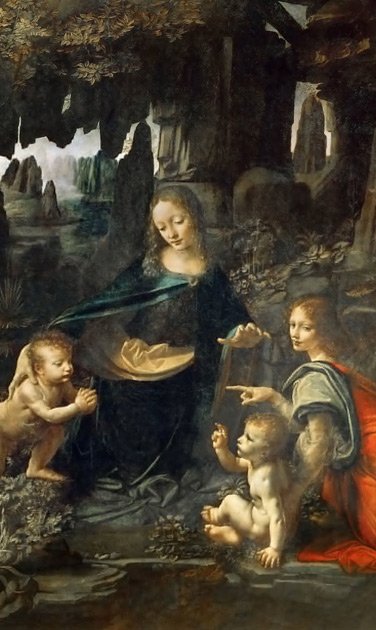
Leonardo da Vinci’s “Virgin of the Rocks,” housed in the National Gallery, stands as one of his most celebrated works.
Commissioned in April 1483, it depicts the Holy Family’s encounter with John the Baptist amidst a mystical landscape.
The painting features dramatic rock formations and intricate details, showcasing da Vinci’s mastery of chiaroscuro and composition.
Its ethereal quality, illuminated figures, and thematic depth make it a cornerstone of the High Renaissance and a must-see for visitors exploring London’s artistic treasures.
7. Supper at Emmaus – Caravaggio
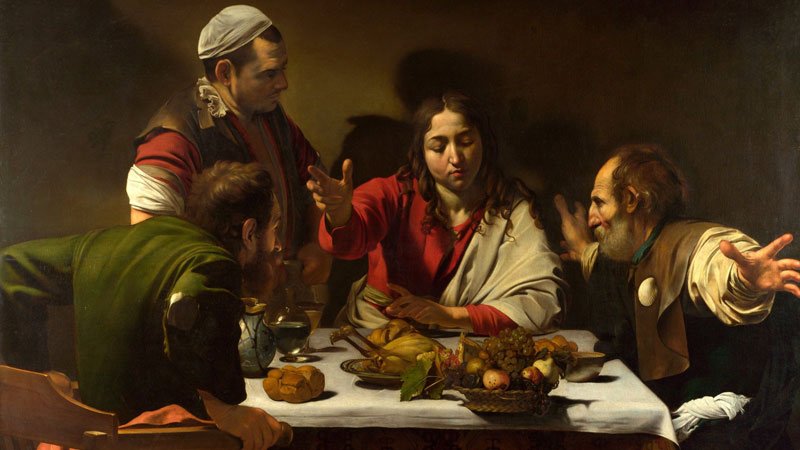
Caravaggio’s “Supper at Emmaus,” painted in 1601, captures a pivotal moment when Jesus reveals his identity after resurrection.
The composition showcases vivid realism and dramatic light, enhancing the emotional intensity of the scene. Housed in the National Gallery, this masterpiece emphasizes Caravaggio’s innovative use of chiaroscuro, highlighting expressions of astonishment and belief.
Its striking contrasts and detailed figures make it a profound example of Baroque art and a captivating sight for visitors exploring London’s rich artistic heritage.
8. The Ambassadors – Hans Holbein the Younger
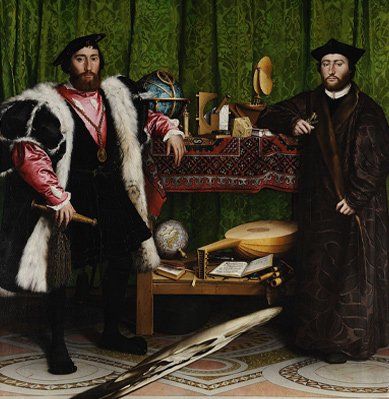
The Ambassadors, painted in 1533, is a striking double portrait by Hans Holbein the Younger. It features Jean de Dinteville and Georges de Selve, both ambassadors to England.
The painting’s elaborate details reveal Holbein’s expertise in fabric textures and complex symbolism, including the distorted skull at the bottom, representing mortality.
Housed in the National Gallery, this work exemplifies Renaissance ideals, blending realism with intricate iconography and is essential for understanding Holbein’s impact on portraiture.
9. Ophelia – John Everett Millais
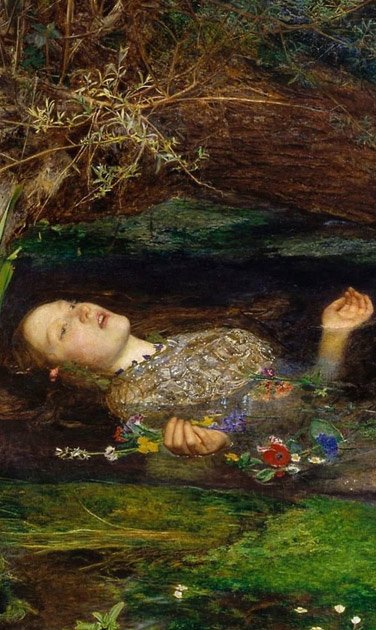
Millais’s “Ophelia” showcases a serene Ophelia in a floral embrace, surrounded by opulent blooms. The stunning work symbolizes death with poppies, innocence with daisies, and unrequited love with pansies.
Renowned for its meticulous detail, this painting was modeled after Lizzie Siddal, who posed in a bathtub, risking her health.
Displayed in Tate Britain, it represents one of the most accurate studies of nature, celebrated for its enchanting beauty and emotional depth.
10. The Hay Wain – John Constable

John Constable’s “The Hay Wain” captures the charm of the English countryside. This iconic painting, completed in 1821, illustrates a rustic scene with a cart wading through a river amidst lush greenery.
The artwork beautifully depicts daily rural life, showcasing Constable’s masterful attention to detail. Housed in the National Gallery, it draws millions of visitors each year who admire its serene landscape and romanticized view of agricultural life, reflecting Constable’s legacy in landscape painting.