Mannerism emerged as a captivating art movement in the late Renaissance, characterized by its unique blend of elegance and complexity.
Artists sought to break away from the balanced proportions and harmonious compositions of their predecessors, embracing instead a style that emphasized elongated figures and exaggerated poses.
This shift not only challenged traditional norms but also paved the way for expressive creativity. In this exploration of ten famous Mannerist paintings, readers will discover how these masterpieces reflect the emotional depth and innovative techniques that defined the era.
From the intricate details to the bold use of color, each artwork tells a story that transcends time and invites admiration.
Dive into the world of Mannerism and uncover the brilliance behind these iconic pieces that continue to inspire artists and art lovers alike.
1. Venus and Cupid (Pontormo) – Michelangelo
Venus and Cupid showcases Pontormo’s mastery of Mannerism through its colors and dynamic composition.
The painting features elongated figures, emphasizing elegance and the emotional connection between the characters.
Venus, depicted with graceful curves, cradles her son Cupid in a tender embrace, while the background swirls with soft, ethereal hues.
This artwork stands out for its innovative use of space and form, challenging traditional representations of divine figures.
It captures the essence of love and intimacy, inviting viewers to explore the emotional depth of Mannerist art.
2. Madonna with the Long Neck – Parmigianino
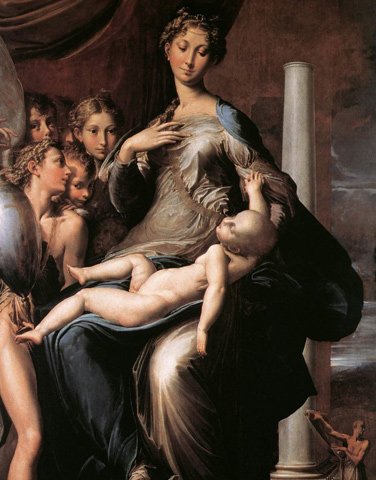
Madonna with the Long Neck stands as a hallmark of Mannerist artistry, painted by Parmigianino in 1535. The artwork features an elongated Madonna figure cradling the Christ Child, emphasizing elegance and grace.
The distorted proportions challenge traditional norms, creating an otherworldly allure. Colors and intricate details capture the eye, from the lavish fabrics to the ethereal background.
This painting exemplifies emotional depth, illustrating tenderness and spirituality, all while showcasing Parmigianino’s innovative technique that defines the Mannerist style.
3. Laocoön – El Greco
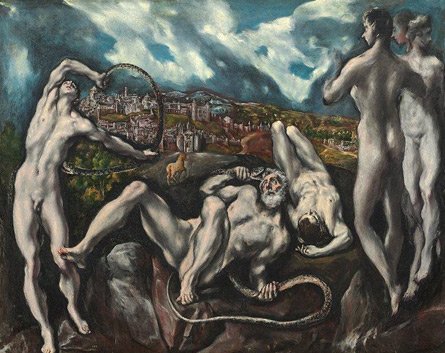
El Greco’s “Laocoön,” painted in the late 16th century, showcases Mannerist characteristics through its dramatic composition.
Elongated figures reflect intense emotion, capturing the agony of Laocoön and his sons ensnared by serpents. Vivid colors and swirling forms create dynamic movement, emphasizing the tension in the scene.
The use of stark contrasts between light and shadow further heightens the emotional impact. This masterpiece, with its intricate detailing and expressive style, embodies Mannerism’s departure from naturalistic representation, inviting viewers to ponder themes of fate and suffering.
4. The Burial of the Count of Orgaz – El Greco
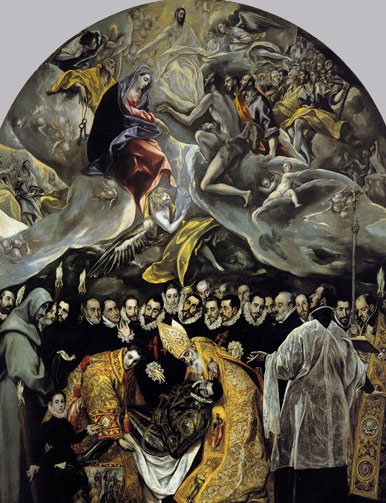
“The Burial of the Count of Orgaz,” painted by El Greco in 1586, exemplifies Mannerism’s emotional intensity and spiritual themes.
This masterpiece features the elongated figures of saints and mourners, emphasizing a divine connection between heaven and earth.
Vivid colors enhance the dramatic contrasts, drawing attention to the count’s lifeless body. The swirling composition guides the viewer’s eye toward the celestial realm, showcasing El Greco’s innovative style.
This painting not only reflects the artist’s masterful technique but also invites contemplation of mortality and the afterlife, ingraining itself as a cornerstone of Mannerist art.
5. Volterra Deposition – Rosso Fiorentino
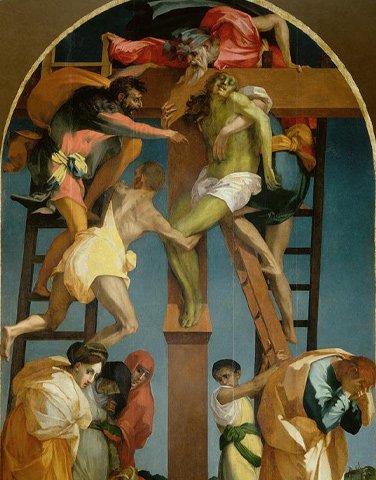
Rosso Fiorentino’s “Volterra Deposition,” painted around 1521, exemplifies Mannerism through its dramatic and emotional composition.
This artwork depicts the moment Christ’s body is taken down from the cross. Elongated figures express anguish, enhancing the scene’s emotional intensity.
Vivid colors, especially striking reds and blues, create a sense of movement and urgency. The complex arrangement of figures adds depth, drawing viewers into the somber narrative.
The swirling forms and expressive poses reflect Rosso’s innovative style, making this an iconic piece in the Mannerist canon.
6. The Wedding at Cana – Paolo Veronese
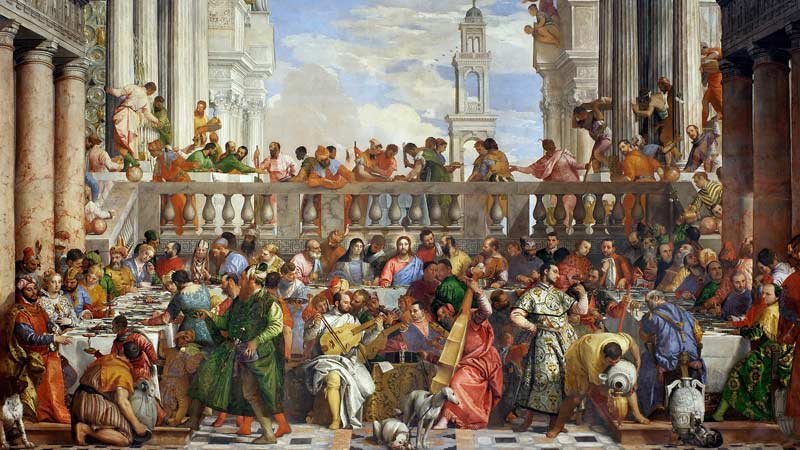
The “Wedding at Cana,” painted in 1563 by Paolo Veronese, exemplifies Mannerism through its grandeur and intricate details.
The artwork captures the biblical narrative of Jesus’s first miracle at a wedding feast. Colors and dynamic poses showcase the opulence of the celebration, with elongated figures packed into a lively scene.
Veronese’s use of dramatic perspectives creates depth, inviting viewers into the festivity. Each character, from the distinguished guests to the astonished servants, adds to the emotional richness, making this masterpiece a stunning representation of Mannerist innovation and theatricality.
7. View of Toledo – El Greco

“View of Toledo,” painted by El Greco in 1596, showcases Mannerism through its unique blend of realism and dramatic expression.
The painting depicts the city of Toledo under a turbulent sky, illustrating intense emotion through its swirling clouds and vivid colors.
El Greco employs elongated forms in the buildings, enhancing the city’s grandeur. The contrast between light and shadow adds depth, inviting viewers to experience the spiritual connection the artist felt toward the landscape.
This masterpiece embodies the emotional essence of Mannerism while reflecting El Greco’s distinct style and innovative vision.
8. The Feast in the House of Levi – Paolo Veronese
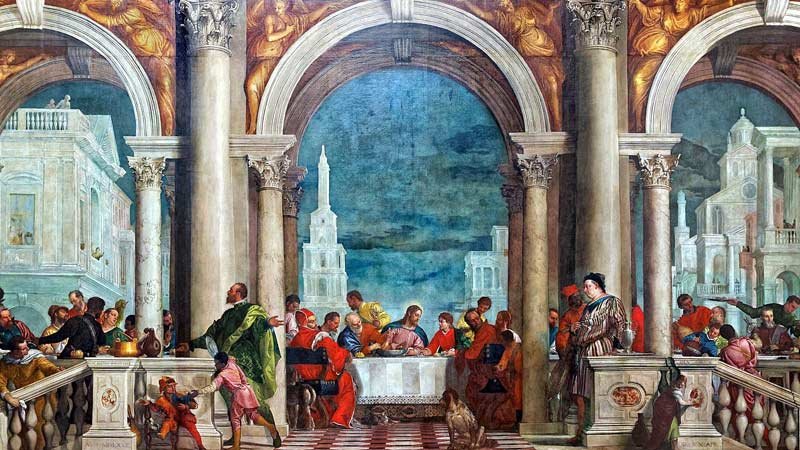
Veronese’s “The Feast in the House of Levi,” created in 1573, showcases Mannerist features through its colors and elaborate composition.
The painting depicts a grand banquet with a multitude of elongated figures, capturing the celebratory atmosphere of the scene.
Veronese’s innovative use of dramatic perspective draws the viewer’s eye throughout the canvas, highlighting the array of expressions and interactions among guests.
The sumptuous details, from lavish garments to intricate table settings, reflect a blend of realism and theatricality. This masterpiece exemplifies the opulence and complexity that define Mannerist art.
9. The Fall of Man – Titian
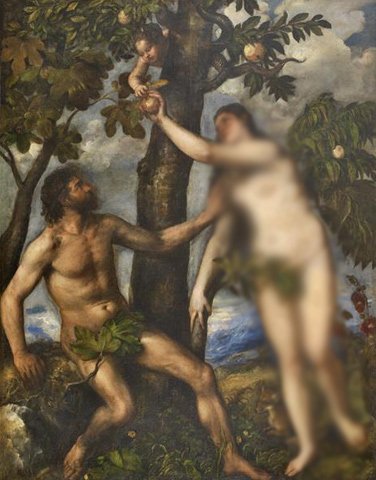
Titian’s “The Fall of Man,” painted around 1550, embodies Mannerism through its rich symbolism and complex composition.
The artwork portrays the biblical moment of Adam and Eve’s temptation with elongated figures that illustrate their moment of disobedience.
Vivid colors accentuate the emotional tension, while elaborate details, from the lush foliage to the expressions on their faces, invite viewers into the narrative.
The painting’s dramatic use of light and shadow enhances the depth and emotional impact, highlighting Titian’s mastery of Mannerist techniques. This iconic piece enshrines the themes of innocence lost and the complexities of human nature.
10. Miracle of the Slave – Tintoretto
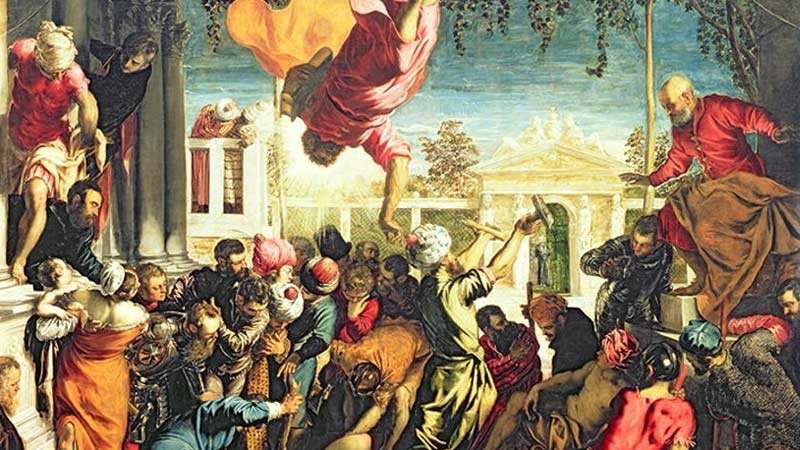
Tintoretto’s “Miracle of the Slave,” painted in 1548, exemplifies Mannerism with its dramatic interplay of composition and emotion.
The painting depicts St. Mark saving a Christian slave from execution, showcasing elongated figures that enhance the tension and urgency of the moment.
Vivid colors and dynamic poses draw viewers into the extraordinary scene, emphasizing the miracle’s spiritual significance.
The intricate details, from the expressive faces to the swirling drapery, highlight Tintoretto’s mastery of light and shadow, creating a compelling visual narrative that captivates the audience’s attention.