
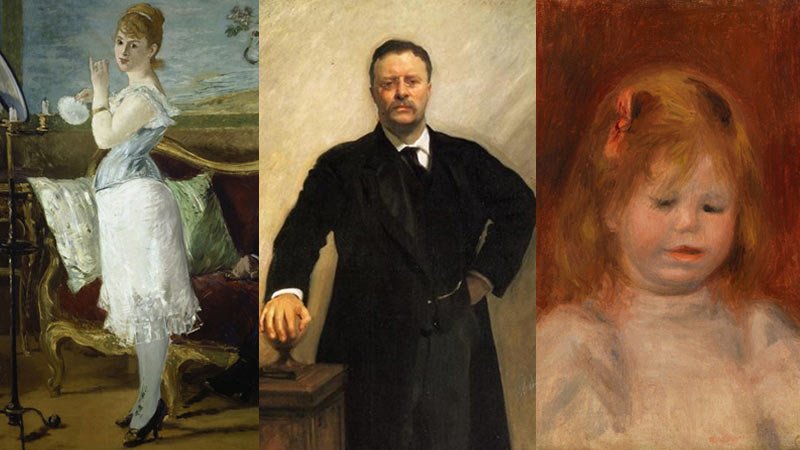
Impressionism revolutionized the art world in the 19th century by capturing fleeting moments and the interplay of light and color.
This innovative movement, born in France, emphasized painting en plein air, allowing artists to depict everyday life with a fresh perspective.
As a result, a wealth of stunning portraits emerged, showcasing not just the subjects but also the emotions and atmosphere surrounding them.
Celebrating the 150th anniversary of Impressionism, art enthusiasts can explore ten of the most famous Impressionist portraits that defined this era.
From Claude Monet’s evocative works to the poignant depictions by Mary Cassatt, these masterpieces reflect the unique characteristics of the movement.
Each portrait tells a story, inviting viewers to experience the beauty and complexity of the human experience through the lens of Impressionism.
1. Little Girl in a Blue Armchair – Mary Cassatt

Mary Cassatt’s Little Girl in a Blue Armchair captures a moment filled with innocence and tranquility. Painted in 1878, it showcases a young girl seated in a vibrant blue armchair alongside a sleeping dog.
Cassatt employs bold, contrasting colors and distinct brush strokes to engage viewers, encouraging their interpretation of the scene.
The light filtering through the doors enhances the composition, reflecting Cassatt’s mastery of Impressionism and her unique perspective on childhood.
This work stands as a testament to her innovative contributions to the movement, influenced significantly by her mentor, Edgar Degas.
2. Place de la Concorde – Edgar Degas
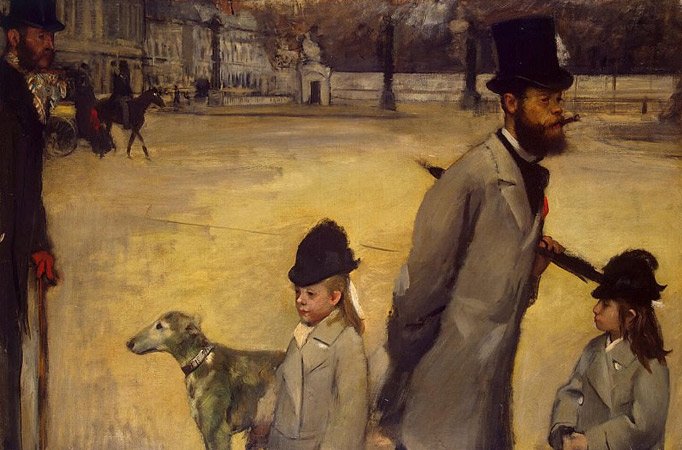
Degas painted “Place de la Concorde” in 1875, capturing a public square in Paris. It showcases artist Ludovic Napoléon Lepic alongside his daughters and dog.
The composition features a significant amount of negative space, cropped figures, and an unusual arrangement, reflecting Degas’s inspiration from photography.
This work highlights Degas’s unique ability to blend Impressionist elements with classical composition, further solidifying his role within the movement while depicting everyday life with a touch of elegance.
3. La Loge – Pierre-Auguste Renoir
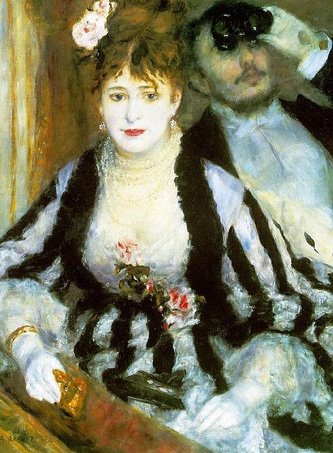
“La Loge,” painted in 1874, captures a moment of sophistication and intrigue within Parisian theater culture. Renoir showcases a lady in an elegant evening gown, seated in a box, while a gentleman appreciates her beauty.
This portrait highlights Renoir’s masterful use of light to depict reflections on her dress, creating a sense of intimacy.
The vibrant colors and lively brush strokes exemplify his signature style, merging emotion with the joy of social interaction.
“La Loge” remains a timeless representation of Impressionism’s celebration of life and leisure in 19th-century France.
4. Berthe Morisot with a Bouquet of Violets – Édouard Manet
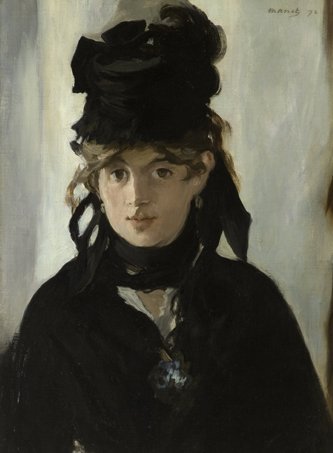
Berthe Morisot with a Bouquet of Violets, painted in 1872, showcases Morisot, a leading female figure in Impressionism.
Manet captures her grace as she holds a vibrant bouquet, emphasizing her delicate features and introspective expression. The soft brush strokes and light palette reflect the intimacy and immediacy of the moment.
This portrait not only highlights Morisot’s beauty but also her significant role in the Impressionist movement, further solidifying her position among the era’s great artists.
5. Girl with Peaches – Valentin Serov
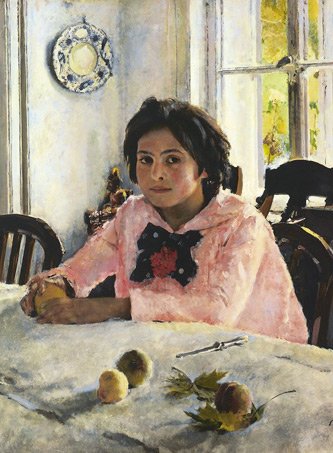
Valentin Serov’s painting “Girl with Peaches,” created in 1887, captures the essence of youth and exuberance. This portrait features a young girl holding ripe peaches, vividly representing the joys of childhood.
Serov’s delicate brushwork and mastery of light create a lifelike quality, enhancing the girl’s rosy complexion and the lushness of the fruit.
The warm colors evoke a sense of warmth and intimacy, inviting viewers to connect with the moment. This work exemplifies Serov’s significant role in bridging the gap between Impressionism and Russian realism, making it a standout piece in art history.
6. Nana – Édouard Manet
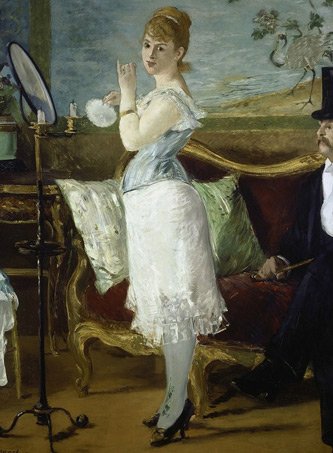
Manet’s “Nana,” created in 1877, presents a powerful portrayal of a Parisian courtesan. It captures Nana’s confident expression as she gazes directly at the viewer, dressed in vibrant colors that convey seduction.
The painting’s loose brushstrokes and bold use of light create a vivid, almost theatrical atmosphere. This work reflects Manet’s innovative approach to modern life, blurring the lines between elegance and the stark realities of society.
“Nana” remains a quintessential example of Impressionist art’s ability to shock and challenge traditional portrayals of women.
7. Self-Portrait with Palette – Édouard Manet
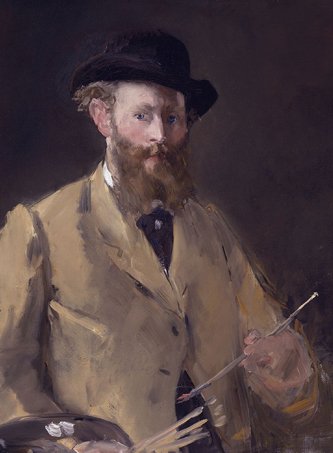
Édouard Manet’s “Self-Portrait with Palette,” created in 1878, showcases the artist’s profound self-awareness and dedication to his craft.
Manet captures himself in a contemplative pose, holding a palette filled with vibrant colors. The dynamic brushwork and rich tones reveal his unique style while reflecting his confidence as a leading figure in Impressionism.
This portrait not only emphasizes his identity as an artist but also serves as a testament to the evolution of artistic expression during the movement, inviting viewers to appreciate the layers behind the canvas.
8. Portrait of Jean Renoir – Pierre-Auguste Renoir
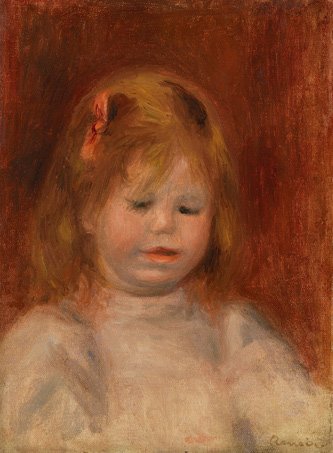
Renoir painted “Portrait of Jean Renoir” in 1910, capturing his son with warmth and affection. The piece features Jean in a vibrant shirt, conveying youthful energy and playfulness.
Renoir’s characteristic brushstrokes and rich color palette enhance the intimate connection between father and son.
This portrait not only exemplifies Renoir’s style but also highlights his personal life, showcasing the influence of family within the Impressionist movement.
9. Self-Portrait with a Beret – Claude Monet

Monet’s “Self-Portrait with a Beret,” created in 1886, showcases the artist’s introspective nature and commitment to his craft.
Monet’s confident gaze captures his artistic spirit, while the beret symbolizes his identity as a painter. The soft brush strokes and subtle color palette reflect his Impressionist style, emphasizing light and shadow.
This piece serves as a pivotal exploration of self, offering insights into the mind of one of the movement’s founders, establishing a personal connection with viewers through his authenticity and artistic vision.
10. Portrait of Theodore Roosevelt – John Singer Sargent
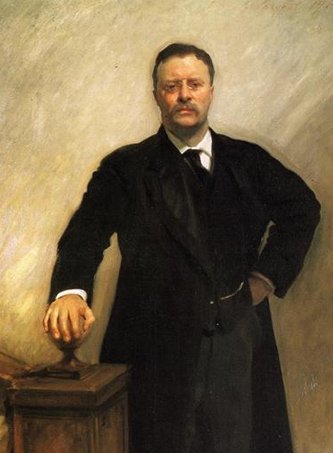
John Singer Sargent’s “Portrait of Theodore Roosevelt,” created in 1903, captures the essence of the 26th President of the United States.
Sargent employs bold brushstrokes and a dramatic use of light to highlight Roosevelt’s imposing figure and confident demeanor.
The portrait features Roosevelt in a stylish suit, with a focused expression that reflects his dynamic personality.
Sargent’s masterful technique showcases the balance between realism and Impressionist flair, emphasizing Roosevelt’s larger-than-life presence in American history.


