

The Museum of Modern Art (MoMA) stands as a beacon of creativity and innovation in the heart of New York City.
Renowned for its extensive collection of modern and contemporary art, MoMA showcases masterpieces that have shaped the art world.
Among its treasures, ten iconic paintings capture the imagination and provoke thought, inviting visitors to explore the depths of artistic expression.
From bold colors to revolutionary techniques, these works reflect the evolution of art through the 20th century and beyond. Each painting tells a unique story, offering insights into the minds of visionary artists.
Whether you’re an art aficionado or a casual observer, these masterpieces promise an unforgettable experience that transcends time and culture.
1. The Starry Night – Vincent van Gogh
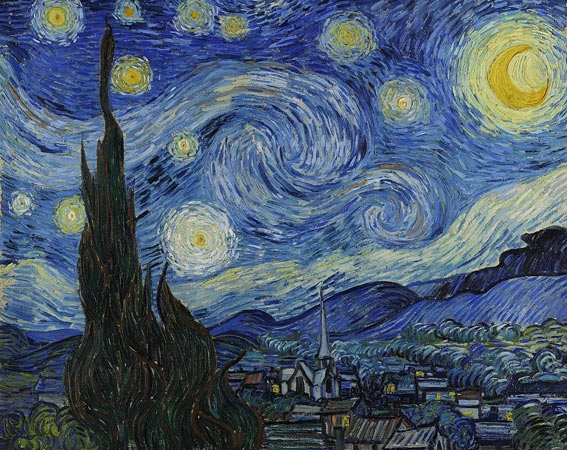
Vincent van Gogh’s “The Starry Night” is an iconic masterpiece housed at MoMA. Painted in 1889, it showcases the swirling skies over a tranquil village.
Rich in color, the artwork captures emotion through expressive brushstrokes. Van Gogh painted this while in an asylum, seeking solace in his creativity.
The iconic cypress tree reaches toward the sky, adding a dramatic element to the landscape. Scholars believe the piece reflects van Gogh’s tumultuous psyche and his struggle with mental health. This painting continues to inspire millions, symbolizing hope and the beauty of the night.
2. L’Atelier Rouge – Henri Matisse
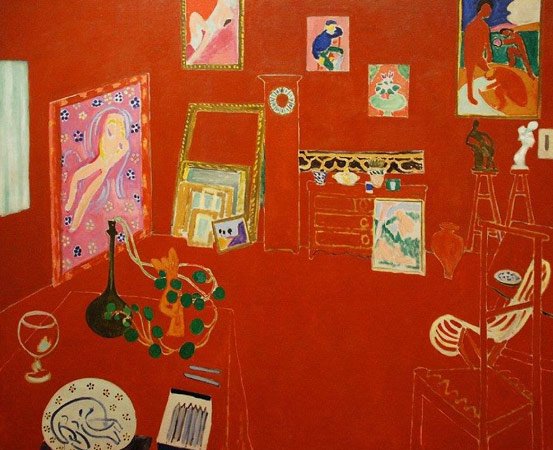
L’Atelier Rouge, painted by Henri Matisse in 1911, showcases the artist’s innovative approach to color and composition.
This vibrant canvas captures a studio space filled with color, emphasizing a bold red backdrop that energizes the entire scene.
Observers can spot various elements, including furniture and artworks, which convey Matisse’s fascination with artistic creation. Each brushstroke reflects his desire to express emotion through color, making it a cornerstone of Fauvism.
It represents not just a physical space but also a deeply personal insight into Matisse’s creative process. This masterpiece invites viewers to consider the relationship between environment and artistry.
3. The Persistence of Memory – Salvador Dalí
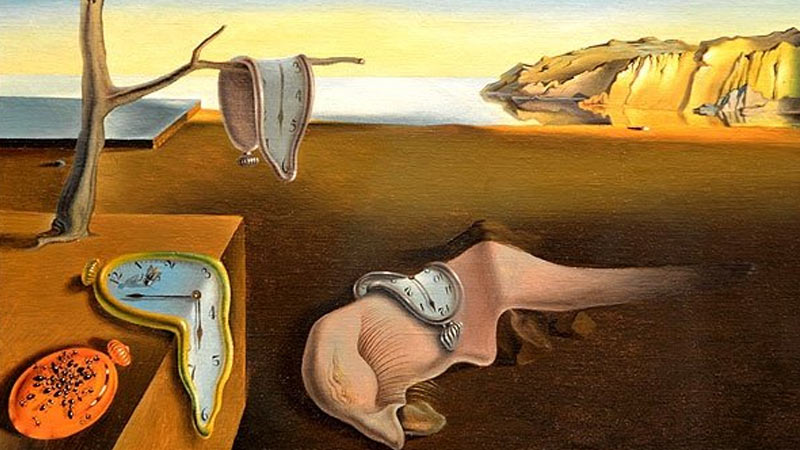
“Persistence of Memory,” painted by Salvador Dalí in 1931, stands as a surreal masterpiece that explores the concept of time.
This iconic artwork features melting clocks draped over a dreamlike landscape, suggesting the fluidity and relativity of time.
Dalí’s meticulous details, from the stark branches to the eerie figure in the foreground, evoke a sense of uncanny reality.
The painting’s dreamlike quality invites viewers to ponder the nature of memory and existence. Dalí employed soft, organic shapes combined with sharp contrasts to enhance the surreal atmosphere.
Each element captures the viewer’s imagination, making it a pivotal piece in modern art and a must-see at MoMA.
4. Les Demoiselles d’Avignon – Pablo Picasso

“Les Demoiselles d’Avignon,” created by Pablo Picasso in 1907, stands as a groundbreaking work in art history.
This painting features five nude women, each depicted with angular forms and fragmented features, challenging traditional representations of the female body.
The bold use of color and geometric shapes signals the emergence of Cubism, a style that Picasso helped pioneer.
Art historians admire this piece for its innovative approach to perspective and composition. Characters in the painting engage the viewer with their direct gaze, creating an intense emotional connection.
Notably, the artwork draws inspiration from African masks, which influences the portrayal of the figures.
At MoMA, “Les Demoiselles d’Avignon” captivates audiences, showcasing Picasso’s skill and visionary artistry.
Its significance unleashes discussions about gender, representation, and the evolution of modern art, making it a must-see among other iconic works.
5. Campbell’s Soup Cans – Andy Warhol

Andy Warhol’s “Campbell’s Soup Cans,” created in 1962, marks a pivotal moment in the art world. This iconic series features 32 canvases, each representing a different flavor of Campbell’s soup.
Warhol’s choice to elevate everyday products challenges traditional views of art, blurring the lines between commerce and creativity.
Each canvas showcases bright, bold colors that capture attention, reflecting the visual language of advertising.
The repetition in the series emphasizes the concept of mass production and consumer culture. Warhol’s innovative use of silkscreen techniques allows for each can to maintain a distinct presence while being part of a unified collection.
This work invites discussion about consumerism and artistic expression, making it a vital piece in MoMA’s collection.
6. The Dream – Henri Rousseau
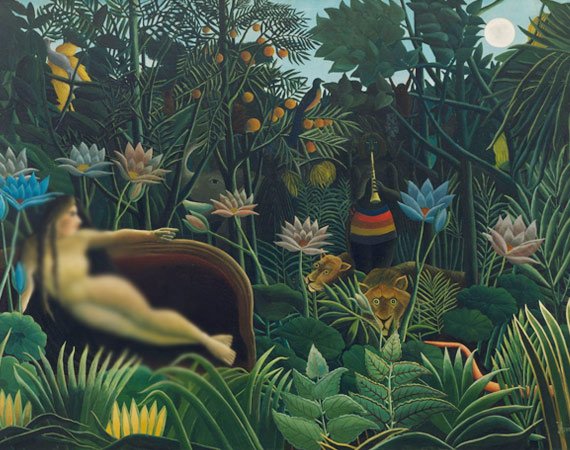
“The Dream,” painted by Henri Rousseau in 1910, presents a captivating exploration of imagination and fantasy.
This vibrant piece depicts a woman resting on a sofa surrounded by a lush jungle teeming with exotic flora and fauna.
Rich colors and intricate details immerse viewers in a dreamlike world, highlighting Rousseau’s unique ability to blend reality with fantasy.
Art historians often praise Rousseau for his self-taught approach, which contributes to the painting’s naive yet enchanting style.
The dream’s serene atmosphere invites contemplation, allowing each observer to interpret the scene in their own way.
Visitors to MoMA can appreciate how “The Dream” exemplifies Rousseau’s departure from conventional techniques, making it an essential artwork within the museum’s collection.
7. The Lovers – René Magritte
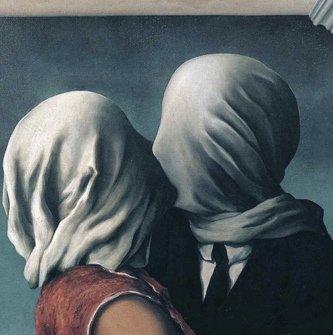
René Magritte’s “The Lovers,” created in 1928, intrigues viewers with its mysterious theme. This iconic piece features two figures, faces obscured by fabric, locked in an embrace.
Magritte challenges perceptions of intimacy and identity, urging onlookers to ponder deeper connections beyond superficial appearances.
Colors in “The Lovers” are muted, predominantly utilizing shades of green and white, enhancing the enigmatic atmosphere.
The surreal quality captivates the imagination, reflective of Magritte’s unique approach to art. Interpretations of this work vary, prompting conversations about desire, the unknown, and the complexities of love.
“The Lovers” remains a significant highlight at MoMA, illustrating Magritte’s mastery in blending surrealism with thought-provoking narratives.
8. The City Rises – Umberto Boccioni

Umberto Boccioni’s “The City Rises,” painted in 1910, captures the dynamic energy of urban life. This masterpiece embodies Futurism with its striking use of movement and color.
Figures in motion and swirling shapes together create a sense of frenzy typical of modern cities. Boccioni sought to celebrate the machine age, reflecting the excitement and chaos of progress.
Brushstrokes blend seamlessly, conveying a powerful impression of growth and advancement. Urban architecture rises in the background, representing the rapid development of society.
Interpretations of the painting often highlight the tension between the individual and the industrial landscape.
“The City Rises” invites viewers to reflect on the transformative power of urbanization, making it a significant part of MoMA’s collection.
9. Girl before a Mirror – Pablo Picasso
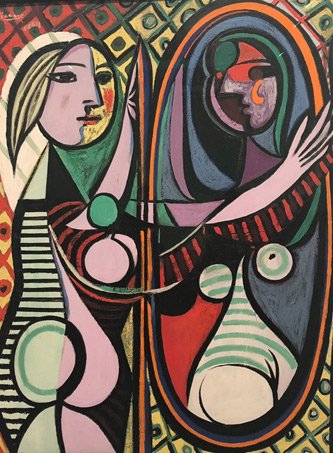
“Girl before a Mirror,” created in 1932, showcases Picasso’s distinctive style and emotional depth. The piece features a young woman gazing at her reflection, filled with bold colors and geometric patterns.
Shapes and hues dance across the canvas, highlighting the contrast between reality and perception. Exploration of identity takes center stage in this work.
The woman’s reflection is distorted, suggesting an inner conflict and the complexities of self-image. Picasso’s use of vibrant colors evokes energy, inviting viewers to delve into their interpretations.
Fascination with the dual themes of beauty and introspection captivates art lovers. This painting exemplifies his breakthrough period and remains a pivotal piece in MoMA’s collection, sparking dialogue about the multifaceted nature of human experience.
10. Christina’s World – Andrew Wyeth
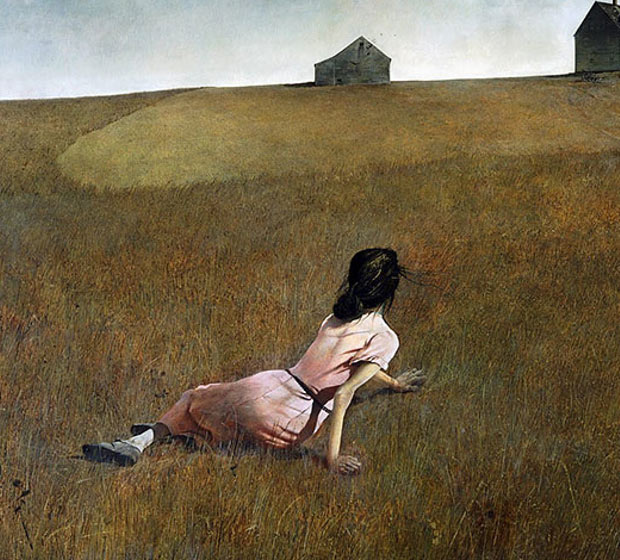
Andrew Wyeth’s “Christina’s World,” painted in 1948, is a defining piece of American art. This iconic work depicts a woman lying on the grass, gazing at a distant farmhouse, evoking themes of longing and isolation.
The landscape is rendered in muted tones, contributing to the painting’s emotional depth. Wyeth’s detailed brushwork brings the scene to life, showcasing both the beauty and starkness of rural America.
Viewers often interpret the figure, Christina Olson, who suffered from a muscular disease, as a representation of resilience, making this painting a poignant exploration of human spirit.


