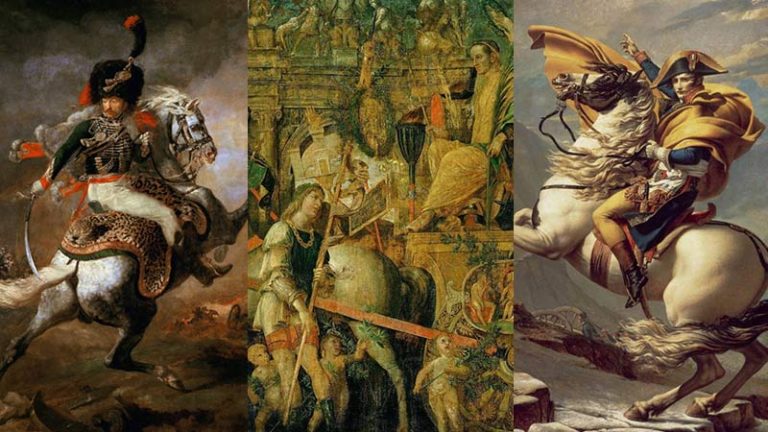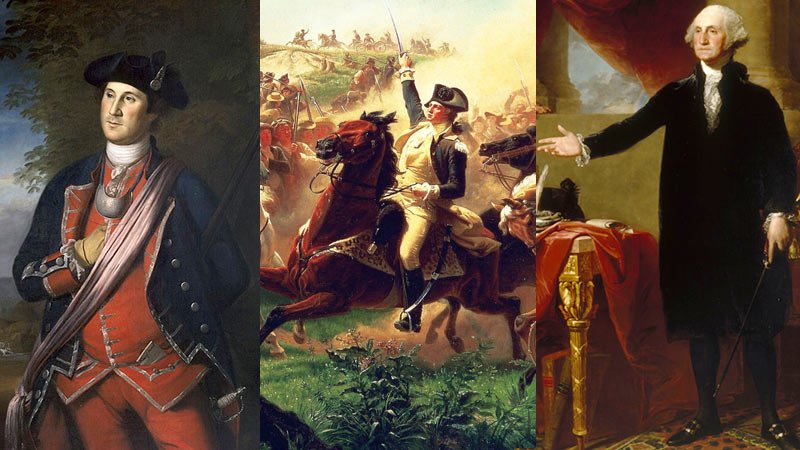
George Washington, a pivotal figure in American history, has inspired countless artists to capture his legacy through various forms of art.
As the first President and a key leader during the Revolutionary War, his image has been immortalized in paintings, sculptures, and more, reflecting the profound impact he had on the nation.
Each artwork tells a story, revealing not just Washington’s character but also the historical context of his time.
This article explores ten of the most famous paintings featuring George Washington. From iconic pieces like “Washington Crossing the Delaware” to lesser-known works by talented artists, these masterpieces offer a glimpse into the life and times of a leader who shaped the United States.
Delve into the artistry and significance of these works as we celebrate the enduring legacy of George Washington.
1. Lansdowne Portrait – Gilbert Stuart

Lansdowne Portrait, created by Gilbert Stuart in 1796, is regarded as one of the most iconic images of George Washington.
Commissioned by Lord Lansdowne, this life-sized work symbolizes unity between the United States and Great Britain.
Painted during Washington’s presidency, it showcases him in a dignified pose, emphasizing his leadership. Stuart’s meticulous technique highlights Washington’s features, making the painting a lasting representation of American ideals.
This masterpiece now resides in the East Room of the White House, continuing to influence perceptions of Washington’s legacy.
2. Washington Crossing the Delaware – Emanuel Leutze
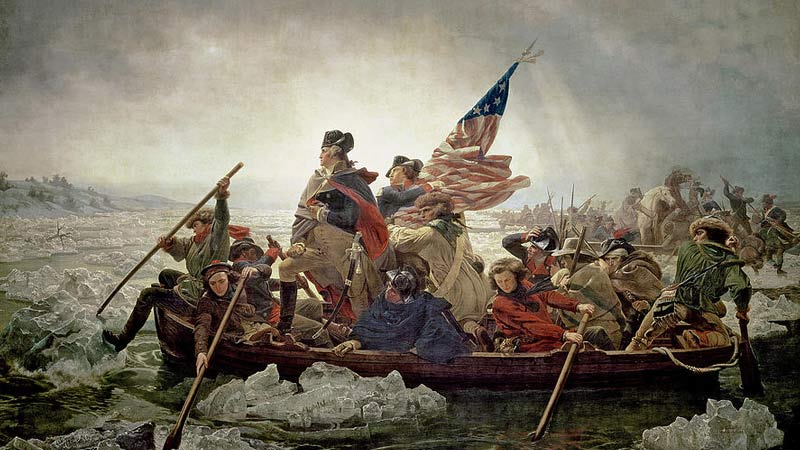
Emanuel Leutze completed “Washington Crossing the Delaware” in 1851, capturing a pivotal moment in American history.
The painting depicts George Washington leading his troops across the icy Delaware River on Christmas night, aiming to surprise the Hessian mercenaries.
Dramatic elements, like the foggy atmosphere and exaggerated ice floes, enhance the heroic portrayal. Leutze’s work embodies perseverance and leadership, solidifying Washington’s legacy.
Despite historical inaccuracies, this iconic piece remains a cultural symbol of American resilience and determination during the Revolutionary War.
3. George Washington at the Battle of Princeton – Charles Willson Peale
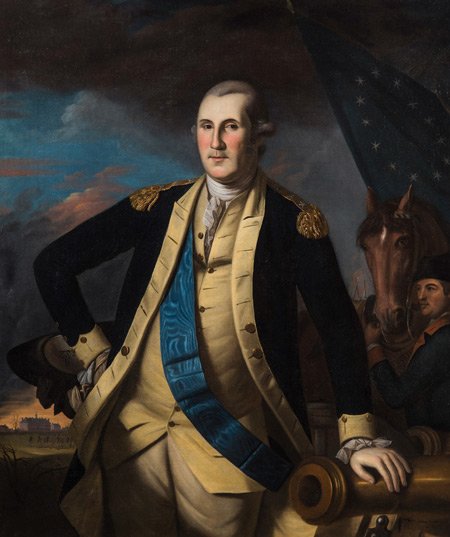
Charles Willson Peale painted “George Washington at the Battle of Princeton” in 1782, capturing Washington in a relaxed pose as he surveys the battlefield aftermath.
This artwork highlights Washington’s military leadership following the pivotal American victory over the British Royal Army.
Peale’s portrayal features a more realistic representation, with Washington’s rounded jaw and approachable features, contrasting later, more idealized images.
The success of this portrait led to numerous replicas, reflecting its popularity and importance in American art history, while also emphasizing Washington’s critical role in shaping the nation.
4. Washington Crossing the Delaware – George Caleb Bingham
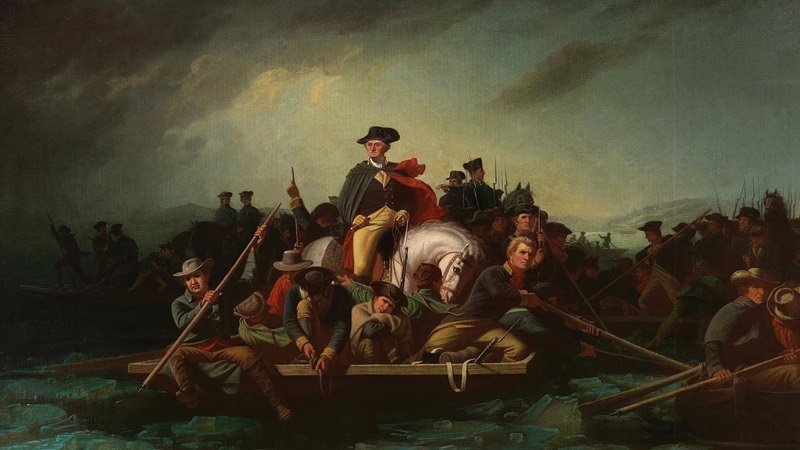
George Caleb Bingham painted “Washington Crossing the Delaware” in 1871, nearly a century after the event.
Bingham’s artwork reflects a dramatic interpretation, featuring Washington on his favorite horse, Nelson, amid floating chunks of ice.
The soldiers, exhausted and huddled under blankets, convey the harsh realities of a frigid Christmas night. Unlike Emanuel Leutze’s depiction, Bingham’s portrayal captures the spirit of resilience while highlighting historical inaccuracies.
This painting, notable for its depiction of a pivotal moment, showcases Washington’s leadership and determination during the American Revolutionary War.
5. Washington at the Delaware – Edward Hicks

Hicks created “Washington at the Delaware” in 1849, offering a realistic view of the crossing. The painting portrays Washington directing his troops as they load artillery onto a ferry during a critical moment.
He captures the urgency of the scene with soldiers hurriedly preparing for the crossing. Hicks, having visited the actual site, added depth to the details, ensuring authenticity.
This work diverges from other artistic interpretations by prioritizing historical accuracy, highlighting Washington’s strategic leadership on that fateful Christmas night.
6. Washington at Verplanck’s Point – John Trumbull
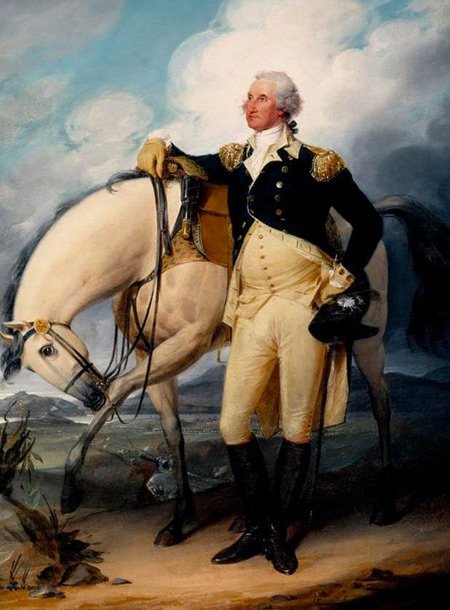
John Trumbull painted “Washington at Verplanck’s Point” in 1790, capturing a significant moment of leadership.
The artwork showcases Washington observing the French troops after the decisive victory at Yorktown. Trumbull’s attention to detail highlights Washington’s poised demeanor, signifying his command over both American and allied forces.
Today, this painting resides at the Winterthur Museum in Delaware, serving as a testament to Washington’s enduring legacy and the vital alliances forged during the Revolutionary War.
7. Portrait of George Washington – Robert Edge Pine
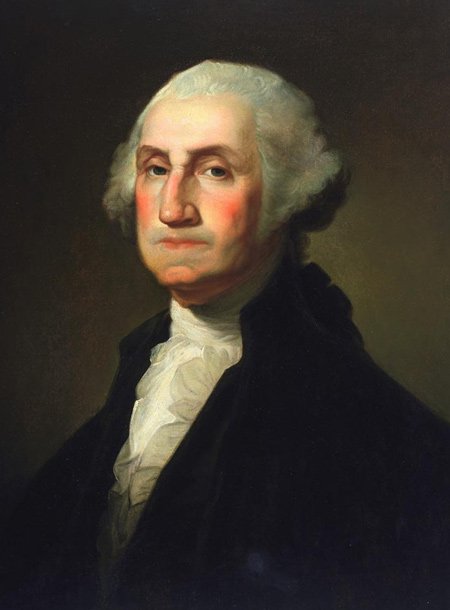
Robert Edge Pine painted “Portrait of George Washington” in 1785, capturing the aging general during a pivotal moment in American history.
This work features Washington in his uniform against a dark backdrop, highlighting his dignity and resolve after the Revolutionary War. The painting reflects Washington’s transformation from a military leader to a respected elder statesman.
Pine’s portrayal serves as a remarkable representation of the man who shaped a nation, adding depth to Washington’s legacy and offering insight into his character during his retirement years.
8. Portrait of George Washington Wearing his Colonel’s Uniform of the Virginia Regiment – Charles Willson Peale
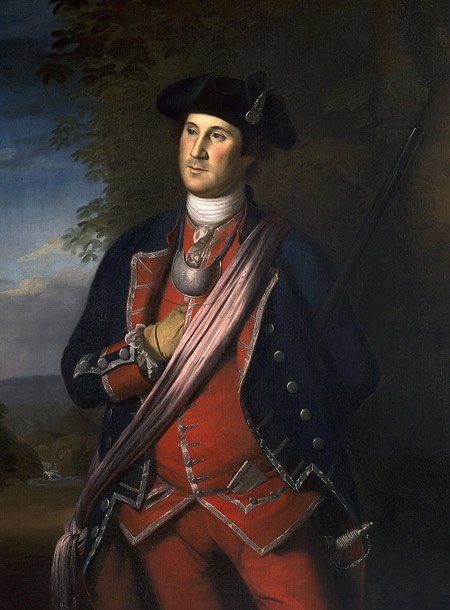
Charles Willson Peale created this iconic painting in 1772, portraying a young George Washington in his Colonel’s uniform.
The focus on Washington’s posture and expression reveals his confidence and determination. Peale’s meticulous attention to detail captures the blue coat with scarlet facings, emblematic of his rank during the French and Indian War.
Commissioned by Martha Washington, this artwork reflects both personal and historical significance, serving as a companion piece to her own portrait. It remains one of the most accurate depictions of Washington before his rise to national prominence.
9. Washington Rallying the Troops at Monmouth – Emanuel Leutze
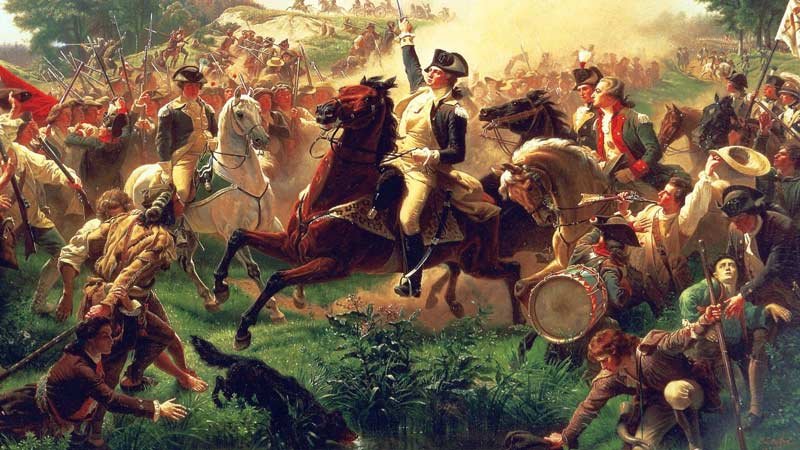
Emanuel Leutze painted “Washington Rallying the Troops at Monmouth” in 1857, capturing a dynamic moment during the Battle of Monmouth in 1778.
Leutze’s artwork illustrates Washington as a decisive leader, urging his troops amid the chaos of battle. The vivid colors and dramatic composition emphasize Washington’s leadership qualities, highlighting the determination of the American forces.
This piece serves as a tribute to Washington’s resilience in rallying his men against British aggression, showcasing the spirit of the Revolutionary War through its energetic portrayal of unity and courage.
10. Vaughan Portrait – Gilbert Stuart
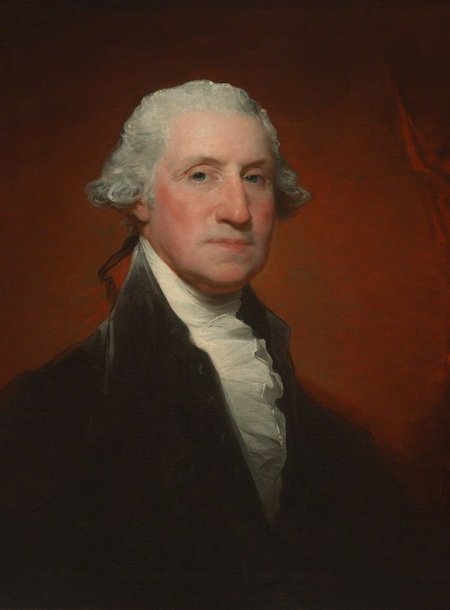
Stuart’s Vaughan Portrait, completed in 1795, captures George Washington in a distinguished manner. This notable painting reflects Washington’s maturity as he served as president for six years.
He appears in three-quarter profile, showcasing his commanding presence and refined features. The sweeping curtain symbolizes state authority, reinforcing his leadership.
Art historians admire how the portrait highlights Washington’s dignified demeanor, with his hair styled in a soldier’s queue and a velvet suit coat that signifies wealth and stature. The portrait remains an influential representation of Washington and enhances his legacy.