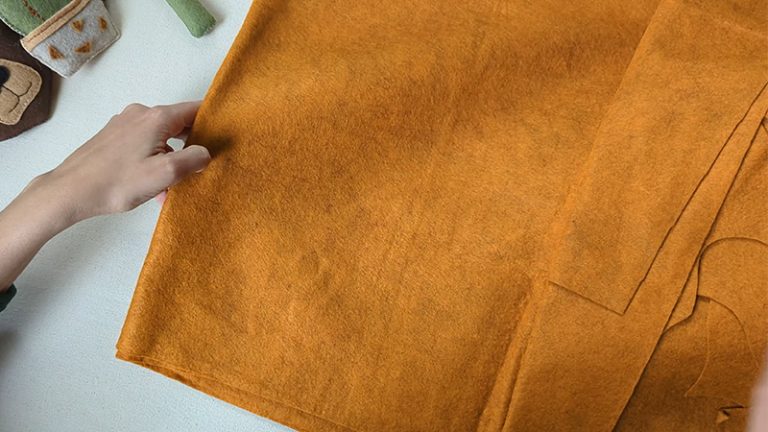
At its core, chiffon is not defined by a single fiber type, but rather by its characteristics and weave structure. It serves as a term applied to a wide variety of fabrics that exhibit similar qualities.
The most recognizable traits of chiffon fabric are that it is sheer, light, and semi-transparent. This delicate appearance is achieved through a specific weaving technique that creates a simple weave structure.
The name “chiffon” originates from French, literally translating to “cloth” or “rag”. However, over time, this word has become synonymous with any type of lustrous, sheer fabric woven in this particular style.
Looking closer at its intrinsic properties, chiffon offers several notable characteristics:
- High breathability
- Medium moisture-wicking abilities
- Low heat retention abilities
- Medium stretchability (give)
- Low tendency for pilling or bubbling
- It possesses a relatively rough feel
- It is incredibly delicate
- It has a slippery texture
These combined properties give chiffon its unique drape, flow, and handle, making it suitable for specific applications where a light, airy, and semi-transparent effect is desired.
The Weaving Magic: How Chiffon is Made?
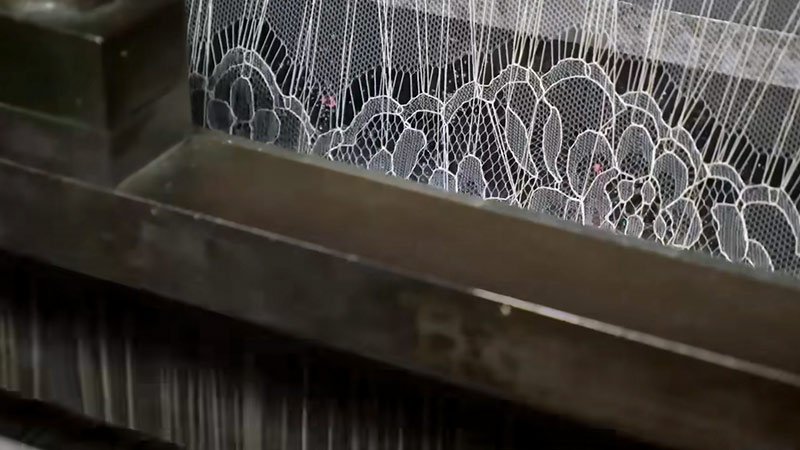
The production of chiffon fabric is primarily distinguished by its unique weaving method, regardless of the base material used.
The Base Materials
While historically made from silk, chiffon can be produced using various fibers today, including cotton, nylon, polyester, or rayon.
The initial stage of production varies significantly depending on the chosen material. For instance, silk production involves the careful breeding of silkworms, softening their cocoons, and reeling the filaments.
Polyester production, conversely, is entirely synthetic, involving no organic components and relying on chemicals synthesized in a laboratory.
The Unique Weaving Technique
Alternate S-and Z-Twist The defining characteristic of chiffon’s production is the alternate S-and Z-twist weaving method.
This technique involves arranging and weaving yarn using opposing S-shaped and Z-shaped curves. This particular arrangement and weave result in a slightly puckered fabric.
This puckering facilitates greater elasticity and produces a more textured appearance. It is this unique weaving process, rather than the material composition itself, that gives chiffon its characteristic feel and drape. The weaving method also contributes to the fabric’s relatively rough feel.
The Production Process and Delicacy
Once the textile yarn is prepared, the weaving of chiffon follows this uniform pattern using a loom or an industrial weaving machine.
However, due to the incredibly delicate nature of chiffon fabric, the weaving process is often slow and laborious.
While automated machines can be used, they must operate at relatively slow speeds to prevent damage to the finished textile. In some cases, particularly for fine silk chiffon, the fabric may even be woven by hand.
A Journey Through Time: The History of Chiffon
Chiffon fabric carries a rich history that traces its origins back to France and follows its evolution alongside technological advancements and changing global trends.
French Origins and Early Luxury
Chiffon was first produced in France. Originally, it was made exclusively from silk. In the mid-19th century, when it first entered the market, silk chiffon was both expensive and in high demand, particularly among upper-class women in Europe and the United States. At this time, wearing silk chiffon was very much a sign of status.
The Industrial Age and New Materials
As the Industrial Age gained momentum, the production of chiffon expanded worldwide. By the early decades of the 1900s, silk chiffon was being produced on a relatively wide scale in the United States. It was around this time that manufacturers began exploring alternatives to silk for chiffon production.
The first non-silk chiffon became available in 1938, made from nylon. While initially seen as a potentially revolutionary replacement for organic textiles, serious issues with nylon chiffon quickly became apparent, leading to a temporary return to silk being the primary material.
A significant shift occurred in 1958 with the development of a polyester version of chiffon. Polyester chiffon mirrored many of silk’s qualities as a textile, although it was noted as not being as soft or “silky” as the organic version. Today, most chiffon is made from polyester.
Manufacturers have also experimented with other materials, including rayon. Cotton can also be used, but the sources note that it is less suited for chiffon due to its tendency to pill and its relative delicacy compared to other options.
While still produced, silk chiffon is now regarded as a luxury textile and is found in relatively expensive garments. The availability of chiffon made from cheaper textiles means it no longer serves primarily as a status symbol.
Global Traditions and Chiffon-like Fabrics
It’s important to note that while the modern global concept of chiffon originated in France, chiffon-like fabrics have existed independently in other cultures for centuries.
For example, certain indigenous groups in Ethiopia and Eritrea have produced silk garments resembling chiffon for hundreds of years, often in the form of brightly colored, ankle-length gowns.
Similarly, chiffon has been produced in India for many centuries and is a common fabric used in saris, traditional Indian garments for women.
Like in Western nations, silk chiffon historically served as a status symbol in India before becoming more mainstream.
Where Chiffon Shines: Common Uses
Given its unique properties—lightness, sheerness, and delicate drape—chiffon fabric is primarily used for women’s garments. Its delicate nature means it is not typically used in daily apparel. Instead, chiffon is favored for items intended for special occasions.
Common applications for chiffon fabric include:
- Evening wear
- Nightgowns
- Blouses for special occasions
- Scarves
- Lingerie
- Ribbons and bows
- Wedding dresses
Due to its semi-transparent quality, chiffon is frequently used to create overlays. These are layers of fabric placed over more opaque apparel to add a textured or delicate appearance.
Beyond modern fashion, chiffon holds significance in traditional wear globally. As mentioned, it is commonly used in saris in India and features in ankle-length gowns in Ethiopia and Eritrea.
Global Footprint: Where Chiffon is Produced Today
Determining a single dominant producer of chiffon fabric is challenging because it is made from such a diverse range of materials. However, when considering finished chiffon fabric products, China is identified as the biggest exporter.
It’s important to note that while finishing might occur in China, the raw materials, such as silk or cotton, may originate in other countries before being sent to Chinese companies for processing.
Silk production has a long history in China, spanning at least 5,000 years, but it has also been produced for a nearly equal amount of time in India and other neighboring countries.
Companies in nations like India, Pakistan, and Bangladesh may export their silk crops to China for final processing, or they may manufacture silk chiffon within their own borders.
For chiffon made from synthetic materials like polyester, rayon, or nylon, it is highly probable that production takes place in China. China is the world’s largest producer of polyester and also manufactures large quantities of rayon and nylon.
Exploring the Variety: Different Types of Chiffon
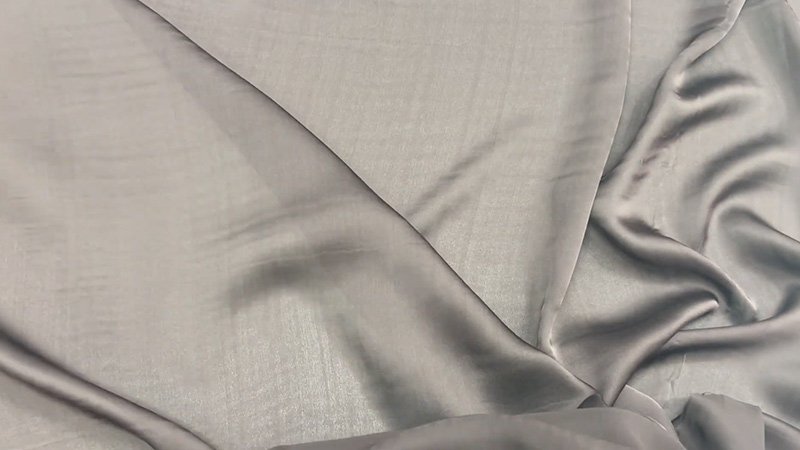
Chiffon fabric comes in various types, differentiated primarily by the material used and specific stylistic variations.
Material Variations: As discussed, chiffon can be made from a range of organic, semi-synthetic, and fully synthetic materials including silk, cotton, nylon, polyester, and rayon.
Style Variations: Beyond material, different weaving or finishing techniques can create distinct styles of chiffon:
- Silk Crepe Chiffon: This is often what people visualize when thinking of chiffon. It features the characteristic slightly puckered texture and relatively rough feel that made the fabric famous.
- Silk Satin Chiffon: This variety is described as smoother, more transparent, and lighter in weight compared to silk crepe chiffon.
- Pearl Chiffon: This type is notable for its pearlescent shade and glossy texture.
- Jacquard Chiffon: While thin, this type feels hefty. It is commonly used in garments like kurta dresses and scarves.
- Chameleon Chiffon: Identified as one of the rarest types, its name comes from its multi-toned appearance.
These variations offer different aesthetic and tactile qualities, allowing chiffon to be adapted for a wide range of design purposes.
Environmental Considerations and Certifications
The environmental impact of chiffon production is directly linked to the type of material used.
Impact on the Environment: Generally, the production of fully synthetic fabrics (like polyester and nylon) is considered more harmful to the environment compared to semi-synthetic or organic fabrics.
- Polyester and Nylon: Both are derived from petroleum oil, a non-renewable resource. Acquiring petroleum is energy-intensive and often harmful to ecosystems. Processing petroleum produces harmful byproducts. Crucially, polyester and nylon are non-biodegradable, contributing significantly to waste accumulation in landfills, waterways, and forests.
- Rayon: This is a semi-synthetic fabric, and its production is described as significantly harmful. Highly toxic chemicals are used in the manufacturing process, which can pose risks to workers and surrounding ecosystems. While somewhat more biodegradable than pure synthetics, its toxic production process is a major concern.
- Silk: The environmental impact of silk production is considered negligible. It is a sustainable process that doesn’t release toxins into the environment.
Silk is derived from silkworm cocoons; the silkworms feed on mulberry leaves, which typically do not require pesticides or fertilizers. Silk is also biodegradable.
The main ethical concern raised by animal rights activists is that freeing the silk cocoon requires boiling it with the silkworm inside, which kills the worm. - Cotton: Cotton production generally does not have a significantly negative environmental impact. While toxic substances might be used in post-production processes like bleaching or cleaning, the cultivation of cotton seeds for fabric is typically non-toxic and environmentally friendly. Cotton is also biodegradable, and sustainable practices are possible in its production.
Potential Certifications: The certifications a chiffon fabric can receive depend entirely on its material composition.
- USDA Organic Certification: Chiffon made from synthetic materials like nylon, polyester, or rayon is not eligible for USDA organic or similar non-GMO certifications because they are either fully synthetic or semi-synthetic.
However, chiffon made from silk or cotton may be certified organic if the raw materials are grown using sustainable practices that meet organic certification guidelines. - Global Recycle Standard (GRS): Even if made from fully synthetic fibers, chiffon may qualify for GRS certification. This certification is available if the fabric producer uses only recycled materials in their textile manufacturing process.
Understanding the material composition of chiffon is therefore crucial not only for its feel, drape, and cost but also for evaluating its environmental footprint and potential certifications.
Working with Chiffon: Care and Handling
Chiffon’s delicate nature necessitates specific care and handling techniques, particularly during sewing.
Recommended Care
The sources recommend that chiffon fabric be either hand washed in cold water or dry cleaned.
Sewing Tips for Slippery Fabric
One of the main challenges when working with chiffon is its slippery texture. This can make it difficult to keep the fabric in place during the sewing process.
To address this, tailors often employ a technique of placing sheets of paper on either side of the chiffon while sewing.
This helps to stabilize the fabric. Once the garment is fully sewn, the paper is carefully torn away. This simple yet effective technique is crucial for achieving clean seams and preventing the fabric from shifting.
While the sources primarily mention the paper method, it’s widely known among textile professionals (note: this is supplemental general knowledge, not from the sources) that sharp, fine needles and slow sewing speeds are also essential when working with such a delicate material.
Conclusion
Chiffon fabric, defined by its sheer, light, and semi-transparent properties and its unique S-and Z-twist weave, is a versatile textile with a fascinating history.
Originating as a luxurious silk fabric in France, a status symbol for the elite, it has evolved significantly with the advent of synthetic materials like polyester and rayon, making it more accessible globally.
Today, chiffon remains incredibly popular, predominantly used in women’s special occasion wear such as evening gowns, blouses, scarves, and wedding dresses.
It also holds a place in traditional garments worldwide, including Indian saris and Ethiopian/Eritrean gowns.
While its cost varies greatly based on whether it is made from expensive silk or more affordable synthetics, understanding the material is key to appreciating its environmental impact.
Organic options like silk and cotton are generally more sustainable than synthetics like polyester, nylon, and rayon, though certification depends on specific production practices.
Despite its challenging, slippery nature, proper care through hand washing or dry cleaning and careful handling, such as using the paper method during sewing, ensures that the beauty and delicate drape of chiffon fabric can be enjoyed in exquisite garments around the world.