
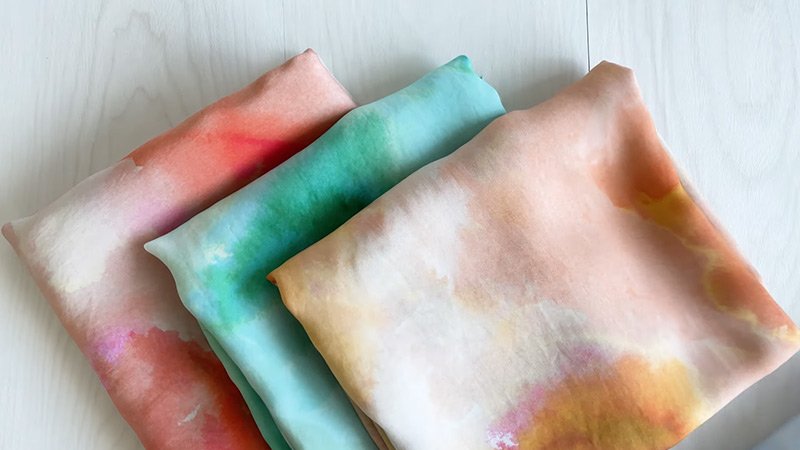
In the vast landscape of modern textiles, Cupro fabric has emerged as a material often positioned at the intersection of innovation and sustainability.
Marketed for its appealing qualities and its origin from recycled materials, Cupro presents itself as an environmentally conscious choice for discerning consumers and brands alike.
However, a deeper analysis reveals a more complex narrative, necessitating a thorough examination of its properties, the intricate processes of its production, and a critical evaluation of its true environmental footprint.
We will dissect its characteristics, explore its manufacturing journey from recycled waste to finished fabric, highlight its diverse applications, and most importantly, critically assess the environmental implications of its production.
Our aim is to provide a comprehensive, data-driven understanding, empowering readers to make informed decisions about this intriguing semi-synthetic textile.
What is Cupro Fabric?
Cupro fabric is a semi-synthetic textile substance derived from recycled cellulose, primarily from cotton or other plant waste. It occupies a unique space in the textile world, as it is neither a strictly synthetic fiber nor a purely natural one.
Chemically, it is classified as a rayon derivative. The journey of waste cellulose to Cupro fabric involves a significant transformation: the cellulose’s chemical structure is dramatically altered after exposure to specific chemical agents. On various Chinese textile websites, this material is frequently referred to as “cupro” or “cupra”.
The Science Behind the Sheen: How Cupro is Made?
The transformation of waste cellulose into a fabric with a sheen resembling silk is a complex chemical process that defines Cupro as a semi-synthetic material.
From Waste to Fabric: The Production Process
The manufacturing of cuprammonium rayon begins with exposing the cellulose of a plant product, such as old cotton clothing, to a specific chemical mixture. This mixture primarily consists of ammonium and copper. These two elements react with the cellulose, forming a new substance.
Following this initial reaction, the newly formed mixture is introduced into caustic soda. From this caustic soda solution, the material is then extruded through a spinneret. A spinneret is a device with fine holes, similar to a showerhead, that forms continuous filaments or fibers from a liquid solution.
The extruded strings, which are now in their fibrous form, are subsequently immersed in a series of hardening baths.
The purpose of these baths is twofold: first, to reconstruct the cellulose into a stable fiber, and second, to remove the initial chemical components—ammonia, copper, and caustic soda—that were used in the earlier stages of the process.
The Chemical Considerations in Production
A significant consideration in the production of Cupro is the management of the chemical baths used throughout the process.
While these baths may be reused multiple times in some cases, they inevitably must be disposed of at some point.
This disposal presents an environmental challenge due to the potentially toxic substances involved.
Despite the environmental implications, the core manufacturing process of cuprammonium rayon is considered inexpensive. This low cost of production is largely attributable to the ability to acquire vast quantities of waste cellulose for very little money.
By combining this low-cost raw material with readily available and “cheap” elements like copper, ammonia, and caustic soda, manufacturers can create new cellulose fibers from scratch at a highly competitive rate.
Properties and Uses: What Makes Cupro Unique?
Cupro fabric possesses a distinctive set of properties that make it desirable for specific applications, particularly in apparel, while also presenting certain limitations that users should be aware of.
Desirable Qualities of Cupro
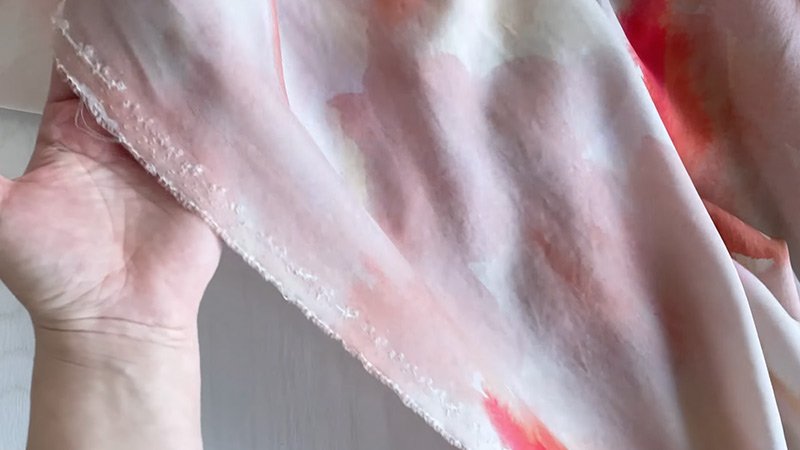
Cupro is generally valued for several key qualities that contribute to its appeal in the textile industry:
- Fineness: It is praised for its extreme fineness, contributing to a delicate and luxurious feel.
- Elasticity: The fabric exhibits good elasticity, allowing for a certain degree of stretch and comfort.
- Sheerness: Cupro often possesses a sheer quality, making it suitable for lightweight and flowing garments.
- Easy Mixture with Other Fabrics: A practical advantage of Cupro is its ability to be easily blended with other fabrics, whether natural or synthetic, to impart different attributes to the finished garment.
Significantly, cuprammonium rayon is recognized as one of the synthetic fabrics that most closely resembles natural silk. This characteristic leads to its frequent use as a replacement for garments traditionally made with silk, offering a similar aesthetic at a potentially lower cost.
Common Applications in Apparel
Cuprammonium rayon is almost exclusively utilized in apparel. While scarves are one of the few accessories that might contain this fabric, its primary role is in clothing. Its ability to mix with other fibers expands its versatility within the apparel sector.
When blended with other materials, Cupro finds its way into various light and intimate garments, including blouses, tank tops, t-shirts, and sports bras.
On its own, due to its thinness and sheerness, it is most commonly employed in light and form-fitting clothing, such as fine garments, shawls, eveningwear, lingerie, blouses, and summer dresses.
The fabric’s characteristic of being form-fitting makes it particularly suitable for items like thin, sheer dresses.
Important Drawbacks of Cupro Fabric
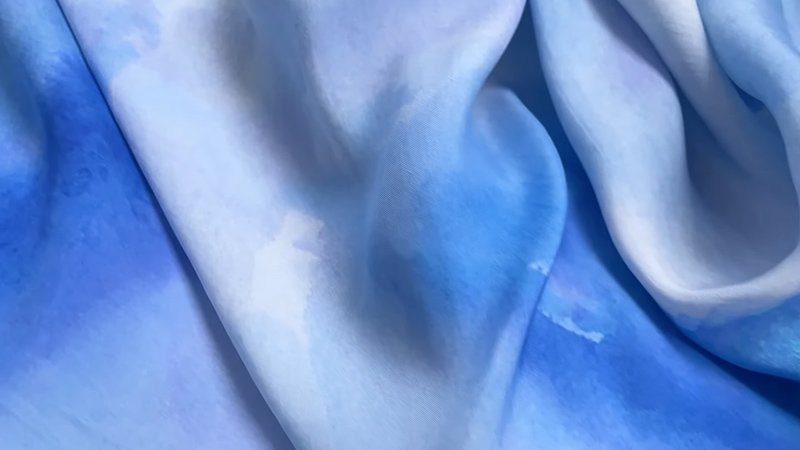
Despite its desirable qualities, it is crucial to acknowledge the significant drawbacks of Cupro fabric for a balanced understanding:
- Relatively low breathability: Despite its light feel, Cupro has a comparatively low breathability, which might affect comfort in certain conditions.
- Moderate moisture-wicking and heat retention: Its abilities to wick away moisture and retain heat are only moderate.
- High proneness to pilling/bubbling: Cupro fabric has a high tendency to pill or form small bobbles on its surface, which can detract from its appearance over time.
- Flammability: A critical safety concern is its flammability; Cupro ignites easily at temperatures above 180 degrees Celsius. When ignited, it chars rather than burning cleanly like natural fibers such as wool. The residue left after ignition contains significant concentrations of copper, raising concerns about its decomposition.
- Washing restrictions: Cuprammonium rayon cannot be washed in hot water, requiring cold or warm water washing.
- Not comparable to real silk: Despite its resemblance, the sources explicitly state that Cupro is “nothing like real silk”. This distinction is important for managing consumer expectations and understanding its inherent properties compared to its natural counterpart.
These drawbacks underscore that while Cupro offers certain aesthetic and functional benefits, it also presents challenges in terms of durability, care, and safety that differentiate it significantly from truly natural fibers.
Production and Cost: A Global Perspective
The global production landscape of Cupro fabric is largely dominated by one key player, influenced by economic factors that prioritize low cost.
Where is Cupro Produced?
China is unequivocally identified as the world’s major producer and the biggest exporting country of cuprammonium rayon.
This dominance extends across the synthetic textile industry, with China exporting substantial quantities of “cupro” to Western nations annually, despite the associated environmental concerns.
Historically, the production of cuprammonium rayon was also attempted in the United States. However, manufacturing in the U.S. was ultimately abandoned.
The reason for this cessation was the inability of manufacturers to comply with basic air and water protection regulations.
This abandonment is particularly telling, as even with what are described as “relatively lax environmental regulations” in America, Cupro production proved too polluting to sustain within those compliance frameworks.
This historical context strongly suggests that cuprammonium rayon is an “unusually polluting substance”.
The Economics of Cupro
The driving force behind the continued production and export of cuprammonium rayon is its explicitly low cost.
The fundamental economic advantage lies in the ability to acquire vast quantities of waste cellulose at a very low price.
By combining this inexpensive raw material with relatively basic and cheap chemical elements, manufacturers can effectively create entirely new cellulose fibers from scratch.
This cost-efficient production model results in enormous profit margins, particularly when high volume movements are maintained.
The strategy is to convert waste materials into usable fabric at minimal expense, often with little regard for the environmental consequences.
However, the future economic viability of cuprammonium rayon faces a potential challenge. The sources note a growing consumer trend where individuals are increasingly shunning artificial fibers and embracing organic alternatives.
This shift in consumer preference, coupled with the development of “more holistic fiber recycling processes,” could potentially drive cuprammonium rayon production out of business as people increasingly move away from synthetic fabrics.
This suggests a future where environmental concerns and evolving recycling technologies could significantly reshape the market for materials like Cupro.
Different Names, Same Fabric: Understanding the Terminology
The textile industry often uses various names for the same material, which can lead to confusion. Cupro is no exception, appearing under several different monikers that all refer to the identical recycled substance.
Cuprammonium Rayon: The Scientific Name
Cuprammonium rayon is the scientific and formal name for the substance that is also known by other terms like cupra, cupro, ammonia silk, or Bemberg. This is the chemical designation that accurately describes its composition and processing.
Cupra/Cupro: Chinese Factory Slang
The terms “cupra” and “cupro” are not registered brand names. Instead, they appear to be “simply Chinese factory slang” for cuprammonium rayon.
This highlights a linguistic informalization within the manufacturing sector that has bled into broader textile terminology.
Ammonia Silk: A Misleading Label
Another term used for cuprammonium rayon garments, particularly on many Chinese textile websites, is “ammonia silk”.
This label is highly misleading, and the sources suggest that “fabric marketers would have realized long ago that ammonia isn’t something you want to have come in contact with your body”.
The continued use of this term underscores a potential lack of transparency or a disregard for consumer understanding of the chemical components involved in the fabric’s production and their potential for skin contact.
Bemberg: A Historical Trade Name
Historically, when manufacturers attempted to produce cuprammonium rayon in the United States, it was patented by a company named J.P. Bemberg under the trade name “Bemberg”.
While “Bemberg” was a specific brand name associated with its production, it still refers to the exact same substance—cuprammonium rayon.
This demonstrates how a single material can have different commercial or historical trade names while maintaining the same chemical identity.
Understanding these various terms is crucial for anyone researching or purchasing Cupro, ensuring clarity and preventing misinterpretation of the material’s true nature and properties.


