
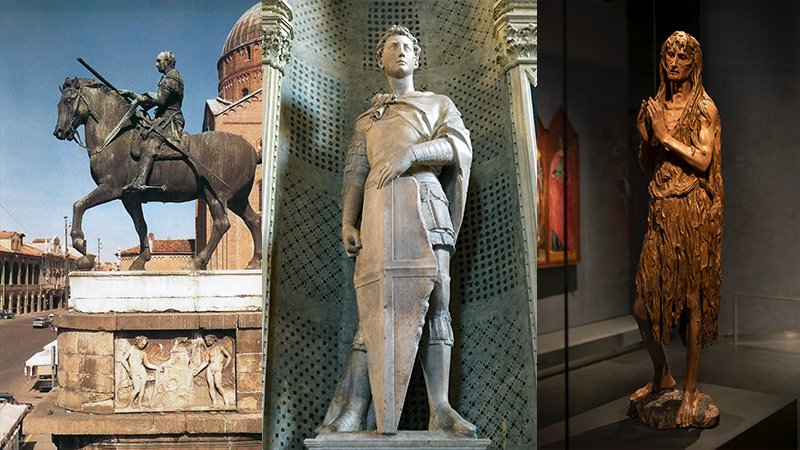
Donatello stands as one of the most influential sculptors of the Italian Renaissance, renowned for his pioneering techniques and lifelike creations.
His works broke away from the Gothic tradition, embracing classical inspiration and introducing a new sense of perspective and emotional depth.
From striking bronze figures to expressive marble statues Donatello’s art continues to captivate audiences centuries later.
Among his masterpieces are sculptures that not only showcase technical skill but also carry rich symbolism and historical significance.
His iconic bronze David remains a symbol of Florence’s triumph while the equestrian statue of Gattamelata redefined public monuments.
1. David
Donatello’s bronze David is a pioneering Renaissance sculpture celebrated for its naturalism and classical style. Created between 1432 and 1440, it stands in Florence’s Bargello Museum.
This work depicts the youthful biblical hero after his victory over Goliath, marked by its lifelike detail, relaxed pose, and innovative use of bronze.
It symbolizes Florence’s triumph and is notable for being the first freestanding nude statue since antiquity, influencing artists like Michelangelo.
2. Equestrian Statue of Gattamelata
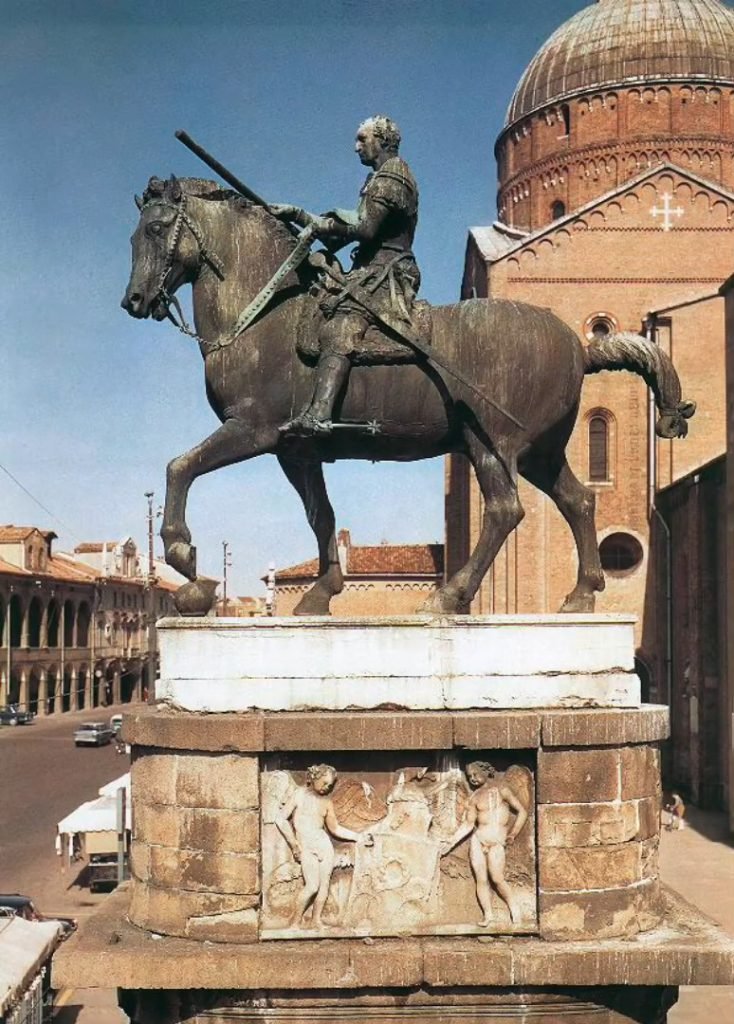
Donatello created the Equestrian Statue of Gattamelata between 1447 and 1453 in Padua, celebrating condottiero Erasmo da Narni. This 3.4-meter-tall bronze statue was the first large-scale equestrian sculpture since ancient Rome.
It features a realistic horse and rider, detailed armor, and dynamic movement, symbolizing military power and authority.
Donatello’s design influenced equestrian monuments across Europe, marking a Renaissance breakthrough in combining classical form with naturalism and grandeur.
3. Penitent Magdalene
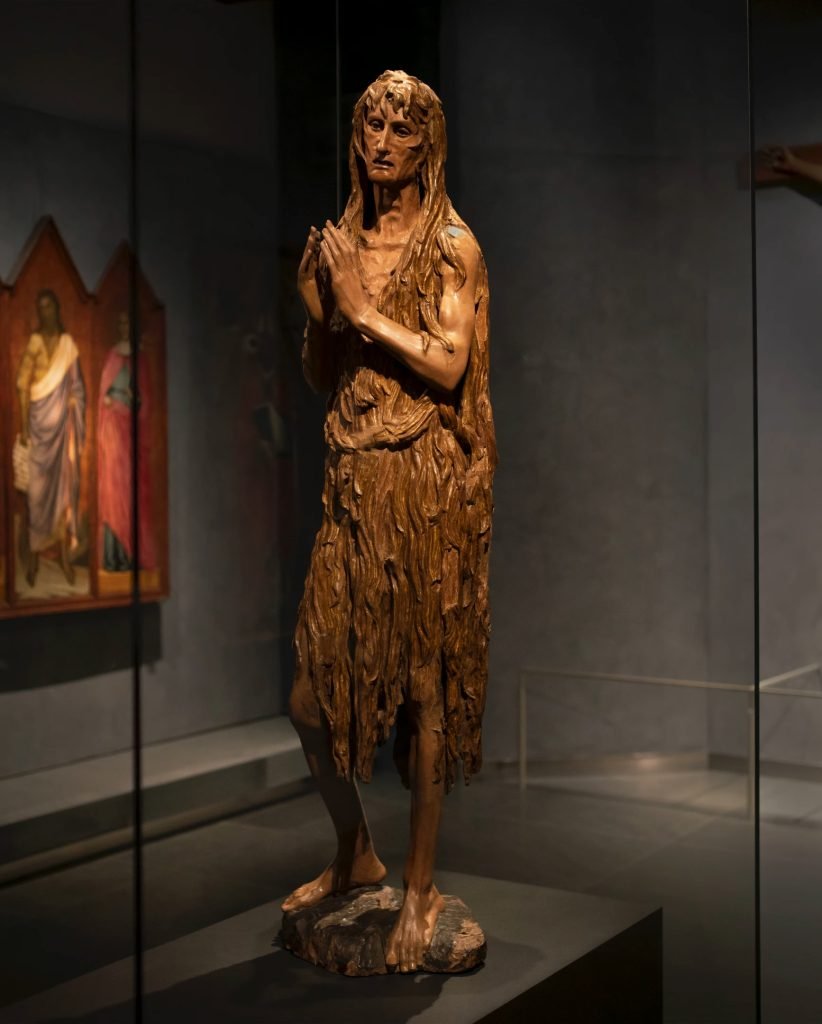
Donatello’s Penitent Magdalene (1453–1455) is a groundbreaking wooden sculpture carved from white poplar. It portrays Mary Magdalene not as a youthful beauty but as a gaunt, exhausted woman after 30 years of penance in the desert.
This raw, realistic depiction contrasts sharply with traditional representations, emphasizing spiritual struggle over idealized form.
The statue’s long, tangled hair covers her emaciated body, symbolizing humility and repentance, making it one of Donatello’s most expressive and revered works.
4. Saint George
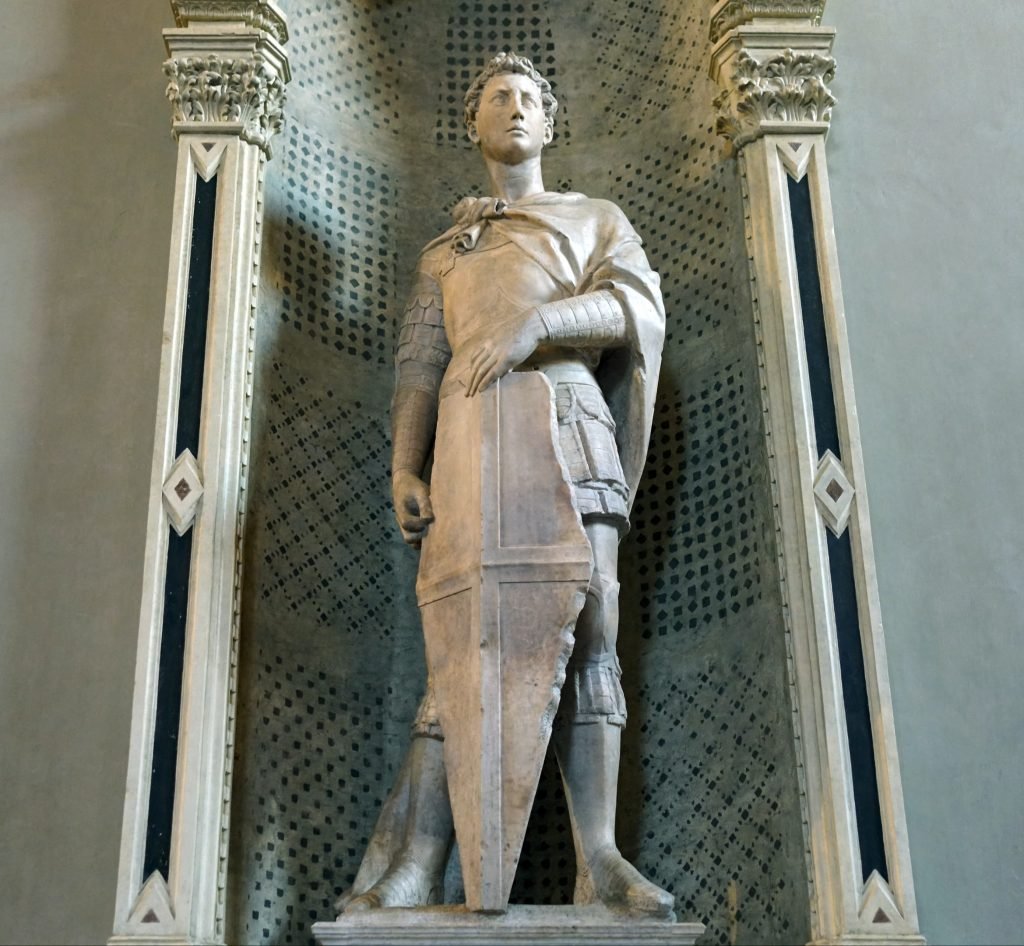
Donatello sculpted Saint George between 1415 and 1417 for the Orsanmichele in Florence. This marble statue, standing 82 inches tall, depicts a muscular young man in Crusader armor, poised as if ready for battle.
The figure’s tensed leg and clenched fist once held a sword, symbolizing valor. Donatello introduced naturalism and balance between rest and action, breaking from Gothic conventions.
The sculpture sits atop a plinth with a bas-relief showing Saint George slaying the dragon, demonstrating Donatello’s mastery of perspective and innovative rilievo schiacciato technique. The statue now resides in Florence’s Bargello Museum.
5. The Feast of Herod
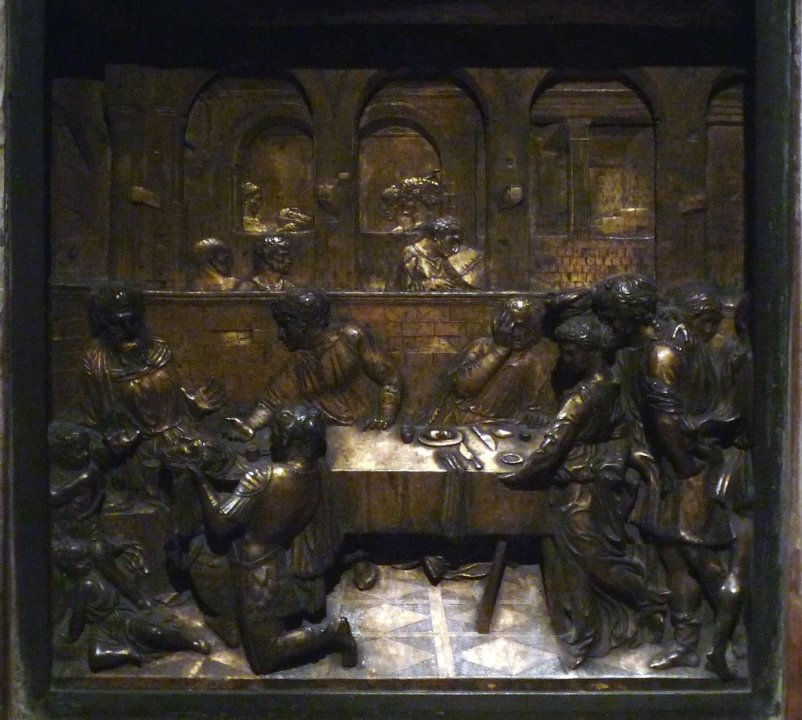
The Feast of Herod, created between 1423 and 1427, is Donatello’s first bronze relief and a masterpiece of Renaissance art. It depicts the dramatic moment when Herod receives the severed head of John the Baptist.
Donatello’s use of intense emotional expressions and architectural background showcases his mastery of linear perspective, influenced by Brunelleschi.
This relief combines antique stylistic traditions with innovative techniques and marked a turning point in sculptural storytelling.
6. Zuccone
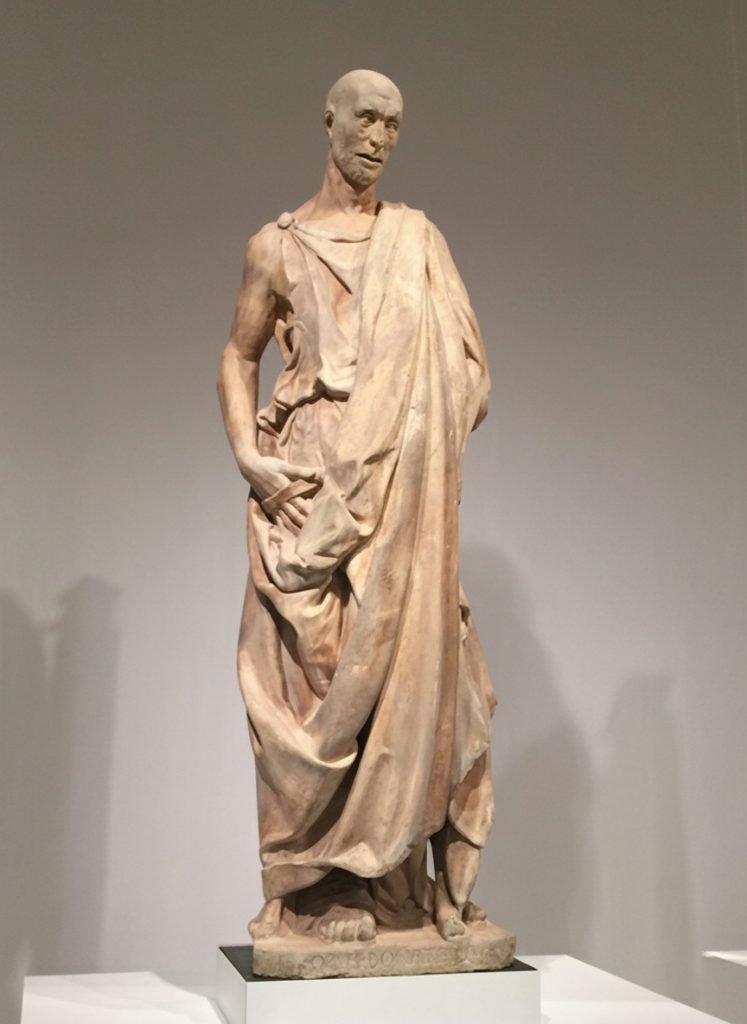
Zuccone, officially known as the Statue of the Prophet Habakkuk and created around 1425, stands out for its striking realism and bold individuality.
Donatello earned the nickname “Zuccone,” meaning “pumpkin,” due to the figure’s bald head. The statue captures raw human emotion with intense facial expression and lifelike detail, breaking from traditional idealized forms.
Positioned originally at Florence’s Orsanmichele, Zuccone serves as a testament to Donatello’s mastery in portraying vivid psychological depth and naturalistic human features.
7. Saint Mark
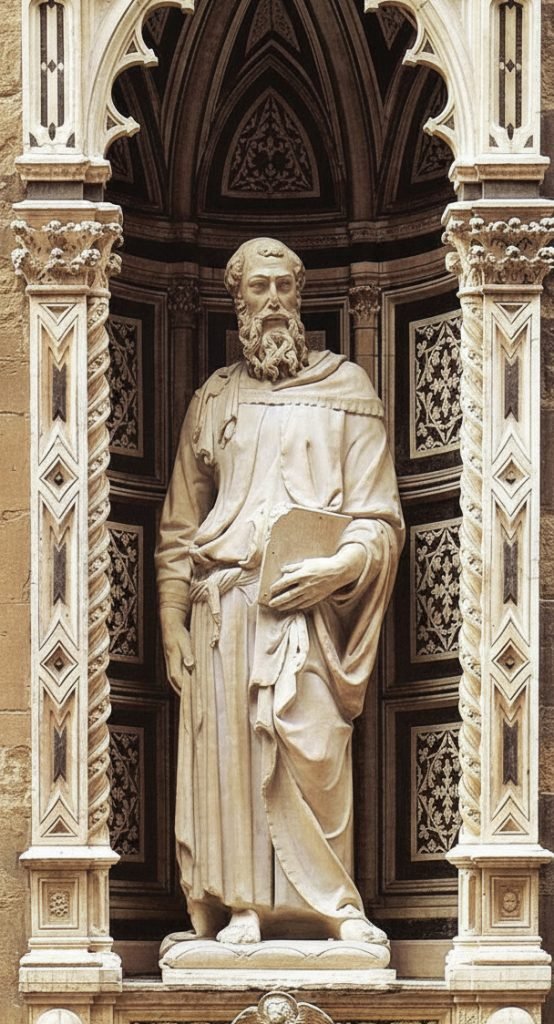
Donatello’s Saint Mark stands in the Orsanmichele church in Florence, showcasing a naturalistic pose with contrapposto—one leg bent, the other straight—reflecting classical Greek and Roman influences.
Commissioned by the linen weavers’ guild, the statue features finely detailed robes and a confident expression, highlighting Donatello’s skill in capturing human emotion.
This work marks a departure from Gothic stiffness toward Renaissance realism, embodying both spiritual depth and lifelike presence in stone.
8. Santa Croce Crucifix
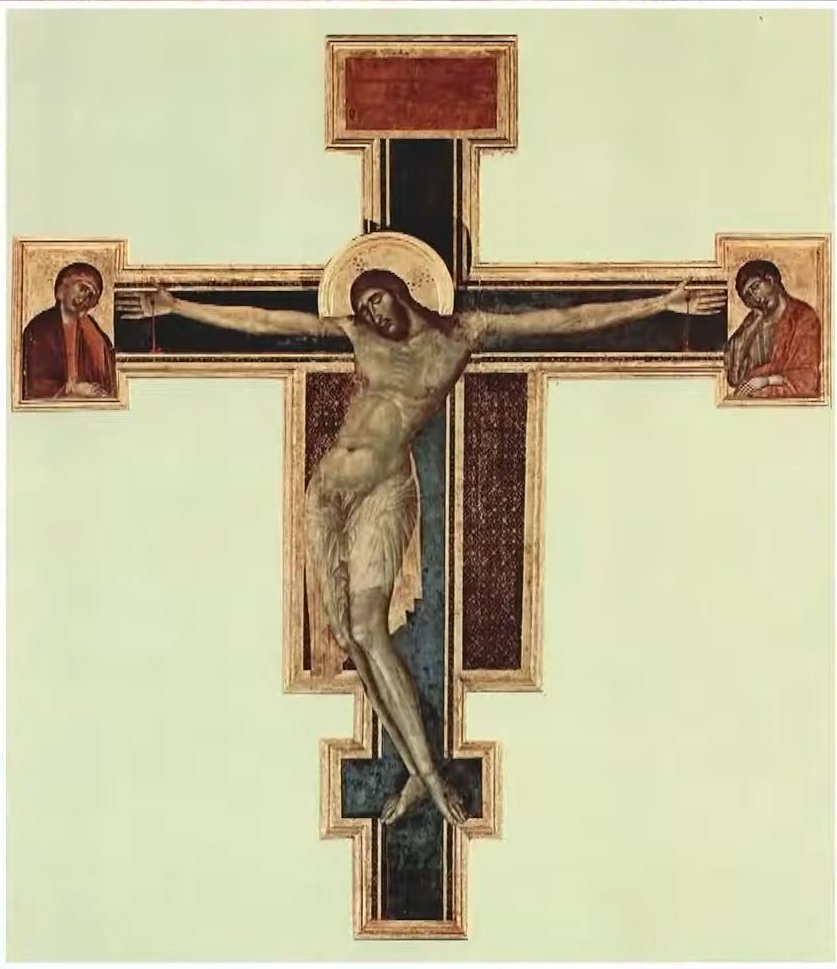
Donatello created the Santa Croce Crucifix early in his career, around 1410-1414. This wooden sculpture reveals his mastery in realism, portraying Christ as a rugged, human figure rather than an idealized form.
Initially criticized for its proportions by the linen weavers guild, Donatello concealed the work before unveiling it again to much praise.
The powerful, emotive depiction stands at the Church of Santa Croce, showcasing Donatello’s innovative approach to religious art and his profound understanding of human expression.
9. Cantoria
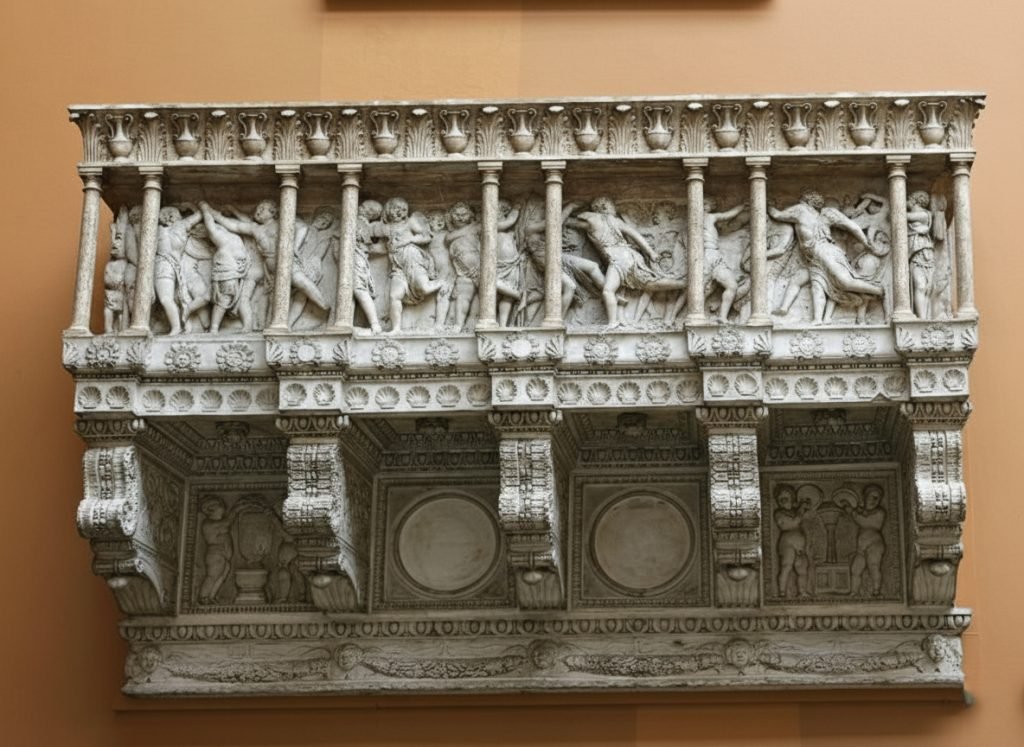
Donatello crafted the Cantoria, or singing gallery, between 1433 and 1439 for Florence’s Cathedral of Santa Maria del Fiore.
This marble relief captures choristers in dynamic motion, reflecting lively expressions and fluid drapery.
He innovatively used rilievo schiacciato, a shallow carving technique, to create depth and realism.
The Cantoria exemplifies Donatello’s skill in blending narrative with naturalism, influencing Renaissance sculpture by emphasizing animation and emotional vitality in religious art.
10. Judith and Holofernes
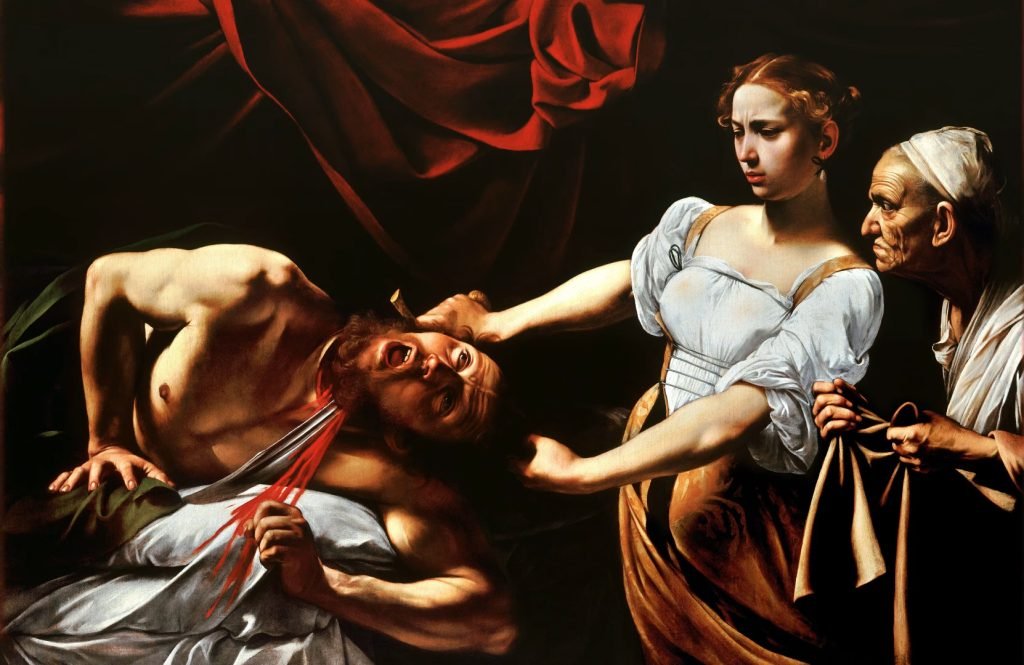
Donatello’s Judith and Holofernes captures the biblical scene of Judith beheading the Assyrian general Holofernes.
Created in bronze during the mid-15th century, this sculpture symbolizes virtue triumphing over tyranny.
The dramatic composition shows Judith confidently gripping the sword, while Holofernes’s body collapses beneath her.
This work stands in Florence’s Palazzo Vecchio, exemplifying Donatello’s mastery in blending narrative intensity with classical naturalism.


