
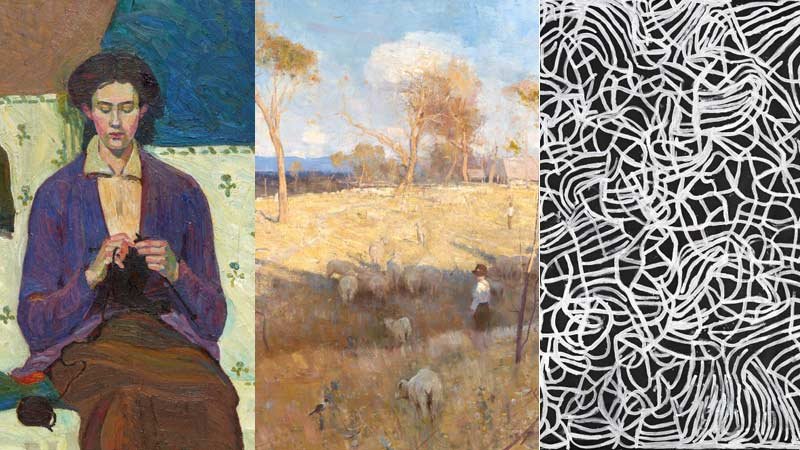
Australia’s vibrant art scene boasts a rich tapestry of creativity, influenced by its stunning landscapes and diverse cultural heritage.
From the ancient traditions of Aboriginal art to the modern expressions of contemporary artists, the country has birthed masterpieces that resonate with audiences worldwide. Yet, many of its most iconic paintings remain lesser-known outside its borders.
Whether it’s the breathtaking depictions of the outback or the emotional depth of urban life, these artworks offer a glimpse into the heart of Australia’s artistic legacy. Prepare to explore the visual narratives that have defined a nation and inspired generations.
1. The Pioneer – Frederick McCubbin

Frederick McCubbin’s The Pioneer is a renowned triptych created in 1904, depicting a family’s struggle in the Australian wilderness.
Each of the three panels tells a part of their story, showcasing both the challenges and perseverance of early settlers.
The artwork’s emotional depth and masterful use of color reflect McCubbin’s influences from JMW Turner and the French Impressionists, creating a timeless portrayal of Australian life. This masterpiece remains an iconic representation of the nation’s artistic heritage.
2. Down on His Luck – Frederick McCubbin
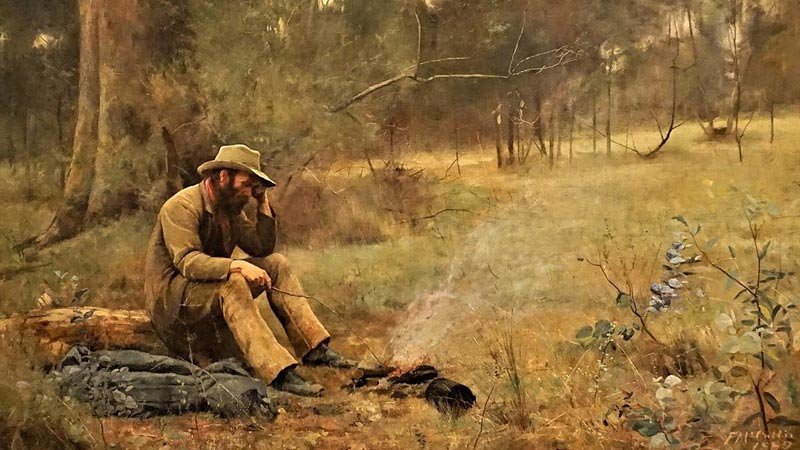
Frederick McCubbin’s Down on His Luck, painted in 1889, captures the essence of Australian life through the portrayal of a disheartened swagman.
The artwork depicts him sitting beside a flickering campfire, reflecting on his misfortunes amidst the dark bush landscape.
McCubbin employed a moody color palette to convey the subject’s poignant emotions, infusing the scene with a sense of melancholy.
Notably, the painting mirrors the struggles faced by rural Australians, effectively bridging personal and national narratives, making it an iconic piece in Australia’s art history.
3. The Big Picture – Tom Roberts

Tom Roberts’ “The Big Picture” (1896) stands as a monumental piece in Australian art. It portrays a gathering of artists who come together to view a large outdoor painting.
Roberts captures their intense focus and contemplation, reflecting the significance of communal art appreciation.
The vibrant colors and dynamic brushwork highlight the influence of Impressionism on Roberts’ style, showcasing the rich hues of the Australian landscape.
This artwork not only represents the artistic culture of its time but also underscores Roberts’ pivotal role in the Australian Impressionist movement.
4. The Sunny South – Tom Roberts

Tom Roberts’ “The Sunny South,” painted in 1887, captures a group of nude lads swimming at Ricketts Point in Beaumaris, Victoria.
This lively scene reflects the carefree spirit of summer in a suburban Melbourne setting. The artwork is notable for its vibrant colors and dynamic composition, drawing viewers into the joyful ambiance of the moment.
The National Gallery of Victoria acquired the painting in 1940, enhancing its prominence in Australia’s art narrative.
Its title alludes to both a classic production and the natural beauty of the Australian coastline, enriching its cultural context.
5. The Sock Knitter – Grace Cossington Smith
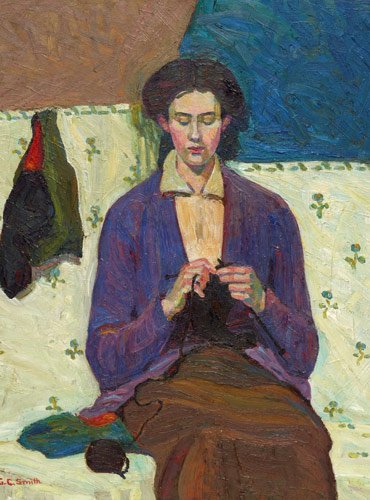
“The Sock Knitter,” painted in 1915 by Grace Cossington Smith, stands as Australia’s first Post-Impressionist work. It features the artist’s sister knitting a sock, symbolizing women’s roles during WWI.
The painting’s vivid color blocks and meticulous brushwork reflect Cossington Smith’s unique style. It embodies the domestic yet poignant sentiment of wartime contributions, commemorating the creation of over 13 million pairs of socks for soldiers.
Today, this iconic piece resides in the Art Gallery of New South Wales, capturing both national identity and artistic innovation.
6. Art, Life and the other thing – Brett Whiteley
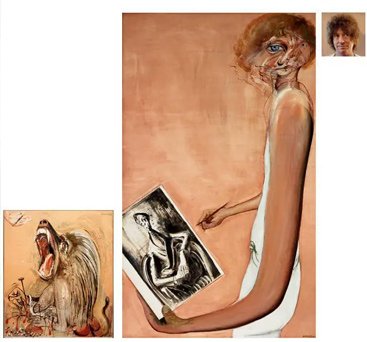
Brett Whiteley’s “Art, Life and the Other Thing” showcases his innovative approach to self-portraiture. Awarded the Archibald Prize in 1978, this triptych features Whiteley in a dynamic pose, reflecting his energetic spirit.
The central canvas highlights his exaggerated proportions, with elongated limbs adding to the abstract quality of the piece.
The vibrant colors and unique composition reveal his inner thoughts and struggles, making it a profound exploration of identity and creativity, solidifying its place in Australia’s artistic canon.
7. Golden Summer, Eaglemont – Arthur Streeton
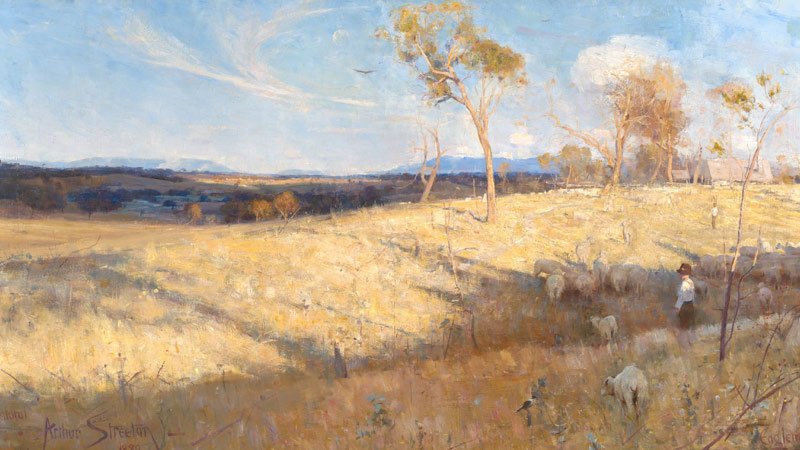
Arthur Streeton’s “Golden Summer, Eaglemont,” painted in 1889, showcases the artist’s mastery of color and light. He portrays bright, undulating plants leading to the distant Dandenong Ranges, encapsulating the essence of the Australian landscape.
Streeton’s use of a high-keyed blue and gold palette reflects his deep appreciation for nature’s beauty. The painting was created en plein air at his Eaglemont artists’ camp, emphasizing his commitment to capturing the vibrant atmosphere of the rural Melbourne area.
This iconic piece remains a distinguished example of Australian Impressionism and a testament to Streeton’s artistic legacy.
8. Collins St., 5 pm – John Brack

John Brack’s “Collins St., 5 pm,” painted in 1955, captures the essence of urban Melbourne’s post-work scene.
It depicts office workers meandering along Collins Street, their blank faces reflecting the alienation of modern life. Brack’s inspiration stemmed from T.S. Eliot’s poem “The Waste Land,” emphasizing themes of disconnection.
The meticulous detail and sharp observations enhance its critique of societal norms, making it a significant work in the National Gallery of Victoria’s collection and an enduring reflection of Australia’s urban experience.
9. Central Australian Landscape – Albert Namatjira

Namatjira’s “Central Australian Landscape” from 1945 exemplifies his deep connection to the diverse Australian environment.
It features vibrant colors depicting rolling green hills and the unique flora native to the region. The painting showcases his distinctive watercolor technique, which captures both the harshness and beauty of the Central Australian terrain.
Namatjira’s work reflects an appreciation for his homeland and has become an iconic representation of Australian art, blending traditional Aboriginal influences with Western artistic styles.
10. Big Yam dreaming – Emily Kame Kngwarreye
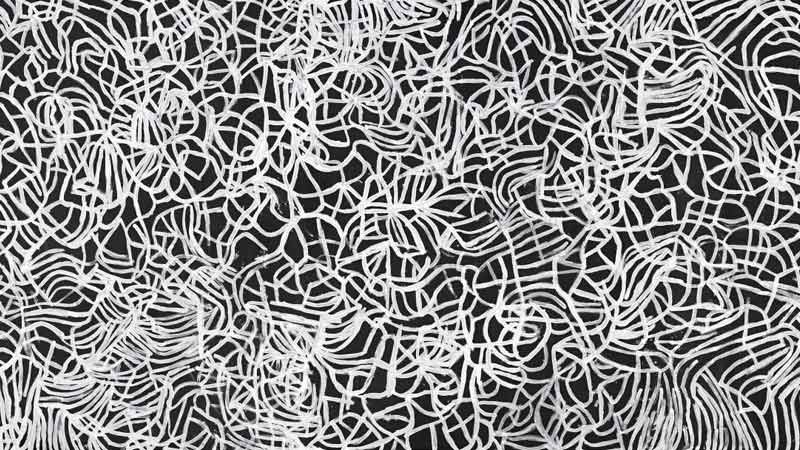
Big Yam Dreaming, created by Emily Kame Kngwarreye, spans an impressive three by nine meters. Kngwarreye completed this monumental painting in just two days, utilizing a black primed canvas.
She sat on the canvas while creating, intensifying the personal connection to the artwork. This piece contrasts with her earlier dot paintings, showcasing her evolved style characterized by elongated lines and vibrant colors.
As Australia’s most successful female artist, her works continue to resonate deeply within the art community.


