Color has the power to evoke emotions and tell stories, making it a vital element in the world of art. Throughout history, artists have harnessed hues to create masterpieces that not only capture the eye but also resonate deeply with viewers.
From the bold strokes of Van Gogh to the dreamy palettes of Monet, colorful paintings have left an indelible mark on the art world.
In this exploration of the 10 most famous colorful paintings, readers will discover how these works transformed artistic expression and influenced generations.
Each painting showcases a unique blend of color, technique, and emotion, inviting audiences to delve into the minds of their creators.
Whether it’s the swirling skies of a starry night or the playful vibrancy of a still life, these masterpieces remind us of the beauty and complexity of the world around us.
1. Yellow Red Blue – Wassily Kandinsky
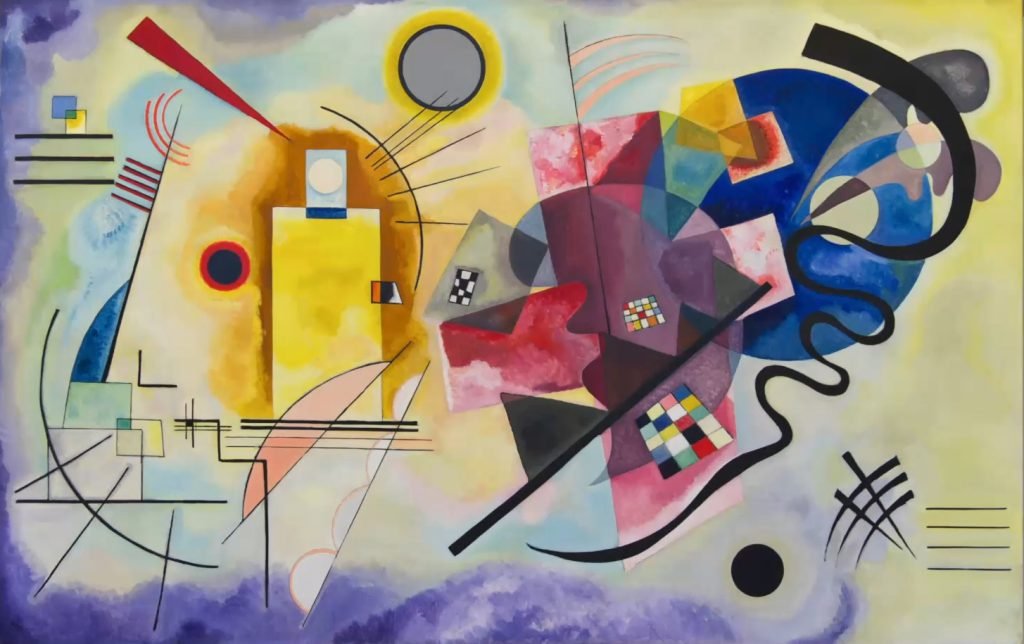
Kandinsky’s “Yellow Red Blue,” created in 1925, showcases his revolutionary approach to abstract art. It features bold geometric shapes and a color palette, reflecting his belief that colors convey emotions.
The primary colors interact dynamically, creating a sense of movement. Kandinsky aimed to evoke feelings rather than depict reality, influencing countless artists.
This painting exemplifies his theories on color harmony and spirituality in art, establishing it as a landmark piece in modernism.
2. White Center (Yellow, Pink and Lavender on Rose) – Mark Rothko
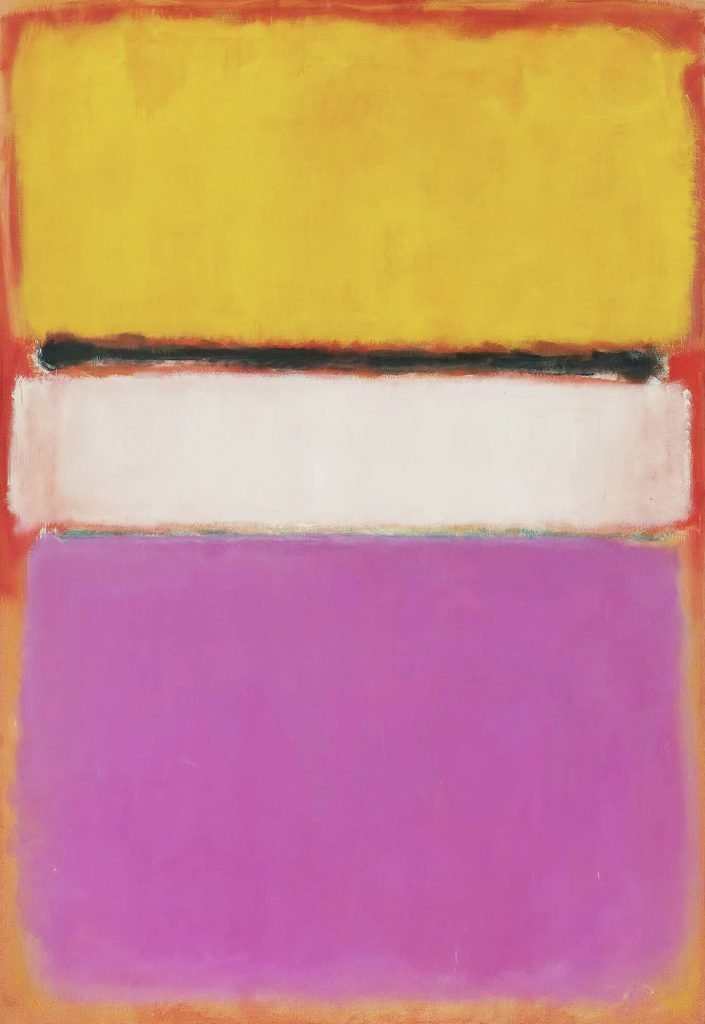
Mark Rothko’s “White Center (Yellow, Pink and Lavender on Rose)” exemplifies his signature color field technique. Created in 1950, this stunning piece showcases rectangles of colors that convey deep emotion.
The interplay of yellow, pink, and lavender creates a warm yet transcendent atmosphere, inviting viewers into a profound experience.
Rothko intended for his art to stimulate meditation and reflection, emphasizing the relationship between color and viewer perception, solidifying its place in abstract expressionism.
3. Castle and Sun – Paul Klee
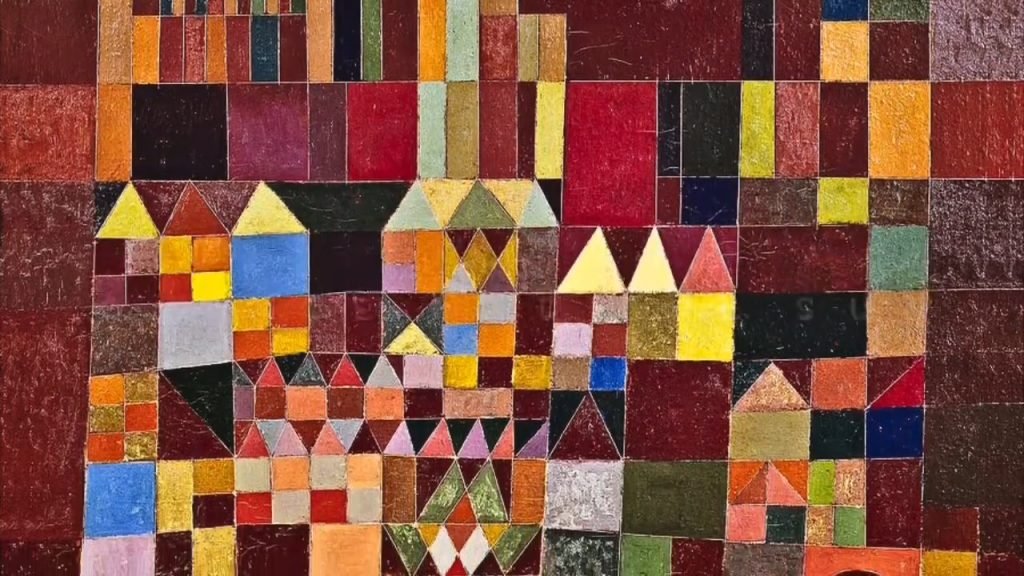
Paul Klee’s “Castle and Sun,” created in 1928, captivates with its use of color and whimsical forms. The painting features a fantastical castle, set against a vivid backdrop of yellow and orange hues, evoking warmth and dreaminess.
Klee masterfully combines geometric shapes and abstract elements, inviting viewers to interpret the scene uniquely.
His signature style reflects a deep emotional resonance, as the colors express harmony and imagination, making it an iconic piece in the realm of modern art.
4. Roseate Spoonbill – John James Audubon
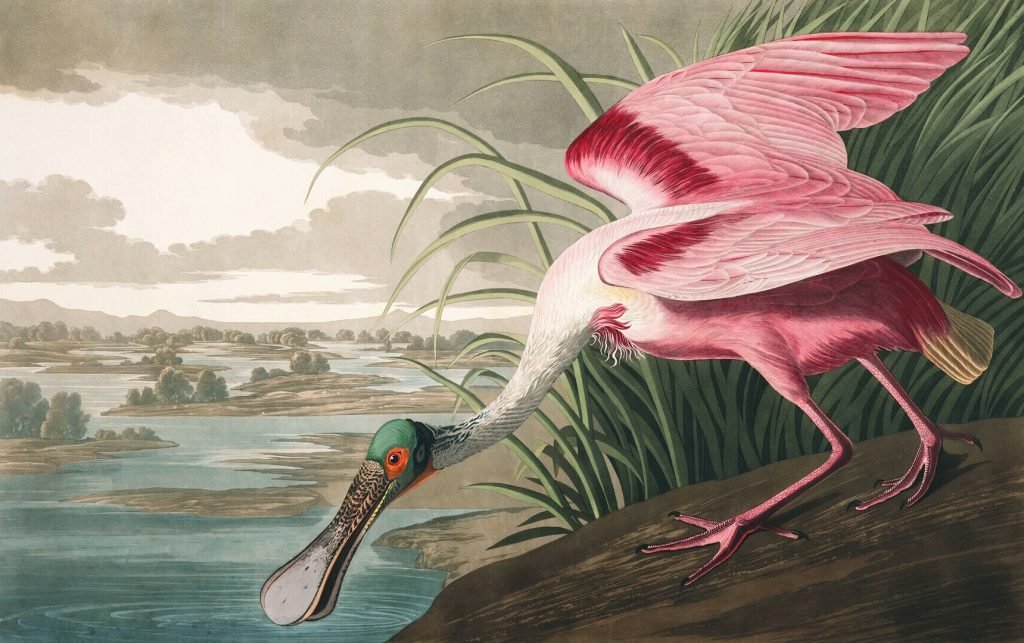
John James Audubon’s “Roseate Spoonbill” is a stunning portrayal of the bird found in wetlands. Created in the early 19th century, this painting captures the spoonbill’s signature pink plumage against a lush background of greens and browns.
Audubon meticulously painted the intricate details of the bird’s feathers, showcasing his unparalleled observation skills.
The artwork highlights the beauty of nature and reflects Audubon’s dedication to ornithology, making it a celebrated piece in American art history.
5. Lumber Schooners at Evening on Penobscot Bay – Fitz Henry Lane
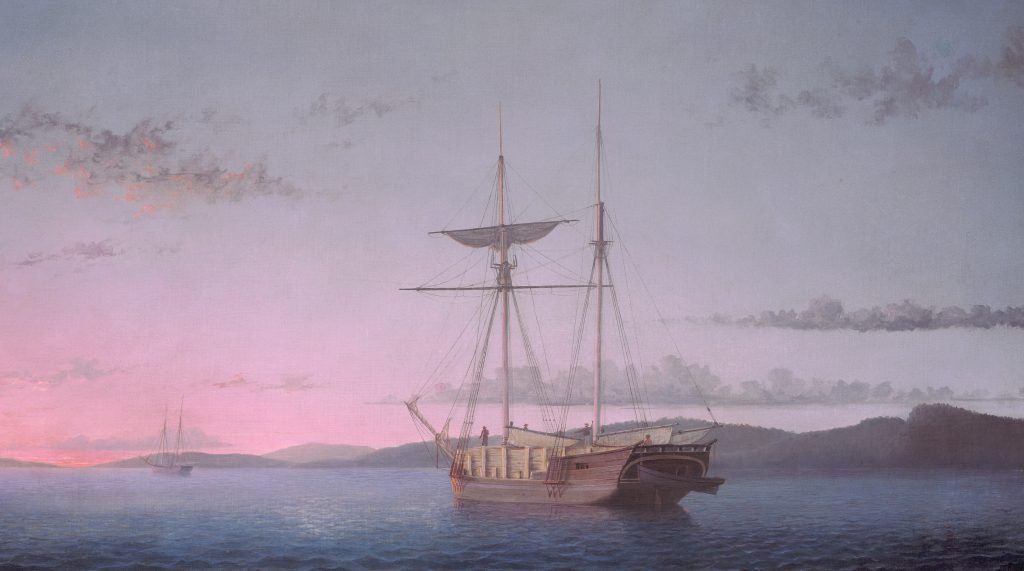
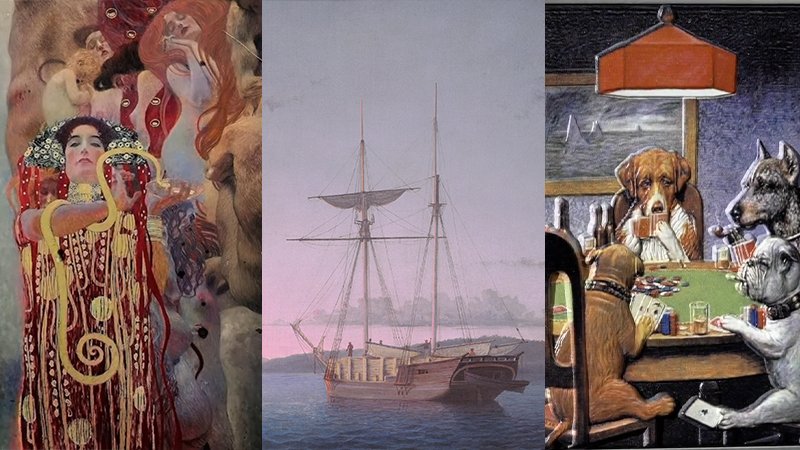
Fitz Henry Lane’s “Lumber Schooners at Evening on Penobscot Bay,” created in 1863, showcases a stunning maritime scene. The painting captures the serene beauty of three schooners silhouetted against a sunset.
Brilliant shades of orange and gold reflect off the water, creating a calming ambiance. Lane’s meticulous attention to detail enhances the realism, inviting viewers to appreciate the artistry of the period.
This masterpiece exemplifies the Romantic style, combining natural beauty with a sense of tranquility, making it a beloved work in American art history.
6. Flint Castle – J.M.W Turner
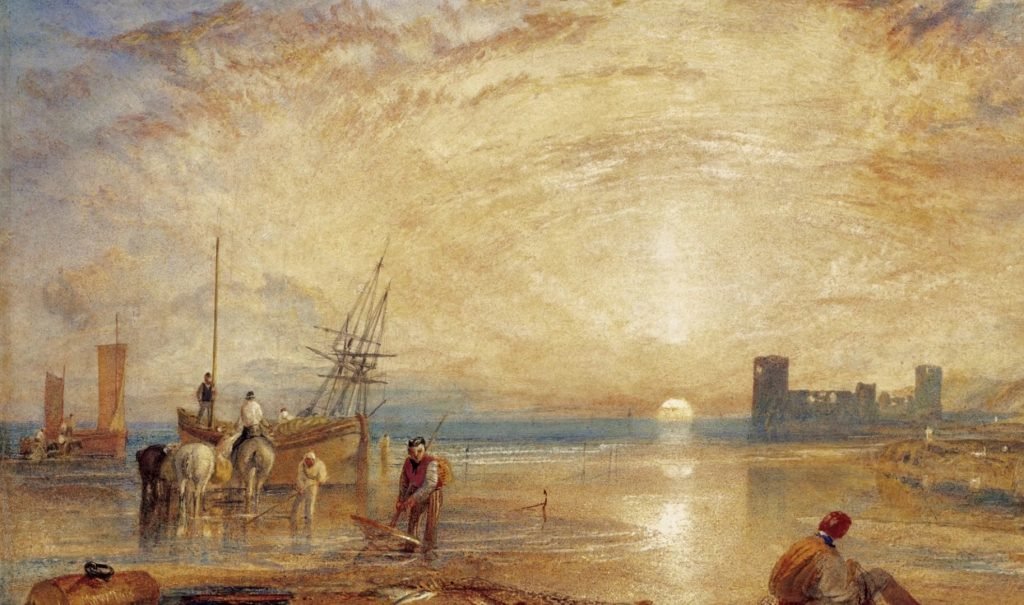
Turner’s “Flint Castle,” painted in 1798, brilliantly captures the essence of drama and light through its striking use of color. This piece depicts the ruins of Flint Castle under a dynamic sky filled with swirling clouds and vivid hues.
The contrast between the dark castle and the luminous sky creates a sense of depth and movement.
Turner’s innovative approach to color not only enhances the landscape but also evokes a strong emotional response, showcasing his mastery in blending realism with romanticism.
7. Grey Blue & Black – Pink Circle – Georgia O’Keeffe
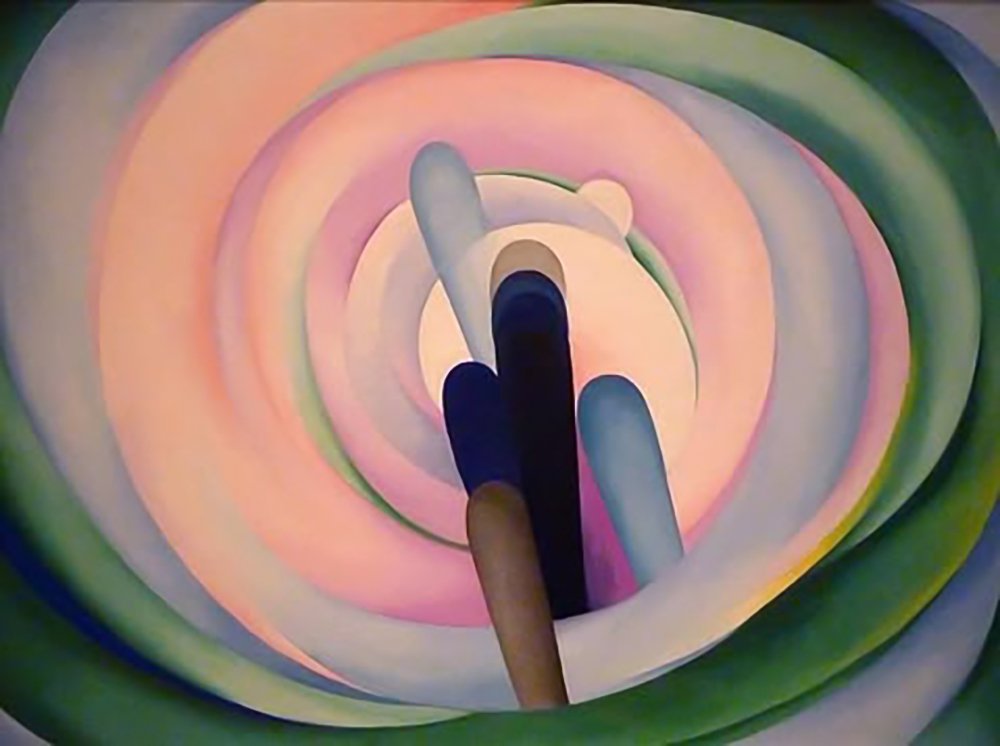
Georgia O’Keeffe’s “Grey Blue & Black – Pink Circle,” painted in 1926, captivates with its minimalist yet striking palette.
O’Keeffe expertly blends soft grays and blues with bold blacks, yielding an evocative background that accentuates the warm pink circle at its center.
This juxtaposition creates a harmonious balance, inviting viewers to meditate on form and color. The painting’s simplicity allows for a profound exploration of emotional depth, showcasing O’Keeffe’s innovative vision in modern art.
8. Mendrisiotto with Church of Obino – Hermann Scherer
Mendrisiotto with Church of Obino, painted in 1914, exemplifies Hermann Scherer’s mastery of color and light. The artwork features a picturesque landscape, highlighting the hues of the Italian countryside.
Scherer’s use of bold colors captures the play of sunlight against the church’s façade, creating a striking contrast with the surrounding greenery. The lively palette invites viewers to experience the serenity and beauty of the scene.
This piece stands out for its harmonious blending of natural elements with architectural details, embodying the essence of early 20th-century landscape painting.
9. Medicine & Hygeia – Gustav Klimt
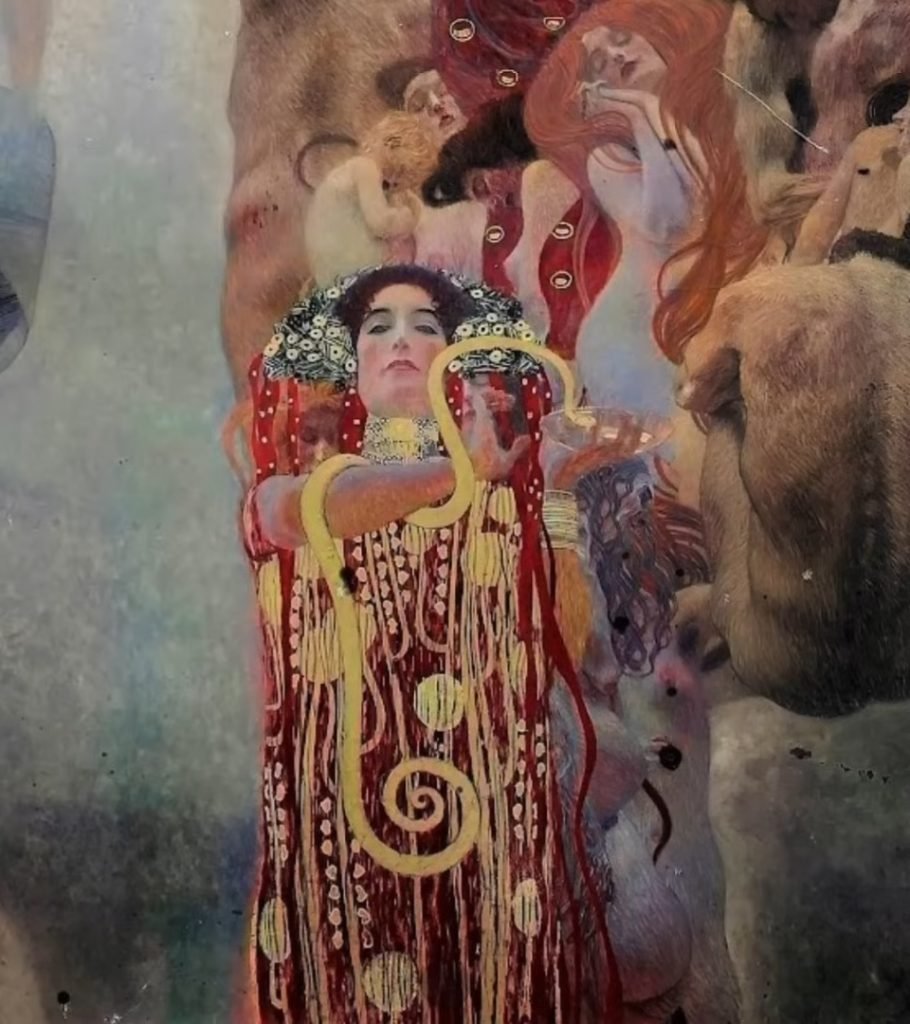
Klimt’s “Medicine & Hygeia,” painted in 1901, showcases his signature ornamental style and vivid use of color. The artwork features a striking female figure representing Hygeia, surrounded by intricate motifs and symbolic elements.
Gold leaf enhances the painting’s richness, while the hues convey emotion and vitality. Klimt emphasizes the connection between health and beauty, illustrating his innovative approach to Art Nouveau.
This work not only exemplifies Klimt’s mastery of color but also invites viewers to explore its deeper themes of wellness and the human condition.
10. A Friend in Need 1903 – C M Coolidge
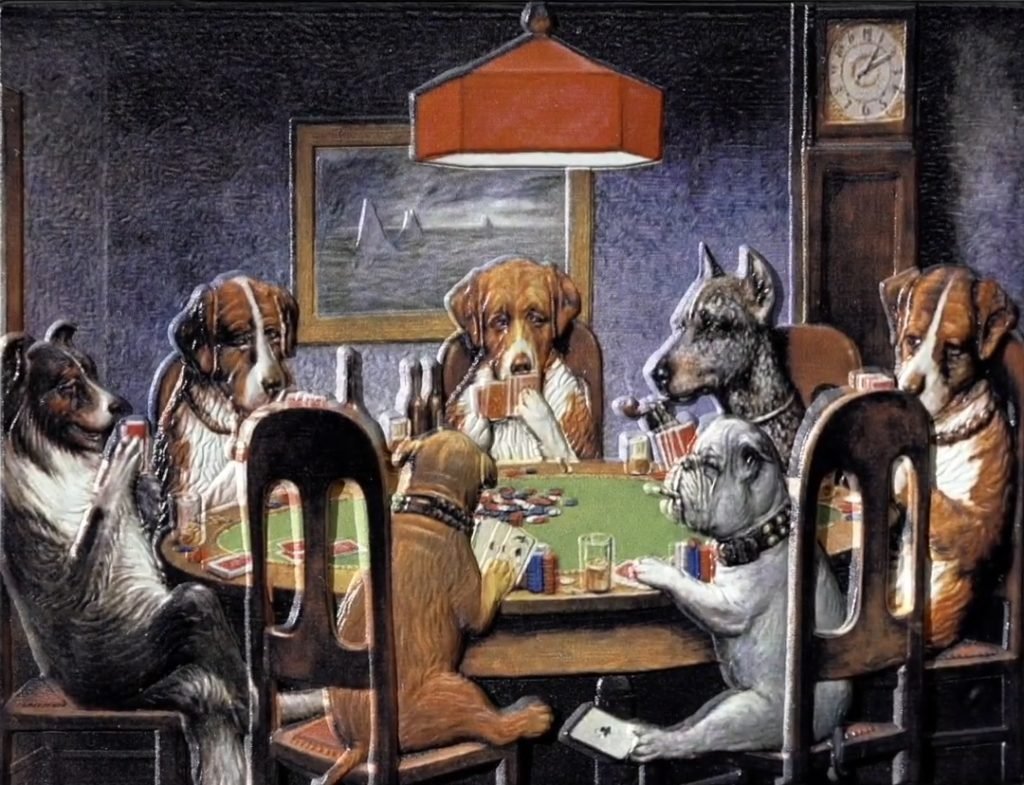
“A Friend in Need,” painted in 1903 by C. M. Coolidge, features the iconic image of dogs playing poker. This artwork captures several dogs gathered around a table, with one dog slyly passing a card to another.
Coolidge’s use of bright colors and humorous scene creates an inviting atmosphere. The painting highlights themes of friendship and camaraderie, making it a beloved piece in American pop culture.
The clever depiction of canine characters interacting in a human-like setting underscores Coolidge’s knack for blending humor with delightful artistry.