
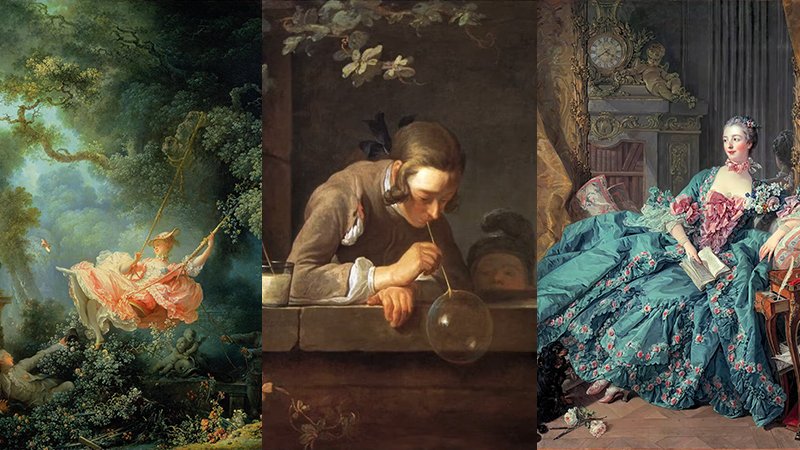
Rococo art emerged in the early 18th century, captivating audiences with its playful elegance and intricate detail.
This movement, known for its light-hearted themes and ornate designs, marked a departure from the grandeur of Baroque art.
Artists embraced a sense of whimsy, infusing their works with colors and romantic motifs that celebrate love, nature, and the joys of life.
Among the most celebrated rococo paintings, a handful stand out for their exquisite craftsmanship and historical significance.
These masterpieces not only reflect the artistic innovations of their time but also provide a glimpse into the cultural landscape of the era.
From enchanting scenes of leisure to elaborate depictions of mythological tales, each painting offers a unique story that continues to resonate with art lovers today.
1. The Embarkation for Cythera – Jean-Antoine Watteau

The Embarkation for Cythera is a masterful illustration of Rococo’s playful spirit. Watteau depicts a group of elegantly dressed couples preparing for a journey to the mythical island of love, Cythera.
The soft colors and delicate brushwork create a dreamy atmosphere, inviting viewers into a romantic tableau.
Symbolism abounds, with the presence of Cupid subtly suggesting love’s playful nature. Painted in 1717, this piece represents a pivotal moment in Rococo art, perfectly merging beauty and emotional depth.
2. The Swing – Jean-Honoré Fragonard

“The Swing,” painted by Jean-Honoré Fragonard in 1767, epitomizes the playful essence of Rococo art. The painting features a young woman on a swing, her flowing gown billowing as she soars through the air.
A hidden lover watches from below, symbolizing romantic intrigue. Fragonard’s use of bright pastels enhances the whimsical atmosphere, while the lush background evokes a sense of enchantment.
The painting’s charm lies in its carefree portrayal of love and desire, making it a staple of Rococo masterpieces.
3. Triumph of Venus – François Boucher

“Triumph of Venus,” created by François Boucher in 1740, exemplifies Rococo’s enchanting themes of love and beauty.
The painting features Venus, the goddess of love, amidst a scene filled with playful putti and lush landscapes.
Boucher’s masterful use of soft colors and delicate details enhances the ethereal quality of the composition.
The painting reflects sensuality and charm, showcasing not only the grandeur of the Rococo style but also its celebration of divine love.
Boucher’s ability to blend mythology with intimate emotion makes this work a hallmark of the Rococo movement.
4. The Entrance to the Grand Canal – Canaletto

Canaletto’s “The Entrance to the Grand Canal” showcases the life of Venice in the 18th century. The painting captures the bustling activity at the waterway, highlighting intricate architecture and boats.
Canaletto uses sharp clarity and precise perspective to create realism, making viewers feel present in the scene. The rich color palette reflects the strong sunlight, enhancing the shimmering waters.
This artwork epitomizes Rococo’s ornate style while celebrating Venice’s cultural significance, making it a quintessential example of the era’s artistic brilliance.
5. Portrait of Madame de Pompadour – François Boucher

“Portrait of Madame de Pompadour,” painted by François Boucher in 1756, celebrates the allure and sophistication of one of France’s most influential women.
This captivating portrait showcases Pompadour’s striking beauty and elegance, adorned in luxurious fabrics and colors. Boucher’s brushwork highlights her delicate features, radiating grace and charm.
The intricate details in the background and the sumptuousness of her attire reflect the Rococo’s penchant for opulence.
As Louis XV’s mistress, Pompadour significantly impacted the arts, making this painting a representation of both personal and cultural significance in the Rococo movement.
6. The Meeting (from the Loves of the Shepherds) – Jean-Honoré Fragonard

Fragonard’s “The Meeting” delightfully captures the essence of youthful romance. The painting portrays a clandestine encounter between lovers amidst a lush garden, brimming with colors and energetic brushwork.
It features intricate details in the foliage, enhancing the seductive atmosphere. Fragonard’s use of light accentuates the couple’s playful expressions and tender connection.
As an emblem of Rococo art, this piece exemplifies the movement’s emphasis on love, fantasy, and nature, making it a captivating addition to the illustrious repertoire of 18th-century artworks.
7. Pierrot – Jean-Antoine Watteau

“Pierrot,” painted by Jean-Antoine Watteau in 1718, presents a poignant exploration of love and melancholy through the figure of the sad clown.
Watteau captures Pierrot’s expressive face, revealing a deep sense of yearning and emotional vulnerability.
The soft background, adorned with delicate foliage, enhances the painting’s dreamy quality, while the gentle color palette evokes tender emotions.
Watteau’s mastery of light and shadow adds depth, inviting viewers to connect with Pierrot’s poignant story, further solidifying this work as a quintessential Rococo masterpiece.
8. Allegory of the Planets and Continents – Giovanni Battista Tiepolo

Tiepolo’s “Allegory of the Planets and Continents,” created in 1752, showcases the artist’s mastery of composition and color.
The expansive ceiling mural features personifications of the planets and continents, vividly demonstrating Rococo’s luxurious aesthetic. Tiepolo employs a palette, using soft pastels and intricate detailing to create a sense of movement and grandeur.
Each character exudes charm and grace, highlighted by playful interaction among the figures. This masterpiece serves as an embodiment of enlightenment thought, merging mythology with a celebration of the cosmos and the Earth’s splendor.
9. Soap Bubbles – Jean-Baptiste-Siméon Chardin

Chardin’s “Soap Bubbles,” painted in 1735, captures a moment of childhood wonder through its playful subject matter.
The painting features a young boy lost in the act of blowing soap bubbles, with colors reflecting light and movement.
Chardin’s meticulous attention to detail highlights the translucent quality of the bubbles, enhancing the sense of fragility.
The soft textures of the boy’s clothing and the warm tones of the background create an inviting atmosphere, celebrating innocence and the ephemeral nature of joy in life’s simple pleasures.
10. The Bathers – Jean-Honoré Fragonard

Fragonard’s “The Bathers,” painted in the late 18th century, beautifully captures a moment of leisurely intimacy among young women in a lush, natural setting.
The composition showcases soft, flowing lines and a palette that enhances the sensuality of the scene.
Fragonard’s adept use of light creates a shimmering effect on the skin of the bathers, emphasizing their carefree joy.
The painting represents the Rococo spirit through its playful exploration of elegance and nature, making it a quintessential example of the era’s charm and frivolity.


