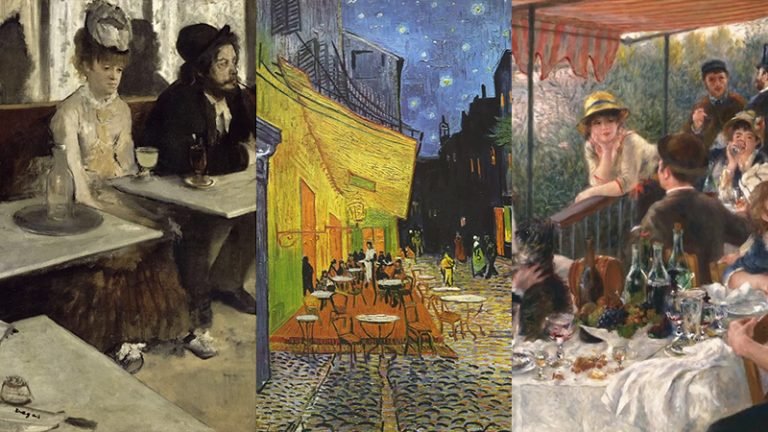
Modern art represents a revolutionary shift in artistic expression, emerging from the late 19th to the mid-20th century.
It breaks away from traditional forms, embracing experimentation and abstraction to challenge the very essence of what art can convey.
This period witnessed a myriad of movements, each with its unique characteristics and philosophies, reflecting the dynamic cultural landscape of the time.
From the light-filled canvases of Impressionism to the bold, fragmented forms of Cubism, modern art encompasses a diverse array of styles.
Surrealism invites viewers into dreamlike realms, while Pop Art redefines everyday objects as art.
1. Impressionism
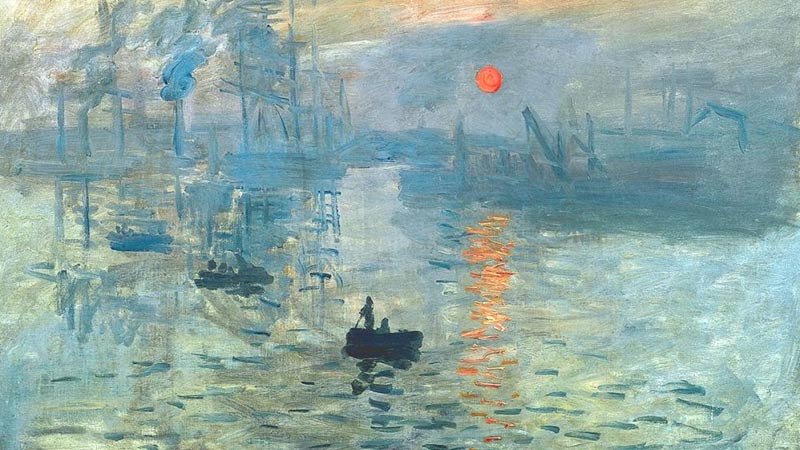
Impressionism originated in France during the late 19th century. It focuses on capturing fleeting effects of light and atmosphere in paintings.
Artists often painted en plein air, or outdoors, to seize natural lighting. Techniques include visible brush strokes and vibrant color palettes.
Notable figures like Claude Monet and Edgar Degas emphasized everyday scenes and landscapes, moving away from traditional subjects.
Impressionism represents a pivotal shift from stiff realism to spontaneous expression, offering a fresh perspective on the world.
2. Post-Impressionism
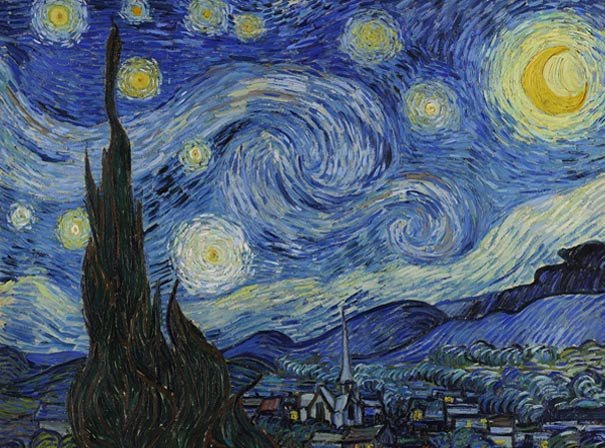
Post-Impressionism arose in the late 19th century as a reaction against Impressionism’s focus on naturalistic light and color. It emphasizes emotional depth, symbolism, and structure through various styles and techniques.
Artists like Vincent van Gogh used bold colors and expressive brushwork to convey feeling. Georges Seurat applied pointillism to create vibrant compositions, while Paul Gauguin explored symbolism with mythological imagery.
Paul Cézanne introduced geometric simplification, impacting future movements and reinforcing the importance of subjective expression in modern art.
3. Cubism
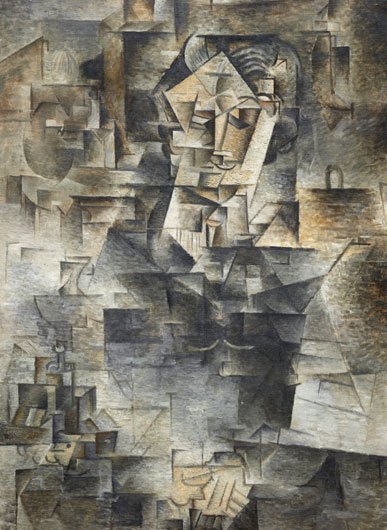
Cubism is a revolutionary art movement that emerged in the early 20th century, pioneered by Pablo Picasso and Georges Braque.
Cubism focuses on breaking down objects into geometric shapes and presenting multiple perspectives simultaneously.
Analytic Cubism (1909-1912) emphasizes muted colors and fragmented forms, while Synthetic Cubism (1912-1914) introduces brighter hues and mixed media, transforming everyday objects into collages.
This dynamic approach fundamentally changed the representation of reality in art, paving the way for future avant-garde movements.
4. Surrealism

Surrealism emerged in the early 20th century, seeking to unlock the unconscious mind’s creativity. Surrealists aimed to challenge reality by merging dreamlike scenes with ordinary objects.
Artists like Salvador Dalí created bizarre imagery, utilizing techniques such as unexpected juxtapositions and distorted perspectives.
Surrealism emphasized spontaneity and intuition, allowing artists to explore deep psychological themes and societal critiques.
This movement recognized the power of dreams and irrationality, significantly influencing contemporary artistic expression.
5. Expressionism
Expressionism emerged in the early 20th century as a reaction against realism, focusing on representing emotional experiences rather than physical reality.
Artists used bold colors, exaggerated forms, and distorted perspectives to convey feelings of anxiety, alienation, and passion.
Notable figures include Edvard Munch, whose work “The Scream” epitomizes the movement’s emotional intensity, and Wassily Kandinsky, who explored abstract forms to evoke spirituality.
Expressionism profoundly influenced modern art, laying the groundwork for future movements like Abstract Expressionism by prioritizing subjective emotion over conventional representation.
6. Abstract Expressionism

Abstract Expressionism emerged in the 1940s and 1950s, emphasizing spontaneous, automatic, or subconscious creation.
Artists embraced non-representational forms to express emotions, often using bold colors and dynamic brushstrokes.
Many, like Jackson Pollock, utilized techniques such as dripping and pouring paint, creating immersive works that invited viewer interpretation.
This movement marked a significant shift in art, prioritizing individual expression over traditional techniques, and influencing subsequent styles by focusing on the physical act of painting as a form of artistic communication.
7. Fauvism
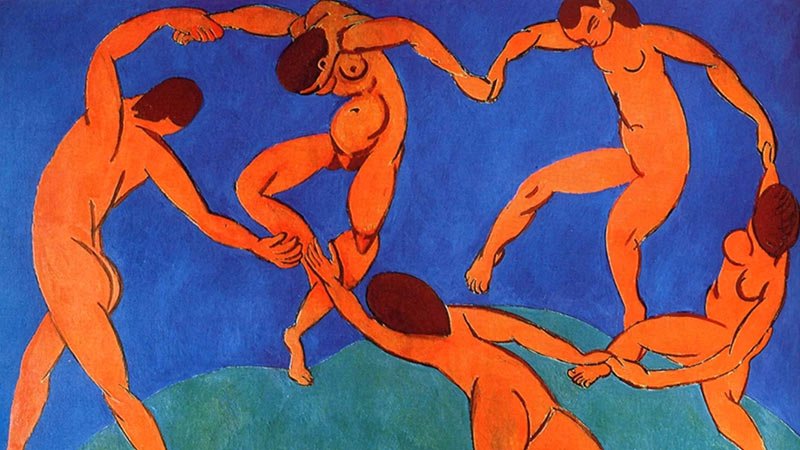
Fauvism emerged in early 20th century France, characterized by its use of bold, vibrant colors and simplified forms.
Fauvist artists like Henri Matisse and André Derain applied colors straight from the tube, creating striking visual effects that prioritized emotion over realism.
They often portrayed landscapes and figures using shockingly bright palettes and dramatic brushwork, breaking away from Impressionism’s naturalistic approaches.
This movement, though brief from 1905 to 1910, laid the groundwork for modern artistic expression, influencing later movements like Expressionism and Abstract Expressionism.
8. Dadaism
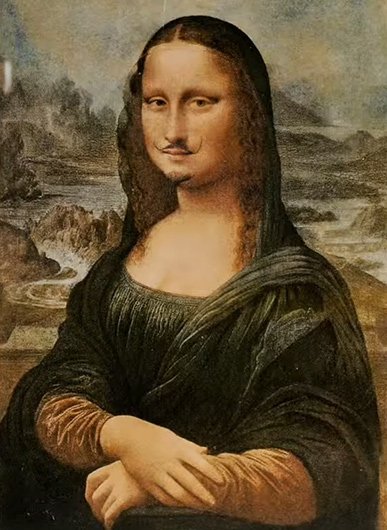
Dadaism emerged in the early 20th century as a radical art movement that challenged established norms. Dadaists embraced absurdity, rejecting logic and reason to express disillusionment with contemporary society.
Dada art included diverse mediums such as collage, photomontage, and ready-mades, blurring the lines between art and everyday objects.
Key figures like Marcel Duchamp transformed ordinary items—like a urinal—into provocative art, igniting debates about what constitutes art.
Dadaism’s emphasis on spontaneity and anti-art sentiment paved the way for later movements, like Surrealism, by prioritizing emotional expression over traditional aesthetics.
9. Pop Art

Pop Art breaks away from traditional art by drawing inspiration from popular culture and mass media. It thrives on bright colors, bold lines, and commercial imagery.
Artists like Andy Warhol and Roy Lichtenstein utilized techniques such as screen printing and comic strip aesthetics to create their work.
Pop Art often critiques consumerism and highlights the intersection of high and low culture, making art more accessible and relatable. By including everyday objects, it reshapes the way viewers perceive art and its context in society.
10. Futurism
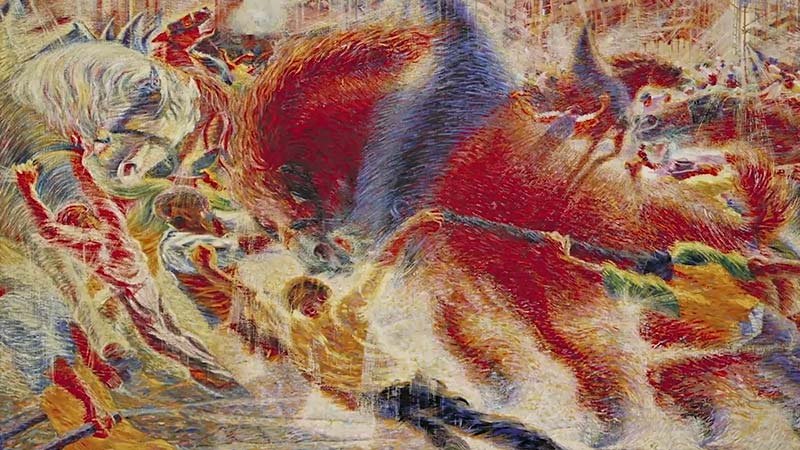
Futurism emerged in the early 20th century, celebrating modern technology and speed. Artists like Umberto Boccioni focused on movement and dynamism, portraying the energy of urban life.
Futurism emphasized bold colors, fragmented forms, and swirling lines to evoke a sense of urgency. Through techniques like simultaneous viewpoints, it depicted multiple perspectives in a single work.
This movement not only influenced painting but also extended to sculpture and architecture, reflecting the excitement of a rapidly changing world.
11. Minimalism
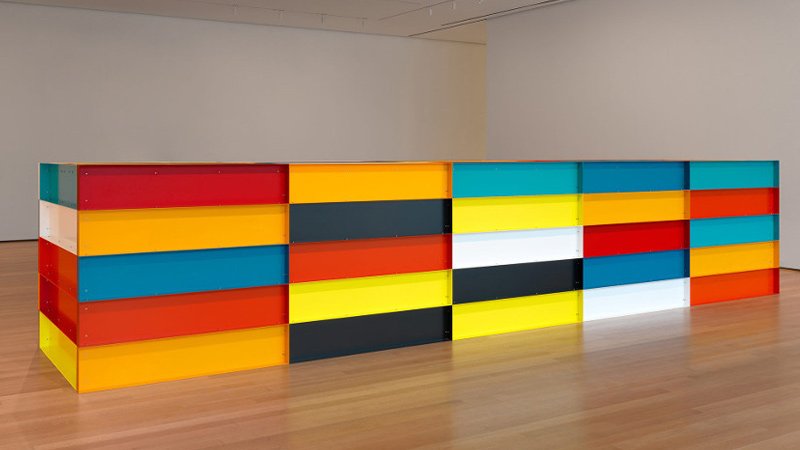
Source: arthive.com
Minimalism emerged in the late 1950s as a reaction against the complexity of Abstract Expressionism. Artists emphasized simplicity, using basic forms and limited color palettes to convey essential ideas.
They often stripped away unnecessary elements, focusing on the artwork’s critical components. Notable figures like Donald Judd and Agnes Martin created pieces that highlight the beauty of clarity and space.
Minimalism also influenced architecture and design, promoting functionality and harmony. This movement encourages viewers to engage with the artwork on a deeper level, inviting contemplation of form and space without distraction.