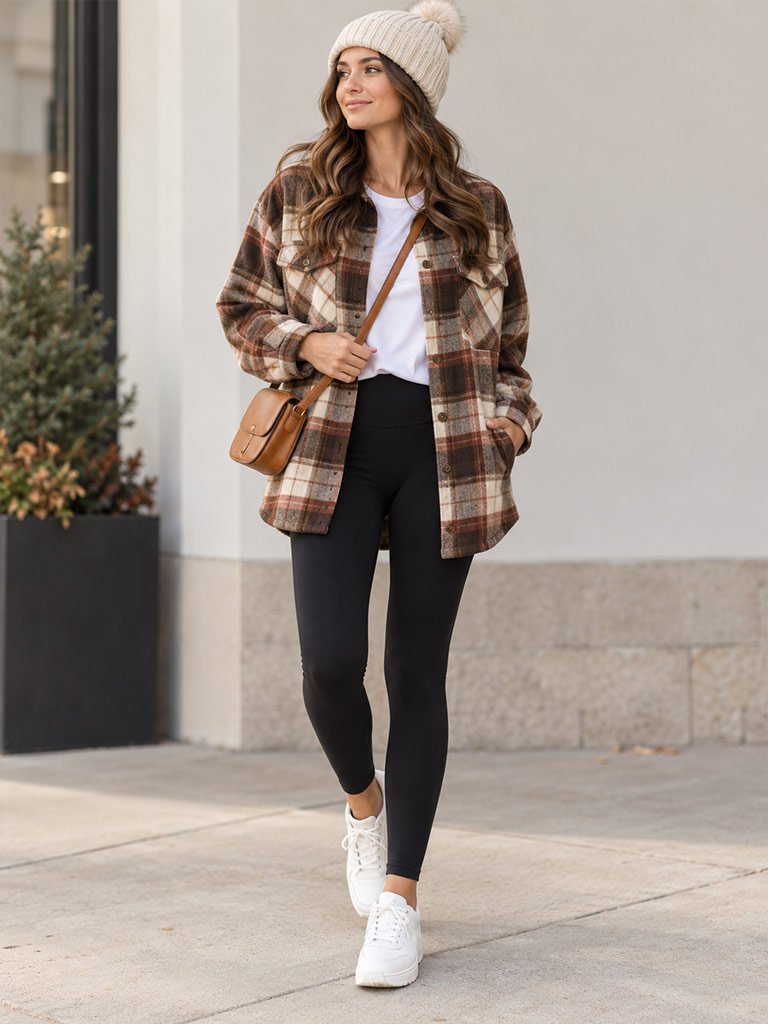
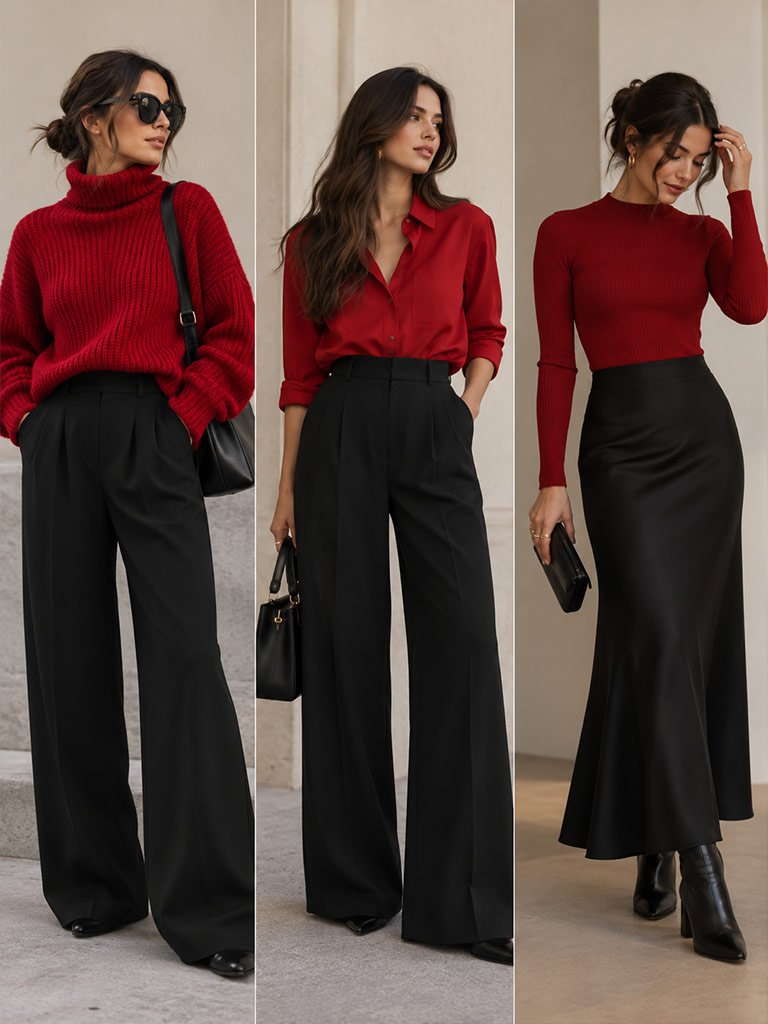
Autumn brings plenty of opportunities to enjoy getting dressed. Lightweight jackets return to regular rotation, soft knitwear feels inviting, and familiar jeans take on a different look with boots and a carefully chosen coat. Yet the changing weather can make outfit planning surprisingly tricky.
A chilly morning may become a warm afternoon, while an unexpected shower can leave your favorite shoes feeling impractical.
Learning how to dress stylishly in autumn starts with understanding a few useful basics: wear layers you can adjust, choose clothes that work together, and pay attention to fit, texture, and footwear. You do not need a completely new wardrobe to look put together. Often, a different combination of pieces you already own is enough.
Whether you love relaxed weekend outfits, polished office looks, or feminine dresses, this guide will help you create an autumn wardrobe that feels comfortable and personal. The aim is to make everyday dressing easier while giving you room to enjoy your style.
1. Start With Your Weather and Daily Routine
Before planning autumn outfits, think about what the season actually looks like where you live.
In some places, autumn means cold winds and frequent rain. Elsewhere, it brings warm days with slightly cooler evenings. Your wardrobe should reflect those conditions.
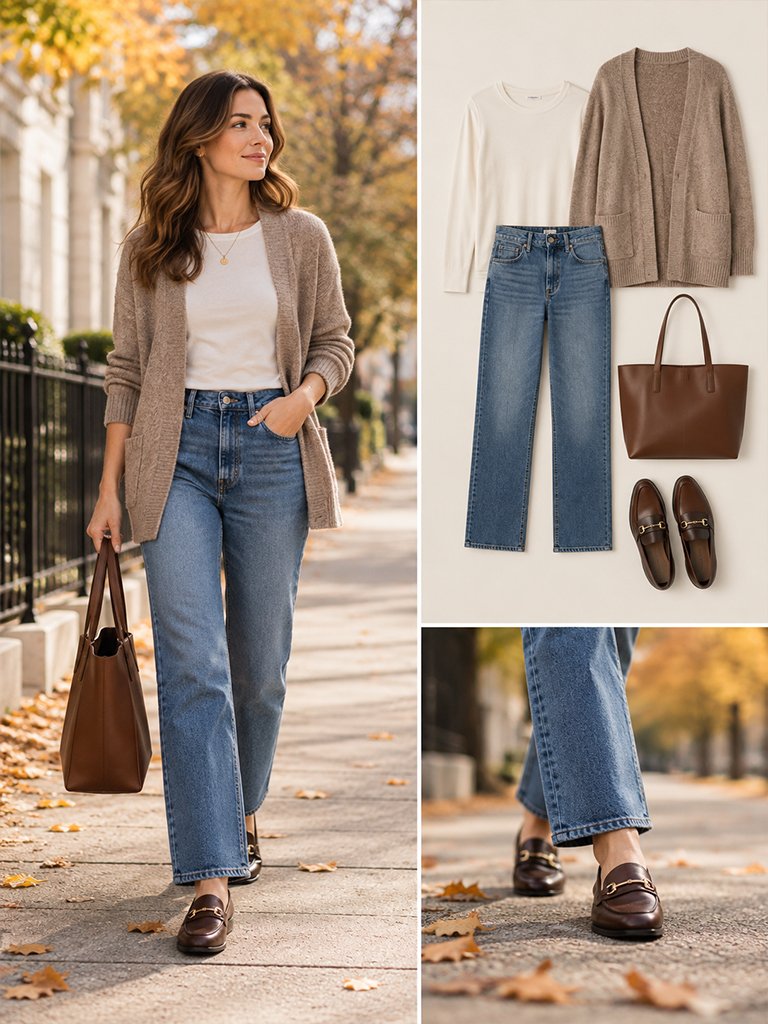
For mild weather, a cotton shirt, lightweight cardigan, and loafers may be enough. For colder days, you might need a warmer sweater, an insulated outer layer, and boots that can accommodate thicker socks.
Your routine matters just as much. Someone who walks to work needs different footwear from someone who spends most of the day indoors. A parent moving between errands and school pickups may value easy movement, while an office worker might need layers that remain polished when the jacket comes off.
Ask yourself three questions before getting dressed:
- What temperatures will I experience today?
- How much walking or outdoor time will I have?
- Where does my outfit need to take me?
These answers help you build an outfit that looks intentional and works throughout the day.
Try this: For a mild autumn morning, wear straight-leg jeans, a breathable long-sleeve top, and an open cardigan. Add a light jacket only if the forecast calls for it.
2. Build Your Outfits Around Useful Wardrobe Basics
A stylish autumn wardrobe becomes easier to manage when several pieces work across different outfits.
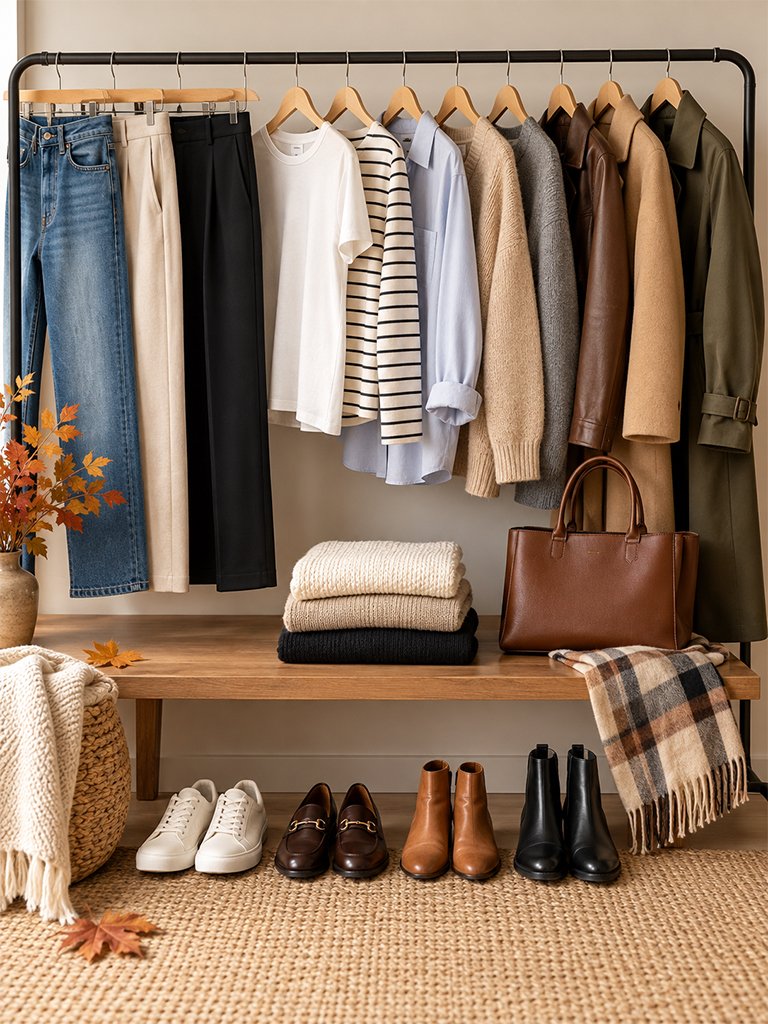
Begin by looking through what you already own. Pull out trousers that fit comfortably, jeans you enjoy wearing, simple tops, versatile knitwear, and outerwear in good condition. These pieces form the foundation of your seasonal outfits.
Useful autumn basics might include:
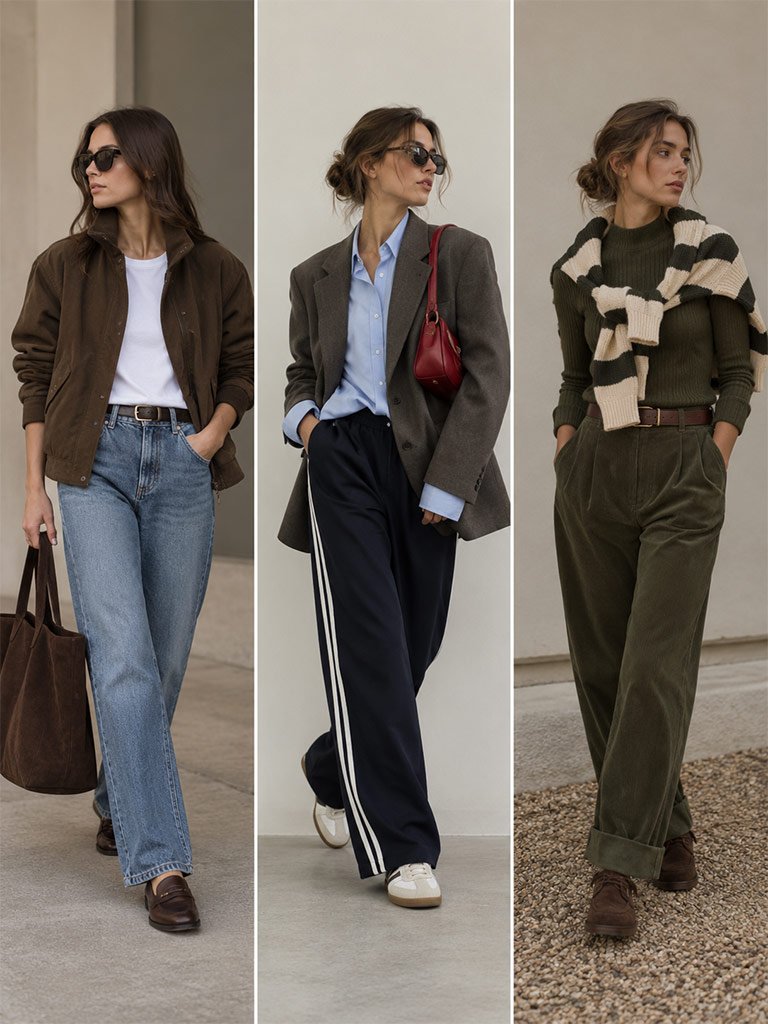
- Straight-leg, relaxed, or wide-leg jeans.
- Comfortable tailored trousers.
- Plain T-shirts and long-sleeve tops.
- A button-down shirt.
- A cardigan or lightweight sweater.
- A jacket or coat suited to your climate.
- A skirt or dress you can layer.
- Comfortable everyday shoes.
Treat this as a flexible starting point. If you rarely wear skirts, you do not need to add one. If blazers feel too formal for your lifestyle, a neat casual jacket can serve a similar purpose.
The most valuable clothes are the ones you reach for repeatedly and can combine without much effort.
For example, dark trousers might work with a shirt and loafers for the office, a sweater and sneakers for errands, or a fitted top and boots for dinner. That flexibility gives you more options without crowding your wardrobe.
3. Learn to Layer Without Feeling Bulky
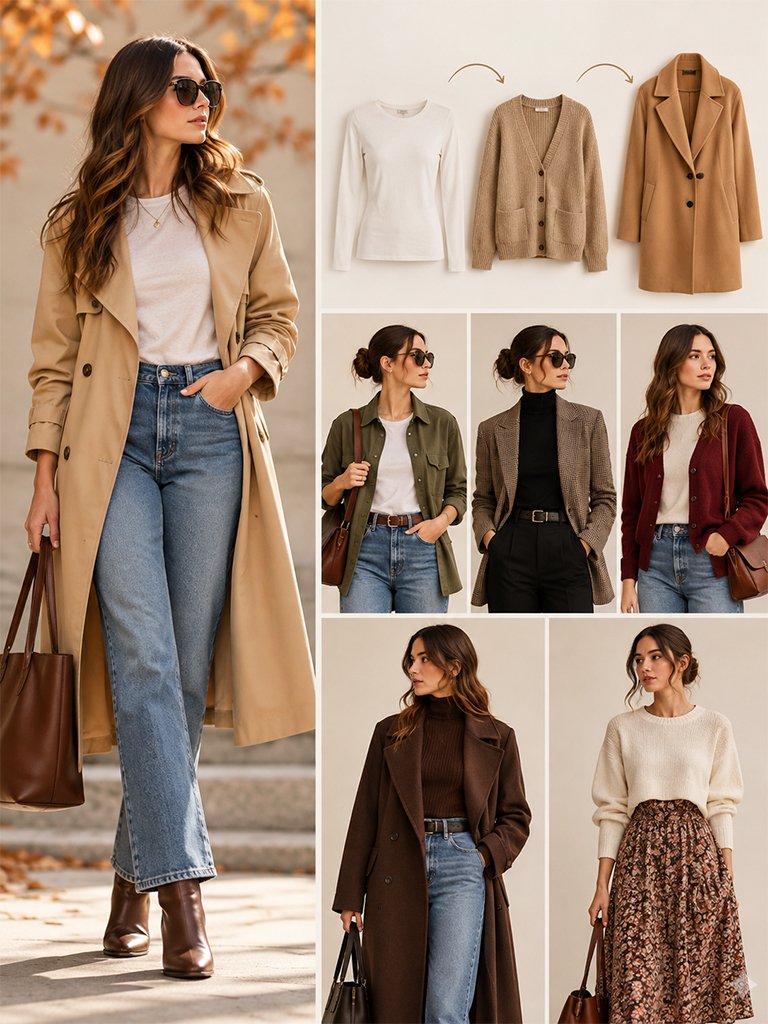
Layering is one of the most practical ways to dress stylishly in autumn. It allows you to adjust to temperature changes and adds depth to otherwise simple outfits.
Start with a comfortable base layer. A cotton T-shirt, thin long-sleeve top, or lightweight turtleneck can sit smoothly beneath other clothes.
Next, add a middle layer such as a cardigan, sweater, overshirt, or blazer. Finish with outerwear when the weather requires it.
The thickness of each piece matters. Several heavy layers can restrict movement and make an outfit feel crowded. A thinner base under a warmer sweater usually feels more comfortable than a thick top beneath another thick knit.
Check whether you can bend your arms easily and whether the shoulders of your jacket sit comfortably over your layers.
A few dependable combinations include:
- A T-shirt beneath an open shirt and lightweight jacket.
- A thin turtleneck beneath a blazer.
- A simple top beneath a cardigan and coat.
- A dress beneath a relaxed sweater or cropped jacket.
Each visible layer should also work on its own. If you remove your coat during the afternoon, the outfit underneath should still feel complete.
4. Choose a Color Palette That Makes Mixing Easier
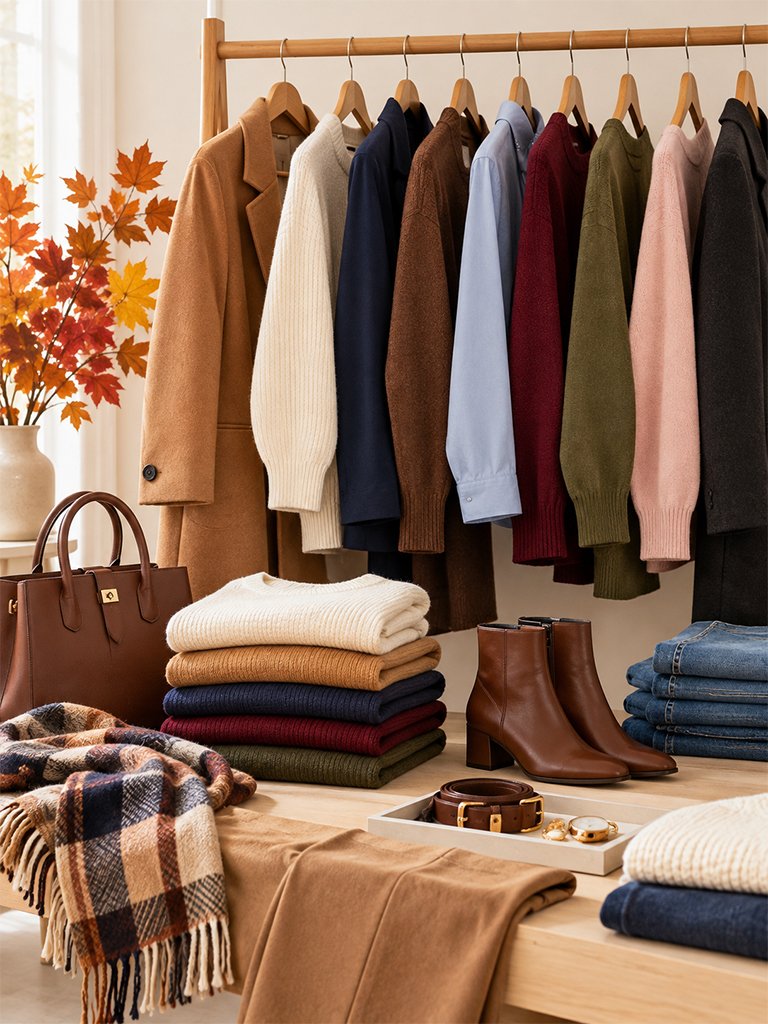
You do not need to wear only brown, orange, and beige to create an autumn look. The season can accommodate almost any palette.
However, choosing a few colors that combine easily makes outfit planning simpler.
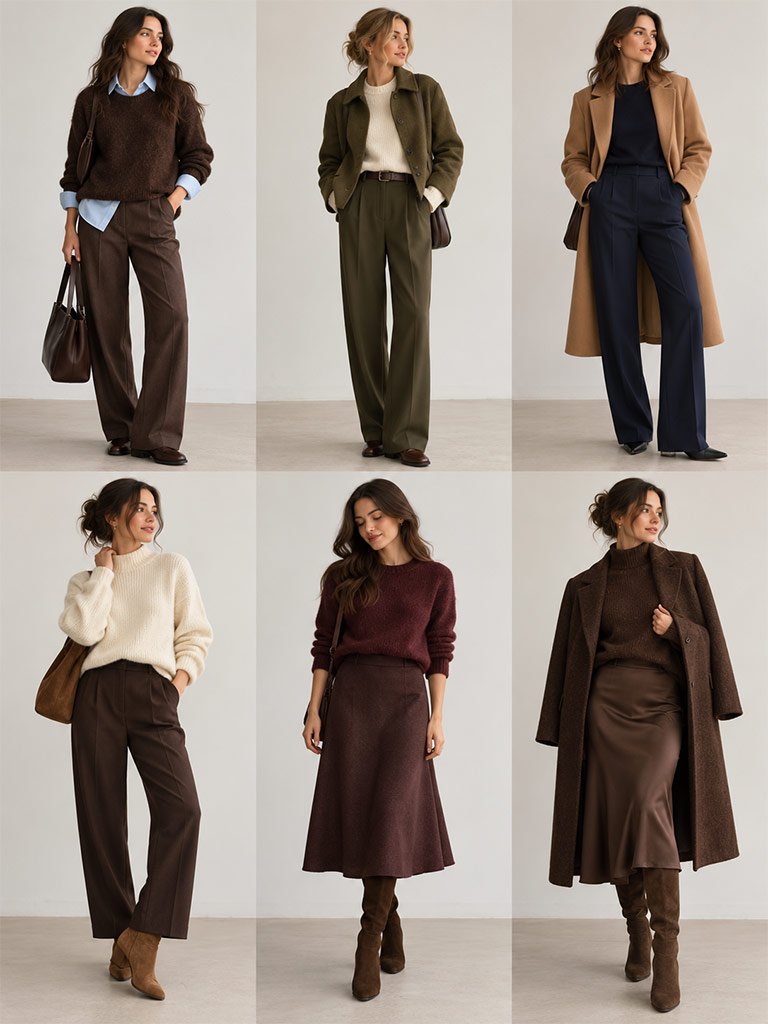
Start with two or three familiar base colors. These might be navy, charcoal, cream, black, camel, or chocolate brown. Then add a color you enjoy, such as burgundy, olive, teal, plum, or soft pink.
For example, a wardrobe built around navy, cream, and brown can support many combinations:
- Navy trousers with a cream sweater.
- Brown trousers with a pale blue shirt.
- Dark jeans with a cream top and brown jacket.
- A navy dress with burgundy accessories.
You can also dress in different shades of one color. A cream top, oatmeal cardigan, and beige trousers create a coordinated outfit without requiring an exact match.
When trying a new color, begin with a piece near your face and check it in natural light. Personal preference matters more than following a rigid seasonal formula.
If you love brighter clothing, keep wearing it. A pink sweater or blue coat can feel entirely appropriate for autumn when paired with weather-suitable fabrics and shoes.
5. Use Texture to Make Simple Outfits More Interesting
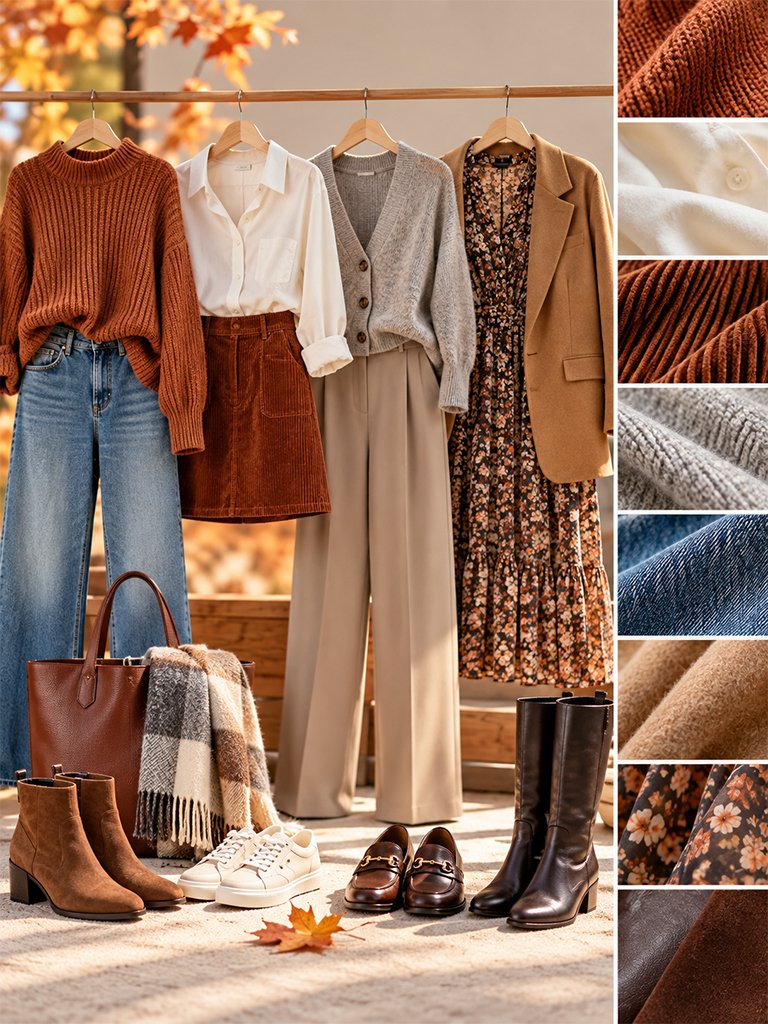
Texture can give an outfit character without adding complicated patterns or lots of accessories.
Autumn offers plenty of possibilities: ribbed knits, smooth cotton, denim, corduroy, wool blends, and suede-like finishes all create different visual effects.
A plain sweater and jeans can look more considered when the sweater has a distinct knit and the shoes introduce another texture. Likewise, tailored trousers paired with a soft cardigan can feel polished without looking stiff.
Try combining two or three textures:
- A ribbed sweater with smooth trousers.
- A cotton shirt with a corduroy skirt.
- Dark denim with a soft knit and structured jacket.
- A flowing dress with a substantial cardigan.
Keep comfort and care requirements in mind. Some fabrics feel scratchy against the skin, while others need more careful cleaning. Suede and similar finishes may also require extra attention in wet weather.
The best choice is a fabric you enjoy wearing and can maintain realistically. Beautiful clothes become less useful if their upkeep makes you avoid them.
6. Pay Attention to Fit and Proportion
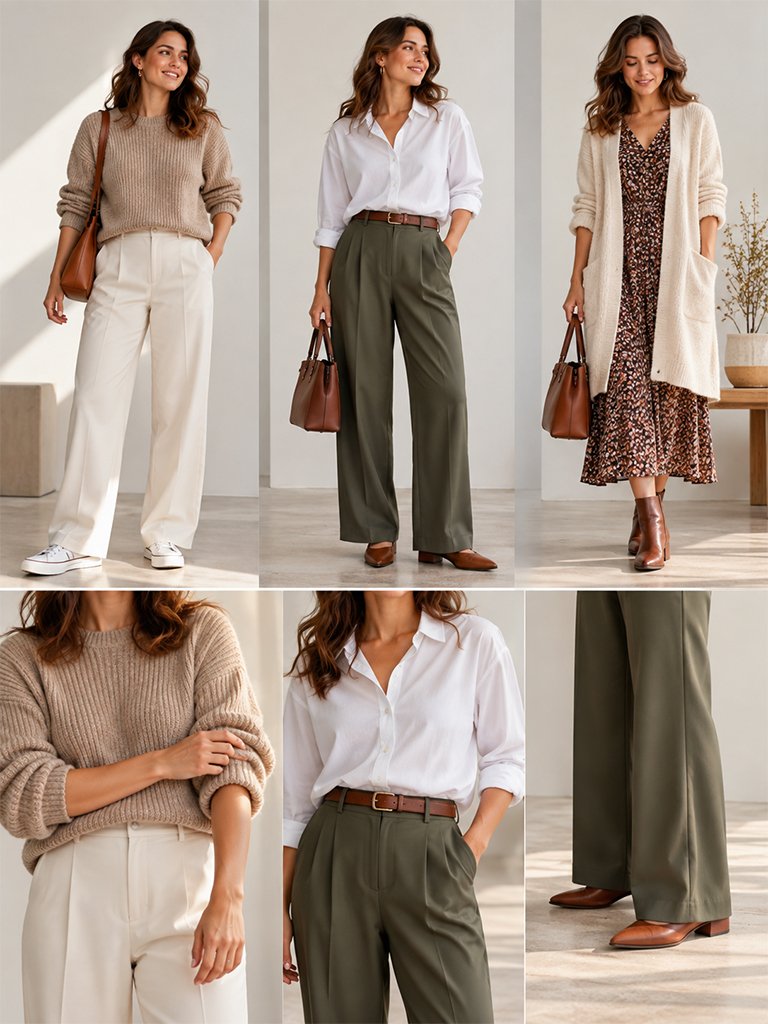
Good fit can make familiar clothes look noticeably better.
Start with practical checks. Shoulder seams should sit comfortably, waistbands should allow you to sit and move, and buttons should close without pulling. Trouser hems should work with the shoes you plan to wear.
Then consider the overall shape of your outfit.
If you enjoy a loose sweater, you might pair it with straight-leg trousers for a clear silhouette. If you prefer wide-leg trousers, a shorter cardigan or a lightly tucked shirt can help show where the top and bottom meet.
These are options, not rules. Loose pieces can look excellent together when their lengths and fabrics feel deliberate.
For example, a relaxed shirt and wide-leg trousers may work well when the shirt falls cleanly and the trousers have a defined waistband. A long cardigan over a flowing dress can also create an easy, elegant line.
Try adjusting one detail before changing the entire outfit:
- Push up the sleeves.
- Tuck in the front of a shirt.
- Open the cardigan.
- Change the shoe shape.
- Swap a long jacket for a shorter one.
Small changes often reveal a combination you already like.
7. Choose Outerwear That Pulls the Outfit Together
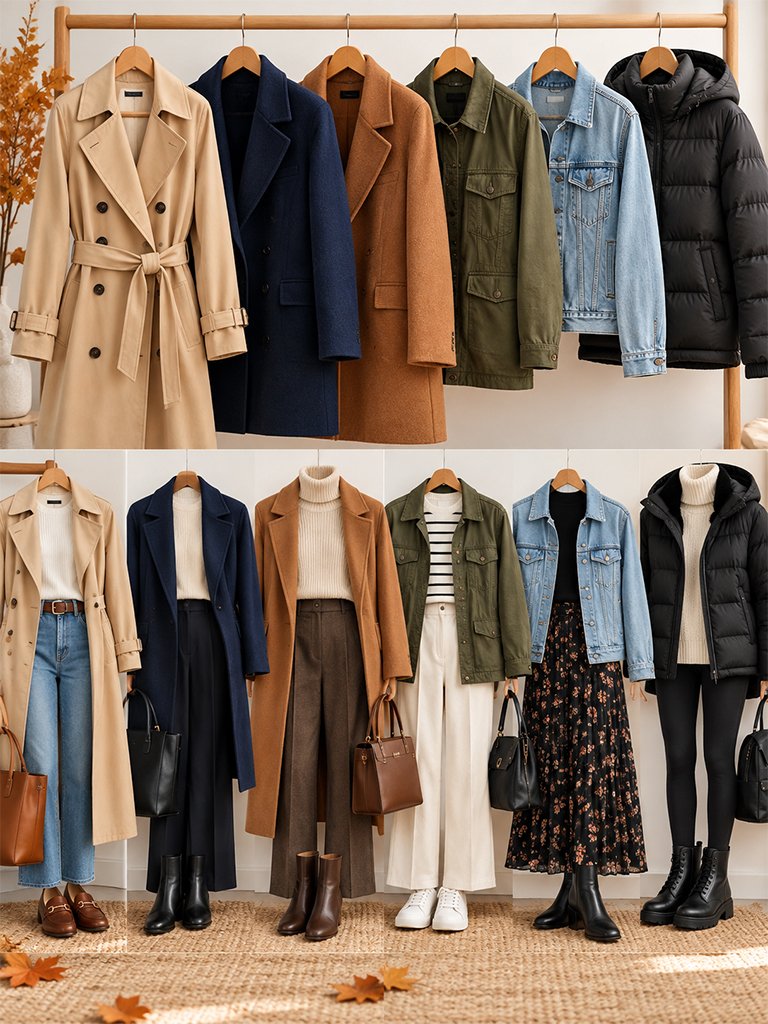
During autumn, your jacket or coat is often the most visible part of your outfit. It deserves as much attention as the clothes beneath it.
Choose outerwear according to your climate, preferred style, and daily activities.
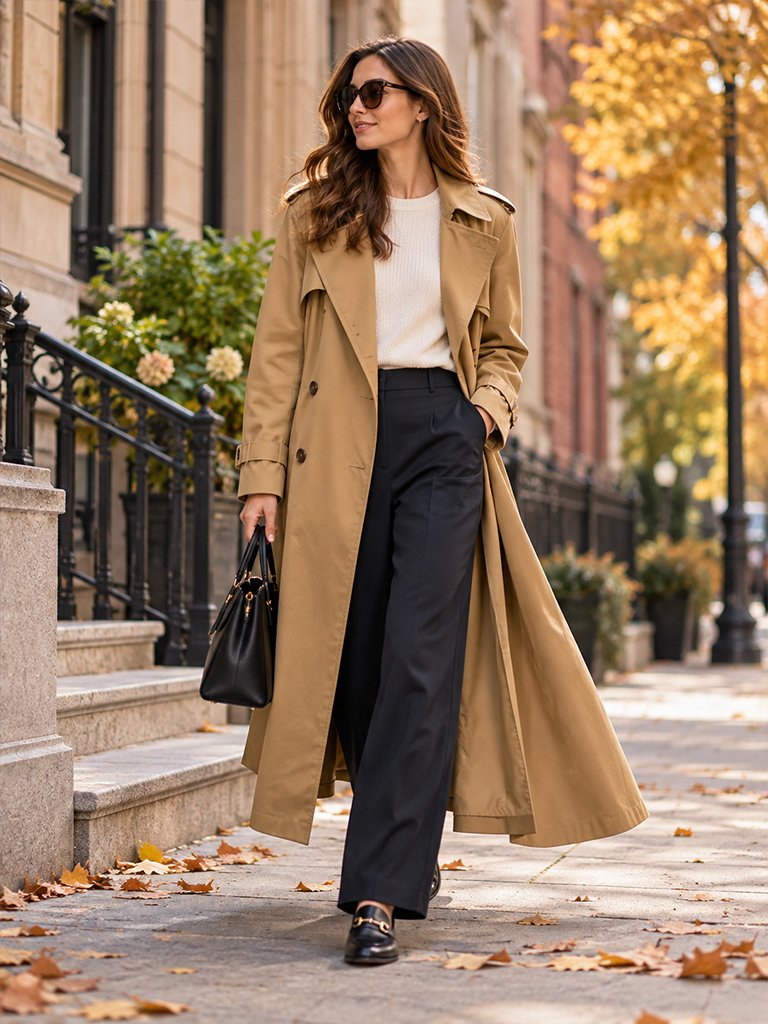
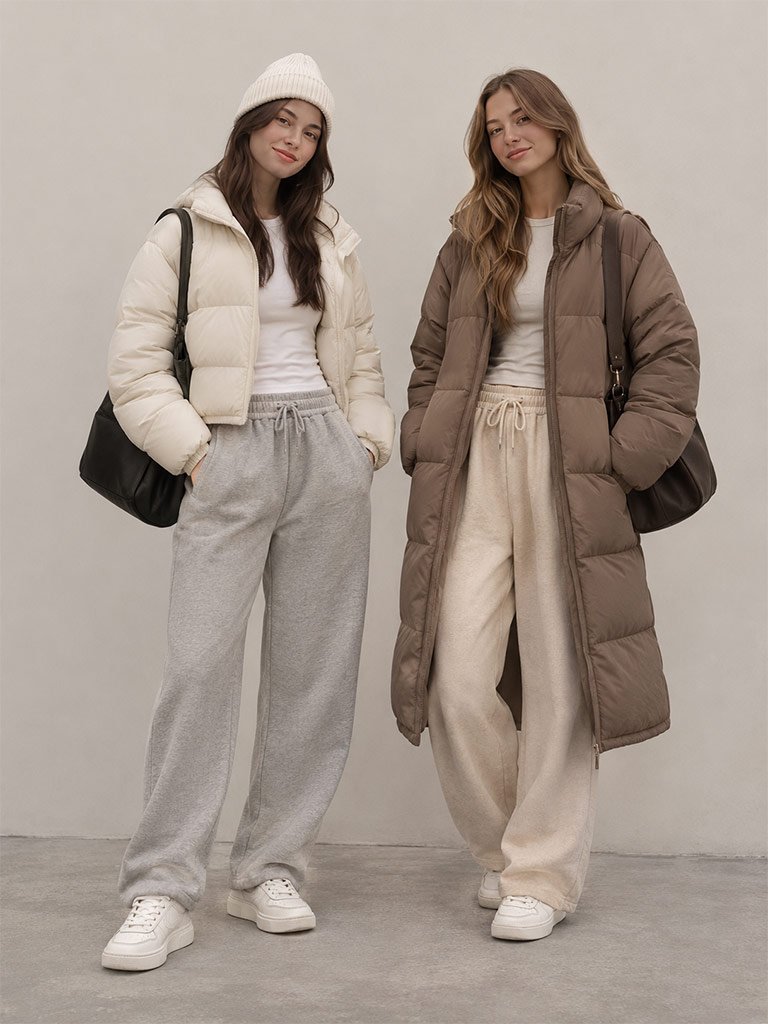
A lightweight trench can work for mild conditions, although rain protection depends on the garment’s construction and fabric. A wool or wool-blend coat can offer warmth in cooler weather. A denim jacket may suit casual days, while an insulated jacket can be more practical when temperatures drop.
Check how the outerwear fits over the layers you actually wear. A coat that fits beautifully over a T-shirt may feel restrictive over your usual sweater.
Length also affects the overall look. A cropped jacket can sit neatly above high-waisted trousers, while a longer coat can work well over dresses and tailored separates.
For everyday versatility, choose a color that complements several existing outfits. Navy, charcoal, brown, olive, and camel are useful possibilities, but a favorite statement color can be equally valuable if you wear it often.
8. Select Shoes for Both Style and Movement
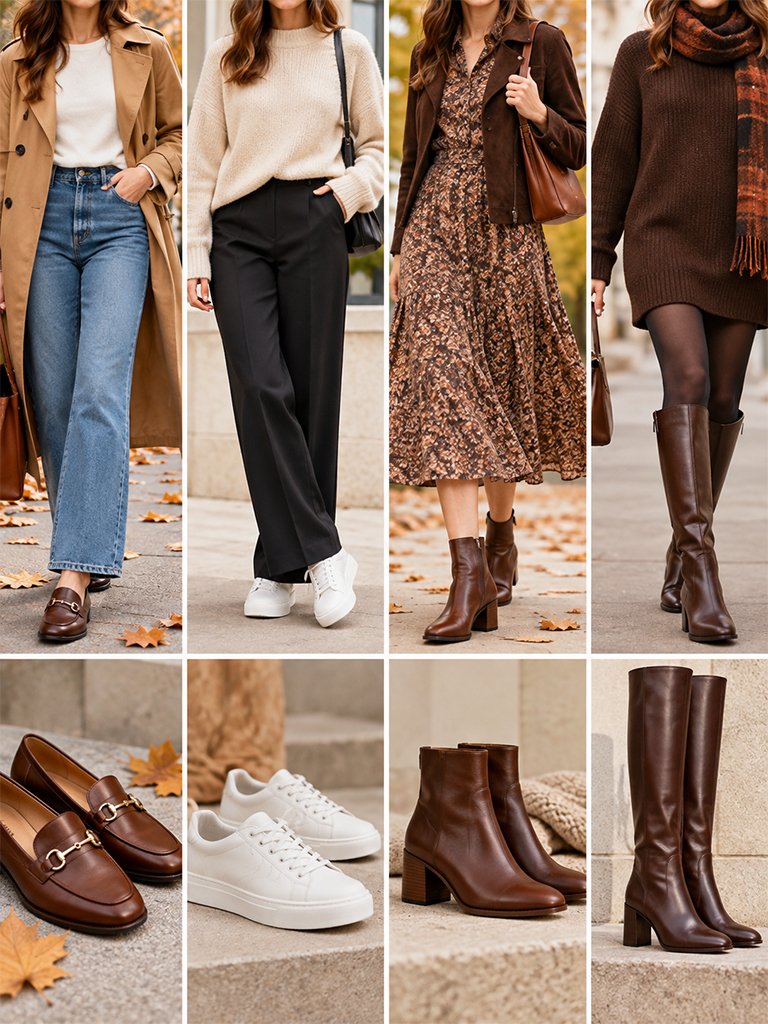
Shoes help establish the mood of an autumn outfit.
Loafers can make jeans feel polished. Sneakers keep tailored trousers relaxed. Ankle boots can work with dresses, skirts, and denim. Taller boots may provide extra coverage on colder days.
Start with comfort and weather suitability. If you walk regularly, look for a fit that supports your feet without rubbing. For damp conditions, consider materials and soles designed for that environment.
When combining shoes and trousers, pay attention to the hem. Long trousers should clear the ground, especially on wet days. Cropped trousers may need warmer socks or a different shoe when temperatures fall.
With skirts and dresses, experiment with different combinations:
- A midi dress with ankle boots.
- A shorter skirt with opaque tights and loafers.
- A knit dress with tall boots.
- A relaxed dress with sneakers and a jacket.
There is no single correct pairing. Walk around in the full outfit before deciding. A combination that looks attractive while standing still should also feel comfortable when you move.
9. Bring Summer Pieces Into Your Autumn Wardrobe
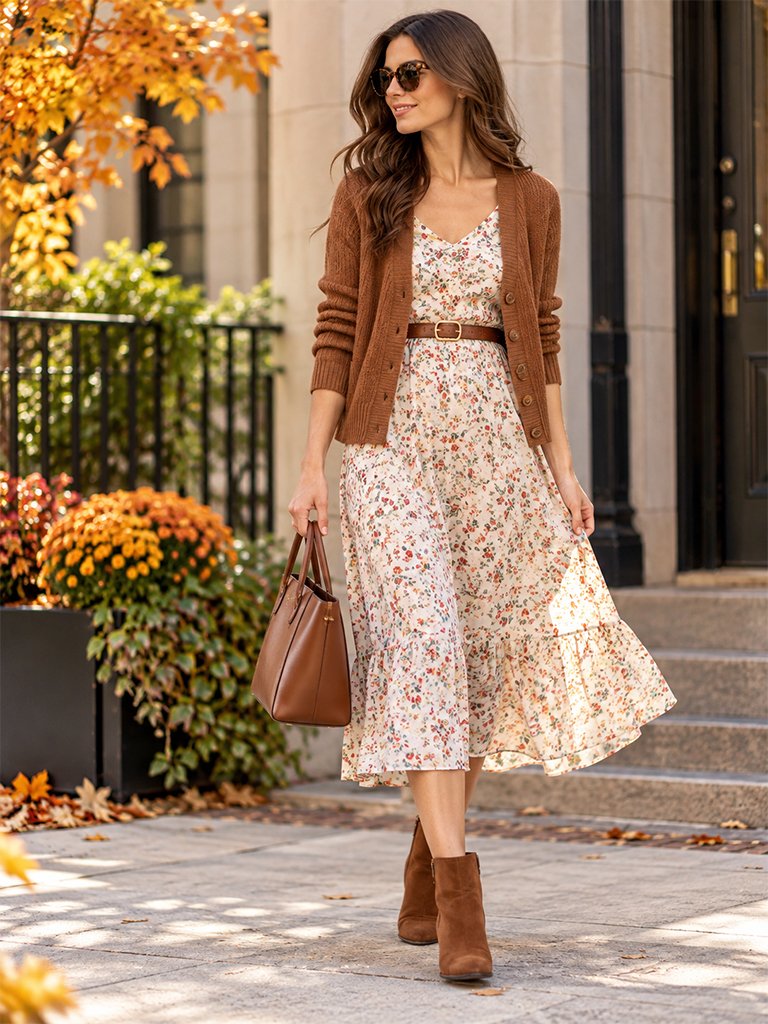
You can often extend the life of summer clothes with a few thoughtful adjustments.
A sleeveless dress may work beneath a cardigan or blazer. A lightweight skirt can pair with a sweater and closed-toe shoes. A favorite T-shirt can become the base of a layered outfit.
The key is to consider warmth, fabric, and balance.
For example, a slip-style skirt with a soft sweater and ankle boots can feel suitable for early autumn. A cotton dress with a denim jacket may work on a mild afternoon. As temperatures drop, add tights or choose a warmer outer layer.
Some pieces will be easier to adapt than others. Very thin fabrics may offer little warmth, and delicate hems can be inconvenient in heavy rain.
Experiment before packing everything away. You may discover several combinations that make your wardrobe feel larger without adding anything new.
Try this: Wear your favorite summer midi dress with a cardigan, a belt if you enjoy waist definition, and comfortable closed-toe shoes.
10. Use Accessories With Purpose
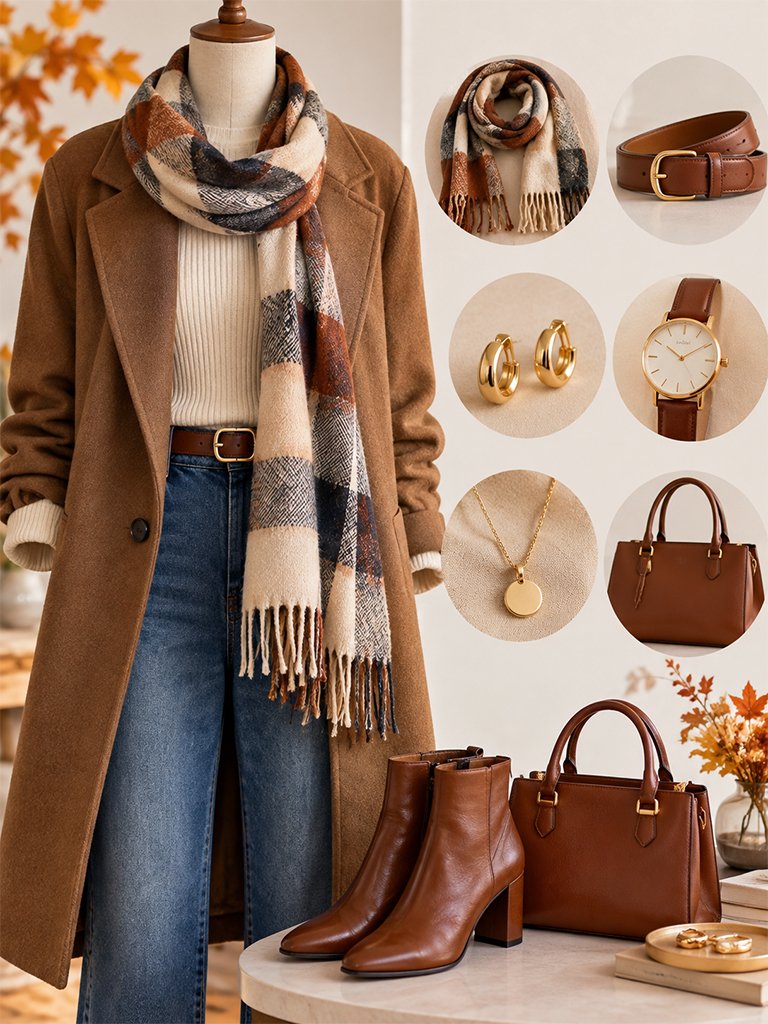
Accessories can help an autumn outfit feel finished, especially when the clothing itself is simple.
A scarf adds warmth and can introduce color or pattern. A belt can change the shape of a cardigan or dress. Earrings, a watch, or a necklace can bring a personal detail to a plain top.
Your bag also affects the overall look. A structured bag may suit office clothing, while a practical crossbody style can be convenient for walking and errands.
Choose accessories according to what the outfit needs.
If you are wearing a patterned scarf, you might prefer understated jewelry. If your clothes are plain, a distinctive bag or pair of earrings can become the focal point.
Avoid adding pieces simply to make the outfit feel more elaborate. Too many competing details can make getting dressed harder.
A useful finishing combination is comfortable shoes, a suitable bag, and one accessory you genuinely enjoy wearing.
Make Autumn Style Your Own
Dressing stylishly in autumn becomes easier when your clothes reflect your weather, routine, and preferences. Comfortable layers, useful basics, thoughtful color combinations, and well-chosen shoes give you a dependable foundation.
From there, enjoy the details. Try a texture you love, bring a summer favorite into a new outfit, or repeat a combination that makes you feel confident.
Start today by choosing one bottom, one top, one adjustable layer, and suitable shoes from your wardrobe. Try them together, make a small adjustment, and save the combination if it works. Build a few outfits this way, and you will have a practical autumn wardrobe ready for the days ahead.