Double Jersey, often simply referred to as double fabric, is a distinguished knit fabric recognized for its inherent stability, durability, and remarkable comfort.
Unlike its single-layer counterparts, double jersey is engineered with a unique construction that yields a thicker, more resilient material, making it a preferred choice across various industries, from high-fashion apparel to high-performance activewear.
Its distinctive attributes, including its reversibility and ease of handling during manufacturing, position it as a truly versatile textile with broad appeal.
This guide aims to thoroughly explore the structural intricacies, defining features, diverse types, and extensive applications of double jersey, illuminating why it consistently remains a go-to fabric for quality and longevity.
What Exactly is Double Jersey Fabric?
Understanding Double Jersey begins with grasping its fundamental definition, unique production method, and the materials that comprise it. This section addresses the core inquiry of “What is double jersey?” by dissecting its essential characteristics.
Definition and Core Characteristics
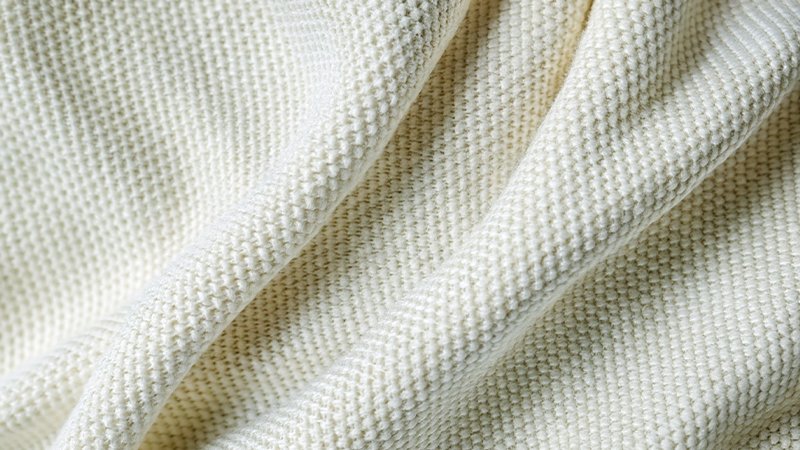
At its heart, Double Jersey is a knit fabric meticulously produced using a double-bed circular knitting machine.
What sets it apart is the presence of loops on both sides, which inherently makes it significantly thicker and more stable than a single jersey fabric.
This intricate structure results in an interlocked design, essentially featuring two sheets of jersey fabric that are seamlessly attached at their piled sides, creating a unified and robust material.
A hallmark of this construction is its consistently smooth and flat surface on both sides, contributing to its polished appearance and comfortable feel.
Furthermore, its inherent nature renders it insulative and durable, attributes that are highly valued in finished textile products.
How it’s Made: The Double Knitting Pattern Explained
The production of Double Jersey relies on a sophisticated double knitting pattern that mandates the use of two different sets of needles.
This dual-needle system is precisely why the resulting fabric boasts twice the thickness of ordinary knitting fabric.
In this elaborate process, two layers of knitting are drawn closer and securely joined through the precise use of interlocking stitches.
Loops are ingeniously formed on each side of the fabric, and these loops are then intricately woven together to construct a singular, cohesive structure.
The manufacturing process typically employs specialized machinery, specifically V-bed and cylinder-dial machines.
These machines are equipped with two needle beds and a ribbing bed, where needles of the same size execute knitting both vertically and horizontally.
This advanced setup facilitates double stitching, which is the precise mechanism that endows the fabric with its characteristic double-sided nature.
The balanced formation of these loops, interlocked on both sides, is also a key factor in the fabric’s reduced tendency to shrink.
Material Composition
The versatility of Double Jersey extends to its material composition, as it can be expertly crafted from a wide array of fibers, encompassing both natural and synthetic origins.
Common choices include cotton, polyester, nylon, and various blends of these fibers. Each material choice imparts distinct properties to the final fabric.
For instance, cotton blend fabrics are highly prized for their inherent elasticity, impressive durability, soft tactile quality, and superior comfort against the skin.
Conversely, when synthetic fibers are incorporated, they significantly enhance the fabric’s stretchiness, alongside offering advanced functional properties such as moisture-wicking capabilities, optimal air permeability, and rapid quick-drying characteristics.
These attributes make synthetic double jerseys an excellent choice for performance-oriented garments, including children’s clothing, yoga wear, and general exercise apparel, where movement, breathability, and quick drying are paramount.
The ability to blend different fibers allows manufacturers to fine-tune the fabric’s characteristics to meet specific performance or aesthetic requirements.
Why Choose Double Jersey? (Key Features & Benefits)
The advantages of Double Jersey fabric stem directly from its unique construction, offering a compelling set of features that differentiate it from other knit fabrics. This section explores the primary benefits, addressing the common inquiry of “What are the benefits of double jersey fabric?” and highlighting its comparative strengths.
Enhanced Stability and Elegant Drape
Double Jersey’s double-layered construction gives it exceptional stability, preventing edge curling and allowing it to lie flat.
Its balanced thickness on both sides ensures a clean look, while the substantial yet pliable fabric offers superior drape and structure, making it ideal for garments with a graceful fall.
Durability and Insulation
Double Jersey’s double-layered build delivers durability, warmth, and resilience. Twice as thick as single jersey, it resists wear, retains heat, and offers lasting comfort in cold conditions.
Its interlocked design prevents stretching and ensures garments maintain shape and integrity, extending their lifespan.
Ease of Use and Reversibility
Double Jersey’s stability makes it easy to cut and sew, reducing fabric waste. Its reversible nature allows for double-face or double-reverse designs, offering versatility for garments worn on either side.
Balanced tension and interlocked loops on both sides minimize shrinkage, enhancing quality and longevity.
Air Permeability and Stretch
Double Jersey combines thickness with excellent stretch and breathability, offering twice the extensibility of single jersey for comfort and flexibility.
When made from synthetics, it provides superior moisture-wicking and quick-drying properties, ideal for activewear. Its balanced design ensures comfort, performance, and effective perspiration management across various applications.
Exploring Double Jersey Fabric Types
Within the broad category of Double Jersey, specific variations are distinguished by their unique knitting patterns and characteristics, catering to different aesthetic and functional needs.
This section delves into prominent types, addressing inquiries such as “What is Ponte Roma?” and other specialized double knits.
Ponte Roma
Ponte Roma, meaning “Roman bridge,” is a popular Double Jersey fabric known for its strength and shape retention. Its firm, looped knit provides structure, smooth silhouettes, and a flattering fit by subtly concealing body imperfections.
Available in various weights and yarns, it’s ideal for dresses, jackets, trousers, and skirts, offering stability, versatility, and easy care in modern fashion.
Rib Double Jersey
Rib Double Jersey is a durable, elastic fabric distinguished by its vertical ribs, created through alternating knit and purl stitches on circular knitting machines.
Its heavy structure offers warmth and stability. Often used for cuffs, neckbands, and hemlines, it’s also suitable for full garments, valued for its elasticity, recovery, and unique textured appearance.
Versatile Applications of Double Jersey Fabric
The diverse properties of Double Jersey — its durability, comfort, stability, and aesthetic appeal — contribute to its extensive use across a multitude of clothing categories.
This section highlights the broad range of applications for this fabric, addressing the common question, “What is double jersey used for?”
Everyday Clothing
Double Jersey’s double-sided, reversible construction offers versatility, combining comfort, durability, and structure. Ideal for heavy-wear dresses, jackets, high-end T-shirts, and hoodies, it provides insulation, softness, and shape retention.
Its resilience and smooth finish suit infant clothing and everyday wear, resisting creasing while allowing ease of movement, making it perfect for functional, stylish garments.
Activewear and Loungewear
Double Jersey’s stretch and softness make it ideal for activewear and loungewear. Synthetic versions wick moisture, allow airflow, and dry quickly, ensuring comfort during exercise.
Its flexibility supports unrestricted movement for activities like yoga, while the fabric’s smooth drape and gentle touch provide relaxed, polished comfort, making it a versatile choice for both performance and leisure wear.
Cold Weather Apparel
Double Jersey’s thick, insulating structure makes it ideal for cold-weather clothing. Its softness and weight provide warmth and comfort, while durability ensures long-lasting wear.
Commonly used in jackets, thermal underwear, and warm tops, it offers robust protection against cold conditions. The fabric’s resilience and cozy feel make it a practical choice for winter wardrobes.
Conclusion: Embrace the Double Jersey Difference
Double Jersey fabric exemplifies innovation, versatility, and quality in textile design. Its intricate double-knit construction delivers exceptional stability, durability, and comfort, while features like reversibility, superior drape, and resistance to curling enhance both function and aesthetics.
With excellent insulation and moisture-wicking properties, it is ideal for a wide range of garments, from high-end T-shirts and jackets to activewear and cold-weather essentials.
Variants like Ponte Roma and Rib Double Jersey further highlight the fabric’s adaptability, offering unique textures and performance qualities for specific design needs.
Choosing Double Jersey means embracing a material that combines luxury, resilience, and practicality—an enduring choice that elevates any wardrobe or collection while standing the test of time.