In the fast-paced world of fashion design and garment manufacturing, finding a material that balances aesthetic beauty with rugged practicality is often a challenge.
You want a fabric that flows like a dream on the runway but doesn’t require a professional steamer every time a customer takes it out of their suitcase. Enter moss crepe fabric, a textile that has quietly become a staple for everyone from high-street brands to independent designers.
This material offers a unique blend of a “high-end” look with “low-maintenance” reality, making it a top contender in the diverse world of crepe fabric types.
Understanding the Texture: What Exactly is Moss Crepe?
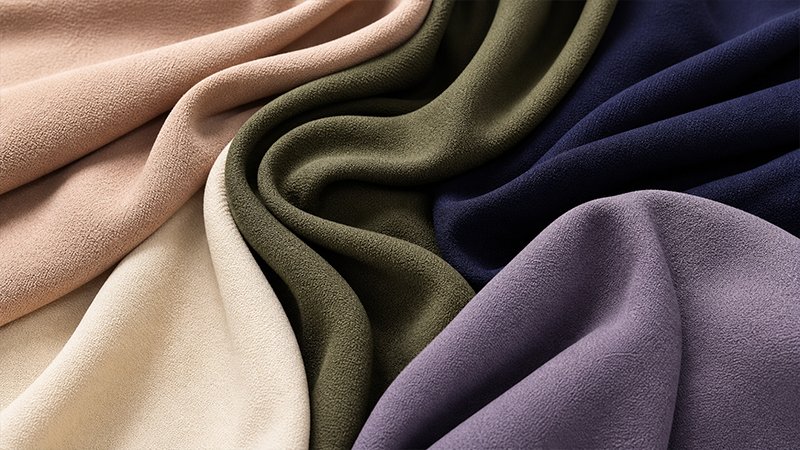
At its core, moss crepe is a member of the broader crepe family, recognized for its lightweight nature and its signature “crinkled” or “pebbled” surface.
If you run your hand across it, you will notice a distinctive grainy feel that sets it apart from smoother woven materials.
The name “moss” isn’t just a marketing term; it refers directly to this unique, textured appearance that subtly mimics the irregular, plush surface of natural moss.
Unlike traditional silk crepes that can be prohibitively expensive and delicate, moss crepe is frequently crafted from synthetic fibers like polyester or blended with viscose.
This evolution in composition makes the fabric significantly more durable and accessible for mass garment production while retaining the sophisticated matte finish that designers crave.
The Craft Behind the Crinkle: How It’s Made
The secret to the “mossy” look lies in the technical weaving process. To create moss crepe fabric, manufacturers use yarns that have been very tightly twisted.
When these high-twist yarns are woven together, they naturally want to uncoil slightly, which creates that beautiful, irregular, and pebbled texture across the surface of the textile.
This specific manufacturing technique doesn’t just change the look; it changes the “hand” of the fabric. Because the yarns are so tightly wound, the resulting material has a bit more “body” and structure than a standard flat weave, allowing it to hold its shape while still maintaining a soft, fluid motion.
Key Features That Designers Love
When selecting materials, fashion professionals look for specific performance metrics. Moss crepe hits the mark in several critical categories:
- Distinctive Texture: The pebbled surface adds a layer of visual depth and “premium” feel to even the simplest garment designs.
- Superior Drape: It is celebrated for a soft drape that flows gracefully over the body’s contours without clinging in an unflattering way.
- Breathability: Despite its textured surface, the fabric remains airy and comfortable, making it suitable for year-round collections.
- Opacity: Unlike many other lightweight fabrics, moss crepe offers excellent coverage, often being opaque enough to use without a lining.
- Resilience: It is naturally durable and keeps its shape well, even after the wearer has been active all day.
The Pro-User Guide: Advantages and Potential Trade-offs
Every fabric has its “superpowers” and its limitations. Understanding these is key for any buyer or manufacturer.
The Advantages
The standout benefit of moss crepe fabric is its incredible resistance to wrinkles. For the modern consumer, this is a massive selling point; garments can be pulled from a dryer or a travel bag and worn immediately without the need for a heavy iron.
Additionally, it provides a sophisticated matte look that works for both professional office wear and elegant evening pieces.
The Disadvantages
It is worth noting that because moss crepe is often made from polyester or viscose blends, it may lack the specific “luxury” status of a 100% natural silk crepe in high-end couture markets.
Furthermore, while it is breathable, those looking for the extreme sheerness or “ethereal” floatiness of a fabric like chiffon might find moss crepe a bit too “heavy” or substantial for certain delicate bridal applications.
Versatile Applications: From the Runway to the Living Room
Because of its durability and style, moss crepe isn’t limited to just one type of product. It has successfully bridged the gap between fashion and functional home textiles.
In the Fashion Industry
You will most commonly find moss crepe used in the creation of blouses, skirts, and dresses that require a fluid, moving silhouette. It has also become a “gold standard” in the modest fashion sector.
Designers of hijabs prefer it because the textured surface provides a natural “grip,” helping the headscarf stay in place throughout the day while still looking elegant.
Its wrinkle-free nature also makes it the primary choice for travel-friendly fashion, ensuring travelers look polished regardless of their itinerary.
Beyond Apparel
Interestingly, the same features that make it great for clothing—durability and a beautiful drape—make it excellent for home decor. It is frequently used for high-quality curtains that hang beautifully and add a touch of textured sophistication to a room.
You will also see it utilized for cushion covers and other decorative textiles where a mix of style and easy maintenance is required.
Fabric Comparison: Moss Crepe vs. Chiffon vs. Regular Crepe
Choosing the right material requires a clear fabric comparison. How does moss crepe stack up against its closest rivals?
Moss Crepe vs. Regular Crepe
Standard crepe can often be heavier and significantly less breathable than the moss variety. Moss crepe generally offers a softer feel, more flexibility (sometimes even a slight stretch depending on the blend), and much better wrinkle resistance, making it the more practical choice for daily-wear garments.
Moss Crepe vs. Chiffon
This is a common dilemma for manufacturers. While both are used for flowy garments, they are structurally very different:
- Texture: Moss crepe is grainy and pebbled, whereas chiffon is smooth and delicate.
- Transparency: Chiffon is notoriously sheer and almost always requires a lining or layering. Moss crepe is more opaque and has more “body”.
- Maintenance: Moss crepe is a “wash-and-wear” hero, while chiffon is prone to snagging, fraying, and usually requires gentle hand-washing or dry cleaning.
Why Moss Crepe is Dominating the Market Today
The rapid rise of moss crepe fabric in the global textile market is driven by its unique ability to combine high-end aesthetics with extreme practicality.
Unlike traditional luxury fabrics that require delicate handling, moss crepe offers a sophisticated matte finish and a “pebbled” texture that adds visual depth while remaining highly durable and affordable.
Key factors contributing to its market dominance include:
Low-Maintenance Luxury:
Its standout feature is excellent wrinkle resistance. This makes it a “wash-and-wear” favorite for busy professionals and frequent travelers who need to look polished without the constant need for ironing.
Superior Comfort and Fit
Designers favor the material for its soft drape, which flatters various body types without clinging. Its lightweight and breathable nature also ensures it is comfortable for year-round wear, even in warmer climates.
Strategic Market Alignment
Moss crepe has become a “gold standard” in specific sectors like modest fashion. Its textured surface provides a natural “grip” that helps hijabs stay in place, while its opacity offers the desired coverage without the need for extra layers.
Versatility Across Industries
Beyond apparel, its durability and elegant flow have made it a popular choice for home decor, including high-quality curtains and cushion covers that are both stylish and easy to maintain.
Practical Alternative to Silk
By utilizing synthetic fibers like polyester or viscose blends, manufacturers can offer the elegant look of traditional crepe at a significantly lower price point, making it accessible for mass production while maintaining a “premium” feel.
This combination of affordability, durability, and effortless style has positioned moss crepe as a go-to material for modern wardrobes that prioritize convenience without sacrificing elegance.
Final Thoughts
Moss crepe fabric is a versatile powerhouse in the textile world. It combines a unique, moss-like pebbled texture with a soft, flattering drape and unmatched wrinkle resistance.
Whether you are designing a line of professional blouses, crafting elegant modest wear, or looking for durable home textiles, moss crepe offers a sophisticated, matte finish that stands up to the rigors of daily life.
When you need a fabric that works as hard as your customers do, moss crepe is undoubtedly the way to go.