At its core, cable knit fabric is a type of double-knit fabric. It is created through a specific loop transfer process. The result is a fabric where the wales have the appearance of a rope.
The distinctive plaits that define cable knit are formed by transferring loops from adjacent wales to the wales being worked on.
Because these loops intentionally cross over one another, the fabric presents an interesting surface texture that looks like braids.
Cable knit can be produced through different methods. It can be made using both knitting machines and hand knitting needles.
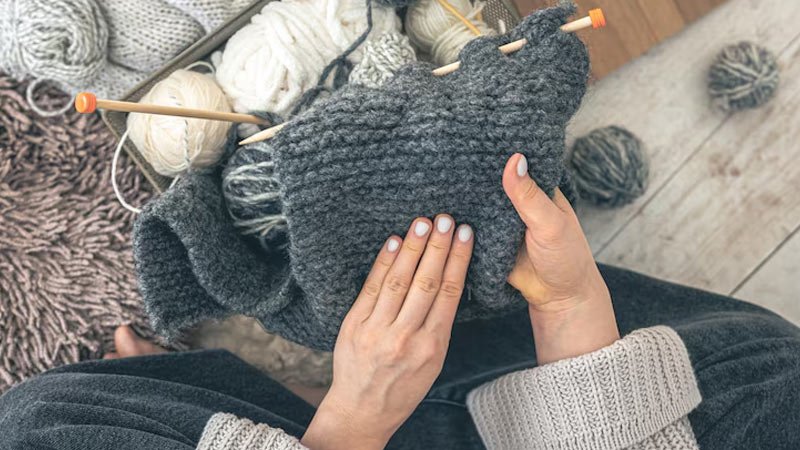
For individuals engaging in hand knitting to create cable patterns, a specific tool is essential: a cable needle. This needle is used to temporarily hold stitches while others are being rearranged before they are worked on again.
Typically, a cable is formed using a stocking stitch, while a purl stitch is often employed for the background, which creates an interesting contrast that highlights the raised cable pattern.
The Craft Behind the Cable
Understanding how cable knit fabric is made reveals the clever manipulation of loops that gives it its signature look.
How Cable Knit is Created
Cable knit is made using a loop transfer technique that crosses stitches over each other, creating a braided texture. When done by hand, a cable needle holds stitches temporarily to rearrange them before knitting.
Cables are usually made with stocking stitch for a smooth, raised look, set against a purl stitch background that recedes, enhancing the pattern’s contrast and definition.
Exploring Different Cable Patterns
Cable knitting allows for a wide range of patterns, from simple to highly intricate. Cables typically appear as twisted vertical strips in the fabric and can be made from two or more strands, or “braids,” woven together.
Patterns may include two, three, or four braids, and even cables made up of other cables to create complex designs.
Notable cable patterns include:
- Celtic Princess Braid: A visually striking five-cable braid.
- Saxon Braid: A thick, wide six-strand braid often used as a central decorative element rather than part of a larger pattern.
Cables involving more than six strands are uncommon due to their complexity and bulk. Regardless of the style, the twisted appearance of intertwined strands is the defining feature of cable knit designs.
A Rich Tapestry of History and Tradition
The story of cable knit fabric is deeply intertwined with the history of knitting itself, particularly in Ireland.
Origins in Ireland
The practice of hand knitting first appeared in Ireland in the seventeenth century. This marked the beginning of a significant tradition.
Among the well-known examples of hand-knit garments are Irish cable knit sweaters, often referred to as Aran sweaters. These sweaters are particularly popular among fishermen.
The name comes from the Aran Islands, a group of islands located to the west of Ireland, specifically just off the coast of Galway Bay.
Evolution and Purpose in Islander Life
Historical reports provide some context for the early days of knitting in the region. According to reports from the year 1893, it seems that the only objects that might have been knitted at that time were socks.
These socks were knitted by the women for their families. The tradition evolved, and the women of Aran fishermen began knitting the first sweaters for their husbands around the year 1900.
Interestingly, at that time, some of the younger fishermen began wearing sweaters similar to those that their colleagues from Britain and Scotland wore.
This suggests some influence from neighboring regions, although the distinct Aran cable patterns later became iconic.
The people inhabiting these islands earned their livelihood primarily through activities like farming and fishing. Both of these professions inherently required prolonged exposure to wet and harsh weather conditions.
This environmental factor played a significant role in the development and characteristics of the traditional Aran sweaters.
The Functional Properties of Traditional Wool
The choice of material for these early sweaters was crucial for providing necessary protection against the elements.
Wool sweaters made from untreated (undyed) yarn retain their natural lanolin oils. This natural lanolin is key to the wool’s functionality. The presence of these oils provides a high degree of water repellency on the finished product.
Therefore, when someone wears one of these traditional untreated wool sweaters, they are provided with protection from both rain and saltwater spray.
This highlights that the historical development of cable knit patterns in this context was not just for aesthetics, but also served a vital practical purpose for people working in demanding maritime environments.
Distinctive Characteristics: What Makes Cable Knit Stand Out

Beyond its history and how it’s made, cable knit fabric possesses inherent qualities that contribute to its appeal and functionality. Our sources highlight several key characteristics.
- Texture: The fabric is described as very soft to the skin. This contributes to the comfort of garments made from cable knit.
- Elasticity: Cable knit fabric is noted for having a great amount of elasticity. This stretchiness allows for ease of movement and helps garments retain their shape.
- Pattern: As previously discussed, it has an interesting surface pattern due to the crossing and intertwining of stitches. A key aspect is that this pattern can be created with various colors and yarns, offering versatility in design and appearance.
These characteristics combine to make cable knit a popular and desirable fabric for a variety of applications.
Applications and Usage
Given its warmth, texture, elasticity, and visual appeal, cable knit fabric is widely used in numerous types of apparel. According to our source, Cable Knit Fabric is extensively utilized in items such as:
- Sweaters
- Dresses
- Jackets
- Vests
- Other applications (indicated by “etc.”)
Its versatility makes it suitable for creating cozy, stylish, and often durable clothing items.
Caring for Your Cable Knit Garments
Proper care is essential to maintain the beauty, shape, and longevity of your cable knit items. Here are recommended care instructions based on the provided information:
Storage
It is advised to fold your knits and put them away in a drawer or on a shelf. Avoid hanging knitted items for prolonged periods, as they might lose their form and fit if they are hung for too long.
Washing
You have options for cleaning. You may either wash it by hand or put it through a mild cycle in your washing machine. If using a machine, ensure you wash it with other colors of the same kind.
Detergent Choice
Be mindful of the cleaning products you use. Avoid using strong cleaning products such as bleach, harsh detergents, and spot removers. Instead, it is recommended to use a wool wash that is kind to the environment if you wish to preserve the color and beauty of your items.
Hand Washing Specifics
If you choose to hand wash your knits, specific steps help ensure a good result. Soak them for five to ten minutes and then thoroughly rinse them. To remove excess water after rinsing, wrap your knit in a clean towel and press it to absorb the water.
Drying
The drying process is crucial for maintaining shape. Pull gently to form the garment into its correct shape while damp. Then, lay flat to dry. It is very important that you do not wring the item out, as this can stretch or damage the fibers and pattern.
Fixing Pulls
Yarn pulls can occasionally happen while wearing a garment, often as a result of the long yarn getting caught on jewelry or another item. If this occurs, the pull can often be repaired.
The recommended method is to bring the long yarn around to the back of the garment and tying it off. It is very important that you don’t cut or pull on the tangled yarn in any way, as this could cause the pull to worsen or create a hole.
Ironing
If ironing is necessary, be sure to use the wool setting on your iron.
Following these steps helps ensure your cherished cable knit pieces remain looking their best.
Conclusion and Next Steps
Cable knit fabric, with its origins deeply rooted in Irish tradition and the practical needs of island communities, remains a textile celebrated for its unique texture and enduring appeal.
From its creation via intricate loop transfers and the variety of patterns possible, to its softness, elasticity, and broad applications in garments like sweaters, dresses, jackets, and vests, cable knit holds a special place in the world of textiles.
Understanding its history and proper care ensures these beautiful pieces can be enjoyed for years to come.
For fashion businesses seeking to incorporate high-quality fabrics, including various knit types and others, into their collections, sourcing is a critical step. Fabriclore positions itself as a resource to simplify this process.
They offer a wide range of fibers and services like printing and dyeing, backed by commitments to speed, quality, and supporting businesses with accessible MOQs.
Explore the diverse range of custom printed, ready mill-dyed, and yarn-dyed fabrics offered. Experience seamless, authentic, and affordable fabric sourcing with Fabriclore.
For personalized assistance or inquiries regarding fabric sourcing or any other questions, you can reach out to the experts.