In the vast world of textiles, few fabrics carry the weight of history and the structural integrity of Ottoman fabric.
Known for its distinctive “widthways-ribbed” texture and its ability to hold a crisp, architectural shape, Ottoman has evolved from the opulent courts of the Turkish Empire to become a staple in high fashion and commercial interior design.
Whether you are a designer seeking a fabric that resists sagging or a history enthusiast curious about the garments of Sultans, this guide explores everything you need to know about this durable, corded textile.
What is Ottoman Fabric? Understanding the Technical Structure
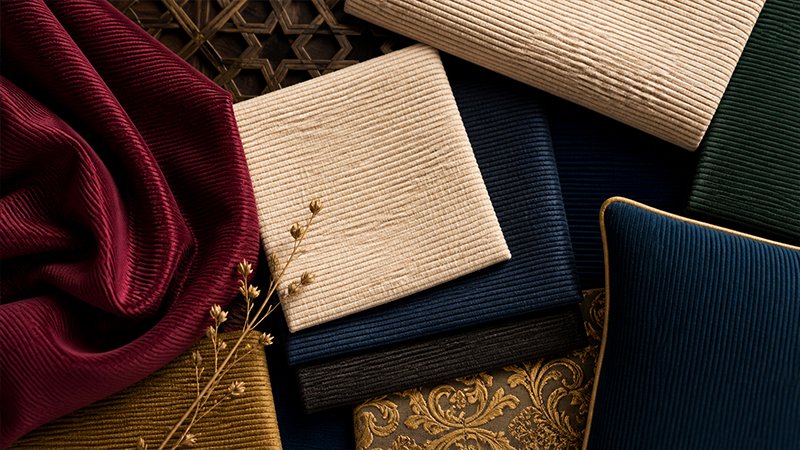
At its core, Ottoman is a widthwise-ribbed textile characterized by pronounced, raised “ribs” or cords that run across the width of the fabric.
This unique appearance is achieved through a specific weaving or knitting process where a significantly thicker yarn is used in the course (the horizontal direction) rather than the wale (the vertical direction).
A “Corded” Masterpiece
Similar to grosgrain, Ottoman is classified as a corded fabric. This density of weaving creates a surface that feels firm to the touch and looks impeccably neat.
Because of this structural composition, Ottoman is known for having a stiff drape, making it vastly different from fluid fabrics like silk, chiffon, or jersey.
While it can be produced on double jersey machines for a knitted version, even knitted Ottoman retains its signature horizontal rib pattern, though it may offer slightly more flexibility than its woven counterpart.
The Royal Roots: A Journey Through History
The name “Ottoman” is directly derived from the Ottoman Empire (modern-day Turkey), where the fabric was a cornerstone of imperial art and culture. However, the fabric we recognize today is actually a blend of diverse cultural influences:
- Persian Influence: Contributed intricate patterns and the use of luxurious materials like silk and early brocade weaving techniques.
- Byzantine Influence: Provided sophisticated weaving methods and the decorative motifs that adorned the fabric.
- Ottoman Innovation: The empire refined these techniques, specifically focusing on velvet production and silk weaving, which established the fabric’s reputation for world-class quality.
Socio-Political Significance
During the height of the Ottoman Empire, these fabrics were more than just clothing; they were symbols of power and social status.
Sultans and members of the royal family wore kaftans crafted from Ottoman silk and velvet, often embellished with complex embroidery to define their rank.
Because the empire controlled major trade routes between Asia and Europe, the fabric’s popularity spread quickly, becoming a prized diplomatic gift for foreign dignitaries.
Ottoman vs. Rib Knit: Know the Difference
While both rib knit and Ottoman fabrics feature a textured, ribbed appearance, they differ significantly in their construction, elasticity, and intended use. The primary distinction lies in the direction of the ribs and the fabric’s ability to stretch and recover.
Structural Differences
The most immediate visual difference is the orientation of the ribs:
- Rib Knit: This fabric is characterized by vertical ribs created by alternating knit and purl stitches. These stitch formations, such as 1×1, 2×2, or 3×3, create visible ridges and deep grooves (the purl stitch) that run along the length of the fabric.
- Ottoman: This is a widthwise-ribbed (horizontal) textile. It is created by using a significantly thicker yarn in the course (horizontal direction) than in the wale (vertical direction), resulting in pronounced, raised horizontal stripes. While traditionally a woven corded fabric, Ottoman can also be knitted using double jersey machines to maintain this horizontal structure.
Stretch and Recovery
The performance of these two fabrics is defined by their elasticity:
- Rib Knit: These fabrics are prized for their extraordinary stretch and recovery. “Recovery” refers to the fabric’s ability to snap back into its original shape after being pulled, which prevents garments from becoming distorted or “bagging out”.
- Ottoman: In contrast, Ottoman is known for its stiffness and stability. Woven Ottoman does not stretch out or wrinkle easily, offering a much firmer feel. Even the knitted version, while softer and “stretchier” than the woven variety, is far more structured than a standard vertical rib knit.
Primary Uses and Applications
Because of their different physical properties, they are used for very different projects:
- Rib Knit: Its high elasticity makes it the “gold standard” for cuffs, collars, neckbands, and hem bands. It is also used for form-fitting garments that require comfort and flexibility, such as turtlenecks, dresses, and leggings.
- Ottoman: Its structural integrity makes it ideal for items that must hold a crisp shape. It is a popular choice for upholstery (sofas and chairs), heavy-duty accessories like laptop sleeves and handbags, and structured fashion such as formal coats, evening wear, and academic or legal gowns.
Handling and Sewing Considerations
Sewing with these fabrics requires specialized techniques to manage their unique textures:
- Working with Rib Knit: Due to its extreme stretch, it is often tricky to cut; using a rotary cutter and pattern weights is recommended to prevent distortion. Stability is often added to high-stress areas, like shoulder seams, using clear elastic.
- Working with Ottoman: Woven Ottoman has a specific tendency to “slip” at the seams, where the yarns pull apart under tension without actually breaking. Because it is a heavyweight and stiff fabric, it is often chosen for “heavy footfall” commercial spaces or furniture because it resists sagging and is easy to maintain.
Material Composition: What is it Made Of?
The material composition of these textiles varies significantly based on their intended use, historical context, and the specific type of fabric being produced.
While both can be made from natural or synthetic fibers, the choice of material directly impacts the fabric’s durability, stretch, and texture.
Ottoman Fabric Composition
Historically, Ottoman fabric was a luxury textile primarily made of silk. In the modern era, the composition has expanded to include a variety of natural and synthetic fibers to enhance performance and affordability:
- Silk and Artificial Silk: High-end Ottomans still utilize silk for a luxurious touch, while modern versions often use artificial silk yarns like rayon and polyester to provide a similar sheen and improve strength.
- Cotton: Cotton Ottoman is soft and breathable, making it a popular choice for light upholstery and summer fashion.
- Wool: Wool is sometimes used to create heavier, warmer Ottoman fabrics suitable for formal coats or academic and legal dress.
- Synthetic Blends: Many modern Ottoman fabrics are blends. For example, adding polyester improves color retention, wrinkle resistance, and overall durability, which is essential for commercial upholstery or high-use items like handbags and laptop sleeves.
- Technical Build: Regardless of the fiber used, Ottoman is technically defined by its weave or knit, which uses a thicker yarn in the course (horizontal direction) than in the wale (vertical direction) to create its signature raised ribs.
Rib Knit Fabric Composition
Rib knits are versatile and can be manufactured from almost any fiber, each offering different characteristics for the final garment:
- Cotton: This is the most common fiber for rib knits because it is breathable and soft. However, 100% cotton can lose its shape over time, so it is frequently blended with spandex or elastane to ensure the fabric has good “recovery” (the ability to snap back after stretching).
- Polyester Blends: Often found in activewear, polyester improves the fabric’s durability and helps it retain its shape through repeated washing.
- Wool: Wool rib knits are used for cold-weather items like sweaters and scarves because they provide natural warmth and moisture-wicking properties.
- Rayon: Known for its fluid drape and softness, rayon rib knit is ideal for dresses and flowy tops.
- Bamboo: This material is favored for baby clothing and activewear due to its extreme softness and moisture-wicking capabilities.
In summary, while Ottoman fabrics prioritize stability and structure through heavy-duty fibers like polyester and wool, rib knits prioritize flexibility and comfort by often incorporating elastic fibers like spandex into cotton or rayon bases.
Ottoman Fabric in Modern Fashion
Despite its ancient origins, the Ottoman Empire remains a darling of the high fashion and haute couture worlds. Designers value its “aesthetic vibe” and versatility.
Structured Apparel
Because it holds its shape so well, Ottoman is the preferred choice for:
- Formal Coats and Jackets: Providing a crisp look that doesn’t wrinkle easily.
- Evening Wear: Its weight allows for dramatic shapes in skirts and gowns.
- Traditional and Legal Dress: It is famously used for KC (King’s Counsel) gowns and academic hoods, where a sense of gravity and tradition is required.
Traditional Resurgence
In many cultures across Turkey and Asia, Ottoman fabric continues to be used for traditional garments like şalvar (gowns or trousers) and long robes.
It is a popular choice for wedding dresses because the luxurious texture of velvet or silk Ottoman provides a “rich vibe” suitable for major life events.
The Interior Designer’s Secret: Upholstery and Decor
If you have ever admired a sofa that looks perfectly tailored even after years of use, it may very well be upholstered in Ottoman fabric.
- Durability: The dense, ribbed weave provides extra resistance to daily wear, making it ideal for “heavy footfall” areas like hotels or cafes.
- Shape Retention: Unlike softer fabrics that might sag over time, Ottoman stays firm and neat on chairs and upholstered wall panels.
- Maintenance: One of the most practical benefits of Ottoman is that it doesn’t trap dirt easily. A simple vacuuming is often enough to keep the textured surface looking fresh.
- Accessories: Its toughness makes it excellent for high-use items like laptop sleeves, handbags, and organizers.
Technical Handling: Tips for Working with Ottoman
Working with Ottoman requires a different approach than standard cotton or stretchy knits.
- Beware of “Slipping”: A unique characteristic of woven Ottoman is its tendency to “slip” at the seams. This is when the yarns of the weave pull apart under tension without actually breaking. To prevent this, ensure you use appropriate seam finishes and avoid patterns that are overly tight.
- Weight Matters: Because it is a heavyweight fabric, you may need heavy-duty needles if you are sewing a structured jacket or upholstery project.
- Cutting Precision: Much like rib knits, the lines of an Ottoman fabric must be perfectly aligned. Using a rotary cutter and pattern weights can help maintain the integrity of the horizontal ribs during the cutting process.
The Future of Ottoman: Innovation and Sustainability
The textile industry is currently finding new ways to modernize this heritage fabric. The future of the Ottoman lies at the intersection of technology and ethics.
- 3D Weaving and Digital Printing: Modern technology allows designers to push beyond traditional limits, creating extraordinary new patterns while maintaining the classic ribbed feel.
- Sustainability: As environmental concerns grow, there is a push toward using eco-friendly materials and supporting artisanal craftsmanship to keep the production of Ottoman fabric sustainable for future generations.
- Smart Textiles: Researchers are exploring how the dense structure of Ottoman can be integrated with sustainable fabric technologies to ensure both quality and fast production.
Conclusion: Why Choose Ottoman?
Ottoman fabric is more than just a textile; it is a bridge between history and modern functionality. It offers a “rich vibe” and high-quality feel that is difficult to replicate with flatter weaves.
Whether you are looking for a fabric that will make a sofa last for a decade or a dress that will turn heads on a red carpet, Ottoman delivers reliability, elegance, and a touch of royal history.
By understanding its unique horizontal structure and its diverse material blends, you can better appreciate why this Turkish treasure continues to grow in popularity across the globe.