Poplin is often hailed as a textile superstar because it successfully bridges the gap between rugged durability and refined elegance.
Whether you are browsing a high-end boutique for a crisp white dress shirt or perusing a fabric store for a DIY quilting project, you are likely to encounter this versatile material.
Known for its plain-weave structure and signature horizontal ribs, poplin remains a global staple in fashion, home decor, and industrial applications.
This comprehensive guide explores the deep-rooted history, technical specifications, and practical benefits of poplin, ensuring you understand why this fabric has stood the test of time.
The Avignon Legacy: A History Rooted in the Papacy
The story of poplin begins in the 15th century in the French city of Avignon. At the time, Avignon served as the papal capital, and the fabric was originally known as papelino, a name derived from its association with the Pope’s residence.
In its earliest form, poplin was a luxury textile reserved for the nobility and the clergy. It was traditionally woven using a silk warp and a worsted wool weft.
This combination created a fabric that merged the warmth and weight of wool with the soft, lustrous finish of silk. By the 18th century, however, the textile industry began incorporating cotton and cotton blends, making the fabric more economically accessible to the general public.
An interesting linguistic divide occurred in the early 1920s when British-made cotton poplin was introduced to the United States.
American marketers, fearing that the name “poplin” implied a heavy or bulky material, arbitrarily rebranded it as “broadcloth”.
To this day, the term broadcloth is often used in the U.S. to describe what Europeans still refer to as poplin, even though technical differences exist between the two.
The Science of the Weave: What Makes Poplin Unique?
To the untrained eye, poplin may look like any other flat cotton fabric, but its strength lies in its unique structural geometry.
The Ribbed Texture
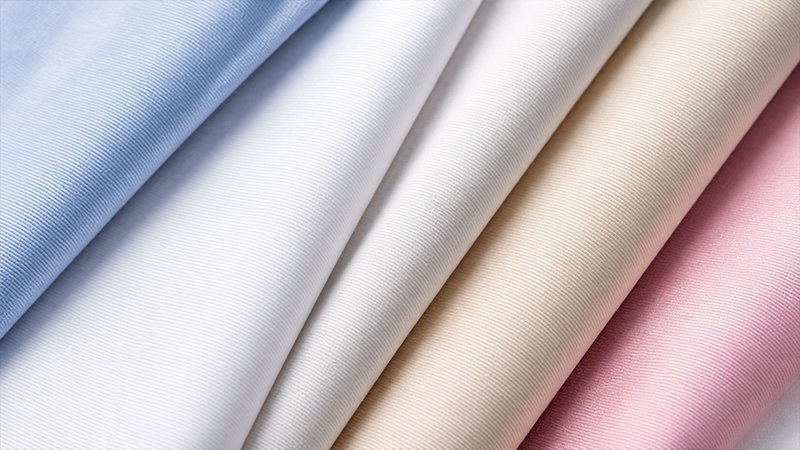
Poplin is characterized by fine horizontal ribs (also called cross-ribs) that run from selvedge to selvedge. These ribs are not usually bulky; they are subtle enough to be felt by touch, even if they are difficult to see. This texture is achieved by using fine warp threads and slightly thicker or more densely packed weft threads.
Thread Density and Weight
In technical terms, poplin is defined as a fabric where the end density (warp) is approximately twice the pick density (weft).
- Warp Density: Typically 100 to 144 threads per inch.
- Weft Density: Typically 60 to 76 threads per inch.
- Weight Range: Modern poplin generally weighs between 60 and 150 grams per square meter (GSM), making it a lightweight to medium-weight material.
Yarn Twist and Strength
Unlike sateen, which uses low-twist yarns for a soft feel, poplin employs higher-twist yarns. This high twist, combined with a tight 1/1 plain-weave pattern (a simple over-and-under interlacement), creates a flat, crisp surface with maximum yarn security.
Poplin vs. The World: How It Compares to Other Fabrics
Poplin is a technical powerhouse in the textile world, defined by its plain-weave structure and subtle horizontal ribs.
While it is often grouped with other plain-weave fabrics, its unique construction—typically featuring an end density about twice the pick density—gives it distinct advantages in durability, crispness, and professional appearance.
Below is a comparison of poplin against other major fabric types based on the sources.
Poplin vs. Broadcloth
While these terms are often used interchangeably by retailers, they have distinct technical differences:
- Weave Structure: Poplin features a ribbed weave created by using a finer warp thread and a slightly thicker or higher-density weft thread. Broadcloth uses a balanced weave, where warp and weft threads are of equal weight and density.
- Thread Count: Poplin traditionally has a higher thread count (typically 100–144 threads per inch) compared to broadcloth (approximately 68–78 threads per inch).
- Texture and Drape: Poplin is crisper and holds its shape better, making it ideal for structured garments like formal dress shirts. Broadcloth has a softer, more “limp” hand feel and a relaxed drape, making it the standard choice for quilting and casual wear.
Poplin vs. Oxford
The choice between these two often comes down to the occasion and the weather:
- Weave Type: Poplin is a tight, flat plain weave. Oxford is a basket weave, where multiple strands of yarn intersect to create a “bumpier” texture and a thicker hand-feel.
- Weight and Warmth: Poplin is significantly lighter and cooler, making it the preferred solution for high-temperature weather. Oxford is heavier and provides more warmth, making it better for chillier months.
- Formality: Poplin is the smoother, more formal “gold standard” for professional shirts. Oxford has a laid-back, casual vibe often associated with polo players and weekend wear.
Poplin vs. Sateen
When compared to luxury weaves like sateen, poplin prioritizes longevity over initial softness:
- Durability: Poplin is exceptionally durable, typically achieving 30,000+ Martindale cycles before showing wear. Sateen, which uses long “floats” (yarn passing over 4–7 threads), is vulnerable to abrasion and snagging, often showing degradation after only 10,000–15,000 cycles.
- Luster: Sateen has a high, silky luster (60–75% reflectance), whereas poplin has a more traditional, matte to low-luster appearance (20–40% reflectance).
- Moisture Management: Sateen’s long floats create capillary pathways that make it excellent at moisture wicking and breathability. Poplin’s tight weave offers better stain resistance and protection in dry, windy environments, but is less breathable.
Poplin vs. Twill
The comparison with twill highlights different ribbing styles and maintenance needs:
- Ribbing Direction: Poplin has fine horizontal ribs. Twill is known for its diagonal rib patterns (wale lines).
- Wrinkle Resistance: Twill’s diagonal structure naturally resists wrinkles better than standard poplin. However, poplin is considered less prone to wrinkling than many other simple cotton fabrics and responds exceptionally well to high-temperature ironing for a crisp finish.
- Abrasion Patterns: Poplin shows gradual, even thinning in high-friction areas. Twill shows characteristic diagonal wear patterns following its structure.
Performance Summary Table
| Feature | Poplin | Broadcloth | Oxford | Sateen |
|---|---|---|---|---|
| Weave | Plain (Ribbed) | Plain (Balanced) | Basket | Satin (Long Floats) |
| Durability | Excellent | Good | Rigid/Breathable | Fair/Delicate |
| Hand Feel | Crisp | Soft/Limp | Thick/Bumpy | Silky/Fluid |
| Seasonality | Summer/All-year | All-year | Winter/Cooler | Humid/Luxury |
| Common Use | Formal shirts | Quilting/Crafts | Casual shirts | Luxury eveningwear |
Material Varieties: From Pure Cotton to Synthetic Blends
While poplin can be made from many fibers, the base material significantly alters its performance and “hand” (the feel of the fabric).
- 100% Cotton Poplin: This is the most popular variety for high-end shirting. It is naturally breathable, soft against the skin, and becomes even softer with repeated washing.
- Polyester Poplin: A more affordable and wrinkle-resistant option often used for uniforms and table linens. However, it can feel stiffer and sometimes produces a “crinkly” sound when moved.
- Poly-Cotton Blends: These blends aim for the best of both worlds, offering the breathability of cotton with the durability and color retention of polyester.
- Silk and Wool Poplin: Today, these are considered premium, high-end materials used primarily for evening wear and luxury upholstery.
Performance Characteristics: Why We Love Poplin
Poplin’s popularity in the fashion industry is driven by its exceptional performance in real-world conditions.
- Exceptional Durability: Due to its dense weave, poplin is highly resistant to tearing, pilling, and snagging. It is one of the few lightweight fabrics that can withstand aggressive washing and long-term daily wear.
- Crispness and Structure: Poplin holds its shape remarkably well. This “body” makes it ideal for garments with clean lines, such as A-line skirts and formal shirt collars.
- Breathability: Its lightweight nature makes it a favorite for summer clothing. While its tight weave provides some wind resistance, it still allows for comfortable air circulation in warm climates.
- Easy Maintenance: Poplin is famous for being easy to iron. Because the surface is so smooth, it takes a crisp press better than most other weaves.
Mercerization: Taking Poplin to the Next Level
To enhance poplin’s value, many manufacturers use a process called mercerization. Invented by John Mercer in 1844, this involves treating cotton yarn with a sodium hydroxide (caustic soda) solution while it is under tension.
This chemical treatment permanently alters the fiber, providing several high-value benefits:
- Lustrous Shine: It gives cotton a silk-like reflection.
- Vibrant Color: Mercerized poplin has increased color retention, allowing dyes to appear deeper and richer.
- Strength: The process strengthens the fibers, making the fabric even more resistant to shrinkage and wear.
Practical Applications: More Than Just Shirts
Poplin’s versatility allows it to serve multiple sectors beyond the fashion runway.
- Professional Wardrobes: It is the “gold standard” for business dress shirts and formal blouses because it remains presentable even after a long day of travel.
- Healthcare and Workwear: Medical professionals prefer poplin scrubs because they are durable enough for industrial laundering yet lightweight enough for long shifts.
- Home Textiles: Because it is soft and easy to clean, it is frequently used for high-thread-count duvet covers, pillowcases, and decorative curtains.
- Quilting and Crafts: Beginners love poplin for quilting because its stable weave ensures that fabric pieces don’t shift or stretch during sewing.
Expert Sewing Tips for Working with Poplin
If you are a maker or a designer, poplin is one of the most rewarding fabrics to work with because of its stability and predictability.
- Needle and Thread: Use a universal needle (size 70/10 or 80/12) and standard all-purpose polyester or cotton thread.
- Preparation: Always pre-wash and iron your poplin before cutting. Cotton poplin can shrink between 2% and 5% during its first encounter with water.
- Cutting: Because the fabric is firm, it is easy to achieve precise cuts with either scissors or a rotary cutter.
- Seam Finishing: Poplin is prone to fraying at the edges. It is recommended to finish raw edges with a zigzag stitch, a serger, or French seams for a professional look.
Maintenance and Care: How to Make Poplin Last a Lifetime
While poplin is tough, proper care will ensure it maintains its “youth” and crispness for years.
Washing Instructions
- Temperature: Machine wash 100% cotton poplin at a maximum of 30°C to 40°C on a normal or delicate cycle.
- Protection: For luxury or delicate items, use a mesh laundry bag to prevent the fabric from being “bashed around” or getting caught on other clothes in the drum.
- Color Care: Wash dark or bright colors separately for the first few washes to prevent bleeding.
Bleaching & Chemicals
- Strict Rule: Never use bleach.
- Reasoning: Chemicals like bleach can damage the fiber structure and cause vibrant colors to fade prematurely.
- Detergents: Use color-protective detergents to maintain the fabric’s natural luster.
Drying Best Practices
- Spin Cycle: Set the machine spin to a maximum of 800rpm.
- Air-Drying: Do not tumble dry high-quality poplin as it risks damaging the fibers. Instead, dry the garment on a hanger while wet; the weight of the fabric helps minimize creasing and maintains the shape of the interfacing.
- Hanger Choice: Avoid untreated wooden hangers for light-colored fabrics, as the wood can leave permanent markings on wet cloth.
Ironing & Storage
- Settings: Use a steam iron set to the “cotton” setting (maximum 150°C).
- Surface Protection: To avoid creating “shiny” patches on dark fabrics, iron the garment inside out or use a pressing cloth.
- Storage: Store garments on a flat surface or a hanger to ensure the fabric retains its shape and natural “youth” for over 100 wears.
Conclusion: Why Poplin Remains the Essential Fabric
Poplin has evolved from its 15th-century origins in Avignon as a papal vestment into a global textile superstar.
Its unique plain-weave structure, defined by fine horizontal ribs and a high warp density, offers a crisp, professional appearance that technical analysis shows outperforms competitors like broadcloth or sateen in overall durability.
Whether selecting a formal dress shirt, designing breathable summer children’s wear, or choosing luxury high-thread-count home textiles, poplin provides an unmatched balance of breathability and structural strength.
Although it requires a crisp press to maintain its polished aesthetic, its resilience allows it to withstand over 100 wears with diligent care and maintenance.
Ultimately, poplin remains the go-to fabric for those seeking a timeless material that perfectly blends historical prestige with modern functionality.