In the modern world of textiles, few materials have seen as rapid a rise in popularity as PU fabric, also known as polyurethane leather.
Often celebrated as a versatile and ethical alternative to traditional hides, this material has transformed industries ranging from high-street fashion to automotive upholstery.
As consumers increasingly seek out products that align with both their budgets and their values, understanding the science and sustainability of PU leather becomes essential.
This comprehensive guide explores the intricate layers of PU fabric, its real-world applications, and the best practices for maintaining its appearance over time.
Decoding the Anatomy: What is PU Fabric?
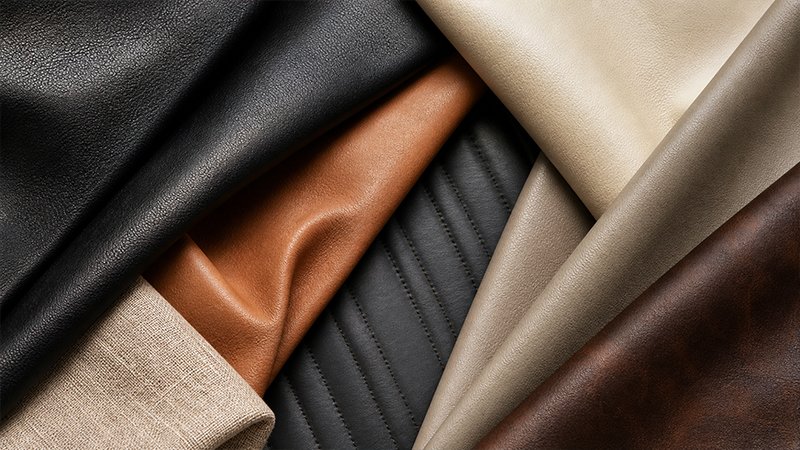
At its core, PU leather is a synthetic, man-made material designed to replicate the aesthetic and tactile qualities of animal skin without the use of actual animal hides. Unlike genuine leather, which is organic, PU fabric is a product of sophisticated chemical engineering.
The Layered Construction
The manufacturing of PU leather is a multi-step process that combines textiles with polymers. It typically begins with a base fabric, which provides the structural integrity of the material. Common base materials include:
- Polyester
- Nylon
- Cotton
Once the base is selected, it is coated with a thermoplastic polymer layer. This polyurethane coating is what gives the fabric its signature “leather-like” characteristics, providing a flexible and protective surface that can be finished in various ways.
The Finishing Touch: Embossing
To achieve a convincing look, the surface of the polymer is often embossed. This process creates artificial grain patterns, pores, and textures that mimic the natural irregularities found in genuine cowhide or exotic leathers.
This allows manufacturers to offer a wide variety of styles, from smooth, high-gloss finishes to rugged, textured looks.
Why PU Leather Dominates the Market: Key Advantages
The widespread adoption of PU fabric is not accidental; it offers several functional and ethical advantages that make it a preferred choice for both manufacturers and consumers.
A Compassionate Alternative: The Vegan Factor
One of the most significant selling points of PU leather is that it is entirely vegan. Because it does not contain animal skin, it serves as a crucial resource for the “cruelty-free” movement in fashion and interior design.
Cost-Effectiveness and Accessibility
Genuine leather is a premium commodity with a high price point due to the costs of farming, tanning, and processing. In contrast, PU leather is generally more affordable.
This lower production cost makes “leather-look” items accessible to a much broader demographic, allowing for trendy fashion and stylish home decor at a fraction of the price.
Water Resistance and Durability in Elements
While natural leather is porous and can be easily damaged by moisture, PU leather is inherently more water-resistant. The plastic-based coating acts as a barrier, preventing liquids from soaking into the base fabric. This makes it an excellent choice for items that might encounter rain or spills.
Unmatched Versatility
Because it is synthetic, PU fabric is highly customizable. It can be produced in various colors and textures that would be difficult or impossible to achieve with natural leather. From vibrant neons to metallic finishes, the design possibilities are virtually endless.
The Trade-offs: Limitations and Considerations
While PU leather offers many benefits, it is important to understand its limitations compared to natural leather. Understanding these “gaps” helps consumers make informed purchasing decisions based on their specific needs.
Durability and the “Peeling” Phenomenon
The primary drawback of PU leather is that it is less durable than real leather. Over time, the bond between the polymer coating and the base fabric can weaken, leading to:
- Cracking: Particularly in areas of high movement (like the elbows of a jacket).
- Tearing: The material lacks the dense fibrous structure of animal hide.
- Peeling: The top layer may flake off, exposing the fabric underneath.
The Breathability Barrier
Natural leather is known for its ability to “breathe,” allowing air and moisture to pass through. PU leather, however, is non-porous. This lack of breathability can make PU clothing feel warmer or “sweatier” when worn for extended periods, and it may not be as comfortable for long-term seating in hot climates.
Expected Lifespan
While a high-quality leather jacket might last a lifetime, PU leather typically has a shorter lifespan. Depending on how frequently the item is used and the quality of the manufacturing, a PU leather product may only last a few years before the signs of wear become significant.
Additionally, some users find that it can have a more artificial or plastic look and feel compared to the rich patina of aged genuine leather.
Real-World Applications: From Style to Utility
The flexibility and low cost of PU fabric have allowed it to permeate almost every aspect of our daily lives.
Fashion and Apparel
In the garment industry, PU leather is a staple for creating edgy, modern silhouettes. It is commonly used for:
- Jackets: Providing the classic “biker” look without the weight or cost of hide.
- Pants and Skirts: Its flexibility allows for form-fitting designs.
- Bags and Accessories: From luxury-look handbags to durable backpacks.
Upholstery and Interior Design
PU leather is a favorite in the furniture and automotive industries because it is easy to clean and aesthetically pleasing. You will frequently find it in:
- Car Seats: Offering a sleek, premium look that resists spills.
- Sofas and Chairs: Ideal for households looking for a leather aesthetic that is easier to manage with pets or children.
Specialized Functional Items (PUL)
Beyond fashion, a specific variant known as PUL (Polyurethane Laminate) is used for high-performance waterproof items. Because of its superior moisture barrier, PUL is essential for:
- Reusable Diapers: Keeping moisture contained while remaining soft against skin.
- Medical Gear: Used in environments where fluid resistance is critical for hygiene.
The Essential Care Guide: Preserving Your PU Fabric
To preserve the appearance and functionality of your PU fabric, a dedicated maintenance routine is necessary. Because PU leather is a synthetic material created by coating a base fabric with a thermoplastic polymer layer, it requires different care than genuine animal hides.
The following guide details how to maximize the lifespan of your items and prevent the cracking, tearing, and peeling that often affect this material over time.
1. Routine Surface Cleaning
Since PU fabric is water-resistant and non-porous, dirt and spills generally sit on the surface rather than soaking in.
- The Damp Cloth Method: For everyday maintenance, simply clean the fabric with a damp cloth to remove dust and surface grime.
- Wiping and Hand Washing: If a deeper clean is required, you may wipe down the item or hand-wash it carefully. This helps maintain the embossed texture that allows the material to mimic the look of real leather.
2. Temperature and Chemical Restrictions
The thermoplastic layer of PU leather is sensitive to heat and harsh processing.
- Avoid Hot Water: When cleaning, do not use hot water, as high temperatures can damage the polymer coating.
- No Dry Cleaning: You should never dry clean PU leather items, as the chemicals used in the process can compromise the synthetic bond and lead to premature peeling.
3. Environmental Protection
Environmental factors are a primary cause of damage for synthetic textiles.
- Sunlight Exposure: It is critical to avoid leaving PU leather in direct sunlight for extended periods. Prolonged exposure can cause the material to fade and suffer structural damage, significantly shortening its already limited lifespan.
- Proper Storage: To prevent the material from becoming brittle and cracking, store items in a cool, dry place away from heat sources.
4. Understanding Longevity
Even with meticulous care, it is important to remember that PU leather is less durable than genuine leather and typically only lasts a few years, depending on the intensity of use.
Regular maintenance is the best way to ensure the material stays flexible and maintains its “leather-look” for as long as possible.
Difference between PU and PUL fabric
The main difference between PU and PUL fabric lies in their specific construction and intended functionality.
- PU (Polyurethane) Fabric: This is a general term for synthetic leather created by coating a base fabric—such as cotton, polyester, or nylon—with a thermoplastic polymer layer. It is primarily designed to mimic the look and feel of genuine leather through embossing and is commonly used for fashion items like jackets and bags, as well as home and automotive upholstery.
- PUL (Polyurethane Laminate) Fabric: This is a specific type of polyurethane material designed for waterproof functional items. While standard PU is often chosen for its aesthetic similarity to leather, PUL is a laminated version utilized for products that require a high degree of moisture protection, such as medical gear and diapers.
While both share a polyurethane base, standard PU is used for general style and furniture applications, whereas PUL is a specialized functional laminate engineered for extreme waterproofing.
Final Thoughts
PU leather serves as a versatile and affordable vegan alternative to animal hides, widely used in everything from fashion to car upholstery.
By coating base fabrics with a thermoplastic polymer, manufacturers create a water-resistant material that mimics the texture of real leather through embossing.
However, it is essential to recognize its limitations, such as a shorter lifespan and susceptibility to cracking or peeling. Because it lacks the breathability of natural leather and can feel more artificial, proper maintenance is vital.
To preserve your items, you should clean with a damp cloth, avoid hot water, and keep them out of direct sunlight. Ultimately, while it requires specific care, PU fabric remains a practical choice for functional, stylish, and ethical consumer products.