In the modern textile industry, the value of a garment is no longer determined solely by its durability or color, but by its “hand-feel” or tactile experience.
Consumers are increasingly drawn to fabrics that offer a velvety, soft-touch experience, often referred to as “peach skin”. This finish has become a cornerstone of luxury activewear, high-end bedding, and contemporary fashion.
Peached fabric is a material that has undergone a specialized mechanical finishing process called sueding or emerizing to create a delicate, fuzzy nap on its surface. This guide explores the technical science behind this finish, its unique characteristics, and why it is dominating the modern market.
What is Peached Fabric? Defining the “Peach Skin” Finish
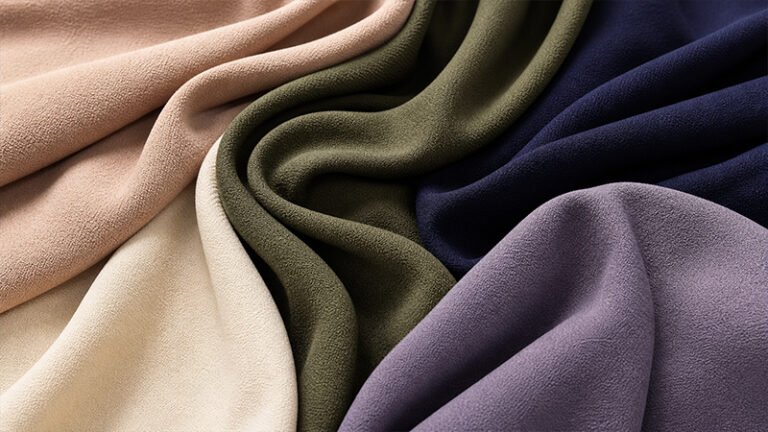
At its core, peached fabric is a textile that has been abraded to raise or split its surface fibers, resulting in a texture that mimics the soft, pillowy skin of a ripe peach.
Unlike traditional “raising” processes that create a long, fluffy pile (like flannel), peaching creates a short, dense, and incredibly soft nap.
While it is most commonly associated with polyester microfibers, the finish can be applied to a wide variety of materials, including cotton, nylon, silk, and blended fabrics. The goal of the finish is to combine the aesthetic of a matte, high-end material with a refined tactile comfort.
The Mechanical Art: How Peached Fabric is Produced
The transformation from a standard “greige” cloth to a luxurious peached textile is primarily a mechanical journey rather than a chemical one.
1. The Sueding and Emerizing Process
The most common method to achieve a peach finish is through sueding (also known as sanding or emerizing). The fabric is passed over a series of precisely engineered rollers covered in fine abrasive material, typically emery paper.
- Grit Sizes: Manufacturers use different “grits” of emery paper to control the intensity of the softness, usually ranging from 180 to 600 grit. A higher grit number produces a subtler, more delicate finish.
- Carbon Brushes: For lightweight or highly delicate fabrics, manufacturers may use carbon brush sueding machines. These machines use fine carbon wire brushes that gently lift surface fibers without breaking the yarns, preserving the fabric’s structural integrity.
2. Precision Machinery and Variables
The quality of the finish depends on the calibration of several machine variables:
- Roller Speed: Machines typically operate at speeds between 15 and 30 meters per minute to prevent scorching or damage.
- Tension Control: Maintaining consistent fabric tension is vital to prevent overstretching or distortion during the abrasion process.
- Multi-Roller Systems: Advanced production lines utilize 8 to 12 rollers rotating in opposing directions to ensure a uniform peach effect across the entire width of the fabric.
3. Chemical Peaching
While mechanical action is the standard, a “peach effect” can also be achieved through chemical treatments using specific softening finishers or laundry abrasion.
Some modern techniques use enzyme washes (bio-polishing) to remove surface fuzz and achieve a softer hand, though this is technically a different process that dissolves part of the cellulose molecule.
The Pilling Paradox: Peaching vs. Sueding
While the terms peaching and sueding are often used interchangeably in the textile industry to describe the creation of a soft “peach skin” finish, they involve distinct mechanical approaches that significantly impact fabric durability and performance.
Process and Mechanism
- Peaching (Brushing): This process creates softness by raising fibers from the fabric surface using rollers covered in fine wires or brushes (typically 28–36 gauge). It gently lifts the fiber ends to create a dense, fuzzy nap.
- Sueding (Sanding/Emerizing): Sueding achieves softness through controlled abrasion using rotating rollers covered in fine abrasive paper (typically 180–400 grit emery paper). Unlike peaching, which lifts fibers, sueding breaks surface fibers into micro-fibrils.
The “Pilling Paradox”
The most critical difference between these two finishes is their resistance to pilling—the formation of tiny fiber balls on the surface.
- Peaching: Because this method lifts fiber ends to create a raised surface, these loose ends can easily entangle during friction or washing, leading to high pilling risks. Aggressively peached fabrics can lose up to 60% of their pilling resistance after just five washes.
- Sueding: By breaking fibers into micro-fibrils rather than lifting them, sueding creates a surface where fibers are too short to entangle into pills. Laboratory testing shows that sueded fabrics maintain approximately 85% of their pilling resistance even after 20 washes.
Textural and Aesthetic Results
- Peaching results in an exceptionally soft, velvety, and “furry” texture that consumers find highly appealing for its initial hand-feel. It is frequently used for high-quality cotton knits and poplins.
- Sueding provides a “broken-in” feel and a smooth, matte appearance. It creates a “suede-like” texture that balances luxury with high-performance durability.
Application Guidelines
| Feature | Peaching (Brushing) | Sueding (Sanding) |
|---|---|---|
| Primary Goal | Ultimate initial softness | Balanced softness and durability |
| Pilling Resistance | Lower (fibers are lifted) | Higher (fibers are broken) |
| Common Machinery | Carbon brushes or wire rollers | Emery paper/sandpaper rollers |
| Best For | Premium cotton knits, bedding | Activewear blends, yoga gear |
Key Characteristics and Consumer Benefits
Why has peach finish fabric earned such a loyal following? It offers a unique balance of form and function that few other finishes can replicate.
1. Superior Hand-Feel and Matte Aesthetic
The most immediate benefit is the velvety touch that provides a sense of luxury and effortless ease. The process also removes the “synthetic shine” from polyester or nylon, giving the material a sophisticated, matte appearance.
2. Excellent Drape and Flow
Peaching enhances the fluid movement of the fabric, allowing it to hang beautifully on the body. This makes it a preferred choice for formal wear, suits, and flowing dresses.
3. Breathability and Moisture Management
When done correctly, a peach finish does not significantly impact a fabric’s breathability. In cotton-rich fabrics, it can even enhance wearer comfort by reducing “fabric cling” against the skin. Synthetic versions, like sueded polyester, often feature moisture-wicking properties that make them ideal for high-intensity movement.
4. Durability and Stability
Despite its delicate feel, peach skin fabric is remarkably sturdy. The hot calendering process, often used post-sueding, helps “set” the nap and makes the material more durable for daily wear.
Versatile Applications: From Yoga to the Bedroom
The versatility of peach fabric allows it to span several massive consumer markets.
1. High-Performance Activewear and Yoga
In the fitness world, peached fabric is prized for providing a soft touch without compromising on performance.
- Back Peached: Soft on the inside for skin comfort, but smooth on the outside for durability and a professional look.
- Double Peached: Ultra-soft on both sides, making it the gold standard for high-end yoga leggings.
2. Luxury Home Textiles
Peach skin has revolutionized the bedding industry, particularly with 1500-thread-count sheets. These sheets feel luxurious and soft immediately out of the package, eliminating the need for a “breaking-in” period. The fabric is also hypoallergenic and antimicrobial, making it a healthy choice for sensitive skin.
3. Contemporary Fashion
The matte texture and excellent drape make peached fabric a favorite for blouses, skirts, and chinos. It is often used for summer clothing because it is light and breathable.
Expert Care and Maintenance Tips
Because the peach finish relies on a delicate surface nap, it requires specific care to maintain its luxury feel.
1. Washing Guidelines
- Temperature: Always use cool or warm water; hot water can damage the delicate fibers.
- Separation: Wash peached items separately or only with other peach fabrics to prevent snagging from zippers or rough textures.
- Detergent: Never pour detergent or fabric softener directly onto the fabric, as this can cause permanent streaks.
2. Drying and Ironing
- The 10-Minute Rule: If using a dryer, only dry for 10 minutes to prevent over-drying, then hang to finish.
- Ironing: Avoid ironing if possible, as peach skin is naturally wrinkle-resistant and high heat can flatten the nap.
The Professional’s Guide to Sewing with Peach Skin
Sewing with peach skin fabric presents unique challenges due to its fluid drape, slippery texture, and lack of stretch. This professional guide outlines the technical adjustments and tools required to achieve high-quality results with this delicate material.
Essential Tools and Materials
- Needle Selection: Professionals should use a Microtex needle in size 60/8 or 70/10. These needles are specifically designed to be sharp and small, which ensures clean holes and prevents the fabric from unraveling or snagging.
- Thread Choice: Opt for cotton thread rather than polyester. Polyester thread is more likely to “cut” through the delicate surface fibers of peach skin, whereas cotton thread is gentler and helps extend the lifespan of the garment.
- Walking Foot: Because peach skin is slippery, a walking foot is highly recommended to prevent the layers from shifting or bunching as they move through the machine.
Machine Settings and Technique
- Stitch Length: There are varying professional approaches to stitch length. Some experts suggest a longer stitch length to prevent the fabric from tearing or ripping under tension. Alternatively, a shorter stitch length (2.5 to 3 mm) can be used to prevent the fabric from stretching out of shape while sewing.
- Seam Allowances: Because the fabric is lightweight and prone to fraying, it is easy to accidentally trim too much from a seam. Professionals should add an extra quarter-inch to all standard seam allowances to provide a safety margin during construction.
Pattern Preparation and Ease
One of the most critical technical aspects of working with peach skin is accounting for “ease” (extra room for movement), as the fabric is generally non-stretchy.
- Standing vs. Sitting Measurements: Patterns must be adjusted based on two sets of measurements—one taken while the wearer is standing and one while they are sitting. On most bodies, the sitting measurement is significantly larger.
- Preventing Tears: Relying on standard ease (often only 3 inches) can result in a garment that is too tight, leading to fabric failure or tearing at the seams. Ensure the pattern provides enough room for comfort in both positions.
Pressing and Finishing
- Pressing Protocol: Peach skin is delicate and easily damaged by high heat. Professionals should always use a pressing cloth and avoid using steam, which can distort the fabric’s nap or cause permanent water spots.
- Lining: While the exterior is soft, the raised surface of some peach skin fabrics can feel scratchy against the skin. Consequently, many professional designs require a lining for added comfort.
- Care for Longevity: Finished garments should be washed separately in cool or warm water. Avoid bleach and dry cleaning, as these chemical processes can permanently damage the delicate fibers that give the fabric its characteristic velvet-like feel.
Conclusion: Making an Informed Choice
Peached and sueded fabrics represent a sophisticated fusion of mechanical engineering and tactile luxury, fundamentally transforming the modern textile market.
While both processes create the characteristic velvety “peach skin” texture, selecting the appropriate method is essential for ensuring garment longevity.
Peaching offers unparalleled initial softness by lifting fiber ends, yet sueding remains superior for performance gear due to its controlled fiber breaking and higher pilling resistance. This technical distinction allows brands to balance sensory appeal with functional durability.
Whether applied to luxury 1500-thread-count bedding or technical activewear, these finishes provide a solution for maintaining comfort without sacrificing structural integrity.
Ultimately, success depends on matching the specific abrasive technique to the base fiber and adhering to precise care guidelines to preserve the delicate surface nap.