Polyurethane Laminate (PUL) fabric is a revolutionary material that bridges the gap between high-performance technology and sustainable living.
Originally developed for the demanding medical industry to withstand intense sterilization, PUL has evolved into a versatile staple for eco-conscious households.
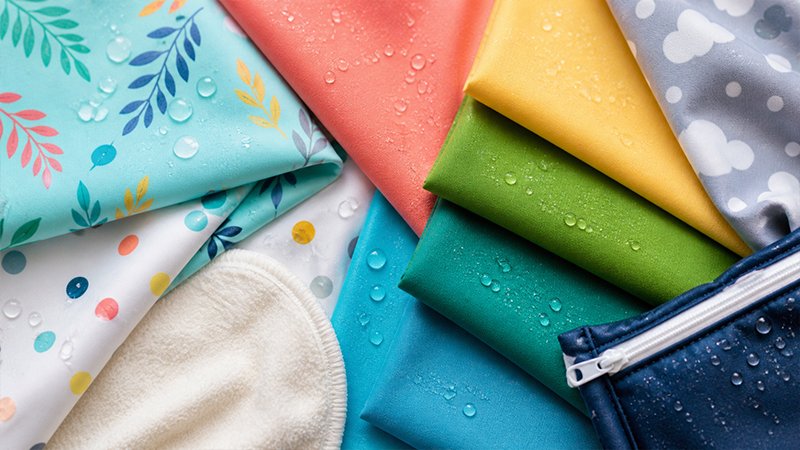
By laminating a soft fabric base to a thin, hidden polyurethane film, this innovative textile offers a unique combination of being both waterproof and breathable.
Whether utilized in reusable diapers, protective medical gowns, or durable outdoor gear, PUL provides a reliable, stretchy, and eco-friendly solution for projects requiring effective moisture barriers.
What Exactly is PUL Fabric?
At its core, PUL is a composite material that bridges the gap between traditional textiles and advanced barrier technology. The acronym stands for Polyurethane Laminate.
It is created through a specialized lamination process where a thin, hidden layer of thermoplastic polyurethane (TPU) film is bonded to a base fabric—most commonly a polyester interlock, though cotton and bamboo are also popular choices.
The thickness of the TPU film is typically measured in mils, where one mil equals 0.001 inches (or approximately 0.0254 mm).
Most standard PUL fabrics utilize a 1 mil or 2 mil film, striking a balance between flexibility and a robust waterproof barrier. This unique construction ensures that the fabric retains its textile-like feel on the outside while providing an impenetrable shield against liquids on the inside.
The Science of Breathable Waterproofing
One of the most frequent questions regarding PUL is how it can be waterproof and breathable simultaneously. This dual functionality is achieved through the molecular structure of the TPU film.
The film contains microscopic pores that are far too small for liquid water molecules to penetrate, yet they are large enough to allow heat and water vapor (air) to pass through.
This characteristic makes PUL vastly superior to traditional plastics or heavy vinyl. In applications like cloth diapers or athletic wear, this breathability is crucial for preventing heat buildup and maintaining skin health.
Furthermore, the polyurethane fibers provide the fabric with excellent stretch and recovery properties, allowing it to withstand movement without tearing or losing its shape.
The Fascinating Origins: From the Medical Ward to the Modern Home
PUL was not originally designed for the consumer market. Its development was driven by the rigorous demands of the medical industry. Healthcare facilities required a material that could serve as an effective fluid barrier while surviving the harsh conditions of autoclave sterilization—a process involving high-heat steam.
Because PUL could endure frequent washing and professional-grade cleaning without losing its integrity, it became an essential component for surgical gowns and medical bedding.
As its durability and safety became widely recognized, the fabric transitioned into the eco-friendly home revolution, eventually becoming the foundational material for the modern reusable diaper industry.
Exploring the Different Types of PUL Fabric
Not all PUL is created equal. Depending on the intended use, manufacturers have developed several specialized versions:
2-Layer ECO-PUL
This is the most common variety, featuring one layer of fabric laminated to a TPU film. It is prized for its soft touch and flexibility, making it ideal for items that come into direct contact with the skin.
3-Layer or CORE PUL
In this advanced version, the waterproof film is sandwiched between two layers of fabric. This “hidden” layer approach provides a longer lifespan because the film is protected from external abrasion on both sides. It is a popular choice for high-end consumer goods and heavy-duty applications.
1 Mil vs. 2 Mil PUL
Choosing between thicknesses depends on your durability needs. 1 mil PUL is thinner, lighter, and more breathable, perfect for apparel lining and lightweight diapers.
2 mil PUL (and even 5 mil versions) offers enhanced durability and protection for demanding projects like heavy-duty wet bags or medical-grade mattress protectors.
Specialty Base Fabrics
While polyester is the standard, you can find Bamboo PUL for a naturally soft and eco-friendly option, or Cotton PUL for classic comfort. For high-wear outdoor gear or pet products, Nylon PUL provides unmatched strength and resilience.
Sustainability and the “Eco-PUL” Movement
In an era of environmental consciousness, PUL plays a vital role in reducing single-use waste. By enabling the creation of high-quality reusable products, it keeps countless disposable diapers, pads, and wraps out of landfills.
However, the “eco” in ECO-PUL also refers to the manufacturing process itself. High-quality PUL, such as that produced by Wazoodle Fabrics, is manufactured using solvent-free techniques.
Traditional lamination often involves toxic chemicals, but modern eco-friendly versions bypass harmful solvents, lead, and phthalates, making the finished textile safer for both the user’s skin and the environment.
Additionally, Recycled PUL is now available, crafted from post-consumer plastic bottles, further closing the loop on textile waste.
PUL in the Kitchen: Safety and Certification
The versatility of PUL extends to the culinary world through Food Safe PUL. These fabrics are rigorously tested to meet stringent safety standards, such as the FDA’s 21 CFR Part 175, for repeated contact with food at various temperatures.
FoodSafe PUL is a game-changer for sustainable kitchens, allowing for the creation of:
- Reusable snack bags and sandwich wraps.
- Bowl covers and unpaper towels.
- Waterproof tablecloths and aprons.
These fabrics are designed to be durable enough to withstand 300+ washes while maintaining their impermeability, ensuring they remain hygienic for years.
Revolutionary Hygiene: Medical-Grade MediPUL
For the healthcare sector, MediPUL represents the pinnacle of hygienic textile technology. It provides a reliable barrier against fluids and contaminants, which is essential for medical gowns, cast protectors, and surgical accessories.
Some versions even incorporate antimicrobial technology (like SILVADUR™), which inhibits the growth of bacteria and controls odors, ensuring that medical garments remain fresh and defensive through rigorous use.
DIY Inspiration: What Can You Make with PUL?
If you have a sewing machine and a passion for sustainability, PUL opens a world of creative possibilities. Common projects include:
- Baby Care: Cloth diapers, swim diapers, bibs, and burp cloths.
- Personal Hygiene: Cloth menstrual pads, period underwear, and nursing pads.
- Home Essentials: Wet bags for gym gear, pet blankets, and mattress protectors.
- Pet Care: Reusable pet diapers, cage liners, and potty pads.
For projects requiring both waterproofing and extreme moisture retention, many makers combine PUL with Zorb absorbent fabrics. This combination creates a “best of both worlds” scenario, where Zorb manages the liquid and PUL ensures it never leaks.
The “Front vs. Back” Dilemma: Which Side is Which?
When working with PUL for the first time, identifying the “right” side can be tricky.
- In 2-layer PUL, the non-laminated fabric side is usually considered the front because the colors and prints are more vibrant.
- However, for apparel, you generally want the laminated side to face outward. This prevents the film from feeling “sticky” against the skin and allows water to roll right off the surface.
- In 3-layer CORE PUL, both sides feel identical because the film is hidden in the middle, giving you total design freedom.
Pro Tips for Longevity and Care
To prevent PUL (Polyurethane Laminate) delamination, which is the process where the waterproof film separates from the base fabric, it is essential to follow proper care instructions during washing and drying.
According to the sources, specific tips to prolong the life of the fabric and prevent this separation include:
- Use Protective Bags: Wash your PUL fabrics inside the same types of garment bags used for lingerie, silk, or other delicate materials.
- Select Gentle Cycles: Always use a delicate cycle for washing.
- Wash with Delicates: It is recommended to wash PUL items alongside other fragile or delicate items to reduce mechanical stress on the film.
- Follow Specific Instructions: Delamination often occurs after repeated washing and drying if the manufacturer’s care guidelines are ignored.
While PUL is known for its durability and ability to withstand repeated machine washing and drying without losing its waterproof properties, these extra precautions are necessary because the material is not indestructible.
Using high-quality PUL, such as CORE PUL, can also help as the waterproof layer is protected between two fabrics, providing a longer lifespan.
Conclusion: The Future of High-Performance Textiles
PUL fabric has come a long way from its origins in the operating room. Today, it stands as a pillar of the zero-waste movement, offering a high-performance alternative to single-use plastics.
Its unique combination of being waterproof, breathable, stretchy, and durable makes it indispensable for modern life.
By choosing high-quality, American-made PUL that is free from toxic solvents and certified for safety, you are not only investing in a superior product but also supporting a cleaner, greener future.
Whether you are a professional manufacturer or a home hobbyist, the world of PUL fabric offers endless opportunities for innovation and sustainability.