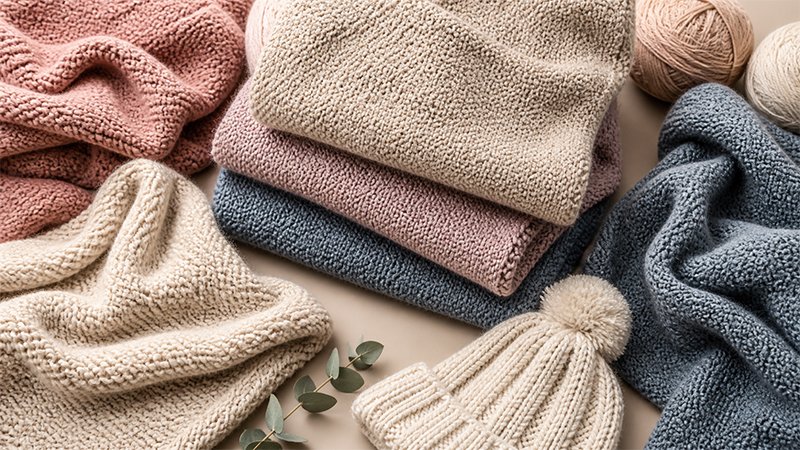
Purl knitting is a cornerstone of textile manufacturing, serving as the fundamental foundation for all knitting techniques.
This ancient method creates a distinctive fabric by alternating between traditional knit and purl stitches, resulting in a unique reversible structure that is identical on both sides.
Renowned for its luxurious appearance, purl knit fabric is characterized by raised loops and bumps that offer an astonishingly textured surface.
Beyond its aesthetic appeal, the fabric is highly valued for its exceptional softness, breathability, and insulating properties, which trap air to provide warmth in cool weather.
Whether utilized in flexible summer skirts or cozy winter cardigans and blankets, its inherent stretch and durability make it a versatile staple in the modern garment industry. Discover how this timeless craft continues to shape global high-end fashion today.
Understanding the Essence: What is Purl Knit Fabric?
At its core, purl-knit fabric is defined by a knitting technique used since ancient times. While many traditional fabrics rely on a single style of stitch, the purl knit is characterized by alternating between knit and purl stitches.
This specific arrangement results in a fabric with “opposite courses,” effectively making the material identical on both sides.
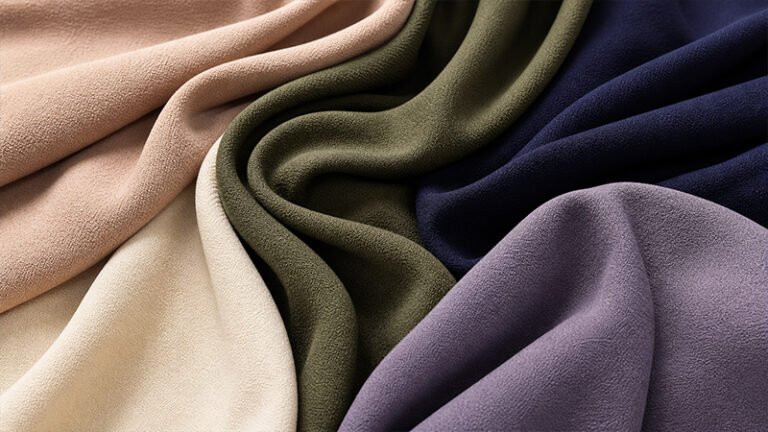
The visual and tactile hallmark of this fabric is its surface architecture. While a standard knit stitch typically results in a smooth finish, the purl stitch creates raised bumps and loops on the exterior.
These textures are not merely decorative; they contribute significantly to the fabric’s soft, comfortable, and insulating properties, often giving garments a luxurious and charming appearance.
A Brief History and Global Evolution
The exact origins of the purl stitch remain a historical mystery, yet its influence is undeniable across various civilizations. Over centuries, the technique has integrated itself into the cultures of the Middle East, Europe, and parts of East Asia.
As technology advanced, so did the complexity of purl knitting. What began as a hand-crafted tradition has evolved into a sophisticated industrial process.
Today, modern textile manufacturers combine these ancient artistic approaches with cutting-edge machinery to produce a vast array of patterns and designs that are widely utilized across the international textile industry.
The Technical Breakdown: How Purl Knit Fabric is Created
Purl knit fabric is highly versatile because it can be manufactured using a diverse range of fibers. Common materials include natural wool and cotton, as well as acrylic and other synthetic materials. This blend of fibers allows manufacturers to fine-tune the fabric’s stretch, softness, and durability.
The Three Primary Types of Purl Stitches
To achieve different textures and functional qualities, manufacturers utilize three main variations of the purl technique:
Basic Purl Stitch
This is the most prevalent method used in the textile industry. It involves a specific manual or mechanical process where a right-handed needle alternates with a left-handed needle, and the yarn is wrapped clockwise to pull a loop through.
The precision of needle placement is critical here; high-quality manufacturers focus on exact placement to ensure the final textile is neat and smooth.
Seed Stitch
For those seeking a more granular texture, the seed stitch is the preferred choice. This process involves shifting the knitting back and forth between knit and purl stitches in a specific sequence.
The result is a pattern of small bumps that provides an amazing textured look on the outside while maintaining a smooth finish on the inside for the wearer’s comfort.
Ribbing Stitch
Ribbing is perhaps the most functional variation of the purl technique. By combining purl stitches (which create texture and vertical bumps) with knit stitches (which help reduce fabric stress), manufacturers create a material with exceptional elasticity. This allows the fabric to hold its shape over long periods of usage while remaining highly flexible.
Essential Properties: Why Purl Knit Fabric Stands Out
The enduring popularity of purl knit fabric is driven by several key physical characteristics that make it superior for specific clothing applications.
Distinctive Texture
The raised loops and patterns offer a unique aesthetic that signifies creativity. These “raised patterns” allow designers to create clothing with a cozy, three-dimensional appearance that smooth fabrics cannot replicate.
Superior Warmth and Insulation
Purl knit is renowned for its ability to trap air within its textured loops. This creates a natural layer of insulation, making the fabric an excellent choice for cool-weather garments. Despite this warmth, the fabric remains breathable, ensuring comfort across different seasons.
Stretch and Shape Retention
Because the construction involves both knit and purl stitches, the fabric possesses an inherent flexibility. It allows the wearer to move freely without putting excessive stress on the material, which helps the garment retain its original shape even after repeated wear.
Unrivaled Softness
By mixing fibers like wool and cotton—and often putting the fabric through an industrial softening process—manufacturers achieve a level of softness that is among the best in the textile world.
Diverse Applications in the Fashion Industry
The unique combination of softness and insulation makes purl knit fabric a favorite for a wide range of products.
1. Seasonal Apparel
- Sweaters and Cardigans: The breathable yet warm nature of the fabric makes it a staple for winter-wear.
- Dresses and Skirts: Due to its flexibility and stretch, purl knit is also a popular choice for summer clothing, providing a soft silhouette that moves with the body.
2. Winter Accessories
The textured look of purl knitting is iconic in cold-weather accessories. It is frequently used to craft beanies, scarves, and sleeves, providing a cozy look for both indoor and outdoor environments.
Additionally, its warmth is utilized in small accessories like gloves and mufflers, which require a clean, textured finish.
3. Home Textiles
Beyond fashion, purl knit fabric has found a significant home in interior design. It serves as a lightweight yet warm alternative to bulky traditional blankets. Purl knit blankets and throws add a sophisticated texture to home decor while remaining functional and comfortable.
Mastering the Craft: Tension and Quality Control
For those involved in the production of purl knit garments, maintaining uniform tension is the most critical factor.
Because the process requires constant switching between purl and knit stitches, there is a risk of the stitches becoming too tight or too loose. High-quality garments are the result of steady, consistent yarn tension, which ensures a professional and durable finish.
Leading Innovators in Purl Knit Design
Several world-renowned brands and designers have mastered the purl stitch to create iconic fashion lines.
- Dale of Norway: This brand is famous for integrating traditional Norwegian knitting patterns with purl techniques to create astonishing, color-rich garments.
- Debbie Bliss: A legendary British designer, Bliss is celebrated for her exquisite use of purl and knit stitches to create stunning, high-end designs.
- Rowan: Known for their expertise in yarns, this British brand demonstrates how purl knitting can achieve versatility and aesthetic beauty.
- Brooklyn Tweed: This American company focuses on purl stitches to produce eye-catching, unique designs that have a modern edge.
- Malabrigo: Based in Uruguay, they specialize in hand-dyed yarns that highlight the textural depth of purl knitting.
Conclusion: The Foundation of Knitting Excellence
Purl knitting serves as the indispensable foundation of the entire knitting world, offering unparalleled texture and depth to modern garments.
Its unique construction, featuring alternating stitches that create identical sides, ensures a reversible fabric that is as functional as it is aesthetically pleasing.
By trapping air within its raised loops, purl knit fabric provides exceptional insulation and warmth, making it a reliable choice for everything from delicate summer skirts to heavy-duty winter blankets.
Its inherent flexibility and softness, often enhanced by industrial processes, allow for maximum comfort without compromising shape retention.
As international manufacturers continue to innovate with this ancient technique, purl knit fabric remains a symbol of creativity and durability, proving that the simplest stitches often yield the most astonishing and timeless results.