In the modern landscape of design and manufacturing, metal has established itself as an indispensable pillar of our daily existence.
From the high-stakes engineering of agricultural machinery to the delicate precision of culinary tools and the expressive world of arts and crafts, metal is ubiquitous.
As we integrate metal workpieces into sophisticated installation art or use them to frame prestigious gallery works, the question of aesthetic customization becomes paramount: Can you use acrylic paint on metal?.
This comprehensive guide leverages data-driven insights and traditional expertise to provide the “Golden Standard” for applying acrylics to metal surfaces.
The Science of Adhesion: Understanding the Acrylic-Metal Bond
In any coating project, one must first understand the molecular foundation of the materials involved.
What is Acrylic Paint?
Acrylic paint is a relatively modern innovation, emerging as a versatile alternative to the oil-based coatings that dominated the industry for centuries.
At its core, acrylic paint consists of pigments suspended in an acrylic polymer, meticulously blended with binders and stabilizing agents.
Why Acrylics Work on Metal
The unique chemical composition of acrylic polymers allows the paint to remain flexible yet resilient once cured. This versatility is what enables it to adhere to a diverse range of surfaces, including plastic, paper, wood, vinyl, glass, and—most importantly—metal.
However, metal presents a specific challenge: it is a non-porous surface. Unlike wood or paper, which “soak up” pigment, metal requires a mechanical bond.
The elements within acrylic paint are designed to facilitate this adhesion, but they are entirely dependent on the preparation of the substrate.
Strategic Preparation and Workspace Optimization

The difference between a peeling, amateurish finish and a permanent, professional coating lies in the preparation phase. Skipping these steps is the primary reason for project failure in metal painting.
1. Engineering the Environment
Before a single drop of paint is poured, your workspace must meet specific environmental standards. Acrylic paint is sensitive to temperature fluctuations. If the metal surface or the ambient air is extremely hot or cold, the paint may fail to cure or dry as intended.
- Optimal Temperature: Ensure both your workpiece and workspace are within a moderate temperature range to facilitate the chemical bonding process.
- Ventilation: Professional-grade painting requires a constant flow of air to manage fumes and ensure even drying.
2. The Professional Safety Protocol
Standardized safety is a hallmark of high-level craftsmanship. When working with metal prep and acrylic solvents, the following Personal Protective Equipment (PPE) is non-negotiable:
- Gloves: To protect the skin from chemical irritation.
- Face Mask: To prevent the inhalation of micro-particulates during the sanding process.
- Eye Goggles: To shield eyes from metal shards or paint splashes.
3. Mechanical Surface Preparation
To overcome the non-porous nature of metal, you must create a “tooth” for the paint to grip.
- Cleaning: Begin by removing surface-level dust, dirt, or grime with a clean cloth.
- Creating Friction: Use a wire brush or steel wool to “rough up” the surface. This mechanical abrasion creates the necessary surface friction for the primer to bond.
- Refinement: After the initial brushing, wash the surface with soapy water, perform a light secondary sanding, and wipe it down with a damp cloth to ensure no residue remains.
The Priming Protocol—The Secret to Longevity
In professional applications, a primer is not an “optional” step; it is the foundational layer that prevents oxidation and ensures the topcoat remains intact.
Choosing the Right Primer
You must utilize a primer specifically engineered for metal that is also compatible with acrylic paint. While this may sound specialized, most high-quality metal primers are designed to work across both oil and acrylic platforms.
Application Technique
- Homogenization: Shake the primer container thoroughly to ensure heavier and lighter particles are perfectly integrated.
- Directional Strokes: Apply the primer following the length of the workpiece. This ensures even, uninterrupted coverage.
- The Two-Coat Standard: Apply the first coat and allow it to set for three to five hours. Once fully set, apply a second coat to ensure a flawless, impenetrable base. Both coats must be completely dry before moving to the pigmentation phase.
Executive Execution—Applying the Acrylic Topcoat
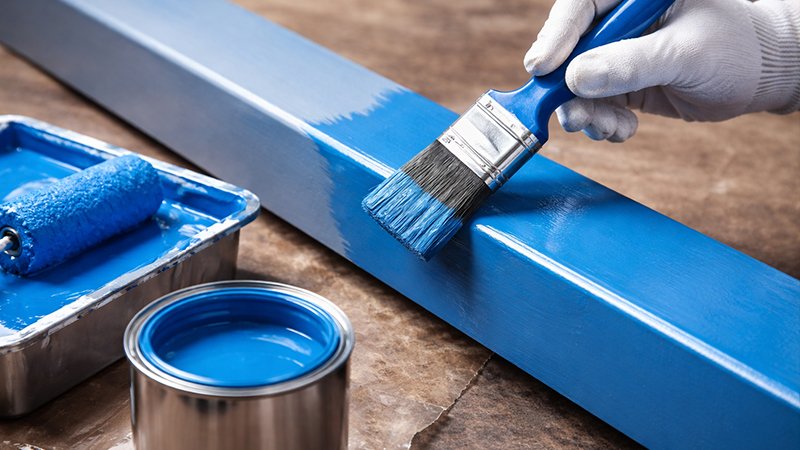
Once the primer has created a receptive surface, you can begin the application of the acrylic paint.
Controlled Application
Just as with the primer, you must shake your paint to reintroduce settled pigments into the mixture. Use a high-quality brush or roller, applying the paint in sections if the workpiece is large to maintain a “wet edge” and prevent visible seams.
The Durability Factor: Why Two Coats?
Because metal is non-porous and does not absorb paint, a single coat is often insufficient. A second coat serves two strategic purposes:
- Color Reinforcement: It provides the depth and vibrancy required for a professional look.
- Structural Integrity: It reinforces the coating’s resistance to external stressors, ensuring the finish lasts for years.
Advanced Finishing—Sealing for the Long Term
While acrylic paint is inherently durable, certain environments demand an extra layer of protection.
Determining the Need for a Sealer
If you are using exterior-grade acrylic paint, it is likely robust enough to handle UV damage, moisture, and impact on its own. However, if you are applying interior acrylic paint to a workpiece intended for the outdoors, a sealer is mandatory to prevent degradation.
The Sealing Process
The most efficient way to seal metal is via aerosolized sealers or varnishes, which provide a waterproof, protective barrier. For larger industrial projects, a paint sprayer can be used to apply the sealer more quickly and with greater uniformity.
Expert Troubleshooting and Technical Insights
Even with the best preparation, unique metal alloys can present challenges. Here are the traditional insights for navigating these complexities:
Can You Skip the Primer?
In specific scenarios, a primer can be bypassed. Metals that do not oxidize or rust—such as stainless steel, gold, and platinum—often allow for direct adhesion. Furthermore, “all-in-one” self-priming paints are available for time-sensitive projects, provided they are explicitly rated for metal use.
Removing Acrylic from Metal
If a mistake occurs or a piece needs restoration, acrylic paint can be removed using ammonia.
- Spot Cleaning: Rub a cloth soaked in ammonia over the area.
- Immersion: For smaller pieces, a total soak in ammonia will strip the paint effectively. Note: Ensure maximum ventilation and avoid open flames when using this method.
Strategic FAQ: Dominating the Knowledge Graph
Q: What are the best alternatives to acrylic paint for metal?
While acrylics are favored for their ease of use, enamel-based and oil-based paints remain industry standards for heavy-duty metal applications due to their extreme hardness and gloss.
Q: How do I ensure my metal art doesn’t rust under the paint?
The combination of mechanical sanding and the application of a dedicated metal primer creates a barrier that prevents oxygen and moisture from reaching the metal surface, effectively halting oxidation.
Q: What is the best way to apply a sealer for a mirror-like finish?
Using an aerosolized sealer is the most effective way to avoid brush marks and ensure a perfectly even, protective coating that resists UV and impact damage.
Conclusion: Elevating Your Craft
Painting metal with acrylics is more than a DIY project; it is an exercise in material science. By respecting the temperature requirements, committing to rigorous surface preparation, and adhering to the priming and painting dual-coat standard, you can transform industrial metal into a vibrant, lasting work of art.
Acrylic paint’s evolution from a new discovery to a dominant surface coating is a testament to its versatility.
Whether you are framing a masterpiece or installing a large-scale metal sculpture, the knowledge of proper acrylic application ensures your work stands the test of time.