Melange fabric, derived from the French word for “mixture,” is a versatile and highly flexible textile celebrated for its distinct, heathered appearance.
This multi-tonal aesthetic is created by blending different colored fibers before the knitting or weaving process, ensuring the color is built directly into the yarn.
Often referred to as cationic fabric, it features a grainy, vintage-like texture that is soft, durable, and highly resistant to wrinkles.
Its production is notably eco-friendly, saving up to 50% of water and energy while reducing chemical emissions compared to traditional dyeing methods.
From high-performance activewear and sport meshes to sophisticated formal blazers, melange provides a unique visual depth and luxurious feel that defines modern textile engineering and high-end garment design.
Understanding the Foundation: What is Melange Fabric?
The term “Melange” is derived from the French word for “mixture,” a name that perfectly encapsulates the fabric’s core identity.
At its most fundamental level, melange fabric is a textile produced by blending various colored fibers or yarns—often a mix of undyed (raw) and dyed fibers—before the knitting or weaving process begins.
The Visual Identity of Melange
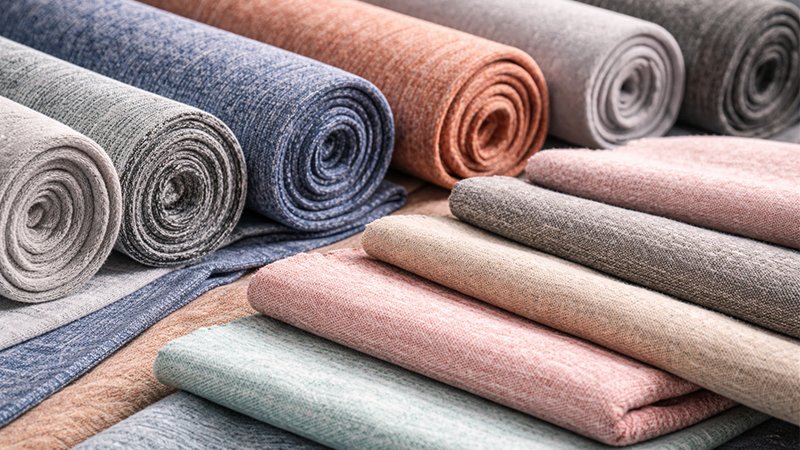
Unlike solid-dyed fabrics, melange possesses a distinctive heathered or mottled appearance. This “mixture” results in a subtle, multi-tonal look characterized by a grainy, vintage-like texture that is both visually rich and soft to the touch.
Because the color is engineered directly into the yarn rather than printed on the surface, it provides a depth of field that topical treatments cannot replicate.
Cationic Fabric vs. Melange
In technical circles, melange is sometimes referred to as cationic fabric. This refers to the specific dyeing properties of certain polyester fibers used in the blend, which allow for high-contrast color effects when different fiber types (such as polyester and cotton) are combined and dyed in stages.
The Anatomy of Melange: Compositions and Classifications
To leverage melange effectively, one must understand the various fiber blends and structural classifications that define its performance.
1. Composition-Based Classifications
The versatility of melange stems from its ability to incorporate nearly any fiber type:
- 100% Cotton Melange: Created by mixing different percentages of colored cotton fibers to achieve various shades.
- CVC (Chief Value Cotton): A blend of cotton and polyester that offers enhanced durability and wrinkle resistance.
- Polyester Melange: Utilizing DTY (Drawn Textured Yarn) and FDY (Fully Drawn Yarn) to create high-performance, moisture-wicking textiles.
- Tri-Blends and Beyond: Incorporating viscose, rayon, or spandex to add softness, flowy drape, or stretch.
2. Visual and Structural Types
The market recognizes several specific “effects” within the melange family:
- Heather: The standard multi-tonal blend, most famously seen in “Heather Grey” (a mix of white and grey fibers).
- Marl: Created by twisting two different colored yarns together before knitting.
- Neppy: A specialized variant that utilizes small clumps of fiber (“neps”) to create a unique, speckled texture.
- Salt & Pepper: A high-contrast version that provides a sharp, speckled aesthetic.
Engineering Excellence: The Five-Step Production Process
The production of melange fabric is significantly more complex than traditional piece-dyeing, requiring precision at the fiber stage to ensure consistency across large production runs.
- Fiber Selection: Manufacturers carefully select undyed and dyed fibers based on the desired final shade and performance metrics.
- Blending: These fibers are combined in precise proportions. This stage is critical; the ratio determines the final color depth and the “abstract” textured pattern.
- Spinning: As the fibers are spun together, they intertwine to create a melange yarn. The irregularities in thickness and color merge to form the alluring visual appeal that defines the category.
- Weaving or Knitting: The melange yarn is then processed into fabric. Common structures include Single Jersey, French Terry, Pique, and Interlock.
- Finishing: Final processes such as washing, setting, and sometimes additional dyeing enhance the fabric’s durability and softness.
The Sustainability Advantage: A Data-Driven Perspective
For modern corporations, the environmental footprint of a material is as important as its cost. Melange fabric offers a compelling Eco-Friendly profile that aligns with global ESG (Environmental, Social, and Governance) goals.
- Water and Energy Conservation: The melange production process can save up to 50% of the water and energy typically required in traditional dyeing methods. By dyeing the fiber rather than the finished fabric, manufacturers reduce the number of dye baths needed.
- Reduced Chemical Waste: Because the process is more efficient at the fiber stage, it reduces the volume of wastewater and chemical emissions released into the environment.
- Recycled Material Integration: Melange is highly compatible with recycled polyester and cotton, further enhancing its sustainability credentials.
Market Applications: Where Melange Dominates
The flexibility of melange allows it to transition seamlessly across various product categories, making it a favorite for “lifestyle” brands.
1. Sportswear and Activewear
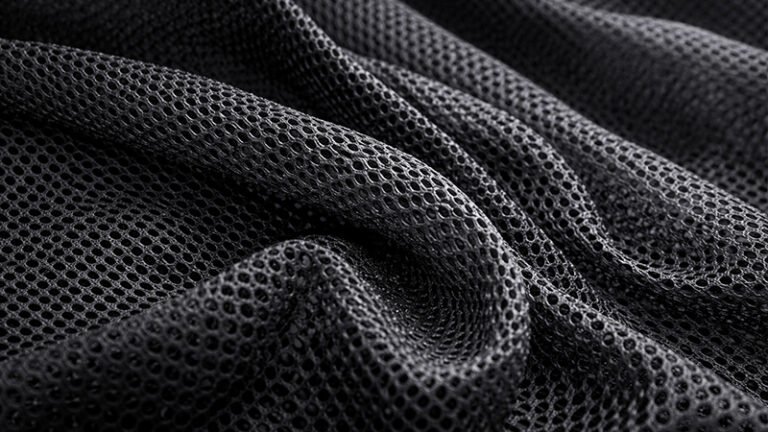
Melange is the gold standard for activewear. Its moisture-resistance and breathability make it ideal for leggings, sport meshes, and high-performance tees. Furthermore, the mottled texture is exceptionally effective at hiding sweat and wrinkles, a key selling point for athletes.
2. Casual and Streetwear
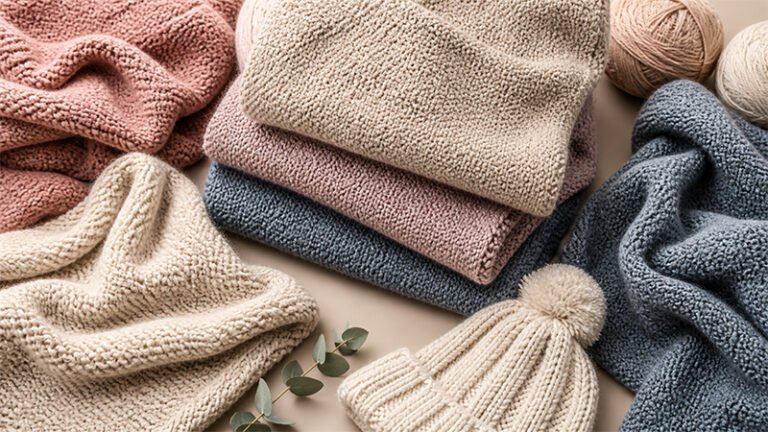
In the realm of basics, melange adds immediate perceived value. Products like hoodies, t-shirts, and sweaters benefit from the fabric’s “premium casual” vibe. Designers often use light melange backgrounds to make bold prints “pop” with more contrast than a flat solid background.
3. Formal and Professional Wear
Increasingly, melange is being used to add sophistication to blazers and trousers. The multi-tonal effect provides a depth and “intrigue” that mimics high-end wool blends while maintaining the comfort and easy care of knitted or blended fabrics.
4. Home Textiles and Accessories
Beyond apparel, melange is a staple in home decor, used for blankets, towels, and bedding due to its soft feel and durable nature.
Expert Manufacturing Insights: Navigating Challenges
While melange is aesthetically superior, it presents specific manufacturing hurdles:
- Shade Variation: Because colors are blended at the fiber stage, slight variations between dye lots are common. Rigorous testing before bulk production is essential.
- Ratio Management: Maintaining the exact proportion of dyed to undyed fibers is difficult. An improper mixture can lead to inconsistent waviness or “spots”.
- The “White Nep” Risk: On dark shades, small undyed fibers (neps) can appear as unwanted white spots if quality control is not maintained during the spinning process.
Consumer Care: Maintaining the Melange Aesthetic
To ensure longevity and maintain the soft texture and vibrant multi-tonal colors, specific care is required:
- Temperature: Always wash in cold water (room temperature).
- Detergent: Use only mild detergents and strictly avoid bleach, which can strip the complex blended colors.
- Technique: Turning garments inside out before washing preserves the surface texture and prevents pilling.
- Drying: Gentle hand washing and air drying are ideal for maintaining the fabric’s unique “smoothness”.
Enhanced FAQ: Strategic Intelligence for Decision Makers
Q: Can melange effects be faked with printing?
A: Not convincingly. True melange requires the yarn itself to be multi-tonal. While prints can mimic the look, they lack the physical texture, softness, and depth of authentic melange, and they are prone to fading or peeling—issues melange does not have.
Q: Why is melange fabric often more expensive than solid fabrics?
A: The cost is driven by the complexity of the fiber blending and spinning stages. Managing multiple fiber colors before a single inch of fabric is even woven requires more sophisticated machinery and labor.
Q: Is melange suitable for summer wear?
A: Yes. Many melange compositions, particularly those with high cotton or viscose content, are highly breathable and moisture-absorbent, making them appropriate for summer fashion.
Conclusion: The Future of Textured Textiles
Melange fabric stands as a testament to the harmony between aesthetic depth and technical performance in modern textiles.
By blending different colored fibers at the yarn stage, it offers a signature mottled look that transcends simple surface prints.
Beyond its visual appeal, its eco-friendly production saves up to 50% of water and energy, aligning with global sustainability goals. Its versatility allows it to dominate diverse sectors, ranging from high-performance activewear to sophisticated formal attire.
While manufacturing requires precision to manage shade variations, the resulting durability and wrinkle resistance ensure its enduring popularity among consumers.
Ultimately, melange fabric remains a stylish, sustainable, and high-quality choice that continues to redefine the global textile industry.