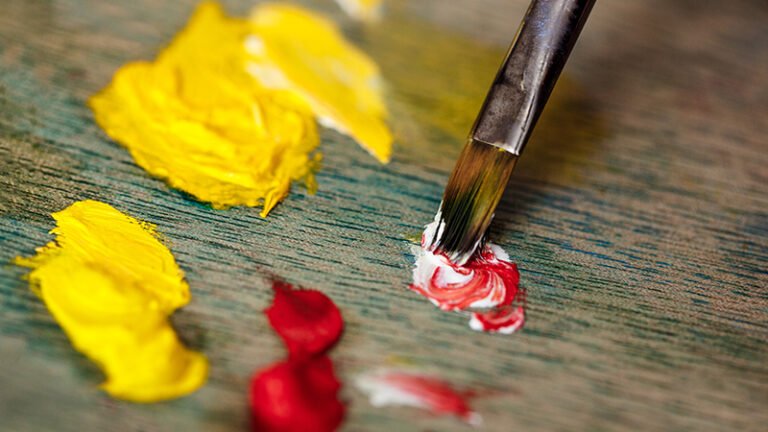
The versatility of acrylic paint makes it a favorite for everyone from weekend crafters to professional gallery artists.
However, that same versatility comes with a notorious reputation for being a bit messy. Whether you are a beginner practicing on student-grade materials or a pro working with high-pigment artist colors, the question inevitably arises: Is acrylic paint washable?.
The short answer is yes, but the long answer depends entirely on the surface, the timing, and the methods you use.
Understanding the chemical makeup of the paint and how it interacts with different materials is the key to successfully removing unwanted splatters without damaging your belongings.
Understanding the Nature of Acrylic Paint
To understand why acrylic paint behaves the way it does, we have to look at its ingredients. Acrylic paint is composed of three primary elements: water, pigment particles, and acrylic resin. The resin acts as the binder that holds the pigments together.
When the paint is in its liquid form, it is water-soluble, meaning you can thin it with water much like watercolors. However, once the water evaporates and the paint properly cures, it becomes water-resistant and permanent.
This fast-drying nature is what makes it so popular, but it is also what makes cleaning it such a challenge once it has set.
Generally, it is easily removed with soap and water while it is still wet, but once it dries, you will need more specialized techniques to break down the plastic-like resin.
Does Acrylic Paint Wash Off Skin?
Getting paint on your hands is almost a rite of passage for an artist, but it shouldn’t be ignored. While acrylic paint is generally non-toxic, it is not intended for use as body paint and can cause skin irritation in some cases.
Furthermore, you should be careful if you have small cuts, as chemicals from the paint can enter the body through injuries.
1. Warm Water and Soap
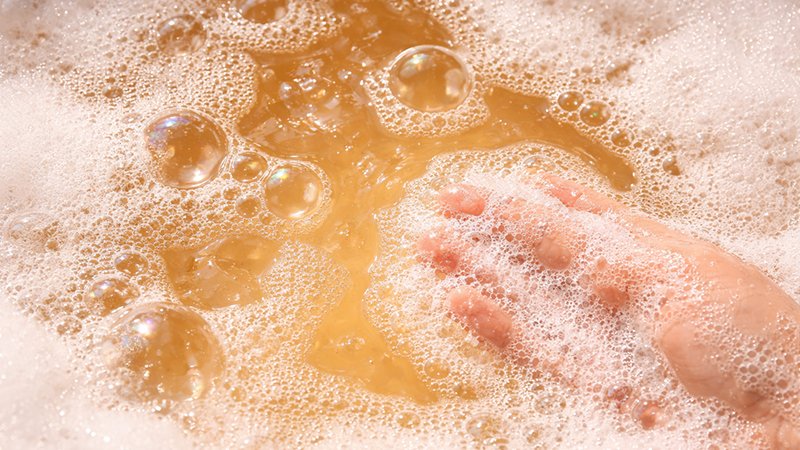
If the paint is still wet, this is the most effective and safest method. Simply rinse the area with warm water and apply dishwashing liquid. Scrub gently until a lather forms and the paint lifts. If some residue remains, you can repeat the process until your skin is clean.
2. Baby Oil or Lotion
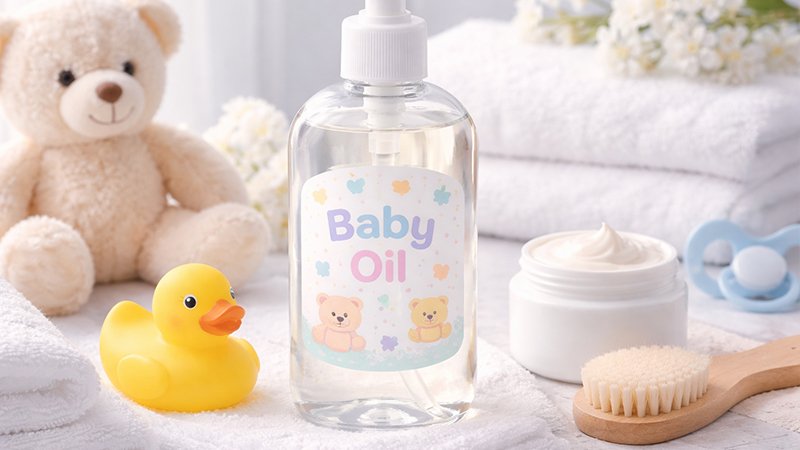
If the paint has already dried on your skin, soap and water might not be enough. In this case, baby oil or lotion is a much gentler alternative to harsh chemical removers.
Apply the oil to a cotton ball or cloth and rub the area; the oil helps break down the binder in the paint, allowing it to slide off the skin.
3. Rubbing Alcohol
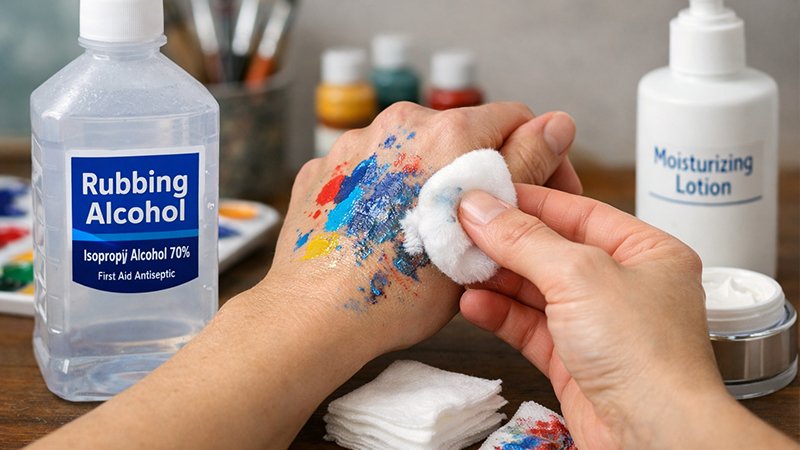
For particularly stubborn, dried-on paint, rubbing alcohol can be used as a solvent. It is very efficient at breaking down the paint quickly. However, because alcohol can be drying and contains chemicals, you should always moisturize your skin after the paint is removed.
Removing Acrylic Paint from Hair
It is common for paint to end up in your hair during a vigorous painting session, causing the strands to become stiff. Because acrylic is water-based, it can usually be removed without having to resort to a haircut.
- Shampoo and Warm Water: If caught early, rinse your hair with warm water and massage in shampoo. If the paint has dried, you may need to soak your hair in warm water for a few hours to soften the resin before washing.
- Oil Treatments: Using baby oil or olive oil can help soften dried paint. Massage the oil into the affected hair, let it sit briefly, and then wash with shampoo.
- Finishing Touches: Always use a comb to gently pull out any remaining paint flakes and apply conditioner to prevent damage from the cleaning process. Never use acetone or alcohol on your hair, as these can be extremely harmful.
Is Acrylic Paint Washable from Clothes?
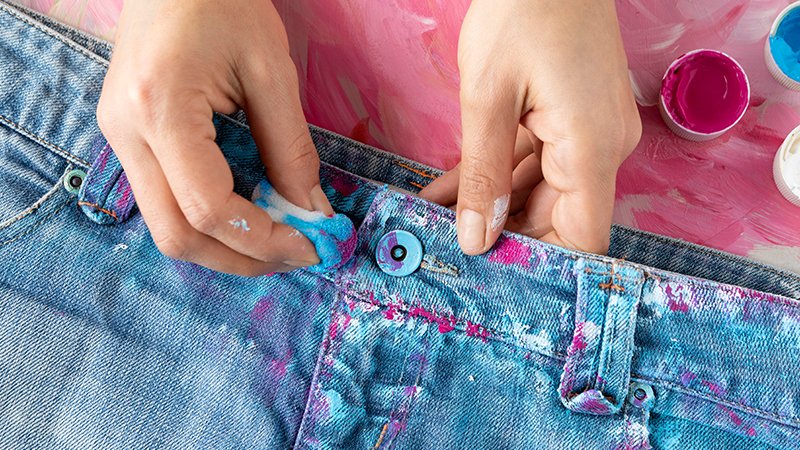
Fabric is perhaps the most difficult surface for acrylic removal because the paint seeps into the fibers. While some brands are specifically designed to be “washable” (making them perfect for kids), regular artist-grade paints require more effort.
The Wet Method
If the paint is wet, soak the garment in hot water and detergent for one to two hours. This loosens the paint from the fibers, after which you can rub the spot and put it through a standard washing machine cycle.
The Dry Method (Rubbing Alcohol)
Once the paint has fully cured, you need a stronger solution. A 50/50 mix of rubbing alcohol and lukewarm water is effective.
Dab the spot with the solution, rub in circular motions to soften the paint, and then scrub with an old toothbrush. Finally, wash the item in the machine using cold water to ensure the stain doesn’t set further.
Alternative Cleaners
- White Vinegar: This is milder than alcohol and won’t damage the fabric. You can soak the area in vinegar for 15 minutes before scrubbing. Some artists also use a mixture of vinegar, ammonia, and salt for better results.
- Murphy Oil Soap: Although originally intended for wood and metal, this soap is surprisingly effective at lifting acrylic from clothing.
- A Warning on Hairspray: While some suggest using hairspray, many find that it actually makes the paint stickier and harder to remove; therefore, it is best avoided.
Cleaning Acrylic Paint from Artistic Surfaces
Canvas
If you make a mistake on a canvas, you can remove the paint, but you must be careful not to ruin the rest of your work.
- Rubbing Alcohol (60% or higher): Soak a cloth in alcohol and place it over the unwanted paint for 30 minutes. This will soften even thick layers, which can then be wiped away in circular motions.
- Refurbishing: If paint gets trapped in the grooves of the canvas, you might not be able to get it all out. In this case, simply paint over the area with gesso to create a fresh surface.
- Avoid Acetone: Do not use acetone on canvas, as it can strip the paint all the way down to the fibers and destroy the gesso layer.
Home Surfaces: Walls, Glass, and Wood
Walls
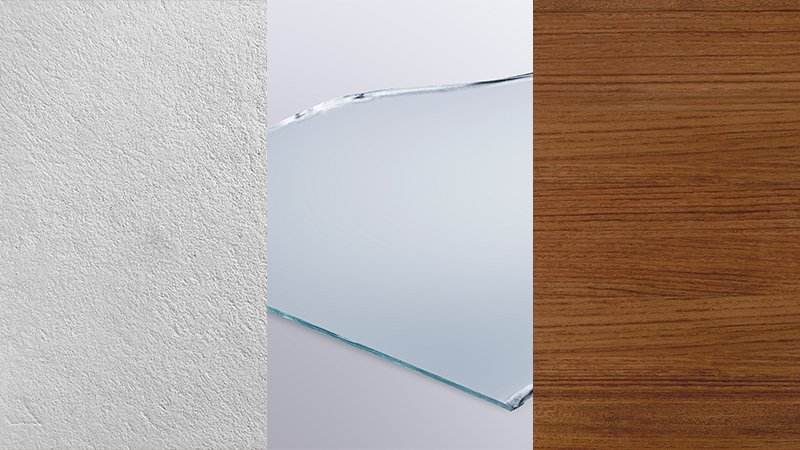
If you splash paint on a wall, act immediately with a cotton bud dipped in warm water. If the paint has dried, a 50/50 mix of water and rubbing alcohol can be used to dab the area. Be aware that this might remove some of the wall’s original paint, so a small touch-up might be necessary afterward.
Glass
Because glass is non-porous, it is one of the easiest surfaces to clean. Simply soak the area with warm soapy water to soften the paint, then use a glass scraper to peel it off. For stubborn spots, adding rubbing alcohol to the water will help.
Wood
The method for wood depends on whether the surface is finished or unfinished.
- Unfinished Wood: Generally easier to clean. Use warm soapy water and a wood scraper for small spills.
- Finished/Porous Wood: If the wood is varnished, avoid rubbing alcohol if possible, as it can strip the varnish and damage the furniture. For large outdoor wooden structures like fences, a heat gun can be used to soften the paint before scraping it away.
Hard and Industrial Surfaces
Plastic and Metal
Both plastic and metal respond well to rubbing alcohol. Since metal is tough and non-porous, you can often just rub the paint off with an alcohol-soaked cloth without having to wait for it to soften. However, avoid using acetone on metal as it can cause damage.
Concrete
Removing paint from concrete is difficult because the surface is very porous, allowing the paint to soak deep into the material.
- Chemical Methods: You can use rubbing alcohol or liquid sandpaper mixed with water. This requires vigorous scrubbing with a sponge.
- The Professional Choice: The most effective way to clean concrete is sandblasting. It penetrates deeper than any chemical method, though it usually requires hiring a professional.
Frequently Asked Questions
Does rain wash acrylic paint off?
While the paint is wet, rain will certainly wash it away. Even after it dries, acrylic is not fully waterproof; constant exposure to the elements will eventually cause the paint to peel off. For this reason, it is generally not recommended for outdoor use on surfaces like concrete.
Does it wash off leather?
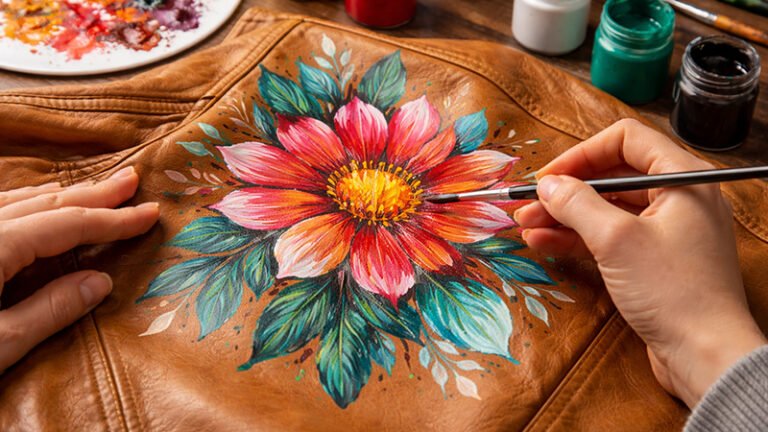
For accidental spills on leather, immediately wipe away the excess with a dry cloth and clean the rest with soapy water. If you are intentionally painting leather, you should always use a specialized acrylic leather paint.
Pro Tips for Success
- Act Fast: The single most important factor is speed. Removing wet paint is significantly easier than removing cured paint.
- Check Labels: Always check the garment care label before applying cleaners like vinegar or alcohol.
- Temperature Matters: Use cool water in the washing machine for paint stains. Hot water can sometimes cause the stain to set permanently into the fabric.
- Gentle Testing: If you are cleaning a valuable surface, always perform a trial run on a small, inconspicuous area first.
Since acrylic paint is water-based, it is inherently more “washable” than many other mediums, provided you have the right tools for the job.
Whether you are using a simple soap-and-water solution for your skin or a heat gun for your wooden deck, almost any acrylic mishap can be managed with a little patience and the correct technique.