Selecting the ideal paint medium is a pivotal decision for any artist, often shaped by personal preference and desired outcomes.
This guide explores the fundamental differences between oil and acrylic paints, helping you determine which aligns with your creative vision.
Acrylics are celebrated for being water-based, safe, and fast-drying, making them an accessible entry point for beginners. In contrast, oil paints offer a rich, creamy consistency and an extended drying time that allows for unparalleled blending and texture.
While oils provide legendary durability, they often require toxic solvents for cleanup. Understanding these unique properties is essential to mastering your chosen medium and elevating your artistic journey.
Foundation: Defining the Mediums
Before selecting a kit, you must understand the “DNA” of the paint. The primary difference lies in the binder—the substance that holds the pigment together and adheres it to the surface.
What is Oil Paint?
Oil paint is a slow-drying medium consisting of color pigments suspended in a drying oil, typically linseed or safflower oil. This traditional medium is revered for its “buttery” and “creamy” consistency, allowing for unparalleled depth and texture.
Because it is oil-based, it does not evaporate; rather, it cures through oxidation. This unique chemical process allows the paint to remain workable for days or even weeks, making it the gold standard for artists who prioritize blending, glazing, and intricate detail.
What is Acrylic Paint?
Acrylic paint is a modern, water-based medium where pigments are suspended in an acrylic polymer emulsion. Since its rise in the mid-20th century, it has become the most popular choice for beginners and hobbyists due to its safety, speed, and versatility.
Unlike oils, acrylics dry through evaporation. Once the water leaves the paint, the polymer resins fuse into a flexible, water-resistant plastic film.
This rapid drying time—often just minutes—allows for a high-velocity workflow but requires a different set of tactical skills than oils.
The Head-to-Head Performance Comparison

To choose the right medium, we must analyze how they perform across key creative pillars.
Drying Time: The Waiting Game vs. The Sprint
Drying time is the single most significant factor in your daily painting experience.
- Oils (The Waiting Game): Oil paint can take several days to become “touch dry” and up to six months to cure completely before a final varnish or sealant can be applied. This allows you to walk away from a canvas and return the next day to find the paint still wet and malleable.
- Acrylics (The Sprint): Acrylics dry almost instantly. While this prevents accidental smudging and allows for rapid layering, it makes soft blending difficult unless you use specialized “slow-dry” additives or keep a spray bottle of water nearby to re-wet the palette.
Blending and Color Quality
- Color Shift: A common challenge with acrylics is that they tend to dry darker than they appear when wet. Oils, conversely, maintain their color value from wet to dry, providing a more predictable experience for portraiture and realism.
- The “Glide” Factor: Oils are superior for blending because they contain fewer binding agents and an oily base that allows the brush to “glide” across the canvas. Acrylics can feel “draggy” if they begin to dry mid-stroke, though high-quality brands like Winsor & Newton offer “buttery” textures to combat this.
Safety and Environmental Impact
- Toxicity: Traditional oil painting often requires solvents and thinners like turpentine to clean brushes and thin the paint. These chemicals can be toxic and emit harmful fumes, often requiring a well-ventilated studio, gloves, or masks.
- Ease of Use: Acrylics are water-based and non-toxic, making them the safer choice for children, schools, and home studios without professional ventilation. Cleanup requires nothing more than simple soap and water.
Practical Considerations: Longevity and Cost

Durability and Lightfastness
Both mediums generally use the same high-quality pigments, meaning they share similar lightfastness ratings (how well they resist fading when exposed to light). However, their long-term durability differs:
- Oils: boast a proven track record of centuries. When applied correctly—following the “fat over lean” rule (adding more oil to top layers to prevent cracking)—oils offer extreme longevity.
- Acrylics: While durable, they are more sensitive to environmental moisture and temperature fluctuations if not properly sealed with a fixative or varnish.
Investment Strategy (Cost Analysis)
For the budget-conscious artist, acrylics offer a lower entry cost. Because you only need the paint, brushes, and water, the initial investment is minimal.
Oils involve a higher “startup” cost due to the need for:
- Primed Canvases: Oils can rot unprimed natural fibers, so a Gesso primer is essential.
- Specialized Brushes: Oil brushes must be more durable to withstand chemicals.
- Mediums and Solvents: Linseed oil, stand oil, and odorless mineral spirits add to the bill.
Strategic Product Recommendations
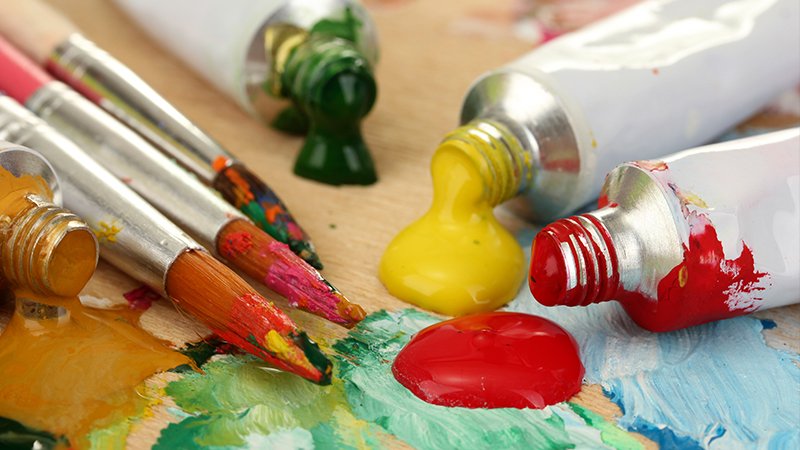
Based on market performance and user feedback, these sets represent the top-tier options for entering either medium.
Best Oil Paint Set: ROSEART Premium Oil Paint Set
For those ready to embrace the tradition of oils, this set is a high-value entry point.
- Key Features: 24 vibrant colors with maximum pigment strength for intense payoff.
- Pros: Suitable for all levels; provides the classic smooth, creamy consistency required for professional blending.
- Best For: Artists focusing on texture, depth, and long-term masterpieces.
Best Acrylic Paint Set: WINSOR & NEWTON Galeria Acrylics
If speed and safety are your priorities, this professional-grade starter set is the industry standard.
- Key Features: A “buttery” texture that mimics the feel of oil paint while maintaining a 10–20 minute drying time.
- Pros: High pigment levels and excellent coverage; dries to a professional satin finish.
- Best For: Beginners, craft projects, and artists who prefer a fast-paced, layering-based workflow.
Expert Tips for Success
Mastering Acrylics:
- The Spray Bottle Hack: Keep a fine-mist spray bottle to spritz your palette and canvas; this keeps the “open time” of your paint longer for better blending.
- Step-by-Step Approach: Because they dry fast, work on one small section of your painting at a time rather than trying to blend across the entire canvas at once.
- Seal Your Work: Always apply an acrylic-specific varnish (available in matte or gloss) to protect the plastic film from dust and moisture.
Mastering Oils:
- Fat Over Lean: This is the golden rule of oil painting. Start with “lean” layers (more solvent/thinner) and progress to “fat” layers (more oil medium). This ensures the top layers don’t dry faster than the bottom, preventing cracks.
- Brush Preservation: Never let oil paint dry on your brushes. If you’re painting for multiple days, you can leave your brushes in a bit of oil medium overnight to keep them soft.
- Patience is a Virtue: Wait at least six months before applying a final varnish. If you seal an oil painting too early, the paint underneath cannot “breathe” or oxidize, leading to a sticky, ruined surface.
Enhanced FAQ: Addressing Common Pain Points
Can I use both together?
Yes, but only in one direction: Oil over Acrylic. Because “oil resists water,” you can use acrylics for a fast underpainting and then finish with oils for texture and glow. Never paint acrylic over oil, as it will peel off once dry.
Is oil paint better for beginners?
Generally, acrylics are recommended for beginners due to their low mess, safety, and quick results. However, if your goal is to learn traditional portraiture or “Old Master” techniques, starting with oils—while more expensive—will teach you better blending habits from day one.
How do I clean my tools effectively?
- For Acrylics: Use warm, soapy water immediately after use.
- For Oils: First, loosen the paint with a bit of linseed oil or a solvent, wipe with a paper towel, and then wash with a specialized artist soap to condition the bristles.
Conclusion: The Final Verdict
Ultimately, choosing between oil and acrylic depends on your artistic style and practical needs. Acrylics offer a user-friendly entry point for beginners due to their quick drying time and simple cleanup with soapy water.
They are a safe, water-based option that allows for rapid layering and experimentation. In contrast, oil paints provide a creamy consistency ideal for artists who value blending, fine detail, and rich textures.
While oils require a longer commitment—taking up to six months to dry completely—and often involve toxic solvents, they offer unmatched durability and depth.
Both mediums facilitate significant artistic growth; acrylics help you explore your unique style, while oils allow you to master complex blending and tonal depth.