Expressing your inner world through the medium of painting can be a rewarding and fun process. For many aspiring artists, the initial barrier to entry is not a lack of vision but a lack of technical orientation regarding their tools.
Acrylic paints serve as a relatively affordable, forgiving, and versatile medium, making them a fantastic option for first-time painters who may be intimidated by the complexities of traditional oil paints.
With the right strategic approach and foundational knowledge, you can successfully master the brush and bring your imagination to life.
The Strategic Advantage: Why Choose Acrylics?
Acrylic paints have several benefits that make them a perfect introductory medium for those taking their first steps toward painting mastery. Understanding these advantages allows an artist to leverage the medium’s unique properties for maximum creative output.
Rapid Drying Time and Efficiency
The fast-drying nature of acrylic paints is the most significant departure from oil-based media. While oil paints may remain wet for days, the average drying time for acrylic paints is approximately 20 to 30 minutes. This efficiency means you can easily paint over previous layers without the frustration of long wait times.
However, this quick action requires strategic management; if the paint dries too fast for your blending needs, you can use a spray bottle to mist your canvas with water or incorporate a professional product called an extender to slow the drying process.
Performance Versatility
Acrylics are remarkably adaptable, functioning as a “hybrid” medium. By watering down the paint, you can effectively mimic the look and feel of watercolor painting.
Conversely, by using thicker applications, you can achieve textures and depth similar to oil paints. As you progress, you can further modify consistency, shine, and texture by adding specialized pastes and gels.
Water Solubility and Clean-up
When wet, acrylic paints are water-soluble, making the post-session cleanup of brushes, palettes, and workspaces remarkably easy. Interestingly, once dry, the acrylic polymer becomes water-resistant, ensuring the durability of your finished work.
Surface Adaptability
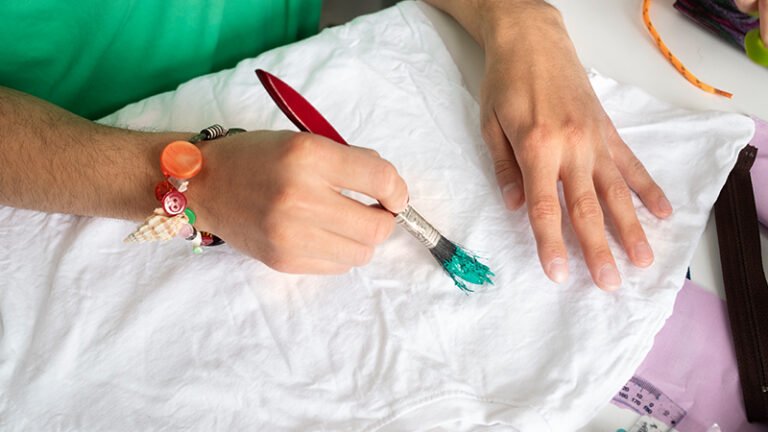
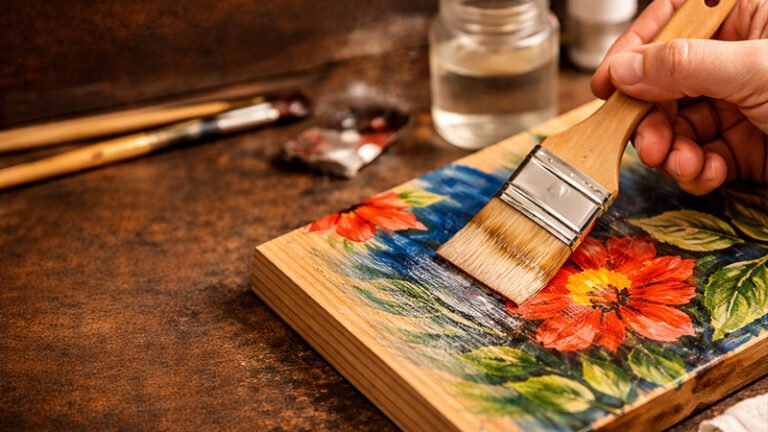
While a stretched canvas is the standard, the versatility of acrylics allows you to paint on almost any surface imaginable, including paper, wood, stones, tiles, fabric, and walls. This adaptability provides endless opportunities for creative experimentation beyond the traditional frame.
Navigating the Market: Choosing the Right Paint Grade
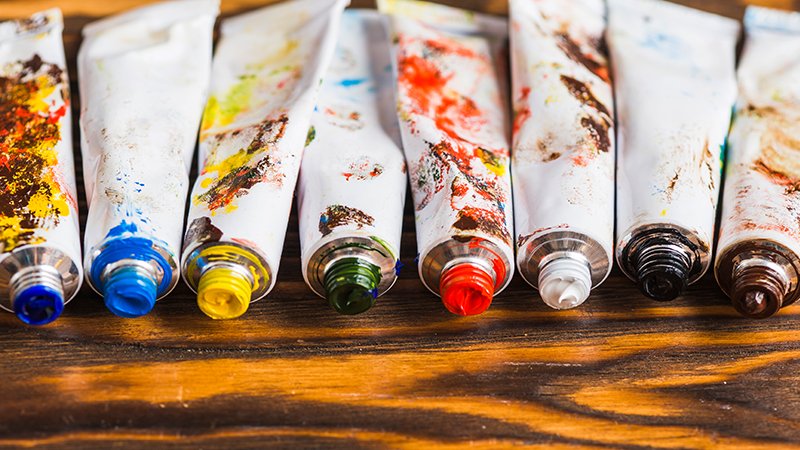
Selecting the right paint involves balancing your budget with the desired quality of the finished piece. There are three primary tiers of acrylic paint available on the market today.
Craft Paints: The Budget Entry Point
Craft paints are the most affordable option and are best suited for DIY projects on surfaces like plastic or papier-mâché. While they offer a smooth and creamy consistency, they are generally not recommended for fine art. Their low pigmentation can lead to “muddy” colors during blending, making it harder for a beginner to learn effective color theory.
Student Grade: The Ideal Middle Ground
Student-grade acrylic paints are perfect for beginners. They are produced by the same reputable manufacturers as professional lines but use a higher ratio of fillers to pigment to keep costs low.
They share color names with professional paints, allowing you to familiarize yourself with the palette before upgrading. They offer a much higher level of vibrancy than craft paints, allowing for successful mixing and blending.
Artist or Professional Grade: The Premium Choice
Artist-grade paints represent the “cream of the crop”. Their price varies depending on the rarity of the pigments used, ensuring you receive a high pigment load for maximum vibrancy. These paints are available in various viscosities:
- Heavy Body: A thick, buttery consistency (similar to oil paint) ideal for creating texture with a palette knife.
- Soft Body: A creamy consistency that hides brush marks and offers excellent opacity.
- High Flow: A thin, ink-like consistency perfect for airbrushing, drips, or staining techniques.
Expert Recommendations for Beginners
For those starting their journey, two sets stand out for their value and performance:
- LIQUITEX BASICS: This set offers 48 different colors, providing a wide range of pigmentations for those who haven’t yet mastered color mixing. It features a thick, smooth consistency and bold pigmentation.
- WINSOR & NEWTON Galeria: A budget-friendly option with a thick, buttery consistency. While the set contains fewer colors, the 60ml tubes provide more paint for your money.
The Essential Toolkit: Beyond the Paint
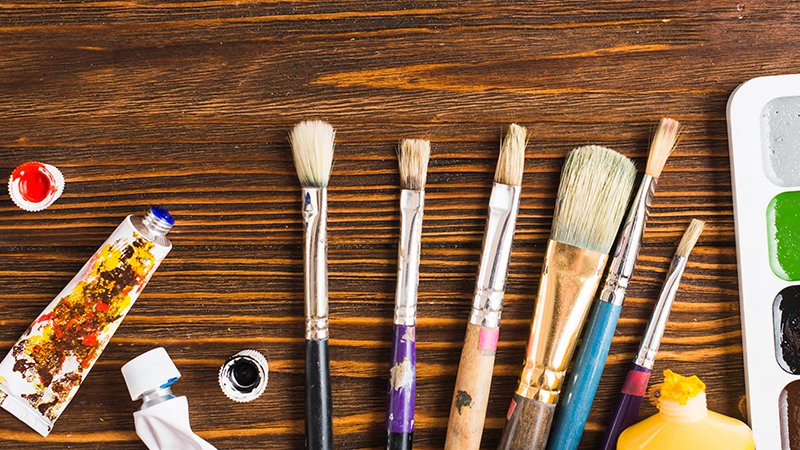
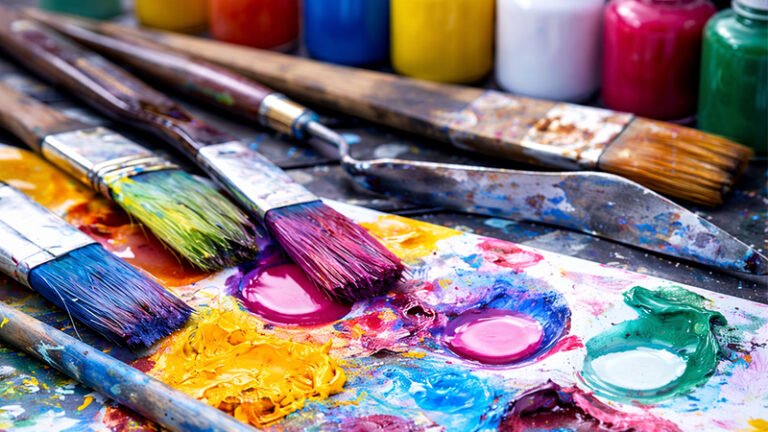
You do not need an entire art store’s worth of equipment to begin. Focus on a few high-quality, versatile tools to build your foundation.
Selecting the Right Brushes
For acrylics, synthetic brushes are generally the preferred choice. A versatile starter kit should include:
- Liner and Round brushes for fine details.
- Wash and Flat brushes for covering large areas.
- Fan and Angled brushes for specific textures and strokes.
- A Palette Knife for mixing colors without ruining your brushes.
Professional Brush Maintenance
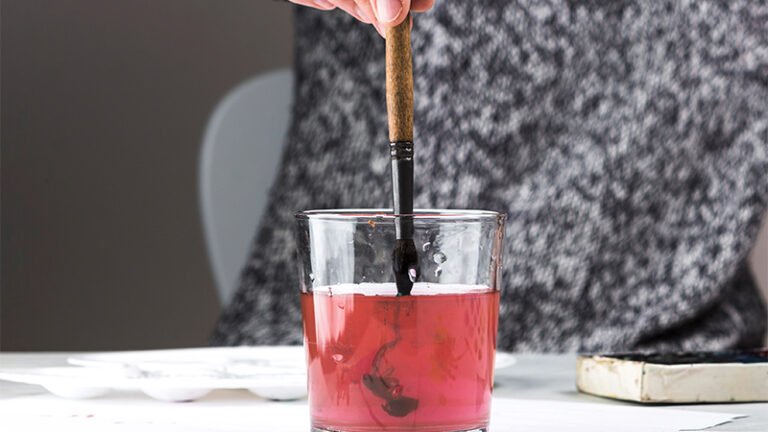
To protect your investment, you must clean your brushes immediately after use, as dried acrylic paint is nearly impossible to remove. Wash them with mild soap and water, dry them flat to prevent water from damaging the glue in the ferrule, and store them upright once dry.
Support and Palettes
- Canvases: Stretched canvases are traditional, but canvas boards are a more affordable alternative for practice.
- Palettes: A quality wooden or plastic palette is essential for holding and mixing your colors.
Step-by-Step: Your First Acrylic Masterpiece
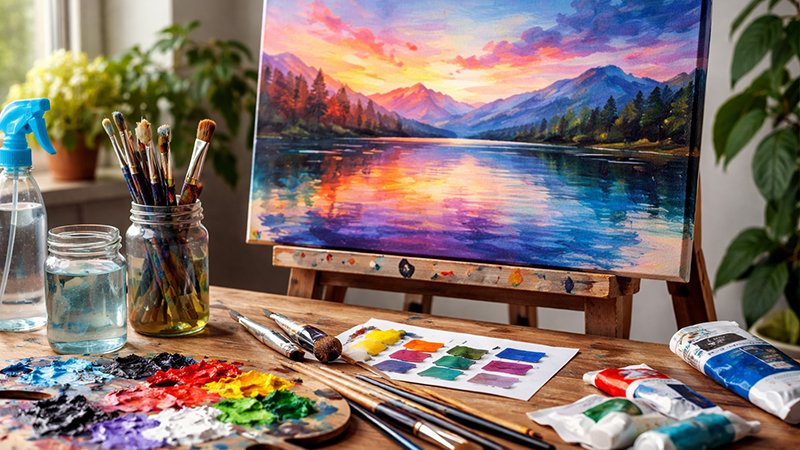
Once your workspace is organized, the transition from imagination to canvas follows a logical, strategic flow.
1: Workspace Setup
Prop your canvas up on an easel or a similar support to maintain a better perspective. Prepare two jars of water: one for cleaning brushes and one for diluting paint. Keep a spray bottle nearby to periodically mist your work and extend the drying time.
2: Color Mixing and Theory
Begin by mixing your colors on the palette using a palette knife rather than a brush to avoid wasting paint. If you are new to art, utilizing a color chart can help you understand how to derive secondary and tertiary shades from primary colors.
3: Experimentation and Swatches
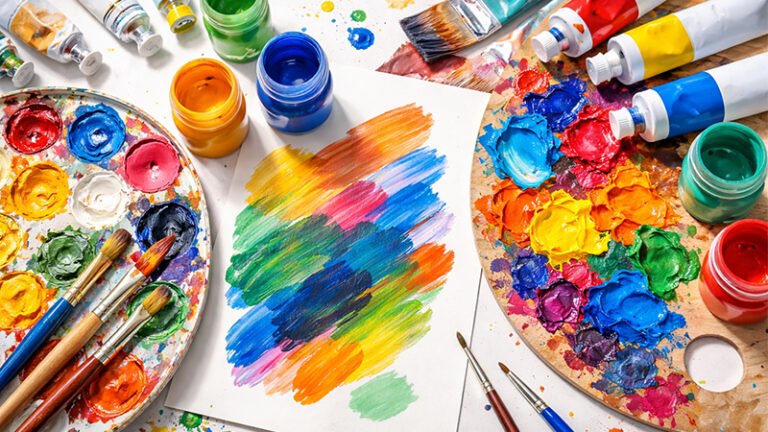
Before touching the canvas, practice on paper. Create swatches of each color to determine their opacity and drying speed. This stage is crucial for mastering different brush strokes and gauging how the paint feels.
4: Strategic Execution
When you are ready to paint the canvas, follow these three “Golden Rules”:
- Plan Your Design: Sketch your composition lightly with a pencil or reference a photograph.
- Work Light to Dark: It is much easier to add darker tones over light ones than the reverse. Start with mid-tones and highlights before adding deep shadows.
- Work Big to Small: Lay down the large shapes and background elements first. Reserve intricate details for the final stages of the process.
5: Finishing and Preservation
Once complete, you can apply an acrylic-appropriate varnish. This adds a beautiful sheen and protects your work from scratches and environmental damage.
Enhanced FAQ: Expert Insights for Common Hurdles
Q: What colors do I absolutely need to start?
A: At a minimum, you should have white, black, and the three primary colors (red, blue, and yellow). These can be mixed to create almost any other shade.
Q: Should I wet the brush before painting?
A: Yes, it is generally a good idea to wet the brush slightly to make the paint more malleable, but ensure you drip off the excess water so the paint doesn’t become too thin.
Q: Do I need to prime my canvas?
A: Most modern canvases come pre-primed (indicated by a bright white color) and are ready for immediate use. For beginners, pre-primed canvases are highly recommended for simplicity.
Q: Why choose acrylics over oils?
A: While oils stay wet longer for easier blending, acrylics are superior for beginners because they are easier to clean, dry faster for layering, and are more versatile for various techniques like airbrushing or splashing.
Conclusion: Developing Your Creative Habit
Embarking on your artistic journey with acrylic painting is a rewarding and fun way to bring your beautiful and unique imagination to life.
This medium’s immense versatility allows you to mimic watercolor or oil textures while benefiting from a forgiving, fast-drying process that greatly simplifies layering.
By selecting high-quality student-grade paints and essential synthetic brushes, you can build a professional foundation without excessive initial investment.
Maintain a strategic workflow by painting from light to dark and organizing your composition from large shapes to fine details. Frequent and consistent experimentation on paper will help you master the paint’s behavior before you commit your vision to the canvas.
Equipped with these fundamental techniques and specialized tools, you are now ready to master the brush and explore the truly endless creative possibilities of acrylics.