In the global textile market, few materials possess the unique ability to dominate both the high-fashion runway and the heavy-duty industrial sector. Oxford fabric is that rare exception.
Often described as sitting in the “sweet spot” of durability, cost, and flexibility, it has evolved from a 19th-century Scottish weaving experiment into a multi-billion-dollar staple of modern commerce.
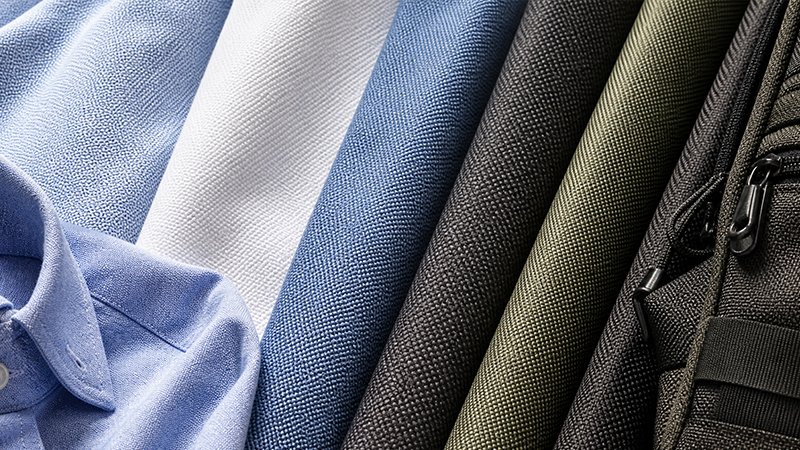
Whether it is the soft, breathable “rumple” of a Ralph Lauren button-down or the rugged, waterproof exterior of a 600D tactical backpack, Oxford fabric defines the architecture of modern apparel and gear.
This comprehensive guide, designed for sourcing professionals, designers, and discerning consumers, explores the technical specifications, historical pedigree, and the 2025 ethical shift that is redefining Oxford fabric for a sustainable future.
The Pedigree: A History of University Innovation
The story of Oxford cloth is one of survival and prestige. In the 19th century, a Scottish mill developed four unique weaving techniques, naming them after the most prestigious universities of the era: Harvard, Yale, Cambridge, and Oxford.
While the first three weaves faded into obscurity, the Oxford weave thrived due to its distinctive texture and resilience.
Its rise to icon status began on the polo fields of England. Players favored the fabric’s strength and breathability during intense matches.
This athletic heritage led to the invention of the button-down collar, originally designed as a practical measure to prevent shirt collars from flapping into players’ faces during a game.
By 1896, Brooks Brothers introduced these models to the United States, where they became the cornerstone of “Ivy Style”—a relaxed yet refined look embraced by East Coast students and later by Hollywood icons like Paul Newman and Steve McQueen.
Technical Anatomy: Understanding the Basket-Weave
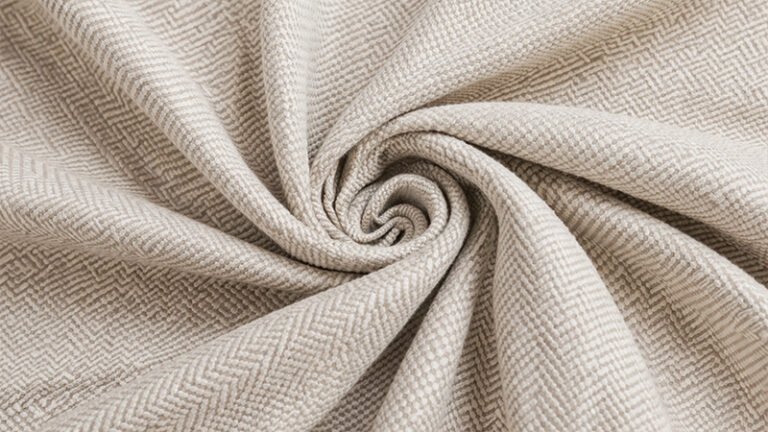
Technically, Oxford is defined by its basket-weave structure. Unlike a simple plain weave, the Oxford construction typically interlaces multiple warp threads with a single, heavier weft thread (or vice-versa), creating a subtle checkerboard or “quadrature” effect.
The Visual and Tactile Signature
- Lustrous Aspect: The weave reflects light in a way that gives it a slightly shimmering, high-end appearance.
- Two-Tone Effect: Traditionally, Oxford cloth is woven with colored warp threads and white weft threads, which accentuates the interlaced texture.
- The “Hand”: It offers a fresh, substantial touch, typically realized with fine-count pure cotton for apparel or high-denier synthetics for gear.
The Apparel Spectrum: From Casual to Formal
Oxford cloth is a foundational textile in menswear, uniquely defined by a basket-weave structure that allows it to transition seamlessly from casual athletic wear to professional business attire.
Historically, the fabric emerged in the 19th century from a Scottish mill that created four weaves named after prestigious universities—Harvard, Yale, Cambridge, and Oxford—with the Oxford weave becoming the sole enduring classic.
Plain Oxford: The Smart-Casual Icon
Plain Oxford is the most recognizable variety, characterized by a visible texture created by interlacing multiple yarns horizontally and vertically.
This construction often uses colored warp threads and white weft threads, resulting in a subtle checkerboard or “quadrature” effect.
- Heritage: The fabric gained fame on the polo fields, where players valued its breathability and strength. This led to the creation of the Oxford Cloth Button-Down (OCBD) shirt, designed with buttoned collars to prevent them from flapping during matches.
- Style: Known as a cornerstone of “Ivy Style,” plain Oxford is celebrated for its durable hand-feel and its signature “perfect rumple,” making it the gold standard for smart-casual dressing, chinos, and denim.
Pinpoint Oxford: The Versatile Middle Ground
Pinpoint Oxford serves as a more refined alternative to the classic plain weave. It is engineered using finer yarn and a tighter weave, which produces a more delicate “pin” or “dot” effect in the texture.
- Performance: While it retains the durability of traditional Oxford, it feels smoother and less rugged.
- Use Case: It is considered a dependable “all-rounder” for daily office wear, providing a neater appearance than plain Oxford while remaining more breathable than heavy twill.
Royal Oxford: The Formal Standard
Royal Oxford represents the pinnacle of the apparel spectrum in terms of elegance and luster. It is technically distinguished by its refined aspect and is often realized with high-count pure cotton yarns for a fresh, silky “touch”.
- Appearance: Unlike the casual associations of other Oxford weaves, Royal Oxford is suited for formal business or “sporty” dress codes where a polished, shimmering finish is required.
- Hierarchy: In strict formal settings, smooth fabrics like poplin are often preferred for their crisp, clean look under a tie; however, Royal Oxford provides a sophisticated texture that remains appropriate for business suits.
Comparative Formality and Texture
In the broader spectrum of shirting fabrics, Oxford is generally positioned as more relaxed than poplin or twill.
- Oxford vs. Poplin: Poplin is a thin, plain weave that offers a sharp, formal finish but wrinkles easily. Oxford is thicker and better at hiding minor creases, though it can look slightly more relaxed even when ironed well.
- Oxford vs. Twill: Twill is known for diagonal ribs and a soft, drapey feel that resists wrinkles better than Oxford, making it a favorite for long office days or travel.
Ultimately, Oxford’s enduring value lies in its versatility; it is equally appropriate layered under unstructured tailoring for a refined look or worn with shorts for a casual weekend aesthetic.
Comparative Performance: Oxford vs. Poplin vs. Twill
| Feature | Oxford | Poplin | Twill |
|---|---|---|---|
| Texture | Textured/Basket-weave | Smooth/Plain weave | Diagonal ribs |
| Breathability | Medium to High | Excellent (Highest) | Medium |
| Wrinkle Resistance | Moderate (hides minor creases) | Low (wrinkles quickly) | High |
| Formality | Smart-Casual | Formal | Business/Travel |
The Industrial Workhorse: Polyester and Nylon Oxford
While cotton Oxford dominates fashion, synthetic Oxford (Polyester or Nylon) is the default material for the global gear industry. In this context, the most critical specification is Denier (D), which measures the thickness and weight of the yarn.
The Denier Hierarchy:
- 150D – 210D: Lightweight and flexible. Ideal for linings, dust covers, and the inner layers of tents.
- 420D: A mid-weight option used for lightweight backpacks and promotional bags.
- 600D (The Industry Standard): Renowned as the “workhorse” of the industry. It offers the optimal balance between high strength, abrasion resistance, and portability.
- 1680D: An ultra-heavyweight “ballistic style” fabric used for premium luggage and high-wear areas in tactical gear.
Polyester vs. Nylon Oxford: Which to Choose?
- Polyester Oxford: Offers superior UV stability and dimensional stability (it won’t stretch as much when wet). It is the preferred choice for outdoor furniture covers and gazebos.
- Nylon Oxford: Provides significantly higher tear strength and abrasion resistance. It is the premium choice for tactical backpacks, motorcycle covers, and technical outdoor gear.
Engineering Functionality: Coatings and Finishes
Oxford fabric’s performance in extreme environments is largely determined by its chemical finish or coating. Raw Oxford is naturally water-resistant due to its tight weave, but true “waterproofing” requires secondary processing.
- PU (Polyurethane) Coating: The most common finish for bags and tents. It remains flexible in cold weather and provides a clean, premium hand-feel while offering high hydrostatic pressure resistance.
- PVC (Polyvinyl Chloride) Coating: A heavy-duty, budget-friendly option. It is extremely water-resistant and tough, making it ideal for industrial truck covers and garden furniture protection.
- TPU Lamination: A modern, high-performance film used for technical gear. It offers better long-term durability and environmental resistance than PU or PVC.
- DWR (Durable Water Repellent): A surface treatment that causes water to “bead” and roll off. It is often used in conjunction with a backer coating for maximum protection.
The 2025 Ethical Revolution: Sustainability as a Mandate
The textile industry has entered an era of accountability. In 2025, global brands are no longer just buying fabric; they are investing in ethical cotton built on digital traceability and regenerative farming.
The Three Pillars of Ethical Oxford Production:
- Environmental Stewardship: Transitioning from conventional cotton (which uses up to 20,000L of water per kg) to ethical cotton, which can reduce water use by 85%.
- Social Equity: Verifying fair wages and safe working conditions through certifications like Fairtrade and SA8000.
- End-to-End Traceability: Utilizing Blockchain and QR code tagging to link every meter of fabric back to the specific farm or mill.
Leading the Shift
Industry leaders are setting new standards for ethical sourcing:
- Patagonia: Fully transitioned to Regenerative Organic Certified (ROC™) cotton, which restores soil health and sequesters more carbon than conventional fields.
- Levi’s: Leveraging the Better Cotton Initiative (BCI) to source 65% of its cotton sustainably while saving over 12 billion liters of water through its Water<Less® program.
- Gucci: Utilizing a Digital ID platform to provide real-time supply chain tracking for its “Circular Lines” collection.
Sourcing Checklist for Professionals
To avoid expensive “trial and error” in procurement, sourcing managers should utilize this 9-point specification checklist:
- End Use: Is it for apparel, a tent floor, or a luggage base?
- Material: Polyester (UV stability) vs. Nylon (Abrasion resistance) vs. Cotton (Breathability).
- Denier Range: Select the weight (e.g., 600D for gear, 210D for linings).
- Density/GSM: Two fabrics with the same Denier can feel different based on weave tightness.
- Finish Requirements: Waterproof (PU/PVC) vs. Water Repellent (DWR).
- Target Tests: Specify hydrostatic pressure, tear strength, and color fastness requirements.
- Handfeel: Does the product require a soft drape or a rigid, structured body?
- Color Method: Piece-dyed vs. Dope-dyed (for extreme UV resistance).
- Compliance: Ensure the fabric meets REACH, GOTS, or OEKO-TEX® standards for the target market.
Preservation: The Professional Care Guide
To ensure Oxford products last for generations, specific care protocols must be followed:
For Oxford Apparel (Shirts):
- Wash with Cold Water: Prevents fabric from stiffening or shrinking.
- Gentle Cycle: Minimizes friction that weakens fibers.
- Iron While Damp: This is the “industry secret” for removing wrinkles easily from heavy basket-weaves.
- Air-Dry: Avoid high-heat dryers, which can distort the weave’s structure.
For Industrial Oxford (Bags/Covers):
- Wipe Clean: Coated fabrics should be cleaned with a damp cloth and mild soap; avoid harsh solvents that can strip the PU/PVC layer.
- Store Dry: To prevent mildew, never store tents or covers while they are damp.
- UV Protection: Store out of direct sunlight when not in use to preserve the chemical coatings.
Enhanced FAQ: Strategic Insights
Q: Is 600D Oxford fabric completely waterproof?
A: Not inherently. It is water-resistant by weave, but its true “waterproof” rating depends on whether it has a PU, PVC, or TPU coating.
Q: Why does Oxford fabric “rumple” differently than other shirts?
A: The basket-weave structure is heavier and more textured than poplin. This creates a “perfect rumple” that is a hallmark of the casual-smart Ivy Style aesthetic.
Q: Is 1680D always better than 600D?
A: Not necessarily. While 1680D is stronger, it is significantly heavier and stiffer. 600D is often preferred for backpacks because it provides ample durability without the excessive weight of higher deniers.
Q: Can Oxford fabric be eco-friendly?
A: Yes. Modern manufacturers now produce 600D Oxford using recycled polyester (rPET) and organic cotton certified by GOTS, significantly reducing the carbon footprint of the material.
Conclusion: The Enduring Value of the Oxford Weave
Oxford fabric remains a textile legend because it balances heritage and high-performance utility. From its 19th-century origins on the polo field to its status as an Ivy Style staple, the fabric’s unique basket-weave structure provides a signature texture that is soft yet exceptionally durable.
While cotton varieties define the “smart-casual” wardrobe, synthetic iterations like the 600D “workhorse” dominate the industrial sector, offering vital protection for outdoor gear and furniture.
As the industry moves toward 2025, the rise of ethical sourcing and digital traceability ensures that Oxford fabric is not just built to last, but crafted with environmental accountability.
Whether you prioritize the “perfect rumple” of a button-down or the resilience of a waterproof canopy, Oxford fabric remains the smart business material for the modern age.