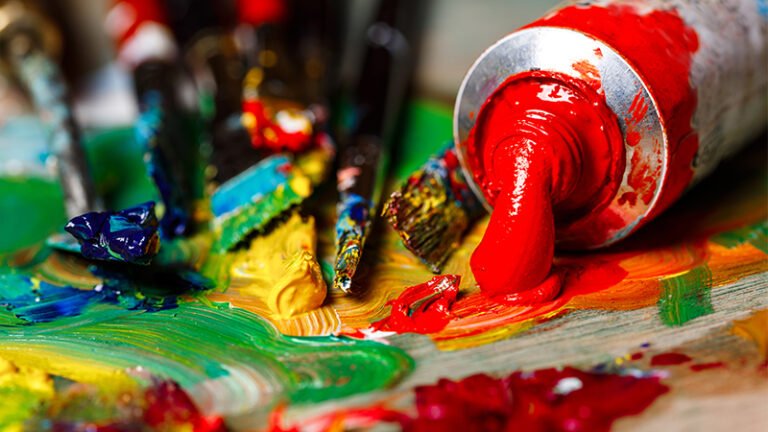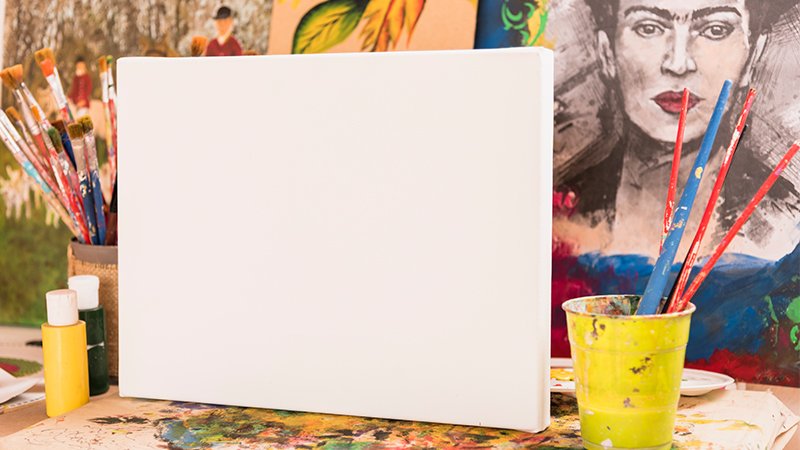
Acrylic paints are renowned for their exceptional versatility, adhering to almost any surface that is neither too oily nor too slick.
The core principle for any artist is the “Rule of Thumb”: if the surface has a mechanical “tooth” and is free of oily residues, it can likely support an acrylic film.
Choosing the correct surface is not merely an aesthetic choice; it is a technical requirement for archival integrity. This guide analyzes the primary substrates—canvas, paper, wood, and non-porous materials—to ensure your artistic investments stand the test of time.
The Science of Surface Selection: Understanding “Tooth” and Adhesion
To achieve professional results, one must understand the physics of how paint interacts with a substrate.
The Concept of “Tooth”
In the professional art world, “tooth” refers to the microscopic or macroscopic texture of a surface. This texture allows the acrylic polymer to mechanically bind to the material.
- Smooth Surfaces (e.g., Glass): These lack tooth, meaning paint can be easily scraped or peeled off if not properly prepared.
- Porous Surfaces (e.g., Raw Wood): These have significant tooth but may absorb too much moisture, leading to rapid drying and potential structural issues.
Support-Induced Discoloration (SID)
A critical “gap” often overlooked by amateur painters is the risk of discoloration. As acrylic paint dries, its water content can draw out impurities, resins, or colorants from the underlying surface.
This is particularly prevalent in lower-quality woods or manufactured boards, where contaminants can yellow the paint over time.
The Gold Standard: Navigating Canvas Options
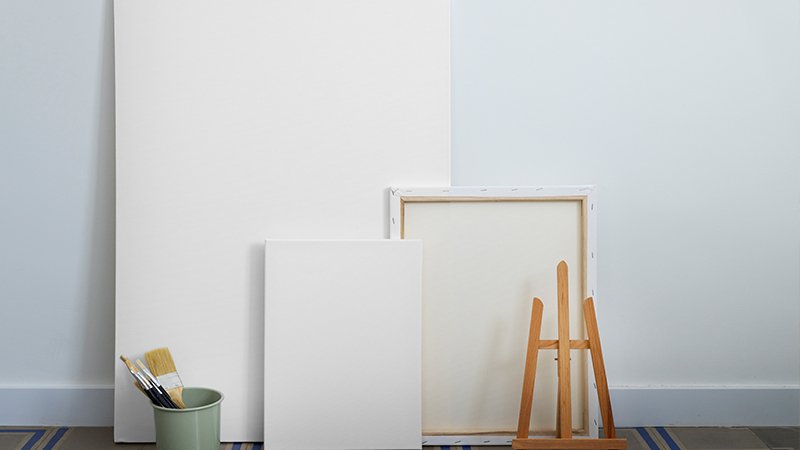
Canvas remains the most ubiquitous surface for acrylics, yet the choice between cotton and linen can drastically alter the trajectory of a professional project.
Cotton Canvas: The Versatile Workhorse
Cotton canvas is the most cost-effective and widely used option, particularly for small to medium-sized works.
- Benefits: It is highly flexible and often comes pre-primed and pre-stretched, making it ideal for rapid production.
- Limitations: For large-scale works, cotton can be problematic. The fabric lacks the rigidity of linen and may “dip” or sag in the center under the weight of heavy paint.
- Expert Insight: For a “gallery-ready” finish on cotton, consider applying extra gesso and wet-sanding with 400-grit sandpaper in a circular motion to achieve a smooth “eggshell” finish.
Linen Canvas: The Professional’s Choice
Linen is superior in strength, durability, and rigidity. It provides a firm surface that will not warp under heavy brush strokes or aggressive pallet knife work.
- Durability: Linen remains in perfect condition for years and is easier to transport than heavy wood panels.
- Surface Drag: Smooth linen surfaces are prized for detailed work as they offer less surface drag, allowing paint to glide further across the substrate.
Paper Substrates: Efficiency and Archival Quality
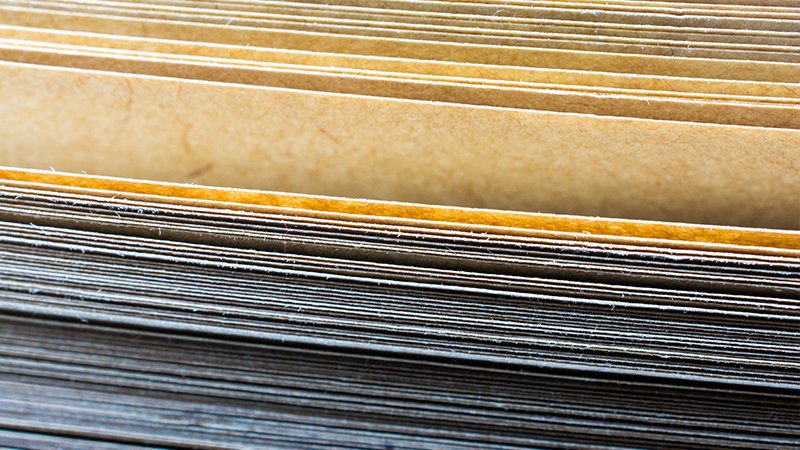
Paper is the most accessible and storage-efficient material for acrylic painters, especially those experimenting with low-viscosity or thinned techniques.
Selecting the Right Weight
To prevent warping, “buckling,” or the paper completely dissolving under moisture, professionals prioritize heavyweight archival paper.
- The 290gsm Standard: It is recommended to use paper weighing 290 grams per square meter (gsm) or higher. Heavier paper is more absorbent and rigid, significantly reducing the risk of the substrate breaking during the painting process.
Specialized Paper Types
- Acrylic Paper: Specifically engineered for the medium, it supports diverse techniques but should still be primed with gesso for long-term preservation.
- Watercolor Paper: A unique alternative that requires no gesso preparation. However, if you are using highly diluted “wash” techniques, the paper should be stretched beforehand to avoid wrinkling.
- Yupo Paper: A synthetic polypropylene surface that is non-absorbent and glossy, offering a unique “experimental” experience where paint sits on the surface rather than soaking in.
Rigid Foundations: Wood and Manufactured Panels
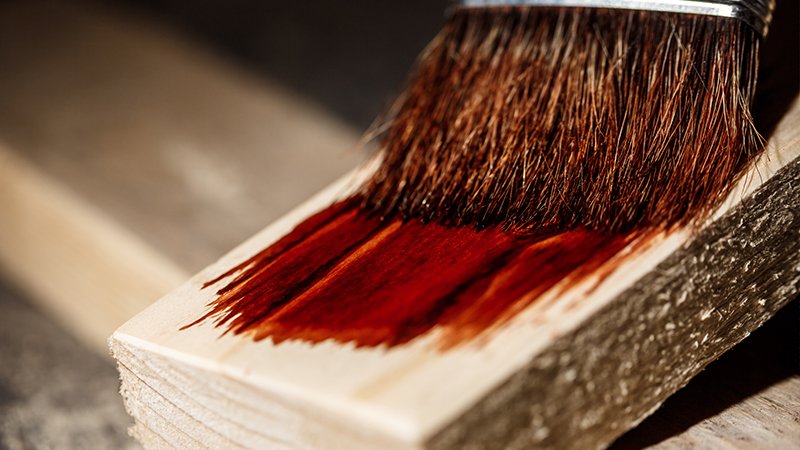
When a project requires thick impasto applications or extreme stability, wood panels are the premier choice.
Hardwoods vs. Softwoods
Professional artists should avoid softwoods, as they are highly prone to warping. Instead, focus on hardwoods such as:
- Mahogany: The gold standard for rot resistance.
- Birch: Ideal for large-scale works because it can be produced in thin, lightweight, yet rigid panels.
- Walnut, Maple, and Oak: Highly durable alternatives that have been used for centuries.
The Hardboard (Masonite) Nuance
Hardboard consists of wood fibers molded under high heat. A critical technical distinction for SEO-focused buyers is Tempered vs. Untempered:
- Tempered Hardboard: Submerged in oil during manufacturing. Avoid this for acrylics, as the oil prevents the paint from adhering.
- Untempered Hardboard: Softer and more absorbent, making it the ideal surface for acrylic adhesion.
Safety Protocol: Working with MDF
Medium-Density Fiberboard (MDF) is a popular, durable, and inexpensive surface. However, the resin binders in MDF often contain carcinogenic formaldehyde.
- Strategist’s Safety Tip: Always wear a respirator when sanding or cutting MDF to prevent toxic dust inhalation.
Engineering Adhesion: Glass, Metal, and Plastic
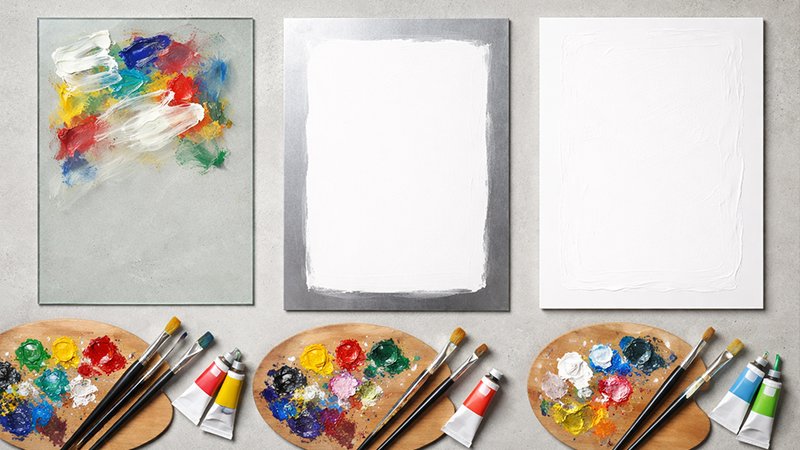
Painting on non-porous surfaces requires a shift from artistic technique to surface engineering.
Preparation for Glass and Metal
Smooth surfaces are inherently resistant to acrylics. To ensure a lasting bond:
- De-greasing: Use rubbing alcohol or spirits to remove every trace of fingerprints or oily residue.
- Mechanical Roughening: For metal, use a wire brush or steel wool to create microscopic scratches (tooth) for the paint to grip.
- Priming: Use a specialized primer compatible with both the substrate and acrylic paint.
Plastic and Recycled Items
Acrylics can revitalize plastic household items, provided you use fine-grit sandpaper to remove the “gloss” before priming.
- Safety Warning: When painting items like mugs or glasses, never apply paint to the rim to avoid the risk of ingestion.
The Gesso Masterclass: Proper Priming Technique
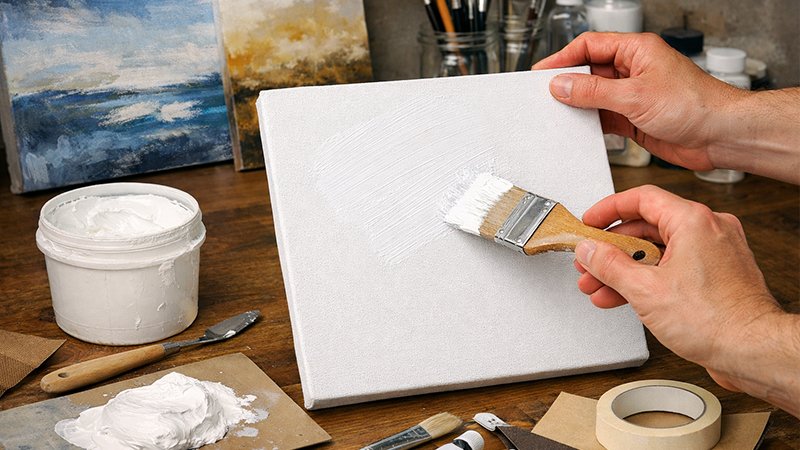
Gesso is the universal bridge between a raw substrate and a vibrant painting. It serves two functions: sealing the surface and providing tooth.
- Application: For raw canvas, apply gesso only after stretching to prevent shrinking issues.
- Coats: Two to five coats are recommended for porous surfaces like wood.
- Curing Time: For professional-grade stability, allow gesso to dry for at least 24 hours before applying the first layer of paint.
- Alternative: Use clear gesso if you wish to maintain the natural aesthetic of the wood or toned paper while still providing a functional “ground”.
Enhanced FAQ: Strategic Troubleshooting
Q: Can I paint on mirrors or glass without a primer?
A: While possible for temporary projects, the paint will lack adhesion and likely peel. For permanent work, a primer is essential.
Q: What is the best alternative if I run out of canvas?
A: Consider heavyweight paper (290gsm+), old furniture (properly sanded), or even interior walls.
Q: How do I prevent wood from rotting under the paint?
A: Proper sealing and priming are vital. Without a seal, the water in acrylics can cause wood to swell, rot, or develop mold.
Conclusion: The Strategy of Longevity
Ultimately, the versatility of acrylic paints allows you to transform almost any non-oily substrate—from traditional canvas and archival paper to rigid wood panels, glass, and metal—into a lasting masterpiece.
By prioritizing surface “tooth” and quality preparation, such as sanding and applying gesso, you ensure proper adhesion and prevent long-term issues like discoloration.
Whether you are a beginner using cotton canvas or a professional exploring the unique textures of linen or birch, the right surface selection is foundational. With proper safety measures and thorough priming, your creative possibilities are truly boundless.