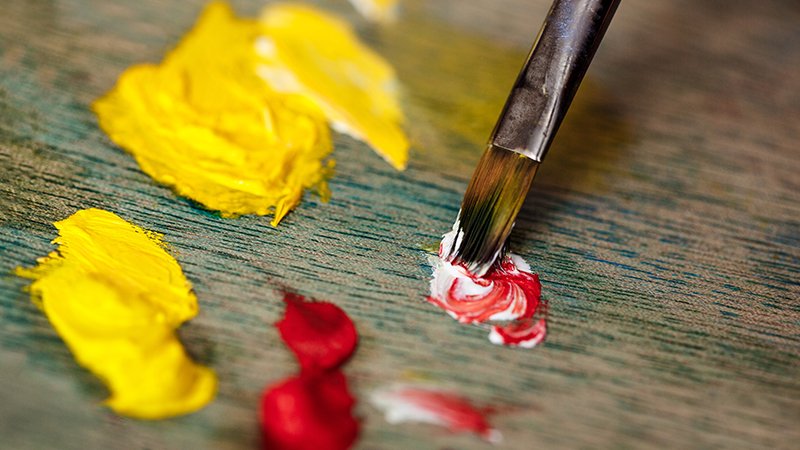
Acrylic paint represents a revolutionary milestone in art history, blending the rich qualities of oils with the practical advantages of watercolors.
Developed in Germany in 1934, this water-based medium consists of a formula involving acrylic resin, water, and pigment particles.
While originally marketed for industrial house painting, it gained traction as a fine art medium in the mid-1950s as artists sought versatile alternatives to traditional oils.
Renowned figures like David Hockney and Roy Lichtenstein were early adopters, showcasing the medium’s potential for vibrant, permanent results.
Today, acrylics are prized for their rapid drying times, lightfastness, and ability to adhere to diverse surfaces, including canvas, wood, and glass. This guide explores the science and techniques required to master this modern, non-toxic, and flexible artistic staple.
I. Defining the Modern Medium: A Brief History
Acrylic paint represents a revolutionary bridge between the thick, slow-drying nature of oils and the translucent, water-based flexibility of watercolors.
Developed in Germany in 1934, the original formula consisted of a stable emulsion of water, acrylic resin, and pigment particles.
While it was initially marketed for industrial use as house paint, the 1950s saw a pivotal shift. Pioneers of the Pop Art movement and modern abstraction, such as David Hockney and Roy Lichtenstein, began experimenting with the medium’s rapid drying times and flat, vibrant color fields.
Today, the medium is championed by contemporary figures like Katherine Bernhardt and Lubaina Himid, solidifying its place in high-art galleries and commercial studios worldwide.
The Chemistry of Color: Ingredients and Composition
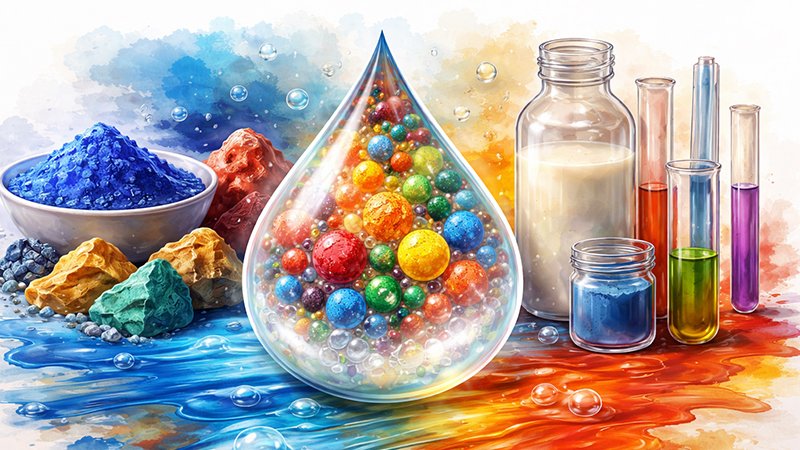
To master acrylics, one must understand their molecular foundation. Unlike complex oil formulations, acrylic paint is a high-performance polymer emulsion composed of three fundamental ingredients.
1. Acrylic Pigment
The pigment is the soul of the paint, providing the actual color. These are tiny granules ground into microscopic particles that remain suspended in the emulsion without dissolving. Pigments can be categorized into four types:
- Natural vs. Synthetic: Sourced from minerals/earths or created in labs.
- Organic vs. Inorganic: Carbon-based or mineral-based chemical structures.
2. Acrylic Binder
The binder is an acrylic polymer that serves two critical functions: it holds the pigment in place upon drying and forms a protective, clear film once the water evaporates.
3. Acrylic Vehicle
Water acts as the vehicle, transporting the binder and pigment to the surface. When the water is present, the mixture remains a liquid emulsion; as it leaves, the polymer particles fuse into a permanent structure.
The Lifecycle of a Stroke: The Science of Drying
Acrylics are prized for their “quick-set” nature, but the drying process is a sophisticated chemical transition occurring in four distinct stages:
- Stage 1: Application. The paint leaves the tube as a perfect balance of pigment, polymer, and water. The water maintains liquidity, preventing the polymer particles from hardening prematurely.
- Stage 2: Evaporation. As the paint is exposed to air, the water begins to leave the emulsion. This triggers a chemical reaction where the pigment particles, suspended in the polymer, begin to fuse.
- Stage 3: The Hexagonal Set. In the final stage of drying, the pigment becomes trapped in a stable, hexagonal structure composed of clear polymer particles.
- Stage 4: Permanent Film. The result is a water-resistant, flexible film that is vibrant and highly durable.
Strategic Selection: Pros, Cons, and Market Perception
From a strategic standpoint, choosing acrylics involves weighing their rapid workflow against the technical challenges of the medium.
The Advantages (Pros)
- Efficiency: Thin layers dry in as little as ten minutes, allowing for rapid layering without the weeks of waiting required by oils.
- Flexibility: The chemical structure allows the paint to expand and contract with temperature changes, preventing the cracking or flaking common in older mediums.
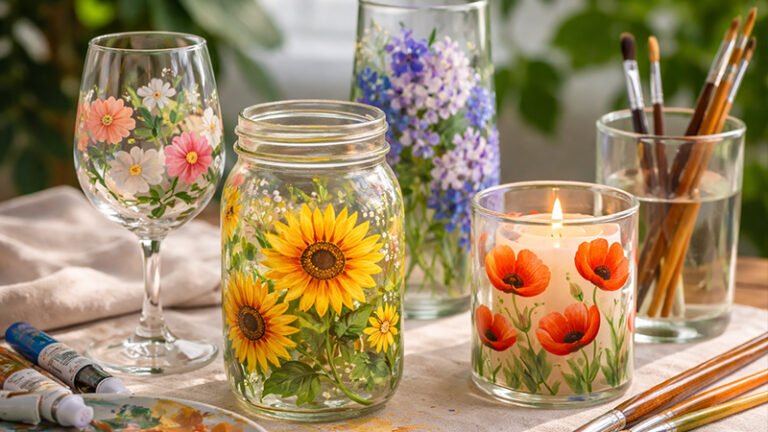
- Substrate Versatility: Acrylics can be applied to almost any oil-free and wax-free surface, including canvas, paper, metal, glass, plastic, stone, and even leather.
- Safety and Maintenance: Being water-soluble, they require no toxic solvents like turpentine. Cleanup only requires soap and water.
The Challenges (Cons)
- Workflow Pressure: The fast drying time necessitates a high-speed painting style.
- The “Color Shift”: Acrylic pigments typically darken as they dry, requiring artists to anticipate the final value during the mixing phase.
- Perceived Value: Historically, some galleries and collectors viewed acrylics as “less worthy” than oils, though this stigma is rapidly fading in the modern market.
Categorizing Consistencies: Types of Acrylic Paint
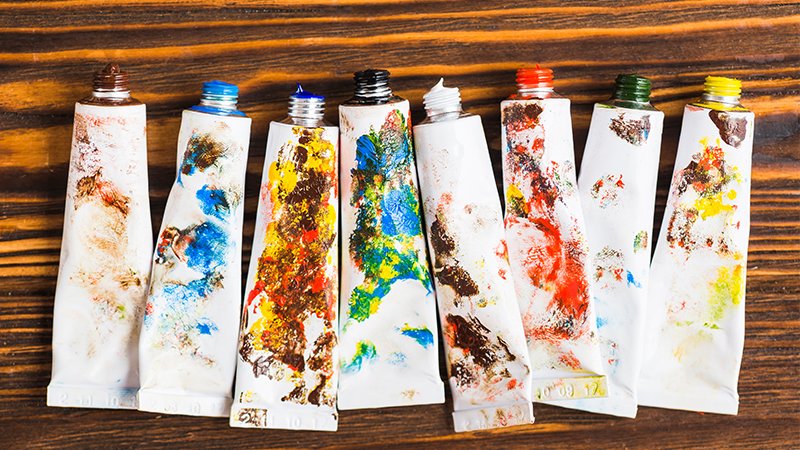
The consistency, or “body,” of the paint is determined by the specific acrylic binders used, rather than the quality of the pigment.
| Type | Consistency | Best Use Case |
|---|---|---|
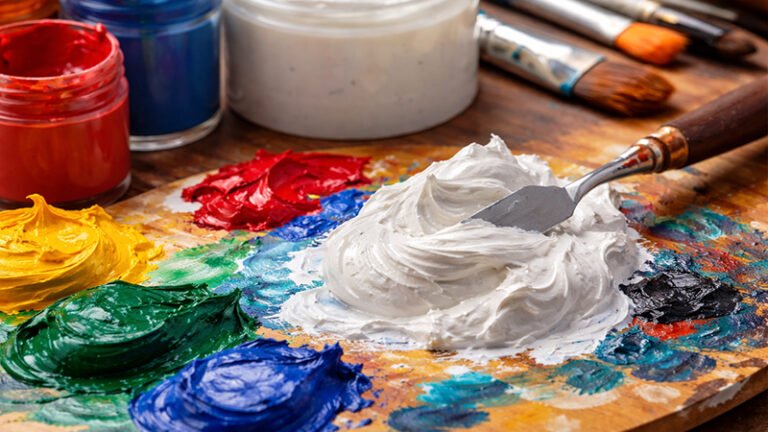
| Heavy Body | Thick, buttery (like soft butter) | Impasto techniques; retains brush and knife marks. |
| Soft Body | Smooth, creamy (like yogurt) | Blending with mediums; smooth applications. |
| Fluid Paints | Liquid (like double cream) | Detail work, glazing, staining, or airbrushing. |
| Acrylic Ink | Ultra-fluid (like water) | High-gloss finishes; used with pens or airbrushes. |
| Open Paints | Slow-drying | Blending and wet-on-wet techniques similar to oils. |
| Acrylic Gouache | Flat, matte | High-gloss finishes are used with pens or airbrushes. |
Understanding Quality: Professional vs. Student Grades
For an artist, the choice of grade is a balance between budget and performance.
- Professional/Artist Grade: These contain the highest pigment-to-binder ratio. They offer superior lightfastness (resistance to fading) and distinct characteristics for each color in terms of opacity and texture.
- Student Grade: These utilize fillers to add bulk and extend the pigment, making them more affordable. However, they may appear more transparent or “chalky” compared to professional alternatives.
Note: All grades of acrylic can be mixed, allowing beginners to start with student sets and slowly incorporate professional-grade tubes for key colors.
The Artist’s Arsenal: Essential Tools for Success
To begin a professional-standard project, the following kit is required:
- Synthetic Brushes: Unlike natural hair, synthetic bristles are more resilient to the caustic nature of acrylic binders and maintain their shape better.
- Water & Palette: A cup for rinsing and a flat surface (palette or plate) for mixing.
- Palette Knife: Essential for mixing colors to avoid clogging brush bristles and damaging the ferrules.
- Retarding Medium: A critical additive for those who find the drying time too aggressive; it extends the “open” time for blending.
The Strategic Starter Palette
Beginners should focus on a 10-color foundation to maximize mixing potential without high cost:
- Primaries: Cadmium Red, Phthalo Blue, Cadmium Yellow.
- Earth Tones: Burnt Sienna, Ivory Black.
- Adjusters: Titanium White (for highlights/tints), Alizarin Crimson, Cadmium Orange, Dioxazine Purple, Phthalo Green.
DIY Formulations: Crafting Your Own Paint
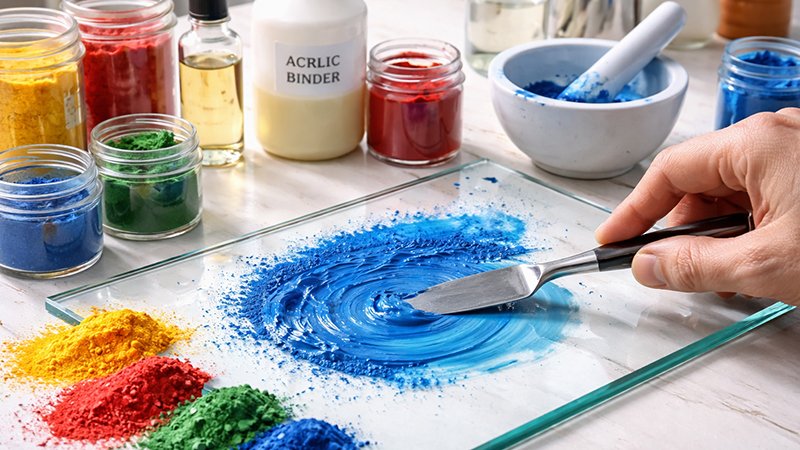
For artists seeking total control over their palette, making acrylic paint from scratch is a straightforward four-step process.
Supplies Needed: Dry pigment, acrylic binder, water or clear alcohol, a steel spatula, and a glass grinding plate.
- The Dispersion: Mix pigment with water or alcohol in a 50/50 ratio on the glass plate.
- The Grind: Use a spatula or mortar and pestle to grind the mixture until it is perfectly smooth and even.
- The Binding: Carefully add the acrylic binder. The amount will dictate whether the final finish is matte or glossy.
- The Storage: Transfer to airtight glass or plastic containers immediately to prevent drying.
(Safety Note: Always wear a mask when handling dry pigments to avoid inhaling fine particles.)
Finishing Touches: Preservation and Varnish
A painting is not complete until it is protected. Varnishing seals the surface and ensures a consistent sheen across the piece.
- Preparation: Ensure the painting is bone-dry and dust-free. You can wipe it with a damp cloth before application.
- Application: Use a dedicated varnishing brush to apply thin, even layers.
- Drying: While the varnish is tacky, prop the painting against a wall facing inwards to prevent dust from settling on the wet surface.
Enhanced FAQ: Expert Insights
Q: Can I use acrylics on fabric or leather?
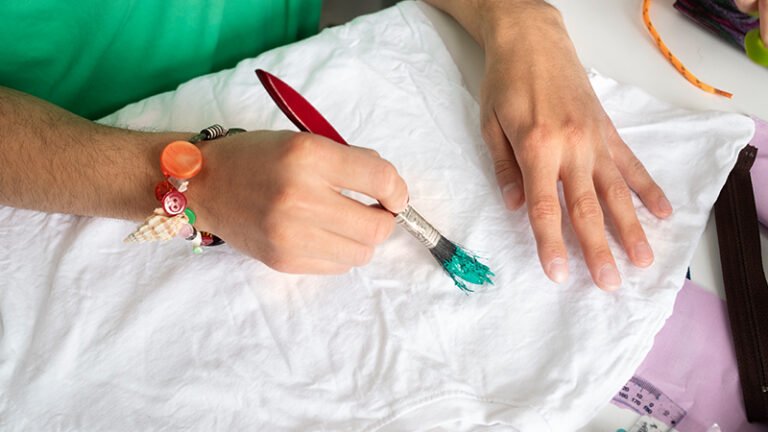
A: Yes. Acrylics are highly adhesive. Ensure the surface is free of oils and waxes before application for maximum permanence.
Q: Why do my colors look different after they dry?
A: This is the “color shift.” The acrylic binder is milky when wet but clears as it dries, causing the pigment to appear darker.
Q: Is it possible to re-wet acrylic paint?
A: Standard acrylics are permanent once dry. However, Interactive Acrylics are a unique type that can be “unlocked” and re-wetted even after they have set.
Q: Are acrylics safe for home use?
A: Generally, yes. They are non-toxic, non-flammable, and low-odor, making them safe for children and pets.
Conclusion: Embracing the Versatile Masterpiece
Acrylic paint stands as a definitive testament to modern artistic innovation, offering a unique blend of versatility and durability that suits every creator.
By mastering the science behind its polymer emulsion and experimenting with various consistencies—from Heavy Body to fluid inks—you can unlock a medium that adheres to nearly any oil-free surface, including wood, metal, and glass.
Whether you choose professional-grade tubes or explore the rewarding process of crafting your own bespoke pigments, acrylics provide a permanent, lightfast, and non-toxic solution for the contemporary artist’s studio.
This vibrant medium not only simplifies the technical process with easy soap-and-water cleanup but also encourages endless creative experimentation.
Ultimately, acrylic paint serves as a vital gateway to expressing your unique style, ensuring that every subsequent masterpiece is both brilliant and enduring.