In the high-stakes world of restoration, fine art, and industrial DIY, the choice of medium is not merely a preference—it is a technical decision that dictates the longevity, aesthetics, and structural integrity of a project.
Choosing between enamel and acrylic paint requires an understanding of chemical binders, surface adhesion, and environmental variables.
While both paints serve essential roles in the creative and maintenance sectors, they are fundamentally different in their chemical composition and performance metrics.
This comprehensive guide analyzes the strategic advantages of each, providing a data-driven roadmap to help you select the optimal finish for any application.
The Chemical Architecture: Understanding the Core Differences
At a fundamental level, the distinction between enamel and acrylic lies in their base and binder systems.
The Enamel Framework: Built for Resilience
Historically, enamel paint was synonymous with oil-based products, though the modern market now includes sophisticated water-based enamel variants.
Its defining characteristic is its hardness and durability upon drying. Enamel is often categorized as a “hardware paint” because it is designed to withstand the rigors of high-traffic environments and outdoor exposure.
- Oil-Based Enamel: These utilize a solvent base that dries from the “inside out,” ensuring that once the surface is dry to the touch, the layers beneath are also stable.
- Water-Based Enamel: A more modern innovation, these offer the durability of enamel with significantly lower toxicity, though they dry from the “outside in,” meaning the surface may appear dry while the core remains soft.
The Acrylic Framework: Engineered for Versatility
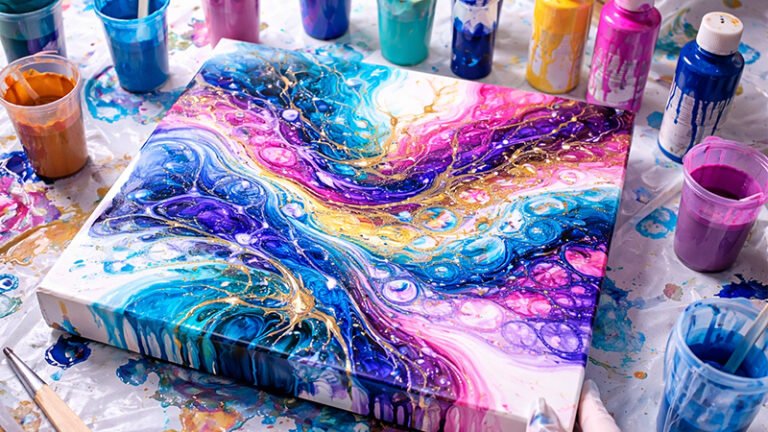
Acrylic paint is the standard-bearer for the art and craft world, prized for its water-based polymer emulsion.
Unlike enamel, acrylics are almost exclusively water-based, making them significantly easier to handle for beginners and professionals alike. Their primary appeal is their rapid workflow and ease of cleanup, as they are water-soluble until they dry.
Technical Comparison: Durability, Drying, and Curing
Understanding the timeline of a project is critical for professional-grade results. One of the most common “gaps” in consumer knowledge is the difference between drying time and curing time.
1. The Drying vs. Curing Gap
“Dry to the touch” does not mean a project is finished. Curing is the chemical process where the paint reaches its maximum hardness and permanent state.
- Acrylics: These dry exceptionally fast—often within 10 minutes to an hour. However, full curing typically takes about 24 hours to a week depending on the thickness of the application.
- Enamels: Oil-based enamels require roughly 24 hours just to dry. The curing process is significantly longer, often taking several days to a full month to achieve maximum hardness.
2. Opacity and Coverage
When project efficiency is a priority, coverage becomes a key performance indicator (KPI).
- Enamel provides superior opacity and a thicker finish, often requiring fewer coats to hide the underlying substrate.
- Acrylic generally offers decent coverage but is less opaque than enamel, which may necessitate more layers for a professional, solid finish.
3. Aesthetics and Finish
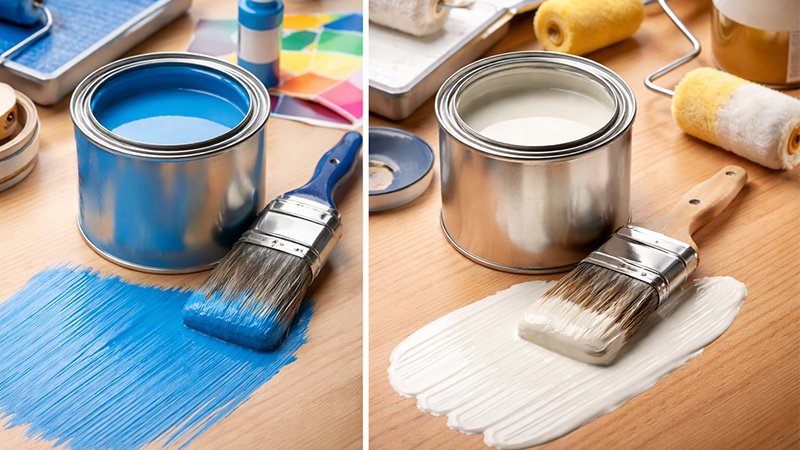
- Brushstrokes: Acrylic paint is prone to leaving visible brushstrokes due to its fast drying time. Conversely, oil-based enamel levels out more effectively, resulting in a smoother, stroke-free surface.
- Color Stability: A critical “trust signal” for long-term projects is color retention. Oil-based enamel has a known tendency to yellow over time, particularly when kept in low-light environments. Acrylics maintain high color stability and do not yellow.
Strategic Surface Selection: What Goes Where?
The success of a coating is only as good as its adhesion to the substrate. Selecting the wrong paint for a specific material can lead to peeling, cracking, or total project failure.
Optimal Surfaces for Enamel
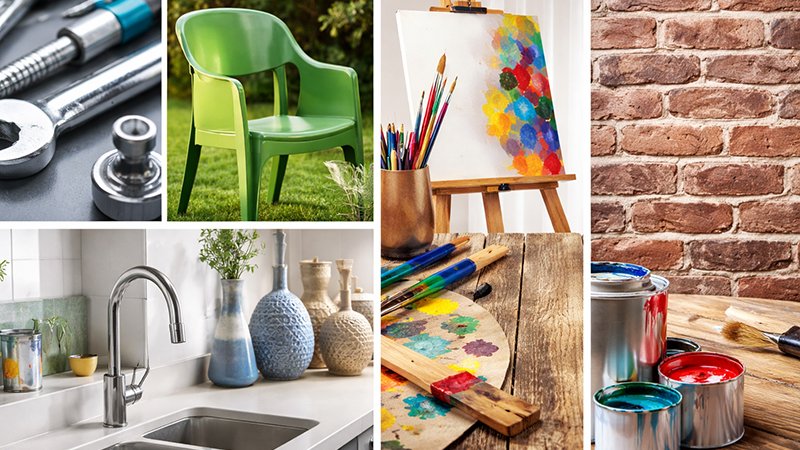
Enamel’s impressive adhesive qualities make it the premier choice for non-porous materials.
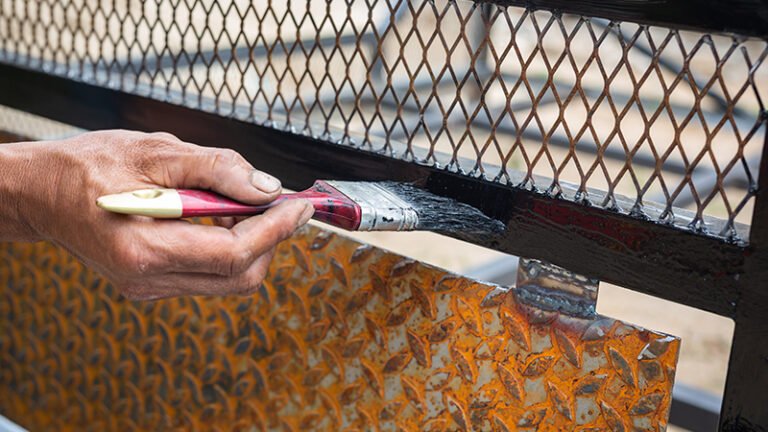
- Metals and Plastics: Enamel bonds exceptionally well to smooth surfaces.
- Glass and Ceramics: Ideal for decorative or functional items that require a hard, washable finish.
- High-Moisture Areas: Because enamel is highly water-resistant, it is the standard for kitchens, bathrooms, and outdoor furniture.
Optimal Surfaces for Acrylic
Acrylic is the king of porous surfaces.
- Canvas and Paper: The flexible nature of acrylic makes it perfect for these materials.
- Wood and Brick: Acrylic adheres easily to these textured surfaces without extensive prep.
- The Non-Porous Limitation: While acrylic can be used on metal or plastic, it requires a primer or sanding to prevent peeling.
Health, Safety, and Environmental Impact
From an perspective, the health implications of paint choice cannot be overstated.
Toxicity and Volatile Organic Compounds (VOCs)
- Oil-Based Enamel: These emit toxic fumes that can have harmful health effects. Professionals must use them in well-ventilated areas and utilize personal protective equipment (PPE).
- Acrylic and Water-Based Enamel: These are generally non-toxic and fume-free, making them the safer choice for indoor projects, schools, and shared studio spaces.
Cleanup and Disposal
- Enamel: Requires harsh chemicals like paint thinners or mineral spirits for cleaning brushes and spills. These chemicals must be stored and disposed of with care to ensure safety for children and pets.
- Acrylic: Only requires water and mild detergent, significantly reducing the environmental footprint and complexity of the cleanup process.
Specialized Use Cases: Modeling and Fine Art
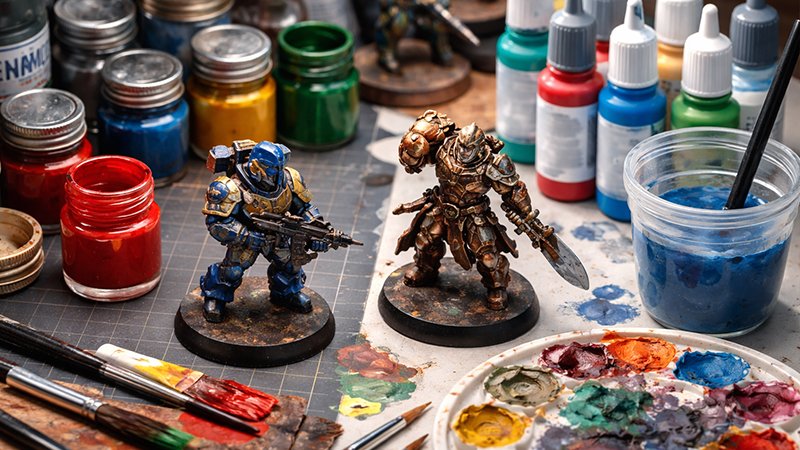
The “Enamel vs. Acrylic” debate is nowhere more heated than in the hobbyist modeling and figurine community.
The Model Painter’s Dilemma
- The Case for Enamel: Many hobbyists prefer enamel model paint because it maintains a vibrant, durable finish for years. Its slow drying time allows for smoother blending on small scales.
- The Case for Acrylic: Other artists opt for acrylic model paint because it is significantly easier to thin and create “washes” with. It is also the preferred choice for those painting indoors without industrial-grade ventilation.
The Canvas Constraint
A common mistake among beginners is attempting to use enamel on canvas. This is strongly discouraged for two reasons:
- Chemical Damage: The harsh chemicals in enamel can degrade the canvas fibers over time.
- Inflexibility: Enamel dries to a hard, rigid state. Since canvas is a flexible material, the enamel is highly likely to crack and peel as the canvas moves.
Professional Comparison Matrix
To facilitate a data-driven decision, refer to this strategic performance table:
| Feature | Oil-Based Enamel | Water-Based Enamel | Acrylic Paint |
|---|---|---|---|
| Durability | Maximum | High | Fair (needs sealer) |
| Drying Time | ~24 Hours | ~2-3 Hours | ~1 Hour |
| Curing Time | Up to 1 Month | Up to 1 Month | ~1 Week |
| Toxicity | High (Toxic Fumes) | Low/None | Low/None |
| Primer Needed | Usually No | Usually No | Yes (for smooth surfaces) |
| Cleanup | Chemical Thinners | Water/Soap | Water/Soap |
| Brushstrokes | Self-leveling (None) | Minimal | Common |
| Price Point | Higher | Higher | Affordable |
Advanced FAQ: Resolving Industry Confusion
Can I mix Enamel and Acrylic?
It is not recommended to mix oil-based enamel with acrylic. Their differing chemical bases will clash, leading to unpredictable results and ruined paint.
You may, however, experiment with alternating layers (e.g., an enamel base with acrylic details), provided the bottom layer is fully cured.
Is Enamel or Acrylic more cost-effective?
While acrylic paint is generally cheaper per ounce, the “total cost of project” may vary. If you are painting a non-porous surface with acrylic, you must factor in the cost of primer and sealant.
In some industrial or outdoor scenarios, enamel may actually be more cost-effective due to its one-coat coverage and inherent durability.
Final Strategic Recommendation
Selecting between enamel and acrylic is a matter of aligning the paint’s properties with the environmental demands of the project.
- Choose Enamel if: You are painting outdoor furniture, metal railings, kitchen cabinets, or high-detail models where a hard, “bomb-proof” finish is required and you have proper ventilation.
- Choose Acrylic if: You are working on canvas, wood, or paper; you need a fast turnaround time; or you are working in an environment where safety and non-toxicity are paramount.
Experimentation is the key to mastery. Every artist and DIYer should ideally spend time with both mediums to understand the nuances of their flow, texture, and finish.