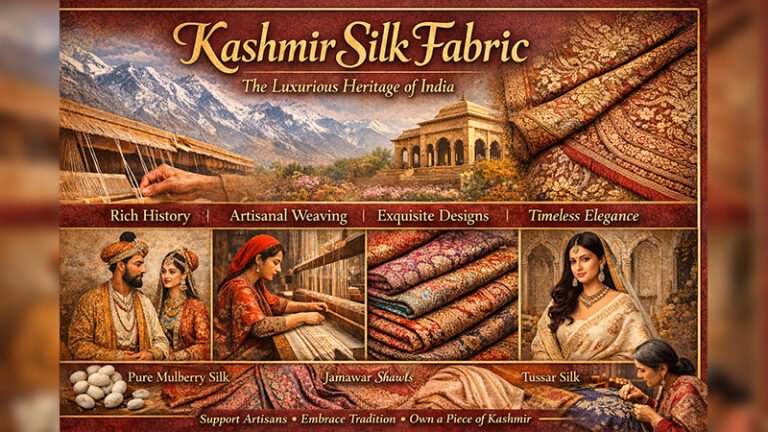
In the world of textiles, certain fabrics possess a unique combination of elegance, comfort, and versatility that makes them perennial favorites.
Challis is one such fabric, celebrated for its distinct qualities and wide range of applications. Understanding what Challis fabric is provides the foundation for appreciating its place in fashion and design.
A challis is defined as a kind of lightweight woven fabric. Traditionally, it was created by combining silk and wool. However, in certain instances, challis was made from a single type of fabric, such as silk, cotton, or wool, instead of a combination.
These days, challis is almost exclusively composed of rayon. The shift to rayon is because this type of synthetic fiber is now used to make challis more than any other material, primarily because it is easier to get and lasts longer than the others.
A Journey Through Time: The History of Challis
To truly appreciate challis, we can journey through its origins, tracing its name and initial creation.
The name “Challis” comes from the Anglo-Indian word “shallee,” which means “soft“. This etymology hints at one of the fabric’s most defining characteristics from its very inception.
People say that Challis was made for the first time in the early 1830s. The location cited for its origin is the English city of Norwich.
This particular kind of fabric has been purposefully developed to have a soft and thin feel. This texture was intended to be very similar to that of the Norwich crepe.
Yet, in contrast to the Norwich crepe, the Challis fabric has key distinguishing features. It possesses a matte texture and is recognized for having a greater degree of pliability.
The visual appeal of challis often lies in its patterns. Challis’s classic style is known for using Paisley and floral designs. This traditional aesthetic continues to be associated with the fabric’s heritage.
Why Challis Shines: Key Characteristics

The enduring popularity of challis fabric lies in its unique combination of comfort, practicality, and aesthetic appeal. Several standout characteristics contribute to its widespread use across garments and seasons.
Luxurious Texture
One of the most notable features of challis is its smooth, soft texture. It feels cool to the touch, which enhances its comfort—especially in warmer climates or when worn directly against the skin. This smoothness lends a refined, effortless quality to any garment made from it.
Lightweight & Breathable
Challis is inherently lightweight, which contributes to its exceptional breathability. This allows air to circulate freely, preventing overheating and making it an ideal choice for summer apparel or layering pieces. The fabric drapes beautifully, adding to its comfort and versatility.
Practical Wrinkle Resistance
A key practical advantage of challis is its wrinkle resistance. It doesn’t crease easily, making it well-suited for everyday wear and travel. Even when minor wrinkles appear, the fabric tends to smooth out naturally after a few minutes of wear—maintaining a neat, polished look with minimal effort.
Versatility in Design: Applications and Usage
The unique combination of softness, breathability, and wrinkle resistance makes challis fabric incredibly versatile—finding its place across a wide range of garments and accessories.
1. Everyday Apparel
Challis is widely used in clothing due to its fluid drape and comfort. It appears in both structured and relaxed pieces, including:
- Jackets
- Shirts
- Pants
- Pajamas
- Kimonos
Its lightweight feel and elegant movement make it ideal for garments that require both style and ease of wear.
2. Accessories & Specialized Garments
Beyond main wardrobe staples, challis also features in various accessories and traditional attire, such as:
- Babushkas (headscarves) – where softness and flow are essential for comfort and styling.
- Dirndls – particularly for components like aprons or bodices that benefit from challis’s drape and breathability.
- Sportswear-inspired pieces – where a breathable, lightweight fabric adds functionality and comfort, especially in more relaxed or casual athletic styles.
Keeping Your Challis Beautiful: Care Instructions
Proper care is essential to preserving the beauty, texture, and drape of challis fabric. By following these guidelines, you can extend the life of your garments and keep them looking their best.
Initial Washing
For pre-washing challis fabric—especially before sewing or first-time wear—use warm water and set your tumble dryer to medium heat. This helps to preshrink the fabric and stabilize it for future care.
Regular Washing
To maintain challis’s softness and color over time, use the following routine:
- Wash in cold water to reduce color fading and fabric stress.
- Choose a gentle cycle if using a machine.
- Hang to dry to preserve the drape and avoid heat-related shrinkage or distortion.
Pressing
Rayon challis responds well to pressing:
- Use a medium heat setting on your iron.
- Steam is safe and effective for removing wrinkles and restoring a smooth finish.
- For added protection, consider using a pressing cloth, especially on darker prints or delicate colors.
Conclusion
Challis fabric, with its origins in 19th-century England and its modern composition predominantly in rayon, remains a beloved textile for its unique qualities.
Its description as “soft” is reflected in its smooth texture and cool feel. It is a lightweight and breathable fabric that is also remarkably wrinkle resistant, even self-smoothing after wear.
This combination of characteristics makes it highly versatile, used in everything from jackets and pants to pajamas and accessories. Caring for challis involves washing in cold water, hanging to dry, and pressing with steam at a medium temperature.
Exploring platforms mentioned in the sources, like Fabriclore, can provide avenues for businesses to source various fabric types, including those historically or currently associated with challis production.